
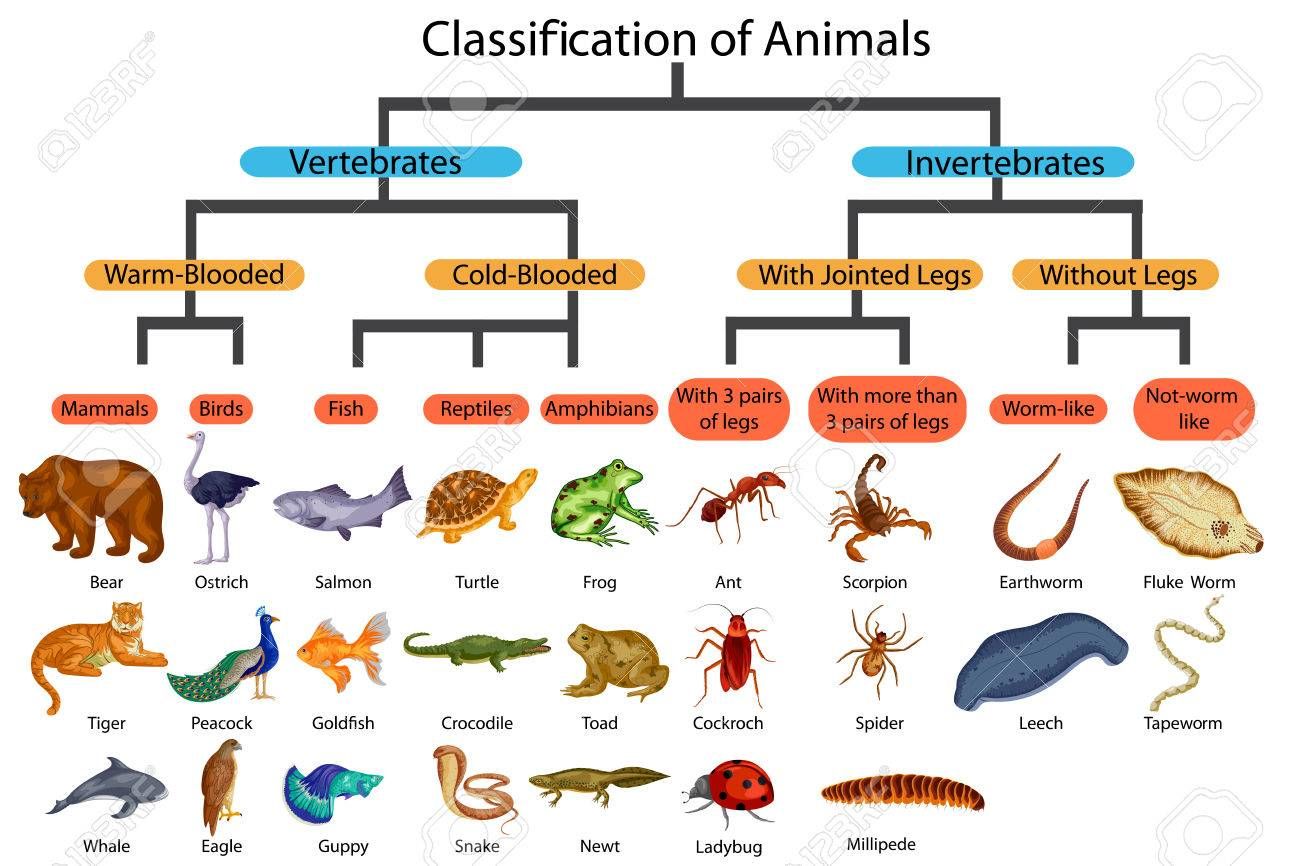
Invertebrates: Sponges to Worms

Flashcard
•
Science
•
6th Grade
•
Practice Problem
•
Hard

Wayground Content
FREE Resource
Student preview

15 questions
Show all answers
1.
FLASHCARD QUESTION
Front
What is bilateral symmetry?
Back
Bilateral symmetry is a type of symmetry where an organism can be divided down the middle into two identical halves.
2.
FLASHCARD QUESTION
Front
What are setae?
Back
Setae are hairlike structures that segmented worms use to move.
3.
FLASHCARD QUESTION
Front
What are invertebrates?
Back
Invertebrates are animals that do not have a backbone.
4.
FLASHCARD QUESTION
Front
What is radial symmetry?
Back
Radial symmetry is a type of symmetry where body parts are arranged around a central axis, allowing the organism to be divided into similar halves in multiple ways.
5.
FLASHCARD QUESTION
Front
What are sponges?
Back
Sponges are simple aquatic animals that have pores on the outside of their bodies and gather food from water pumped through their bodies.
6.
FLASHCARD QUESTION
Front
Give an example of an invertebrate.
Back
An example of an invertebrate is a jellyfish.
7.
FLASHCARD QUESTION
Front
What is the main characteristic of segmented worms?
Back
Segmented worms have bodies divided into segments, which allows for greater flexibility and movement.
Access all questions and much more by creating a free account
Create resources
Host any resource
Get auto-graded reports

Continue with Google

Continue with Email

Continue with Microsoft
or continue with

%20(1).png)
Apple

Others
Already have an account?

