

Syringe Reading

Presentation
•
Other
•
10th - 12th Grade
•
Medium

Sarah Martin
Used 32+ times
FREE Resource
7 Slides • 1 Question
1
Reading a Syringe
Task 411

2
Parts of the Needle and Syringe
Needle cap: protects the needle
Shaft: the long part of needle
Bevel: slanted, open area of needle
Hub: attaches needle to syringe

3
Parts of the Needle and Syringe Cont'd
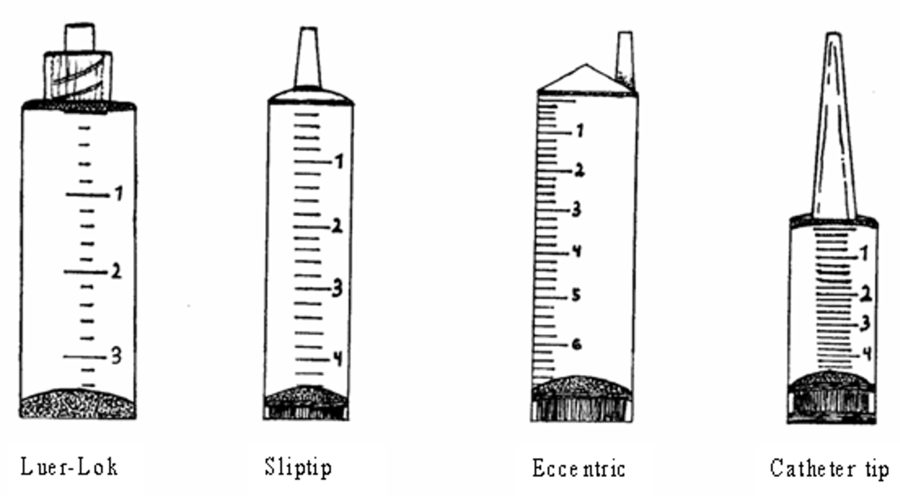
Tip: end of syringe that attaches to the needle
Barrel: the hollow part of the syringe that holds the medication
Piston: rubber stopper at the end of the plunger
Plunger: fits within the barrel and moves in and out

4
5
6
7
Reading a Syringe
Example:
10 spaces between largest mark labeled 1 ml means each line represents 0.1 ml.

8
Multiple Choice

Let's practice!
How many mLs are in this syringe?
Reading a Syringe
Task 411
Show answer
Auto Play
Slide 1 / 8
SLIDE


