Search Header Logo
Theme, inferences, characterization

Theme, inferences, characterization

Assessment

Presentation

English

9th Grade

Practice Problem

Medium

CCSS
RI. 9-10.9, RI.8.1, RL.11-12.3

+14

Standards-aligned

Created by

Silvia Calderon

Used 53+ times

FREE Resource

1 Slide • 16 Questions

1

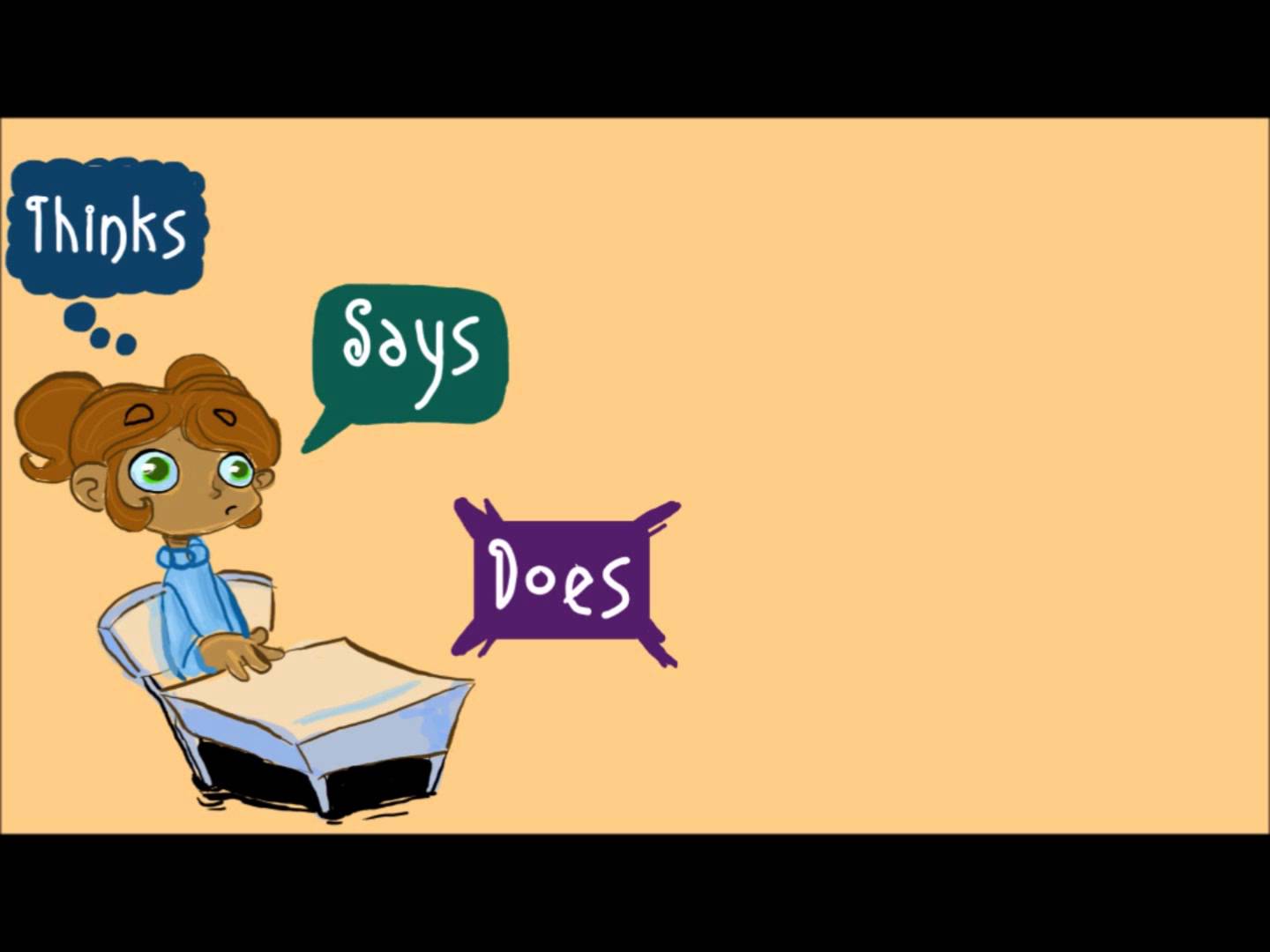
Theme, inferences, characterization, syntax
Slide image

2

Multiple Choice

Question image

Elliott and Hayden were choosing the players for their teams. It was Elliott's turn to choose, and only Riley was left. Elliott said, "Riley."


We can infer that…

1

Riley was the best player.

2

Elliott really wanted Riley on his team.

3

Riley was not a very good player.

4

Elliott had a hard time choosing a team member.

3

Multiple Choice

Question image

Is it logical to infer that many people have walked on the sand?

1

Yes

2

No

4

Multiple Choice

Question image

It can be inferred that...

1

The two people are carrying something

2

The people are married

3

The person on the left is sad

4

The image was taken at night

5

Multiple Choice

Jim spends most of his time staring at the cement walls. He wishes he would have done things differently. Jim hates the meals he is served. He also hates having to wear the required uniform.

Where is Jim most likely at?

1

Prison

2

School

3

Mall

4

Hospital

6

Multiple Choice

Everyday after work, Paul took his muddy boots off on the steps of the front porch. What can you infer about the job Paul might have?

1

A doctor

2

A teacher

3

A construction worker

4

A basketball coach

7

Multiple Choice

What type of character trait is the following example?
Tiffany loved when her teachers gave her creative projects.  Her favorite things to do were paint, write music, play her guitar, and mold pottery.
1
direct characterization
2
indirect characterization

8

Multiple Choice

What type of characterization is the following example?
Shelly worked hard on Saturday.  She pulled the weeds, planted flowers, and cut the grass.
1
direct characterization
2
indirect characterization

9

Multiple Choice

Question image
Which of the following is an example of indirect characterization?
1
Marcia was a good listener and wonderful friend.
2
Marcia felt the knot in her stomach grow when she saw the number of questions on the test, and she tugged her hair anxiously. 
3
Marcia was a nervous person.
4
Marcia was an optimist who always believed the best about people.

10

Multiple Choice

Question image
Which of the following is an example of direct characterization?
1
He tapped his foot anxiously.
2
"I wouldn't  trust that man," said Ma.
3
Frank was a shy, quiet person.
4
Every time he earned a high grade, he would hang the test on his wall.

11

Multiple Choice

If the author directly tells you what the character is like, that is:
1
direct characterization
2
indirect characterization

12

Multiple Choice

Question image
What is the theme of this story? 
1
Slow and steady wins the race.
2
Don't be lazy. 
3
We are stronger together than we are apart.
4
If you try to go on your own, you will get eaten by a big fish.

13

Multiple Choice

Question image
What is the theme of this story?  
1
Eat your vegetables.
2
Don't brag. Be modest. 
3
Don't talk to strangers. 
4
What does the fox say?

14

Multiple Choice

What is the main difference between THEME and MAIN IDEA. 
1
Theme is a universal lesson, and main idea is what a story is about.
2
Theme is what a story is about, and main idea is the universal lesson it teaches.

15

Multiple Choice

One way you could figure out the theme is to...
1
Skim through the story
2
Just read the beginning of the story
3
Think about what the character has learned
4
Read the ending of the story

16

Multiple Choice

Question image
Which of these things is not related to the "theme" in a story?
1
how a character is feeling
2
a "life lesson" the main character learns
3
a big idea that people from any culture or any place can understand
4
the moral of the story

17

Multiple Choice

The best definition of theme is...
1
The lesson the author is teaching. 
2
The message the author is sending.
3
A word that summarizes the story.
4
The character's main problem.

Theme, inferences, characterization, syntax

Slide image

Show answer

Auto Play

Slide 1 / 17

SLIDE