Search Header Logo
Science First Semester Study Guide

Science First Semester Study Guide

Assessment

Presentation

•

Science

•

6th Grade

•

Easy

•
CCSS
5.MD.C.5B, 6.G.A.2

Standards-aligned

Created by

Dawn Kirk

Used 4+ times

FREE Resource

15 Slides • 64 Questions

1

Science First Semester Study Guide

Hello Grade 6 Kirk. View and study the video and other media presentations below. Answer the questions that follow.


Questions are samples of what may come on your science exam. You should also study your notes in your notebook.


Feel free to turn off the music and click the zoom button to make images larger.

Slide image

2

Topics for Study

  • Science Tools

  • Physical Properties

  • Physical Changes

  • Chemical Properties and Changes

3

4

Slide image

5

Slide image

6

Multiple Choice

Question image

List three important pieces of safety gear you need in a lab.

1

latex gloves, googles, lab coat

2

gloves, boots, safety gear

7

Multiple Choice

Question image

The electronic balance is

1

used to measure volume of a substance.

2

mass of a substance or chemical.

3

used to measure density of a substance or chemical.

8

Multiple Choice

Question image

We use a thermometer to measure temperature in ...

1

degrees Celsius

2

degrees Fahrenheit

3

millimetres

4

degrees Centipede

9

Multiple Choice

Question image

What is this piece of laboratory equipment called?

1

A stand

2

A tripod

3

A metal gauze

4

A rack

10

Multiple Choice

Question image

I would use this piece of equipment to ...

1

find the weight of a substance.

2

to find the volume of a liquid.

3

to find the mass of a substance.

4

to see if I have lost weight.

11

Multiple Select

Question image

Check all proper uses for this piece of equipment.

1

Measuring precise and accurate volume amounts

2

Heating Solutions

3

Transferring Solutions

4

Mixing Solutions

5

Identifying Mass

12

Fill in the Blank

Question image

Identify this piece of equipment

13

Multiple Choice

What is a graduated cylinder used for?

1

Measuring volume

2

Measuring weight

3

Pouring liquids

4

Heating substances

5

Measuring temperature

14

Multiple Choice

Question image

What is this piece of lab equipment called?

1

wash bottle

2

stir rod

3

dropper

4

funnel

5

test tube

15

Multiple Choice

Question image

this equipment name is . . . .

1

crucibles

2

mortars

3

evaporating dishes

4

spot plates

16

Multiple Choice

Question image

What is the function of an Erlenmeyer Flask?

1

Used to measure volume very precisely.

2

A narrow-mouthed container used to transport, heat or store substances; often used when a stopper is required.

3

A small glass container used to view chemical reactions or to hold or heat small amounts of a substance.

4

A wide-mouthed container used to transport, heat, or store substances.

17

Multiple Choice

Identify the Erlenmeyer Flask

1
2
3
4

18

Multiple Choice

Question image

What's the name of this lab tool?

1

Beral Pipet

2

Scoopula

3

Stirring Rod

4

Graduated Cylinder

19

Multiple Choice

Question image

What is the function of a beaker?

1

Used to hold substances being weighed

2

A small glass container used to view chemical reactions or to hold or heat small amounts of a substance.

3

A wide-mouthed container used to transport, heat, or store substances.

4

A narrow-mouthed container used to transport, heat or store substances; often used when a stopper is required.

20

Multiple Choice

Identify the electronic balance.

1
2
3
4

21

Multiple Choice

Question image

Name the equipment

1

thermometer

2

dropper pipette

3

burette

4

stirring rod

22

Multiple Choice

Question image

Name the equipment

1

graduated cylinder

2

test tube

3

thermometer

4

beaker

23

Multiple Choice

Question image
1

erlenmeyer flask

2

test tube

3

graduated cylinder

4

beaker

24

Multiple Choice

Question image

What is the volume of this prism?

1

16 cubic cm

2

36 cubic cm

3

144 cubic cm

25

Multiple Choice

Question image

Where should you read the level of water on the graduated cylinder?

1

Level "A"

2

Level "B"

3

Level "C"

4

None of these

26

Multiple Choice

Volume is the amount of space an object takes up.

1

True

2

False

27

Multiple Choice

Question image

What is the volume of the water?

1

24 mL

2

21.5 mL

3

20.5 mL

4

22 mL

28

Multiple Choice

Question image

Where do we read the level of liquid?

1

The highest point the liquid touches.

2

The bottom of the meniscus.

3

Half way between, we make an educated guess and round it.

4

Somewhere about there.

29

Multiple Choice

Question image

What is the volume of the liquid in the picture

1

35 mL

2

35 grams

3

35 cm3

4

35 L

30

Multiple Choice

What is the formula for finding volume?
1
l + w + h
2
l x w x h
3
l x h

31

32

Open Ended

What is matter?

33

Open Ended

What is volume?

34

35

Open Ended

What is matter made of?

36

Open Ended

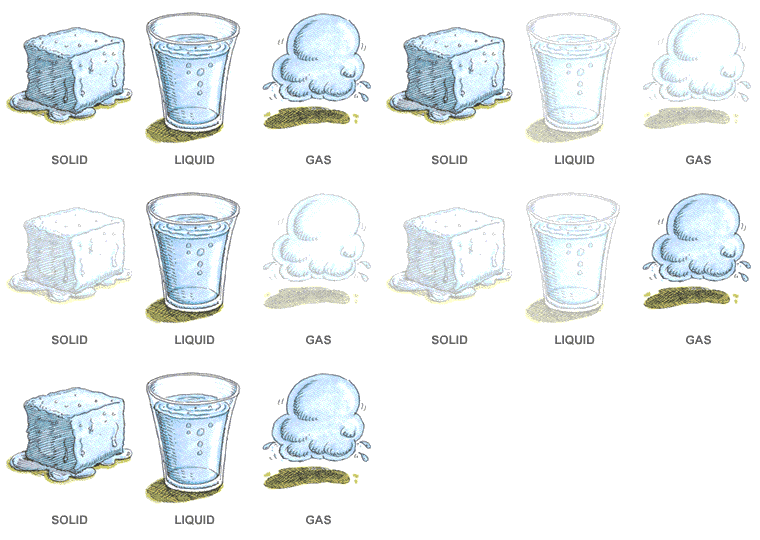
Explain how particles are packed in each of the following:


a. solid


b. liquid


c. gas

37

Multiple Select

True/ False: A solid can become a liquid

1

False

2

True

38

39

Multiple Choice

Question image

Density of gold

1

Intensive property

2

Extensive property

40

Multiple Choice

Question image

Boiling point of water

1

Intensive property

2

Extensive property

41

Multiple Choice

What kind of physical property is this? Odor

1

intensive

2

extensive

42

43

Multiple Choice

What kind of physical property is this? Hardness

1

intensive

2

extensive

44

Multiple Choice

What kind of physical property is this? Temperature

1

intensive

2

extensive

45

Types of Physical Properties:

Intensive vs. Extensive Properties of Matter

  • Intensive Properties: color, density, hardness, luster, temperature

  • Extensive Properties: volume, length, mass weight

  • Remember: Intensive properties does not depend on the amount of matter present. Extensive properties do depend on the amount of matter present.

46

Multiple Choice

Which set of properties, intensive or extensive, are based on the size of a sample?

1

intensive

2

extensive

47

Multiple Choice

Which of the following is an intensive property?

1

Color

2

Mass

3

Volume

4

Weight

48

Multiple Choice

The mass of a substance divided by its volume.

1

Volume

2

Density

3

Mass

4

Length

49

Multiple Choice

How shiny a substance is.

1

Luster

2

Conductivity

3

Hardness

4

Volume

50

Multiple Choice

Which of the following is an extensive property?

1

Hardness

2

Boiling Point

3

Density

4

Weight

51

Multiple Choice

Which of the following is an extensive property?

1

Color

2

Mass

3

Odor

4

Luster

52

Multiple Choice

Properties that DO depend on the amount of matter present.

1

Mass

2

Hardness

3

Extensive

4

Intensive

53

54

Multiple Choice

Question image

What is the volume of the liquid in this graduated cylinder?

1

19 mL

2

35 mL

3

24 mL

4

1.9 mL

55

Multiple Choice

Question image

What is the volume of the ring? (new volume - old volume)

1

64 mL

2

68 mL

3

8 mL

4

4 mL

56

57

Multiple Choice

Question image

What is the volume?

length=2 units

width=2 units

height=3 units

1

Volume = 12 cubic units

2

Volume = 7 cubic units

3

Volume = 223 cubic units

4

Volume = 8 cubic units

58

Multiple Choice

Question image

What is the volume?

1

23 cm3

2

12 cm3

3

60 cm3

59

Multiple Choice

Question image

Find the volume of the solid shown.

1

64 in3

2

21.333 in3

3

16 in3

4

50.265 in3

60

Multiple Choice

Question image
Calculate the Volume
1
410 cm3
2
420 cm3
3
402 cm3
4
401 cm3

61

62

63

Multiple Choice

Which of the following indicates a chemical change?

1

Change in state of matter

2

Temperature change

3

Change in size

4

Change in shape

64

Multiple Choice

Evidence of a physical change.

1

New substance

2

Shape Change

3

Light produced

4

Gas released.

65

Multiple Choice

Question image

In which of these do particles move slowest?

1

matter

2

gas

3

liquid

4

solid

66

Multiple Choice

Question image

Is this an example of a physical or chemical change?

1

Physical because it is a mixture.

2

Chemical because the parts have changed shape.

67

Multiple Choice

Question image

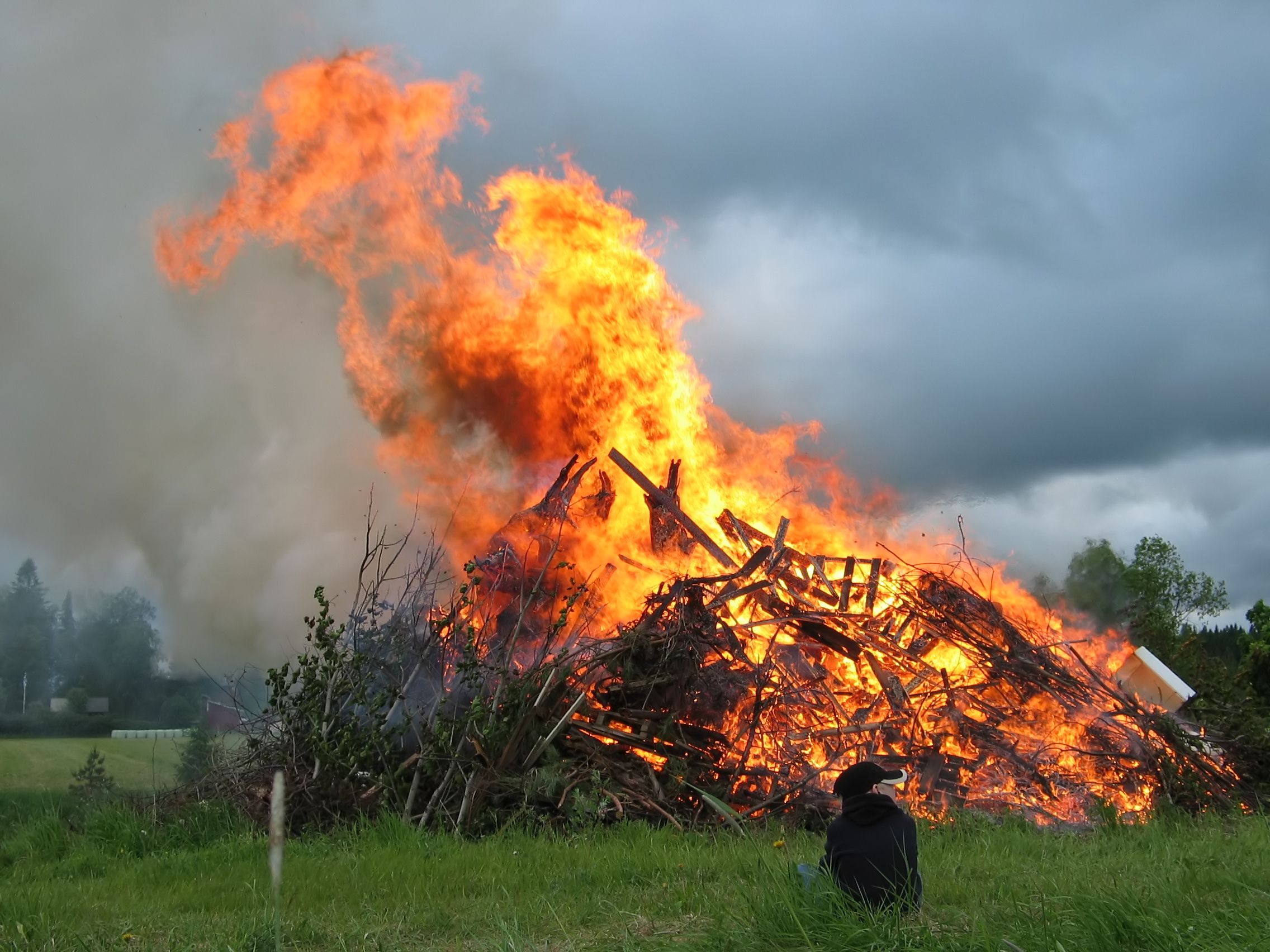
Wood that is burning in a brush pile has heat, and produces ashes.

1

Physical

2

Chemical

68

Multiple Choice

Question image

Is this an example of a physical or chemical change?

1

physical

2

chemical

69

Multiple Choice

Question image

Is this an example of a physical or chemical change?

1

physical

2

chemical

70

Multiple Choice

A chemical change

1

changes the physical properties of an object, but does not create a new substance.

2

creates a new substance and cannot be undone.

71

Multiple Choice

A physical change...

1

changes the physical properties of an object, but does not create a new substance.

2

creates a new substance and cannot be undone.

72

73

Multiple Choice

Question image

Molecules change position easily and slide past one another.

1

Solid

2

Liquid

3

Gas

74

Multiple Choice

Matter that has no definite shape, nor volume.

1

Solid

2

Liquid

3

Gas

75

Multiple Choice

What happens when my glass of water is sitting in the sun and disappears into a gas?

1

evaporation

2

burning

3

melting

4

freezing

76

Multiple Choice

Question image

The boiling point of water in oCelsius and oFahrenheit is:

1

0oC or 32oF

2

100oC or 212oF

3

WRONG

4

WRONG

77

Multiple Choice

Question image

When a gas changes into a liquid, it is called ......

1

evaporation

2

condensation

3

melting

4

freezing

78

Multiple Choice

Question image

When a solid changes into a liquid, it is called ......

1

freezing

2

sublimation

3

melting

4

boiling

79

Multiple Choice

Question image

The freezing point of water in oCelsius and oFahrenheit is:

1

100oC or 212oF

2

0oC or 32oF

3

WRONG

4

WRONG

Science First Semester Study Guide

Hello Grade 6 Kirk. View and study the video and other media presentations below. Answer the questions that follow.


Questions are samples of what may come on your science exam. You should also study your notes in your notebook.


Feel free to turn off the music and click the zoom button to make images larger.

Slide image

Show answer

Auto Play

Slide 1 / 79

SLIDE