


Germ Theory EOC Review
Presentation
•
Biology, Science
•
9th - 12th Grade
•
Practice Problem
•
Medium
Elizabeth Wait
Used 107+ times
FREE Resource
8 Slides • 13 Questions
1
Germ Theory EOC Review
2
Pre-Assessment
3
Multiple Choice
In 1847, a scientist noted that when physicians washed their hands before they had contact with their patients, there was a decreased number of infections. This was one of the first clues that -
substances such as bacteria may cause disease
bacteria generate spontaneously on hands
physicians deliberately infect patients
bacteria are present in water
4
Multiple Choice
Which scientist designed a special flask that allowed air in but kept microbes out and once and for all disproved spontaneous generation?
Redi
Needham
Spallanzani
Pasteur
5
Multiple Choice
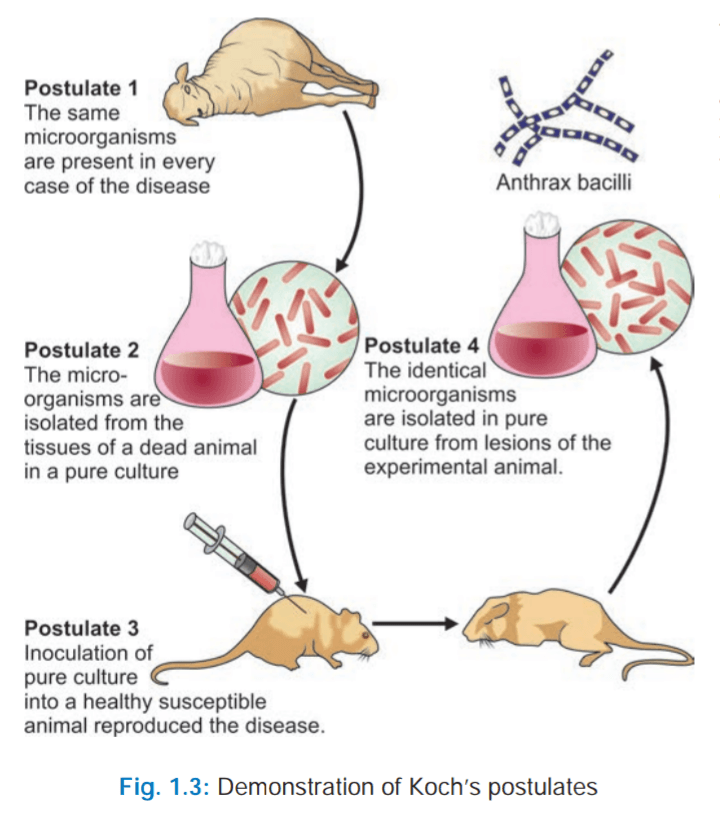
The German physician Robert Koch provided evidence to support the germ theory of infectious disease. Koch isolated bacteria from a cow with anthrax, then injected the bacteria into a healthy mouse. To support germ theory, what must have happened to the healthy mouse?
It produced antibiotics
It became immune to viral infections
It spread smallpox
It became sick
6
Multiple Choice
Health practices today include teaching sanitation, the safe handling of food and water, aseptic techniques, and the development of vaccinations. These examples show that people have accepted the principals of which theory?
The Theory of Evolution
Cell Theory
The Theory of Spontaneous Generation
Germ Theory
7
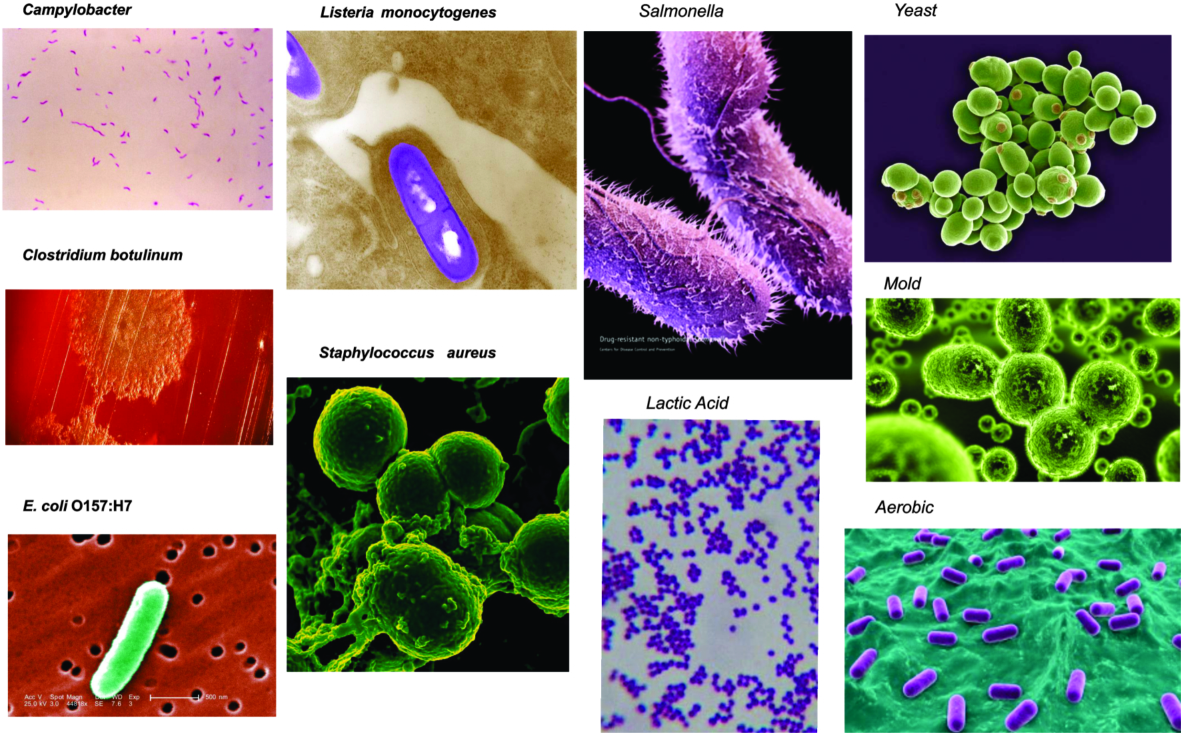
Germ Theory states that infectious diseases are caused by microorganisms
Microorganisms include bacteria, viruses, and even some fungi and protists
Disease-causing microorganisms are also called pathogens
8
Multiple Choice
The germ theory of disease states that infectious diseases are caused by -
heredity
microorganisms
chemicals
toxins
9
Before germ theory, people believed in spontaneous generation
Spontaneous generation was the belief that small living things just appeared from non-living things like rotting meat, as if by magic
This meant they didn't understand how microorganisms could spread
Obviously, this is NOT CORRECT
10
Multiple Choice
The belief that living things can come from non-living things is called -
Germ Theory
Cell Theory
Spontaneous Generation
Microorganism Magic
11
Louis Pasteur DISPROVED spontaneous generation
Using special flasks, he showed that broth only spoiled (grew bacteria) when it was exposed to other bacteria
12
Multiple Choice
Louis Pasteur helped discredit what theory?
Evolution
Miasma theory
Spontaneous generation
Germ theory
13
Robert Koch proved that specific microorganisms cause specific diseases
He created "Koch's Postulates", a test to prove his discovery, and discovered the cause for several diseases, like anthrax
14
Multiple Choice
Which scientist created a set of postulates to identify that germs are responsible for causing diseases?
Pasteur
Semmelweis
Snow
Koch
15
Germ Theory improved hygiene, food safety, and medicine!
People learned the importance of sanitation
Scientists were able to create antibiotics and vaccines
16
Multiple Choice
Although controversial at first, the germ theory proposed that microorganisms were the cause of many diseases. Which of these was a result of the general acceptance that microorganisms cause disease?
The development and use of antibiotics
The belief in spontaneous generation
The link between viruses and RNA
The proof of a supernatural cause for illness
17
Post-Assessment
18
Multiple Choice
-A surgeon washes his hands and puts gloves on before surgery
-A medical instrument is sealed in an air-tight container before use
-Meat is kept in an air-tight container in a refridgerated area
-Milk is pasteurized before being distributed
These practices were created due to the discovery of the -
microorganisms theory
germ theory
cell theory
sensitization theory
19
Multiple Choice
The results of Pastuer's experiment helped Pasteur to -
reject the theory of spontaneous generation
isolate the virus responsible for smallpox
convince people to cover food
produce a vaccine against rabies
20
Multiple Choice
In an anthrax experiment, the scientist Robert Koch began growing anthrax rods in sterile fluid. He then inserted the rods into mice. The infected mice always died. After dissection, Koch found that each mouse was infested with anthrax rods. What did Koch prove at the conclusion of this experiment?
Some organisms are resistant to viral microbes
Viruses cannot be spread through the air
Viruses cause host cells to produce new proteins
Specific microbes cause a specific disease
21
Multiple Choice
Pasteur conducted an experiment to see if sterile nutrients could spontaneously generate microbial life. He concluded that microbial life could only come from other microbial life and do not spontaneously generate. This conclusion led to the -
classification of new microbial species
development of spontaneous microbial life procedures
process of sterilizing medical equipment
creation of new nutrient-rich foods
Germ Theory EOC Review
Show answer
Auto Play
Slide 1 / 21
SLIDE

Similar Resources on Wayground
16 questions
Where do cells come from?
Presentation
•
9th - 12th Grade
17 questions
Biotechnology Notes
Presentation
•
9th - 12th Grade
15 questions
Module 5: Equilibrium Intro
Presentation
•
9th - 12th Grade
18 questions
ELD Lesson 11.8.23
Presentation
•
9th - 12th Grade
12 questions
Patterns of Evolution
Presentation
•
9th - 12th Grade
16 questions
Intro to Deaf Culture
Presentation
•
9th - 12th Grade
16 questions
15.10 Hominid Evolution
Presentation
•
9th - 12th Grade
15 questions
MLA Citations
Presentation
•
9th - 12th Grade
Popular Resources on Wayground
10 questions
HCS SCI 03 Summer School Assessment 1
Quiz
•
3rd Grade
15 questions
HCS SCI 05 Summer School Assessment 1 Review
Quiz
•
5th Grade
22 questions
Day 9 Equations and Inequalities Review
Quiz
•
9th Grade
10 questions
Writing and Identifying Ratios Practice
Quiz
•
5th - 6th Grade
7 questions
PYRAMID PERSPECTIVES part 1
Presentation
•
9th - 12th Grade
12 questions
Understanding the Fourth of July
Quiz
•
9th Grade
15 questions
Soccer World Cup Quiz Questions
Quiz
•
7th Grade