

THE SAVANNA BIOME

Presentation
•
Geography
•
9th - 12th Grade
•
Practice Problem
•
Medium

Sheridon King-Coke
Used 21+ times
FREE Resource
18 Slides • 8 Questions
1
THE TROPICAL SAVANNA BIOME
GRASSLANDS
2
What is Savanna?
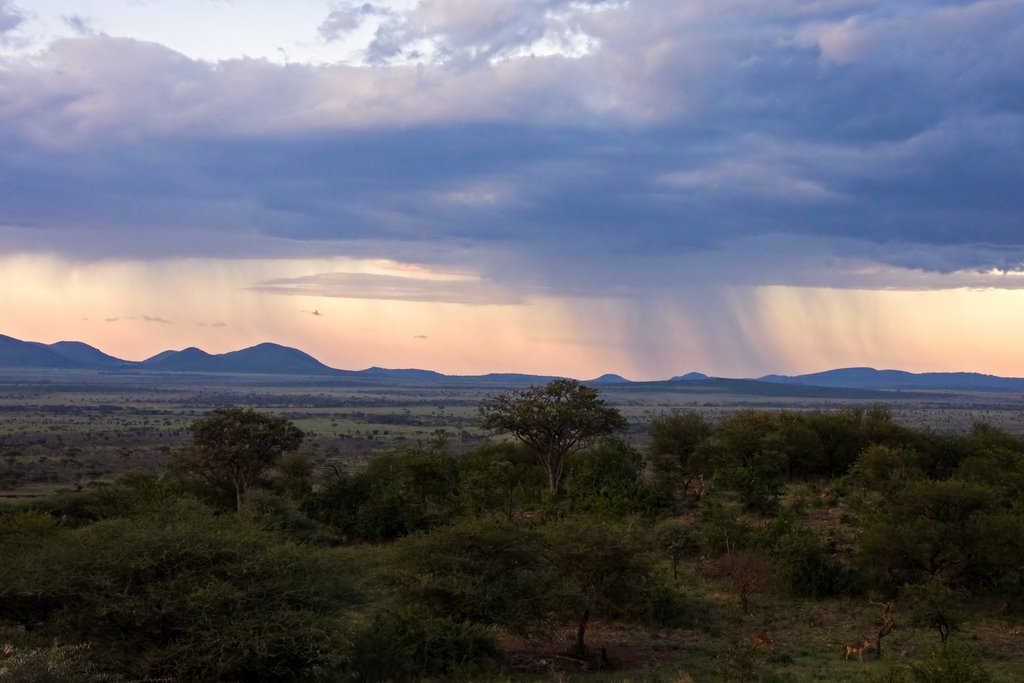
Savanna is grassland with scattered individual trees. Savannas of one sort or another cover almost half the surface of Africa (about five million square miles, generally central Africa) and large areas of Australia, South America, and India.

3

4

5
What is a Savanna?
Savannas are a transitional biome, not really a forest and not really a desert – just somewhere in between. This habitat is home to many different species of plants and animals around the world, and in Africa, it is home to the largest land mammal in the world – the African elephant

6
Multiple Choice
7
Multiple Choice
8
Multiple Choice
9
10
CLIMATE-temperature
Climate is the most important factor in creating a savanna. Savannas are always found in warm or hot climates.
Savanna has both a dry and a rainy season. It rarely falls below 60° F (15°C), even during the season defined as “winter” in the northern hemisphere. Most of the year, it can get up between 80 and 100°F (27 to 37°C). This is the dry season.

11
CLIMATE
It is crucial that the rainfall is concentrated in six or eight months of the year, followed by a long period of drought when fires can occur.
12
CLIMATE
However, the wet season gets lots of rain. During this period, which lasts about six months, a savanna can get anywhere from 20-50 inches (500 - 1200 mm) of rain. This allows the grasses to grow thick and lush, creating a habitat where many different animals and birds can live.

13
Multiple Choice
14
Multiple Choice
15
Multiple Choice
16
VEGETATION
Dominant flora in the savanna biome include the Jackal berry tree, Bermuda grasses, Lemongrass, acacia trees, and baobab trees.

17

18

19

20
ANIMALS
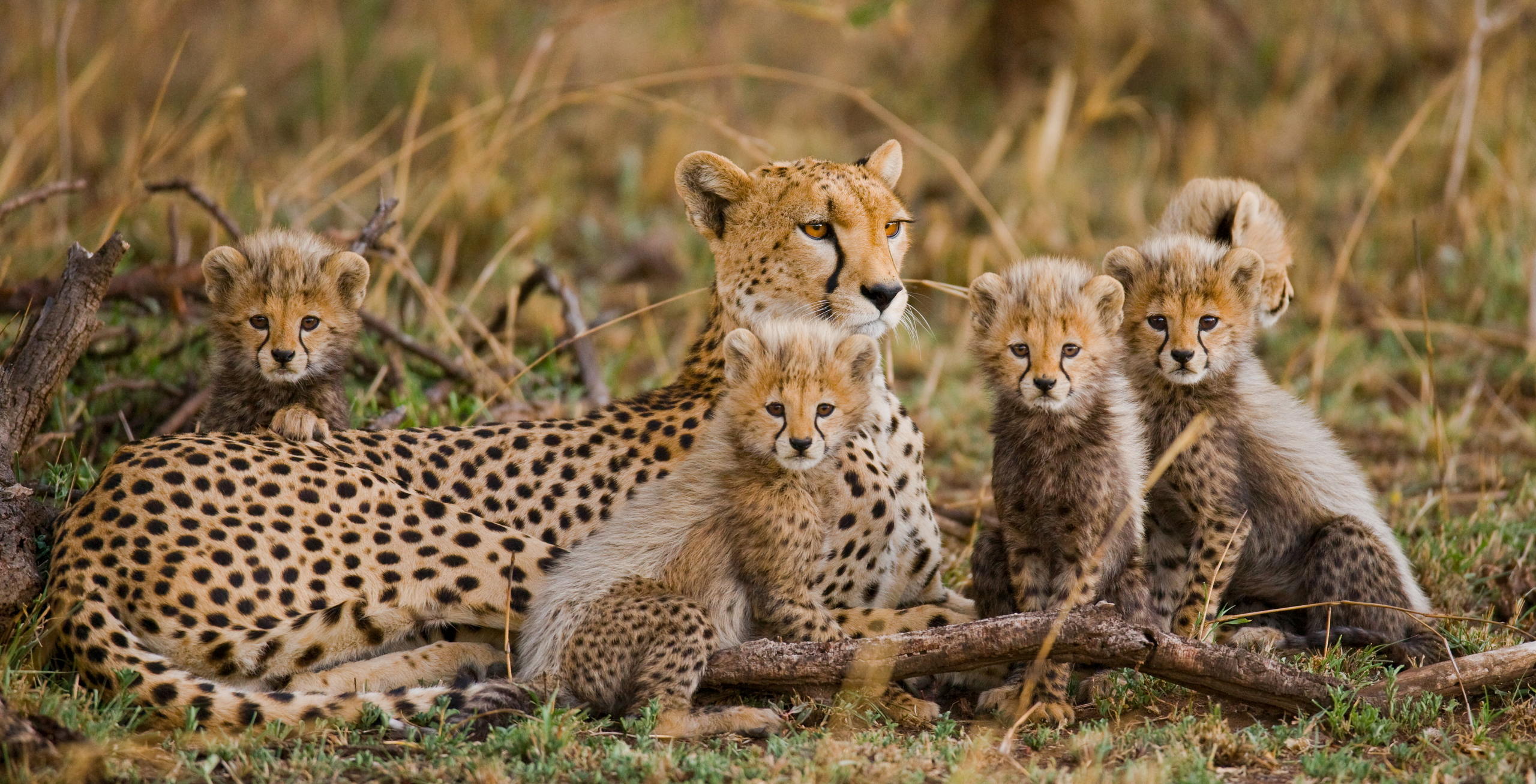
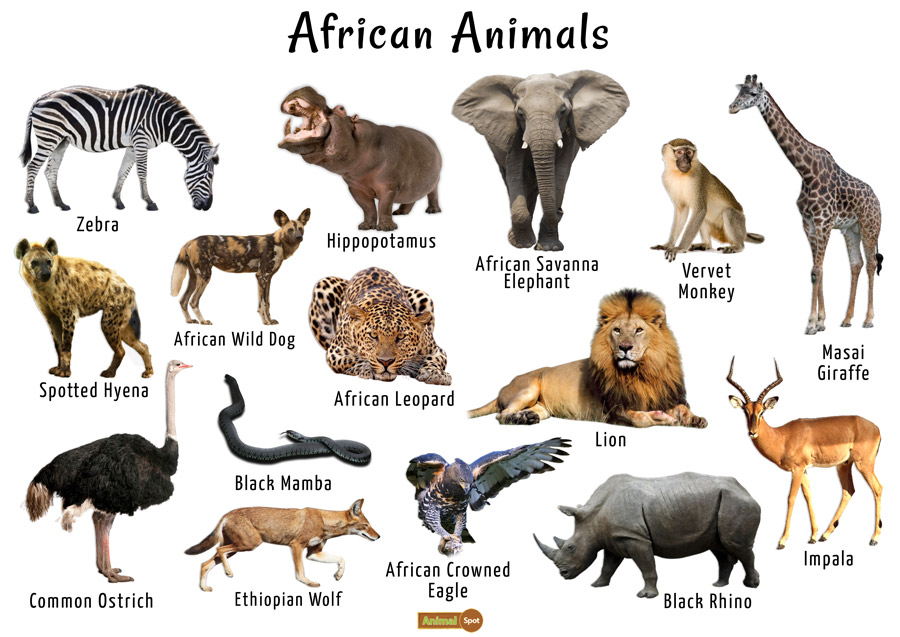
Dominant fauna include the kangaroo, elephant, ostriches, baboons, crocodiles, rhinos, zebras, lions, cheetahs, and leopards.
Prey often conceal themselves by camouflaging and hiding from animals higher up on the food chain.

21
22
Multiple Choice
23
Multiple Choice
24

25

26

THE TROPICAL SAVANNA BIOME
GRASSLANDS
Show answer
Auto Play
Slide 1 / 26
SLIDE

