Search Header Logo
G7 - Chapter 11 Final Revision

G7 - Chapter 11 Final Revision

Assessment

Presentation

Science

7th Grade

Hard

Created by

Mai Hamza

Used 55+ times

FREE Resource

14 Slides • 52 Questions

1

G7 - Chapter 11 Final Revision

11.1 Plate Tectonics

11.3 Weathering, Erosion, and Deposition

Slide image

2

Slide image

3

Slide image

4

Slide image

5

Slide image

6

Slide image

7

Slide image

8

Slide image

9

Multiple Select

Question image

What happen if?

Earth's crust moves?

1

earthquakes

2

We can travel freely

3

Volcanic eruptions

4

Mountain formation

10

Open Ended

Question image

Big question:

what causes the movement of Earth’s crust?

11

Slide image

12

13

Multiple Choice

Which of the following is responsible for Earth's crust moving?

1

Convection Currents

2

Dynamo Effect

3

Great Pressure

4

Gravitational pull from the Sun

14

Multiple Choice

Convection currents occurs in which of Earth's layers?

1

crust

2

mantle

3

outer core

4

inner core

15

Multiple Choice

The thinnest and outermost layer of Earth is called...

1

crust

2

mantle

3

outer core

4

inner core

16

Multiple Choice

A _____________ is a well tested concept that explains a wide range of observations.
1
Theory of Plate Tectonics
2
scientific theory
3
subduction

17

Multiple Choice

This layer is the most dense in comparison to the other layers.

1

Crust

2

Mantle

3

Inner Core

4

Outer Core

18

Multiple Choice

Which layer of Earth flows slowly and causes the crust to move?

1

Crust

2

Mantle

3

Inner Core

4

Outer core

19

Multiple Choice

At a transform boundary the plates.....

1

collide

2

diverge

3

slide past each other

20

Multiple Choice

The process that causes the tectonic plates to move is called.....

1

subduction

2

transform

3

convection

21

Multiple Choice

This type of boundary creates folded mountains.

1

transform

2

divergent

3

continental-continental convergent

4

continental-oceanic convergent

22

Multiple Choice

This type of boundary can be found along the San Andreas fault in California....

1

divergent

2

convergent

3

transform

23

Multiple Choice

New crust is formed at this type of boundary

1

divergent

2

convergent

3

transform

24

Multiple Choice

This type of boundary does NOT involve magma.

1

divergent

2

convergent

3

transform

25

Multiple Choice

Question image

1

divergent boundary

2

convergent boundary

3

transform boundary

26

Multiple Choice

Question image

1

divergent boundary

2

convergent boundary

3

transform boundary

27

Multiple Choice

Question image

1

divergent boundary

2

convergent boundary

3

transform boundary

28

Multiple Choice

___________ is the theory that pieces of Earth's lithosphere are in constant motion, driven by convection currents in the mantle.
1
Seismic waves
2
Convection current
3
Divergent boundary
4
Plate tectonics

29

Multiple Choice

A _____________ is when two plates move past each other in opposite directions.
1
emergent boundary
2
divergent boundary
3
transform boundary
4
convergent boundary

30

Multiple Choice

_____________ is when two plates move toward each other.
1
Convergent boundary
2
Allegiant boundary
3
Transform boundary
4
Sliding boundary

31

Multiple Choice

_____________ is a plate boundary where two plates move away from each other.
1
Convergent boundary
2
Transform boundary
3
Divergent boundary
4
Insurgent boundary

32

Multiple Choice

What is the name of the single landmass that began to break apart 200 million years ago?
1
Panthalassa
2
Laurasia
3
Gondwanna
4
Pangaea

33

Slide image

34

Slide image

35

Slide image

36

Slide image

37

Open Ended

Question image

Discuss the role of the weathering process in soil formation

Log into ALEF 143

38

Multiple Choice

Question image
U shaped valleys are formed by
1
rivers
2
glaciers
3
wind
4
human activity

39

Multiple Choice

Question image
Lichen secretes an acid that breaks down rock.
1
Mechanical Weathering
2
Chemical Weathering

40

Multiple Choice

Question image
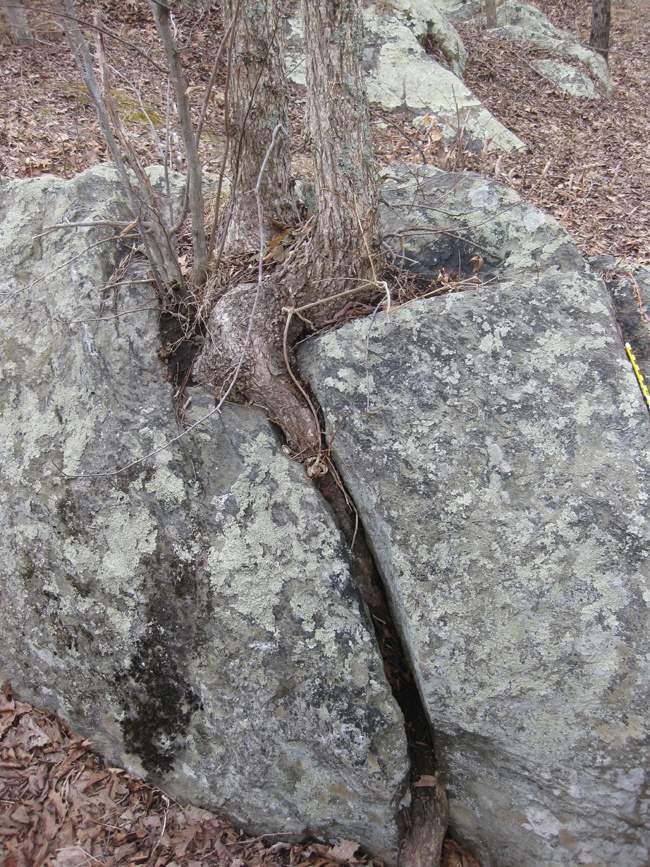
Plants usually break open small cracks in rocks with their
1
seeds
2
roots
3
branches
4
pollen

41

Multiple Choice

Question image
Which causes chemical weathering?
1
acids and oxygen
2
water, wind and gravity
3
abrasion
4
root and ice wedging

42

Multiple Choice

Question image
RUST is chemical weathering by
1
water dissolving minerals
2
carbonic acid in groundwater
3
acid rain
4
oxidation

43

Multiple Choice

3 elements needed to produce a _____________________.


  1. Abundant loose sand
  2. Wind source
  3. Object ( such as a boulder, tree, or shrub) that obstructs the wind force and causes the sand to pile up in drifts.
1

sand dune

2

delta

3

deposition hill

44

Multiple Choice

Question image

A ______________ is a hill of sand created by the wind.

1

dune

2

delta

3

sediment

45

Multiple Choice

_____________________ is solid material (matter) moved by wind and water that settles on the surface of land or the bottom of a body of water.

1

deposition

2

sediment

3

erosion

46

Multiple Choice

Question image

This is an example of __________________________.

1

physical weathering

2

chemical weathering

47

Multiple Choice

Question image

This is an example of _____________________________.

1

physical weathering

2

chemical weathering

48

Multiple Choice

_____________________ changes the identity of rocks and it involves a chemical reaction or change.

1

Physical weathering

2

Chemical weathering

3

Deposition

49

Multiple Choice

__________________ is a process that weathers rock without a chemical reaction or change.

1

Physical weathering

2

Chemical weathering

3

Deposition

50

Multiple Choice

Eroded materials are called _______________________.

1

constructive

2

chemical weathering

3

sediments

51

Multiple Choice

______________________ occurs when eroded materials stop moving and begin to build up.

1

Weathering

2

Erosion

3

Deposition

52

Multiple Choice

_____________________ is the movement of soil and rock by wind, water, ice, and gravity.

1

Weathering

2

Erosion

3

Deposition

53

Multiple Choice

_____________________ happens when rocks on Earth's surface break apart or change without moving anywhere.

1

Erosion

2

Weathering

3

Deposition

54

Multiple Choice

Wind blowing rocks away is an example of....

1

Weathering

2

Erosion

55

Multiple Choice

Plants growing in rocks is an example of...

1

Weathering

2

Erosion

56

Multiple Choice

What is the correct sequence?

1

Deposition, Erosion, Weathering

2

Weathering, Erosion, Depostion

3

Erosion, Deposition, Weathering

4

Erosion, Weathering, Deposition

57

Multiple Choice

Which is an example of wind weathering?

1

A rock cracking in half

2

A root breaking a sidwalk

3

A road cracking in winter

4

A desert rock changing shape over many years

58

Multiple Choice

Question image

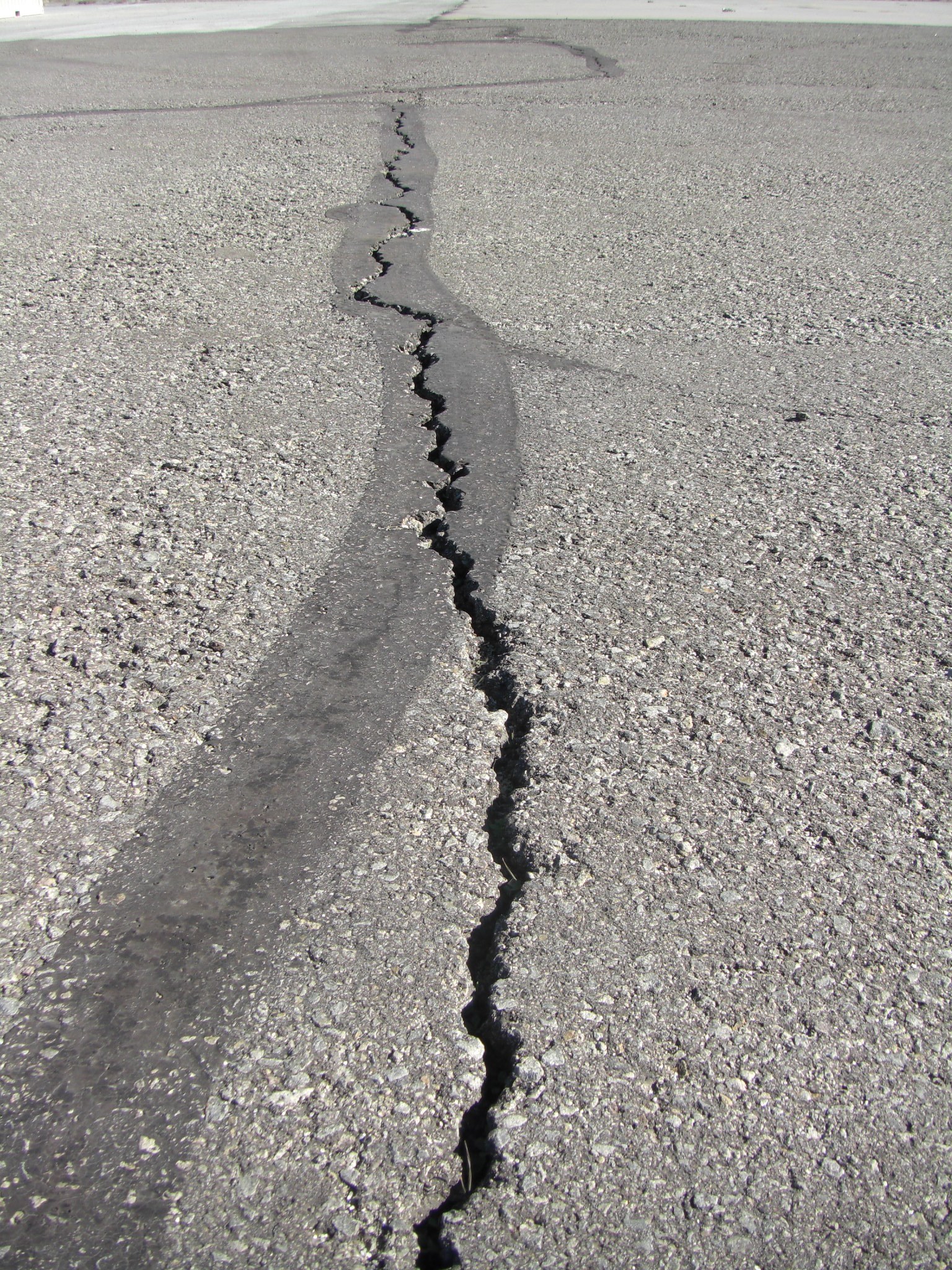
What most likely caused this crack in the road?

1

Tectonic Shift

2

Acid Rain

3

Ice Wedging

4

Root Wedging

59

Multiple Choice

Does weathering and erosion happen quickly?

1

Yes

2

No

60

Multiple Choice

Question image

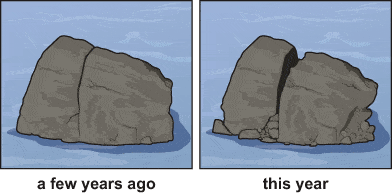
What most likely caused this rock to change?

1

Water got into the crack and froze many times

2

Wind quickly blew sand into the crack

3

sunlight made the rock get hot and burst

4

a karate chop (don't pick this)

61

Multiple Choice

What is deposition?

1

Large pieces of rocks are carried by by animals

2

Rocks stay attached to cliffs, without moving.

3

Small weathered material, like rocks and soil, that have built up on land forms.

62

Multiple Choice

Question image

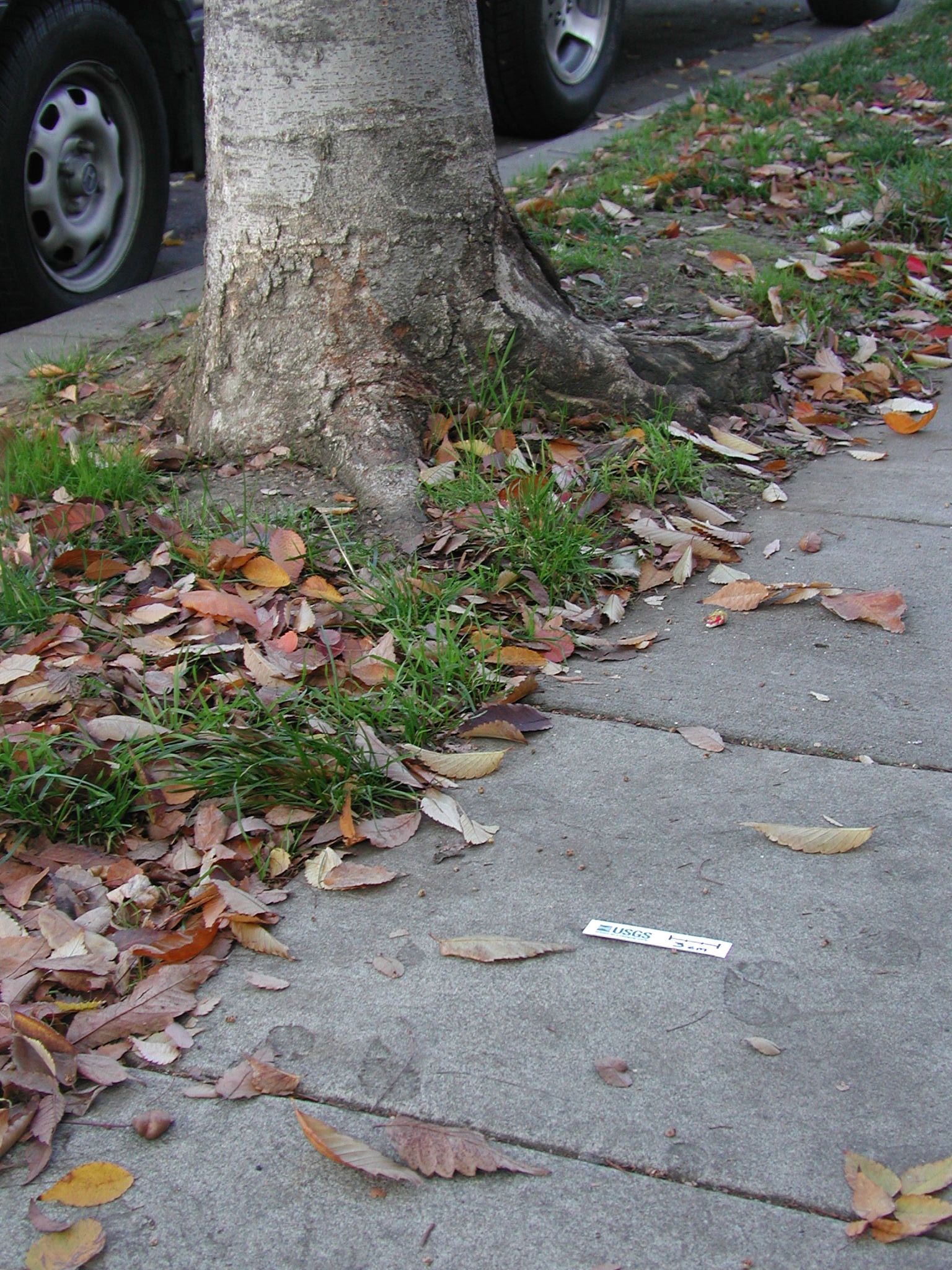
What will happen to this sidewalk if the tree continues to grow?

1

The roots will grow away from the sidewalk

2

The roots will grow and break the sidewalk into pieces.

3

The roots will stop growing

63

Multiple Choice

Question image

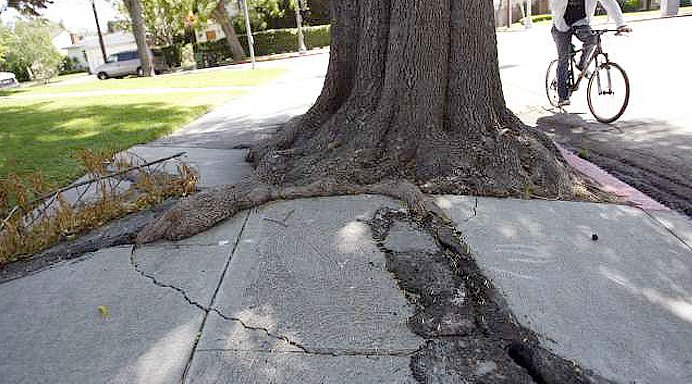
What is destroying this sidewalk?

1

Plant Splitting

2

Ice Wedging

3

Ground Breaking

4

Root Wedging

64

Multiple Choice

Question image

What type of weathering is this?

1

Ice

2

water

3

Wind

4

Living Things

65

Poll

How do you Evaluate your learning about this chapter?

66

Open Ended

Question image

What are the points you still need help to understand

ما النقاط التي لازلتي تحتاجين لمساعدة حتى تتمكنين من فهمها

G7 - Chapter 11 Final Revision

11.1 Plate Tectonics

11.3 Weathering, Erosion, and Deposition

Slide image

Show answer

Auto Play

Slide 1 / 66

SLIDE