using enzyme
Presentation
•
Biology
•
7th Grade
•
Medium

supper teacher
Used 17+ times
FREE Resource
8 Slides • 23 Questions
1
by hanan khalil
2
3
​
4
Multiple Choice
5
Multiple Choice
6
Multiple Choice
7
Multiple Choice
8
Multiple Choice
9
Multiple Choice
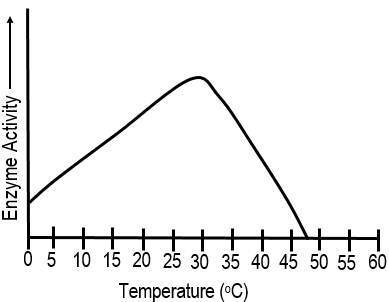
What are the enzymes called when they are at high temperature or extreme pH?
denatured
Killed
inactive
normal
10
Multiple Choice
11
Multiple Choice
12
Multiple Choice
13
Multiple Choice
14
Multiple Choice
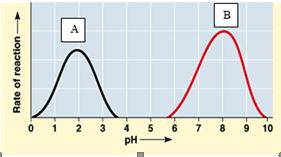
Cells can only work if their enzymes are functioning. What can you infer from the graph?
Cells function best at low pH values
Cells function fine at all pH values
Cells function best at high pH values
Cells do not function well if the pH is too high or too low
15
Multiple Choice
What is the optimal pH of enzyme A?
8
2
5.7-10
10
16
Multiple Choice
What is the optimal pH of enzyme B?
8
2
5.7-10
10
17
18
Multiple Choice
19
Multiple Choice
20
​
21
Multiple Choice
FATS---->FATTY ACIDS/GLYCEROL
22
Multiple Choice
What is the role of digestive enzymes?
To absorb nutrients into the blood
To absorb excess water from food that has not been digested
To break down large, insoluble molecules into smaller, soluble molecules
To synthesise larger molecules from the food we eat
23
Multiple Choice
24
Multiple Choice
What does bile do to fat?
emulsifies it into small droplets
decreases the surface area by emulsification
Breaks it down to fatty acids
creates a more acidic pH
25
Multiple Choice
Why does bile help fat digestion?
It provides acidic conditions for lipase
It increases the temperature by respiration
It produces a larger surface area for lipase to work on
It kills harmful bacteria
26
​
27
Multiple Select
Tick all that are true regarding the naming of enzyme.
name after its product
name after its substrate
usually ends with -ase
name after the scientist
28
Fill in the Blanks
A mechanism that represent the work of enzyme is called as
Type answer...
29
Multiple Select
Tick all that apply to the lock and key mechanism.
substrate acts as the key
active site of enzyme act as the lock
each enzyme can only work with a particular substrate
enzyme remain unchanged after the reaction
30
31
by hanan khalil
Show answer
Auto Play
Slide 1 / 31
SLIDE

Similar Resources on Wayground
24 questions
7th grade math review
Presentation
•
7th Grade
24 questions
World Wide Web
Presentation
•
7th Grade
24 questions
Tax, Tip, Discount
Presentation
•
7th Grade
25 questions
Local Winds
Presentation
•
7th Grade
26 questions
Cell Division
Presentation
•
7th Grade
26 questions
Genotype & Phenotype
Presentation
•
8th Grade
24 questions
Electric Circuits
Presentation
•
7th Grade
24 questions
Scaling with Proportions
Presentation
•
7th Grade
Popular Resources on Wayground
21 questions
Continents and Oceans
Quiz
•
6th Grade
20 questions
Parts of Speech
Quiz
•
5th Grade
16 questions
Subject & Predicate
Quiz
•
5th Grade
25 questions
Multiplication Facts
Quiz
•
5th Grade
12 questions
Map Skills
Quiz
•
3rd Grade
22 questions
Continents and Oceans
Quiz
•
5th Grade
15 questions
Rounding Decimals
Quiz
•
5th Grade
20 questions
Brand Labels
Quiz
•
5th - 12th Grade
Discover more resources for Biology
10 questions
Exploring the Phases of Mitosis and Cell Division
Interactive video
•
6th - 10th Grade
18 questions
Cell theory & Scientists
Quiz
•
7th Grade
14 questions
Autosomal Pedigree
Quiz
•
7th Grade
20 questions
Levels of Organization in Living Things
Quiz
•
7th Grade
25 questions
Cell Transport
Quiz
•
KG - University
26 questions
Genetics vocab
Presentation
•
6th - 8th Grade
15 questions
U1 CFA Most Missed
Quiz
•
7th Grade
10 questions
Exploring Cell Membrane Transport Mechanisms
Interactive video
•
6th - 10th Grade