Search Header Logo
Osmosis Lesson

Osmosis Lesson

Assessment

Presentation

Biology

9th Grade

Medium

NGSS
HS-LS1-3, MS-LS1-2, HS-LS2-3

Standards-aligned

Created by

Nancy Stockton

Used 8+ times

FREE Resource

17 Slides • 17 Questions

1

Types of Cell Transport:

Osmosis

media

2

3

media
media

4

media
media

5

Multiple Choice

Passive transport requires no
1
concentration gradients
2
osmosis
3
motion
4
energy

6

Multiple Choice

Question image
Where is there a low concentration of perfume?
1
in the bottle
2
on the hand
3
in the room
4
in the top

7

Multiple Choice

Question image
Where is there a high concentration of water?
1
in the flower
2
cannot be determined by picture.
3
in the vase
4
in the leaves

8

media

9

Multiple Choice

How long does diffusion last?

1

Until the concentration of particles in the system is equal

2

Until a region in the system has a smaller concentration of particles than the other

3

Until a region in the system has a greater concentration of particles than the other

4

Until the particles disappear from the system

10

Multiple Choice

Question image
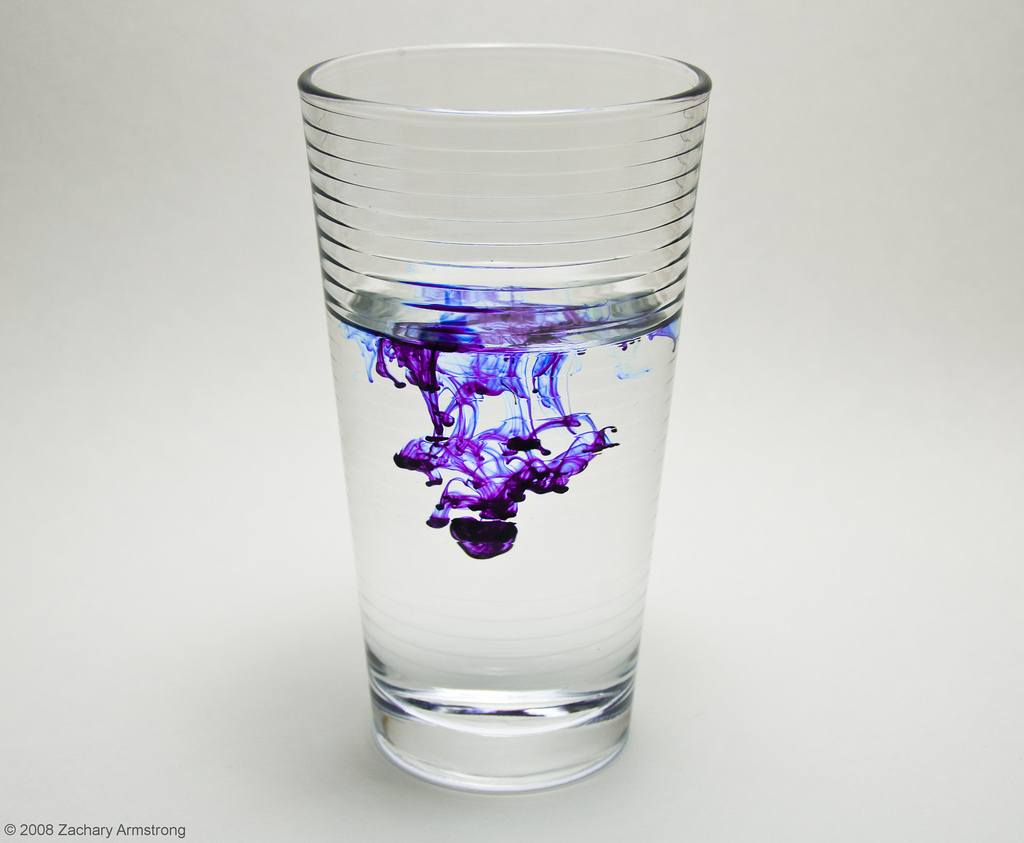
Where is there a low concentration of dye?
1
at the bottom of cup
2
in the color
3
at the top of cup 
4
no concenteraion gradient

11

media

12

Multiple Choice

Question image
The picture below is an example of _________________.
1
osmosis
2
isotonic
3
diffusion
4
active transport

13

Multiple Choice

Question image
_______ regulates what enters and leaves a cell.  
1
Cell Membrane
2
Nucleus
3
Mitochondria
4
Cytoplasm

14

media
media

15

Multiple Choice

Osmosis is the movement of _____ across a membrane.
1
food
2
energy
3
oxygen
4
water

16

media
media

17

Multiple Choice

During osmosis
1
water moves from high to low concentration
2
large or oddly shaped molecules move across a cell membrane
3
water moves when energy is used
4
proteins are built

18

Multiple Choice

Question image
What is the definition of  Selective Permeability?
1
The movement of materials across the cell membrane that requires NO ENERGY from the cell.
2
The movement of materials through (or across) the cell membrane
3
The ability of the cell membrane to allow some things to pass through while preventing other things from passing through.
4
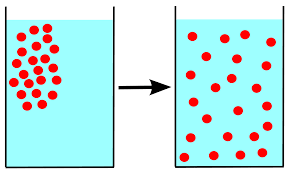
The movement of molecules from an area of high concentration to a area of low concentration 

19

media

20

media

21

Multiple Choice

When both inside and outside of a cell have the same amount of water it is said that the cell has reached a state of
1
Osmosis
2
Diffusion
3
Equilibrium

22

Multiple Choice

Ideally, your cells should be in a(n) _______ solution
1
Hypertonic
2
Hypotonic
3
Isotonic
4
Cola

23

media

24

Multiple Choice

An animal cell placed in a hypertonic (salty) solution will
1
Shrink
2
Swell
3
Stay the same

25

Multiple Choice

Why can't you drink salt water?

1

It's hypertonic to your cells

2

It's hypotonic to your cells

3

It's isotonic to your cells

4

It's paratonic to your cells

26

media

27

Multiple Choice

Question image

If the dots represent sugar which is more concentrated

1

Inside the cell

2

Outside the cell

3

Neither they are equal (equilibrium)

28

media

29

Multiple Choice

Question image

If the dots represent sugar, what direction will water flow?

1

Into the cell

2

Out of the cell

3

Into and out equally (equilibrium)

30

media

31

media

32

media

33

Multiple Choice

A person should never drink salty water because their cells would
1
shrink
2
expand

34

media

Types of Cell Transport:

Osmosis

media

Show answer

Auto Play

Slide 1 / 34

SLIDE