Search Header Logo
review

review

Assessment

Presentation

Biology

11th Grade

Hard

Created by

Aysa Mahoney

FREE Resource

15 Slides • 157 Questions

1

Multiple Choice

If a laboratory fire erupts, immediately _________.

1

Run for the fire extinguisher.

2

Notify your instructor.

3

Throw water on the fire.

4

Open the windows.

2

Multiple Choice

Question image
A microscope is an instrument that.
1

makes faraway objects look closer.

2

makes small objects appear larger.

3

decreases the size of small objects.

4

increases the size of small objects.

3

4

Multiple Choice

Question image

Use these digits to make the latest time in the day on a 24-hour clock.

1

10:58

2

01:58

3

18:50

4

18:05

5

Multiple Choice

Convert 8:45pm to 24-hour time.

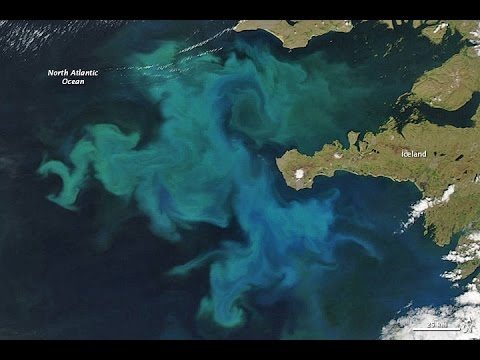
1

20:00

2

21:45

3

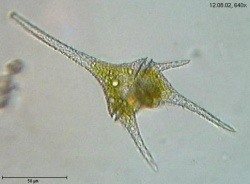
20:45

4

8:45pm

6

Multiple Choice

What is 09 30 in 12 hour time format?

1

9.00 am

2

9.00 pm

3

9.30 am

4

9.30 pm

7

Multiple Choice

Question image

What time is it?

1

It is eight ten.

2

It is ten to eight.

3

it is ten past eight.

4

A and C are correct.

8

media

9

Qualitative and Quantitative Observations

Watch the Edpuzzle: Qualitative vs Quantitative before answering the following questions. This is for a grade.

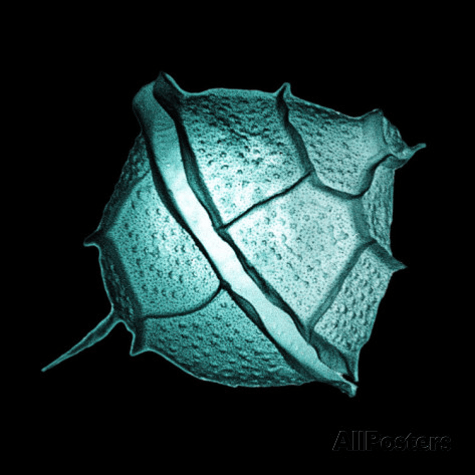
media

10

Variables

Independent, Dependent and Control

media

11

media

12

media

13

media
media

​this zone is also called the sunlight zone with a dept ranging from 0-200 meters. There is ample light, photosynthesis also takes place in this zone.

​The Epipelagic ZOne

​Coral Reefs, Sea turtles, parrotfish, the Potugese man of war, and million of the other organisms inhabit this zone.

​​Key Facts:

14

media
media

​this zone is also called twilight zone and it lies 200 to 1,000 meters. this zone is cold and dimly lit. Many species produce their own light through biochemical process known as bioluminescence.

​mesopelagic

​cutterfish, opah, chain catsharks, and many other organisms inhabit this zone.

​key facts

15

media
media

​this si commonly known as midnight zone is fund between 1,000 to 4,000 meters below the surface of the ocean. No photosynthetic organisms cna be found there due to sunlight not reaching this zone.

​bathypelagic zone

​This zone has intense pressure, is dark, cold. Most of the fish living in this zone are black or red in color to defend themselves from predators in the zone above.

Dumbo Octopus, anglerfish, viperfish​

​​Subheader

16

media
media

​the water along the seafloor of this zone is devoid (lacking) of oxygen resulting in organisms falling into a death trap

​The abyss

​This region of the ocean also contains a much higher concentration of nutrient salts like nitrogen, phosphorus, and silica due to large amunts of dead material

Anemone, deep-sea shrimp, and cusk eel ​

​​Subheader

17

media
media

​also known as the Trenches and named afteer Hades, The Greek God of the Underworld. This zone is the deepest of the region ranging from 6,000-11,000 meters and exists in a long narrow V-Shaped trenches,

​​HAdopelagic Zone

​The few organisms that are able to survice in this region like tiny-flea crustaceans called amphipods, tubeworms

​Key facts

18

media

19

Multiple Choice

These are animal like plankton

1

diatoms

2

phytoplankton

3

zooplankton

20

Multiple Choice

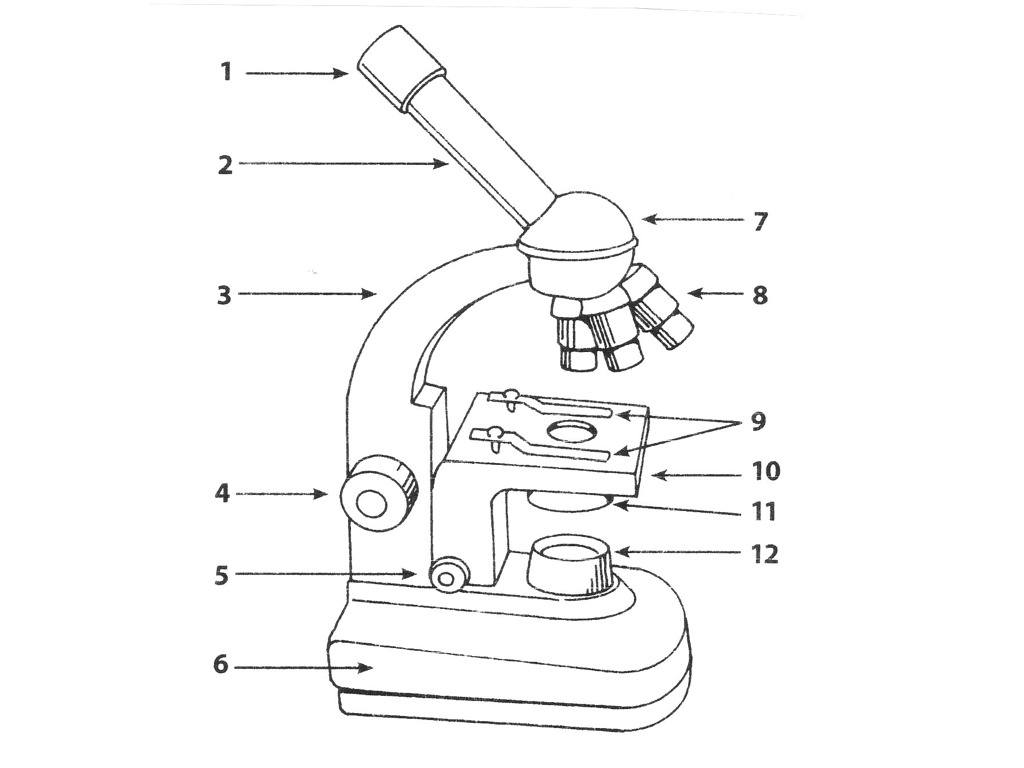
What are tiny organisms that float near the surface of the water?
1
plankton
2
organisms
3
abiotic factor
4
insects

21

Multiple Choice

Corals are types of __________________.

1

plants

2

rocks

3

animals

4

algae

22

Multiple Choice

Question image

What type of reef?cnidarian

1

Fringing reef

2

Coral Cay

3

Platform reef

4

Atoll

23

Multiple Choice

Question image
What is the translation of the Phylum Porifera?
1
Stinging cells
2
Filter feeders
3
Soft bodied
4
Pore bearing

24

Multiple Choice

The formal name for seaweed; multicellular algaeoc

1

seagrass

2

thallaus

3

macroalgae

4

microalgae

25

Multiple Choice

Question image

What zone can plants grow in?

1

Twilight Zone

2

Sunlight Zone

3

Midnight Zone

26

Multiple Choice

Which kingdoms are in domain Eukarya?

1

Archaeabactera and Eubacteria

2

Plant and Animal

3

Protist and Fungi

4

Plant, Animal, Protist and Fungi

27

​Producers

​Organisms that can make food are very important in the ecosystem. They can produce food for themselves, and the others that eat them.

media

28

Multiple Choice

These protists can photosynthesize, move using a flagella, and consume food like an animal

1

amoeboid protists

2

plant-like protists

3

plankton

4

euglenoids

29

Multiple Choice

These tiny organisms float near the ocean's surface

1

microsporidians

2

plant-like protists

3

euglenoids

4

plankton

30

Multiple Choice

You are heating a substance in a test tube. Always point the open end of the test tube ________.

1

Toward yourself.

2

Toward your lab partner.

3

Toward another classmate.

4

Away from all people.

31

Multiple Choice

Question image

Coral are almost all ANIMALS!

1

True

2

False

32

Multiple Choice

Question image

the stem-like portion of then of seaweeds

1

thallus

2

blade

3

stipe

4

pneumatocyst

5

holdfast

33

Multiple Choice

Question image

What do coral use to get nutrients?

1

They use other small ocean animals to get nutrients!

2

They use ocean plants like algae and phytoplankton

to get nutrients!

3

They use sand to get nutrients!

34

Multiple Choice

Question image
Specialized feeding cells of a sponge
1
Gonads
2
Nematocysts
3
Spongin 
4
Choanocytes

35

Multiple Choice

Question image

What is often called seaweed?

1

Kelp

2

Algae

3

Phytoplankton

4

Sea anemone

36

Multiple Choice

the root-like portion of the seaweed

1

thallus

2

pneumatocyst

3

stipe

4

holdfast

5

blades

37

Multiple Choice

Question image

Only the clown fish is immune to the stings of the __________________

1

Sea anemone

2

Coral

3

Phytoplankton

4

Waterwheel Plant

38

Multiple Choice

Question image

What type of reef?

1

Fringing reef

2

Coral Cay

3

Platform reef

4

Atoll

39

Multiple Choice

Which marine plants are carnivorous in nature?

1

Waterwheel Plants

2

Sea anemone

3

Coral

4

Kelp

40

Multiple Choice

pneomatocysts

1

root-like structure of seaweeds

2

leaf-like structure of seaweeds

3

stem-like structure of seaweeds

4

gas-filled bladders that sometimes keep their blades close to the sea surface

41

Multiple Choice

Question image

Marine plants and algae provide much of the world’s oxygen supply and take in huge amounts of carbon dioxide

1

True

2

False

42

Multiple Choice

Question image
Specialized feeding cells of a sponge
1
Gonads
2
Nematocysts
3
Spongin 
4
Choanocytes

43

Multiple Select

Question image

What does kelp provide for a lot of sea creatures? Choose all correct answer.

1

Shelter

2

Food

3

sand

4

soil

44

Multiple Choice

Question image
1

stipe

2

blade

3

holdfast

4

pneumatocyst

45

Multiple Choice

Question image

What's its name?

1

Coral

2

Red algae

3

Sea anemone

4

Kelp

46

Multiple Choice

Algae are ______________.

1

the skeleton of corals

2

dead corals

3

young corals

4

food for corals

47

Multiple Choice

What is the most important plants in the marine food chain?

1

Phytoplankton

2

Coral

3

Sea anemon

48

Multiple Choice

Question image

body of seaweed

1

stipe

2

macroalgae

3

thallus

4

blade

49

Multiple Choice

Question image

Why can marine plants live in the sunlight zone?

1

Because sunlight zone is freezing and dark

2

Because sunlight zone has light and heat

3

Because sunlight zone is the smallest zone

50

Multiple Choice

Question image
Hard fibers that provide a sponge structural support
1
Spicules
2
Bones
3
Cartilage
4
Ossicles

51

Multiple Choice

Question image
What is the term used to describe a sudden increase in phytoplankton growth? 
1
A Spring
2
A Migration
3
A Bloom
4
A Flower

52

Multiple Choice

Question image

What type of reef?

1

Barrier reef

2

Coral Cay

3

Platform reef

4

Atoll

53

Multiple Choice

Question image

What is one reason that phytoplankton are important?

1

they clean the water

2

they make oxygen

3

they are drifting animals

4

they make the water warmer

54

Multiple Choice

Question image
Attached to one spot their entire adult life is referred to as
1
Stuck
2
Medusa
3
Bipinnaria
4
Sessile

55

Multiple Choice

Which of the following phytoplankton are able to move using flagella?

1

Dinoflagellate

2

Diatoms

3

Coccolithophores

4

Cyanobacteria

56

Multiple Choice

Question image

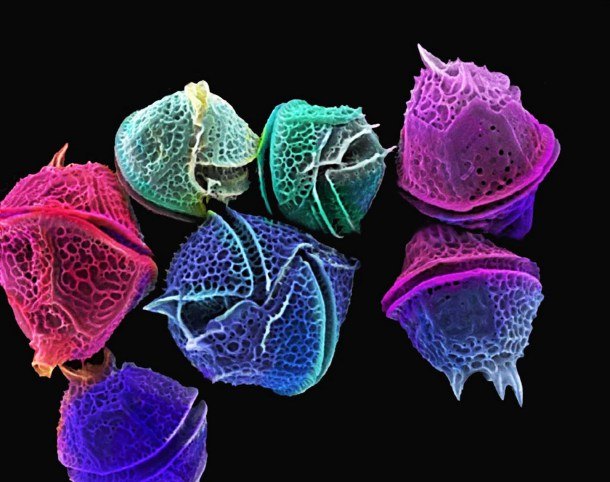
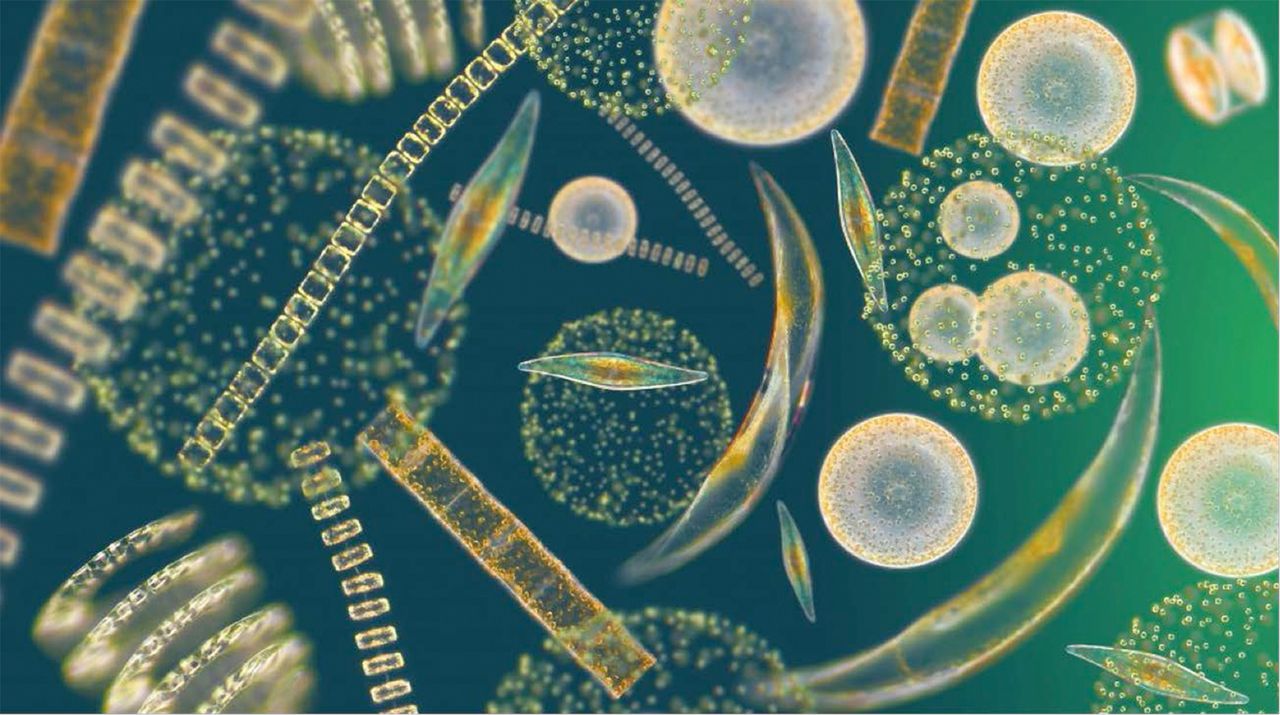
What organism(s) are pictured here?

1

Diatom

2

Dinoflagellate

3

Zooplankton

4

Nekton

57

Multiple Choice

How are seaweed classified or sorted in to groups?

1

By their pigment

2

By their length

3

By the water they are found in

4

By their toxins

58

Multiple Choice

Question image
Sponges are:
1
Unicellular & prokaryotic
2
Multicellular & eukaryotic
3
Unicellular & eukaryotic
4
Multicellular & prokaryotic

59

Multiple Choice

Which seaweed can withstand the least amount of light and can grow the deepest?

1

red

2

brown

3

green

4

blue

60

Multiple Choice

Question image

What type of reef?

1

Barrier reef

2

Coral Cay

3

Platform reef

4

Atoll

61

Multiple Choice

Question image

Why are floats/bladders important for seaweed?

1

float closer to the sun to create shade

2

float closer to the sun to capture prey

3

float closer to the surface to collect oxygen

4

float closer to the sun for photosynthesis

62

Multiple Choice

Question image
Sponges have this type of symmetry
1
Unilateral
2
Bilateral
3
Radial
4
Asymmetric

63

Multiple Choice

Which type of algae has red pigment?

1

Chlorophyta

2

Phaeophyta

3

Rhodophyta

4

Merophyta

64

Multiple Choice

Sea fans are an example of _____________.

1

soft corals

2

hard corals

3

atolls

4

lagoons

65

Multiple Choice

Which type of Algae has green pigments?

1

Chlorophyta

2

Phaeophyta

3

Rhodophyta

4

Merophyta

66

Multiple Choice

Question image
The immature stage of an organism
1
Larva
2
Nekton
3
Benthic
4
Sessile

67

Multiple Choice

Whyich type of algae has brown/yellow pigments?

1

Chlorophyta

2

Phaeophyta

3

Rhodophyta

4

Merophyta

68

Multiple Choice

Question image

What type of reef?

1

Barrier reef

2

Coral Cay

3

Platform reef

4

Fringing reef

69

Multiple Choice

Why is phytoplankton/seaweed/kelp important to humans?

1

food

2

byproducts are used in food

3

skeltons are fossil fuel - oil and gas

4

process CO2 and create O2

5

All of the above

70

Multiple Choice

Which is NOT a Cnidarian?
1
Jellyfish
2
Anemones
3
Sea Urchin
4
Corals

71

Multiple Choice

Which products contains seaweed?

1

cosmetics

2

dairy products - icecream, processed cheeses, yogurts

3

fertilizers

4

toothpaste, shampoos, etc.

5

All of these

72

Multiple Choice

These plankton can make their own food.

1

zooplankton

2

copepods

3

crab larvae

4

phytoplankton

73

Multiple Choice

Question image

A is the __.

1

thallus

2

holdfast

3

bladder/pneumatocyst

4

blade

5

stipe

74

Multiple Choice

Question image
Stinging cells of a Cnidarian are called:
1
Collar cells
2
Choanocytes
3
Cnidocytes
4
Gonads

75

Multiple Choice

Question image

B is the __.

1

thallus

2

holdfast

3

bladder/pneumatocyst

4

blade

5

stipe

76

Multiple Choice

Question image

What type of reef?

1

Barrier reef

2

Coral Cay

3

Platform reef

4

Fringing reef

77

Multiple Choice

Question image

C is the __.

1

thallus

2

holdfast

3

bladder/pneumatocyst

4

blade

5

stipe

78

Multiple Choice

Question image
Cnidarians have which type of symmetry?
1
Unilateral 
2
Bilateral
3
Radial
4
Asymmetric

79

Multiple Choice

Question image

E is the __.

1

thallus

2

holdfast

3

bladder/pneumatocyst

4

blade

5

stipe

80

Multiple Choice

Most coral reefs are ______________.

1

in warm water near the shore

2

in warm areas away from the shore

3

in cold areas near the shore

4

in cold areas away from the shore

81

Multiple Choice

green pigment

1

fucoxanthin

2

chlorophyll

3

carotenoids

4

phycoblins

82

Multiple Choice

Question image
Anemones and Corals are in which kingdom?
1
Protista
2
Cubozoa
3
Animalia
4
Cnidaria

83

Multiple Choice

brown pigment

1

fucoxanthin

2

chlorophyll

3

carotenoids

4

phycoblins

84

Multiple Choice

Question image

What type of reef?

1

Barrier reef

2

Coral Cay

3

Platform reef

4

Fringing reef

85

Multiple Choice

red pigment

1

fucoxanthin

2

chlorophyll

3

carotenoids

4

phycoblins

86

Multiple Choice

Question image
True jellies have cells that act as eyespots which detect light called:
1
Ocelli
2
Statocysts
3
Osculum
4
Cnidocytes

87

Multiple Choice

Question image
What do dinoflagellates use to move?
1
cilia
2
1 flagella
3
2 flagella
4
spines

88

Multiple Choice

Question image

What organism(s) are pictured here?

1

Diatoms

2

Dinoflagellates

3

Zooplankton

4

Nekton

89

Multiple Choice

What are Plankton?
1
They are small plants and animals.
2
They are any plants or animals that drift with the currents of the ocean.
3
They are only microscopic animals.
4
They are only microscopic plants.

90

Multiple Choice

Question image
Corals have a mutualistic relationship with a dinoflagellate called:
1
Ocelli
2
Zooxanthellae
3
Sponges
4
Diatom

91

Multiple Choice

Question image
Largest of the algae. The_______ grows to up to _______.
1
bull kelp, 6'
2
sea lettuce, 100'
3
giant kelp, 300'
4
Japanese kelp, 6'

92

Multiple Choice

Question image

What type of reef?

1

Barrier reef

2

Coral Cay

3

Platform reef

4

Fringing reef

93

Multiple Choice

Question image
Dinoflagellates can cause __________ which is toxic to fish, shellfish and humans.
1
Green TIde
2
Red Tide
3
Malaria
4
Algal Bloom

94

Multiple Choice

What is an organism called that can produce both sperm and eggs?
1
Gemmule
2
Choanocyte
3
Hermaphrodite
4
Asexual

95

Multiple Choice

Why must algae be near the surface of the water?

1

They need to be in cold water.

2

They need to live far from corals.

3

They need sunlight to grow.

4

They need reefs to hide in.

96

Multiple Choice

Question image
Biological development which encompasses a larval stage that undergoes a metamorphic transition into a juvenile
1
Indirect development
2
Direct development
3
Zygote 
4
Asexual reproduction

97

Multiple Choice

Question image

What type of reef?

1

Barrier reef

2

Coral Cay

3

Platform reef

4

Fringing reef

98

Multiple Choice

Question image

Plankton that spend only part of their larval stages as plankton

1

Partial plankton

2

Meroplankton

3

Holoplankton

4

Phytoplankton

99

Let's Learn About the Different Types of Variables in a Science Experiment

media

100

Multiple Choice

Question image
When damage occurs to the reef, coral polyps die or expel their algal cells, causing the colony to take on a stark white appearance
1
Pollution
2
Acidification
3
Bleaching
4
Drying

101

Multiple Choice

Question image

What type of reef?

1

Barrier reef

2

Coral Cay

3

Platform reef

4

Fringing reef

102

Multiple Choice

Question image
Which corals are the reef builders?
1
Hard
2
Soft
3
Sponges
4
Anemones

103

Multiple Choice

Which type of coral reefs form closest to the shore?

1

barrier reefs

2

fringing reefs

3

lagoons

4

atolls

104

Multiple Choice

Some Cnidarians can reproduce asexually by:
1
Expelling gametes
2
Internal fertilization
3
External fertiliztion
4
Budding

105

Multiple Choice

Which is a kind of phytoplankton?
1
 lion’s mane jellyfish
2
sea butterfly 
3
algae
4
copepod 

106

Multiple Choice

Question image
This type of reef forms in shallow, warm waters along the coastline on the continental shelf:
1
Atoll
2
Fringing
3
Barrier
4
Artificial 

107

Multiple Choice

Reefs that have deep water between the shore and the reef are ________________.

1

atolls

2

lagoons

3

fringing reefs

4

barrier reefs

108

Multiple Choice

These animals that are top predators in a coral reef, are being slaughtered at an alarming rate to be used for soup
1
Corals
2
Jellies
3
Sharks
4
Dolphins 

109

Multiple Choice

These zooplankton live only their early lives as plankton then grow to live as benthos or nekton.

1

meroplankton

2

holoplankton

3

funny plankton

110

Multiple Choice

Question image
The process in which the uptake of anthropogenic CO2 emissions into the ocean is compromising the integrity of coral reef limestone base structure is called:
1
Emulsification
2
Ocean Acidification
3
Basic
4
Zooxanthellae

111

Multiple Choice

What is causing Earth's air and water to get warmer?

1

people leaving trash in the oceans

2

too much algae near the reefs

3

coral reefs form too close to the shore

4

people burning coal, oil, and gas

112

Multiple Choice

Question image
Plankton that uses photosynthesis:
1
Phytoplankton
2
Zooplankton

113

Multiple Choice

Which of the following is an example of coral reefs being fragile?

1

an eel hiding in a hole of a coral reef

2

a boat breaking off a piece of coral reef

3

a golden butterflyfish living near a coral reef

4

a lobster feeding near a coral reef

114

Multiple Choice

The Candy was sour.

1

Qualitative

2

Quantitative

115

Multiple Choice

Which of the following is a way to protect coral reefs?

1

use poison and explosives to fish

2

follow laws and rules to keep reefs safe

3

keep them safe from storms and floods

4

eat more fish that try to live in corals

116

Multiple Choice

Question image
Dinoflagellates can cause __________ which is toxic to fish, shellfish and humans.
1
Green TIde
2
Red Tide
3
Malaria
4
Algal Bloom

117

Multiple Choice

These zooplankton spend their whole lives as plankton.

1

meroplankton

2

Spongebob

3

holoplankton

118

Multiple Choice

Question image
Phytoplankton are grouped in what Kingdom?
1
Monera
2
Protista
3
Plantae
4
Animalia

119

https://www.youtube.com/watch?v=0A55QRyJHPM

120

Multiple Choice

Question image
Zooplankton are grouped into which kingdom?
1
Monera
2
Protista
3
Plantae
4
Animalia

121

Multiple Choice

Question image
If you move the slide left while viewing, in which direction will it appear to move?
1
right 
2
left
3
up 
4
down

122

Multiple Choice

Question image
What do dinoflagellates use to move?
1
cilia
2
1 flagella
3
2 flagella
4
spines

123

Multiple Choice

Question image

What is the independent variable?

1

Things you keep the same- they do not change

2

What you observe or measure

3

What you decide to change in an experiment

124

Multiple Choice

Which best describes the source of oxygen in ocean water?
1
Oxygen is produced by marine plants in the process of making food.
2

Oxygen is produced through the exhalations of marine animals.
3

Oxygen is produced through precipitation falling on the ocean.
4
Oxygen is produced by nodules on the ocean floor.

125

Multiple Choice

The bug was 5 cm long.

1

Qualitative

2

Quantitative

126

Multiple Choice

Question image

What is the dependent variable?

1

Things you keep the same- they do not change

2

What you observe or measure

3

What you decide to change in an experiment

127

Multiple Choice

Personal eyeglasses provide as much protection as ________.

1

A face shield.

2

Safety goggles/glasses.

3

Splash proof chemical goggles.

4

None of these.

128

Multiple Choice

Question image

What is the control?

1

Things you keep the same- they do not change

2

What you observe or measure

3

What you decide to change in an experiment

129

Multiple Choice

The flower is red.

1

Qualitative

2

Quantitative

130

Fill in the Blank

Question image

The amount of water we would give to the flowers would be the _________________ variable.

131

Multiple Choice

Question image
If your teacher asks you to move a microscope to table, how do you carry it?
1
by the body tube and the eyepiece
2
with one hand
3
one hand on the arm and the other under the base
4
with one hand on the base and the other on the eyepiece.

132

Fill in the Blank

Question image

How much the flowers grow would be the __________________ variable.

133

Multiple Choice

The mass of the beaker was 122 g.

1

Qualitative

2

Quantitative

134

Fill in the Blank

Question image

The type of flower, the amount of light and the type of soil are the ______________.

135

Multiple Choice

The following footwear is required in the lab ________.

1

Sandals.

2

Open-toe shoes.

3

Closed-toe shoes.

4

Shoes appropriate for the weather.

136

Multiple Choice

Question image

Good science only changes one independent variable at a time.

1

True

2

False

137

Multiple Choice

My fingernail is 2 cm long.

1

Qualitative

2

Quantitative

138

Multiple Choice

Question image
Which part of the microscope controls the amount of light available?
1

coarse focus

2
diaphragm
3
objective lens
4
revolving nosepiece

139

Multiple Choice

The slug was slimy.

1

Qualitative

2

Quantitative

140

Multiple Choice

True or False:

Return all unused chemicals to their original containers.

1

True

2

False

141

Multiple Choice

The milk smells sour.

1

Qualitative

2

Quantitative

142

Multiple Choice

Question image
Which part lets you turn up the power of magnification, such increasing from 40x to 100x?
1
coarse adjustment knob
2
diaphragm
3
field-of-view
4
revolving nosepiece

143

Multiple Choice

She is 150 cm tall.

1

Qualitative

2

Quantitative

144

Multiple Choice

True or False:

Chipped or cracked glassware is ok to use.

1

True

2

False

145

Multiple Choice

There are 5 windows in the classroom.

1

Qualitative

2

Quantitative

146

Multiple Choice

Question image
What is part 1?
1

eye piece/ocular lens

2
body tube
3
arm
4
coarse adjust

147

Multiple Choice

When should accidents be reported to the teacher?
1
if the injury is minor, it doesn't need to be reported
2
immediately, no matter how small
3
at the end of class 

148

Multiple Choice

Question image
What part is 3?
1
eye piece
2
base
3
arm 
4

coarse focus

149

Multiple Choice

Question image
In what condition should the work areas should be kept? 
1
As messy as you like - mess equals creativity.
2
Clean and tidy at all times
3
Clean and tidy if there is time, if not the next group will clean up.
4
With all your books, laptops and art materials on them, in case they are needed.

150

Multiple Choice

Question image
What part is 5?
1

coarse focus

2

fine focus

3
diaphragm
4
stage

151

Multiple Choice

When smelling a chemical, you should hold it away from your face and ____ the air toward your nose!

1

waft

2

drink

3

clean

4

fire

152

Multiple Choice

Question image
What is part 2?
1
arm
2
base
3
body tube
4
illuminator

153

Multiple Choice

You should never ____ anything in the science lab without permission.

1

drink

2

equipment

3

read

4

fire

154

Multiple Choice

Question image
What is part 11?
1

coarse focus

2
fine adjustment
3
diaphragm
4
stage

155

Multiple Choice

Question image

When should you tie back long hair or baggy clothing?

1

When working with chemicals

2

When working with a Bunsen burner

3

When doing dissections.

4

Any time you are working in the lab.

156

Multiple Choice

The greater the ___________________, the smaller the field you are actually viewing.

1

detail

2

objective

3

magnification

4

body

157

Multiple Choice

Question image
I must follow all instructions, written and verbal, about the laboratory procedures given by the teacher.
1
True
2
False

158

Multiple Choice

Moves stage up and down for focusing; locates the specimen

1

Fine Focus Knob

2

Large Focus Knob

3

Course Focus Knob

4

Small Focus Knob

159

Multiple Choice

Question image

I will perform only those activities that have been authorized by the instructor.

1

True

2

False

160

Multiple Choice

What will be the total magnification if ocular lens is 10X and objective lens is 4X?
1
4X
2
40X
3
10X
4
100X

161

Multiple Choice

You should never ______ chemicals in the lab. 
1
taste
2
touch
3
smell
4
all of the above

162

Multiple Choice

What will be the total magnification if the ocular lens is 10X and the objective lens is 40X?
1
40X
2
10X
3
100X
4
400X

163

Multiple Choice

If you are not sure what to do during a lab activity:
1
guess
2
change lab partners
3
ask a teacher
4
just sit quietly and do nothing

164

Multiple Choice

Lets light pass through an object and then through two or more lenses
1
Binocular Microscope
2
Compound Microscope
3
Electron Microscope
4
Simple Microscope

165

Multiple Choice

Disrupting other students in the laboratory with horseplay in the lab is:
1
helpful.
2
allowed
3
dangerous.
4
the quickest way to do a job.

166

Multiple Choice

Which objective lens should you start on to locate an image?

1

scanning power

2

low power

3

high power

167

Multiple Choice

What is the most important rule to follow in a science lab?
1
tie hair back
2
wear goggles
3
follow directions
4
get started right away

168

Multiple Choice

Question image

What piece contains a high-power magnifying lens (40x)?

1

HIgh-power Objective

2

Eyepiece

3

Low-power Objective

4

Stage

169

Multiple Choice

When you walk into the science lab, you see the experiment set up at your table. You should:
1
Start the experiment.
2
Pick up each of the pieces of equipment.
3
Wait for the teacher's directions.
4
Walk around the lab to see other experiment set-ups.

170

Multiple Choice

True of False: If the coarse and fine focus knobs are not turning, you should force them to turn.

1

True

2

False

171

Multiple Choice

True of False: You should always store microscopes covered.

1

True

2

False

172

Multiple Choice

Question image

My second favorite holiday is _______________. Halloween is my first.

1

Christmas

2

Thanksgiving

3

Fourth of July

4

Valentine's Day

If a laboratory fire erupts, immediately _________.

1

Run for the fire extinguisher.

2

Notify your instructor.

3

Throw water on the fire.

4

Open the windows.

Show answer

Auto Play

Slide 1 / 172

MULTIPLE CHOICE