The water cycle
Presentation
•
Science, Other Sciences
•
3rd - 5th Grade
•
Hard

ELDRICK K
FREE Resource
11 Slides • 230 Questions
1
Multiple Choice
Water that falls to the Earth
water cycle
precipitation
evaporation
condensation
2
Multiple Choice
Evaporation is-
The changes to water as it moves up in the air and then back down to Earth's surface
The changing of water vapor to liquid water
The changing of water from liquid to a gas
The star at the center of the Solar System that supplies heat and light to Earth
3
Multiple Choice
4
Multiple Choice
5
Multiple Choice
6
Multiple Choice
7
Multiple Choice
8
Multiple Choice
9
Multiple Choice
10
Multiple Choice
11
Multiple Choice
12
Multiple Choice
13
Multiple Choice
14
Multiple Choice
During what part of the water cycle does water vapor turn into liquid droplets?
evaporation
condensation
precipitation
run off
15
Multiple Choice
What is the correct order of the water cycle?
precipitation, evaporation. run off, condensation
evaporation, run off, precipitation, condensation
evaporation, condensation, precipitation, run off
run off, condensation, evaporation, precipitation
16
Multiple Choice
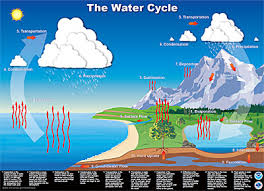
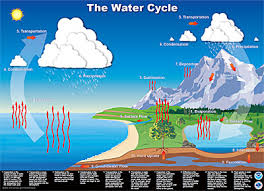
What process is happening in number 6?
transpiration
evaporation
condensation
accumulation
17
Multiple Choice
What is number 1 in the diagram?
condensation
evaporation
runoff
precipitation
18
Multiple Choice
What is number 3 in the diagram?
evaporation
precipitation
surface runoff
condensation
19
Multiple Choice
The process in which some water within plants evaporates into the atmosphere.
evaporation
transpiration
condensation
precipitation
20
Multiple Choice
21
Multiple Choice
22
Multiple Choice
23
Multiple Choice
24
Multiple Choice
25
Multiple Choice
26
Multiple Choice
27
Multiple Choice
28
Multiple Choice
29
Multiple Choice
30
Multiple Choice
31
Multiple Choice
32
Multiple Choice
33
Multiple Choice
34
Multiple Choice
During what part of the water cycle does water vapor turn into liquid droplets?
evaporation
condensation
precipitation
run off
35
Multiple Choice
What is the correct order of the water cycle?
precipitation, evaporation. run off, condensation
evaporation, run off, precipitation, condensation
evaporation, condensation, precipitation, run off
run off, condensation, evaporation, precipitation
36
Multiple Choice
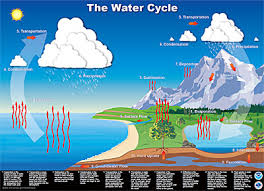
What process is happening in number 6?
transpiration
evaporation
condensation
accumulation
37
Multiple Choice
What is number 1 in the diagram?
condensation
evaporation
runoff
precipitation
38
Multiple Choice
What is number 3 in the diagram?
evaporation
precipitation
surface runoff
condensation
39
Multiple Choice
The process in which some water within plants evaporates into the atmosphere.
evaporation
transpiration
condensation
precipitation
40
Multiple Choice
41
Multiple Choice
42
Multiple Choice
43
Multiple Choice
44
Multiple Choice
45
Multiple Choice
46
Multiple Choice
47
Multiple Choice
48
Multiple Choice
49
Multiple Choice
50
Multiple Choice
51
Multiple Choice
52
Multiple Choice
53
Multiple Choice
54
Multiple Choice
During what part of the water cycle does water vapor turn into liquid droplets?
evaporation
condensation
precipitation
run off
55
Multiple Choice
During what part of the water cycle does water vapor turn into liquid droplets?
evaporation
condensation
precipitation
run off
56
Multiple Choice
water that changes from a gas to a liquid
clouds
condensation
collection
57
Multiple Choice
water that falls to the ground
fog
water cycle
precipitation
58
Multiple Choice
excess water that falls from clouds and collects in bodies of water
collection
condensing
sun
59
Multiple Choice
the cycle of water evaporating and condensing on earth
sun cycle
water cycle
evaporation
60
Multiple Choice
tiny droplets of water vapor floating high above the ground
collection
fog
clouds
61
Multiple Choice
water changing from a liquid to a gas
evaporation
condensation
precipitation
62
Multiple Choice
What are the two driving forces that power the water cycle?
sun and moon
moon and water
sun and gravity
moon and gravity
63
Multiple Choice
Which of the following is a form of precipitation?
light
wind
snow
plants
64
Multiple Choice
Where is most water found on the Earth?
in glaciers
in the ocean
in rivers
in lakes
65
Multiple Choice
What controls whether water is a solid, liquid, or gas?
what the temperature is
the shape and size of the cup
where it is being stored
66
Multiple Choice
Rivers, streams, and oceans are all points of __________ in the water cycle.
evaporation
condensation
precipitation
collection
67
Multiple Choice
More evaporation occurs at nighttime.
true
false
68
Multiple Choice
Does they water cycle have a beginning and end?
yes
no
69
Multiple Choice
The forms of precipitation are...
snow, rain, sunshine,
hail, lightning, tornadoes
snow, rain, sleet, hail
hurricanes, snow, sleet
70
Multiple Choice
Precipitation occurs because...
the droplets evaporate in the air
the droplets are too light for the air to hold
the droplets are too heavy for the air to hold
the droplets just want to fall
71
Multiple Choice
water that changes from a gas to a liquid
clouds
condensation
collection
72
Multiple Choice
73
Multiple Choice
74
Multiple Choice
75
Multiple Choice
76
Multiple Choice
77
Multiple Choice
78
Multiple Choice
79
Multiple Choice
80
Multiple Choice
81
Multiple Choice
82
Multiple Choice
83
Multiple Choice
84
Multiple Choice
85
Multiple Choice
86
Multiple Choice
87
Multiple Choice
88
Multiple Choice
89
Multiple Choice
90
Multiple Choice
91
Multiple Choice
92
Multiple Choice
93
Multiple Choice
94
Multiple Choice
95
Multiple Choice
96
Multiple Choice
97
Multiple Choice
98
Multiple Choice
99
Multiple Choice
100
Multiple Choice
Lakes, aquifers, and snowpack are all examples of . . .
precipitation
reservoirs
groundwater
bodies of water
101
Multiple Choice
102
Multiple Choice
The ocean is our largest source of freshwater.
103
Multiple Select
Which of the following statements are true? (There's more than one correct answer.)
There has always been the same amount of water on Earth.
There has always been the same amount of freshwater on Earth.
Most water on Earth is saltwater.
Most freshwater on Earth is found in rivers.
104
Multiple Choice
The process of turning ocean water into potable water is known as
recycling.
desalination.
purifying.
desaltification.
105
Multiple Choice
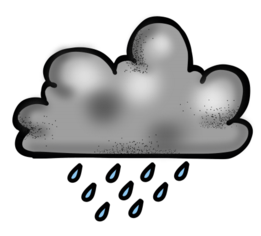
Choose the image that shows precipitation.
106
Multiple Choice
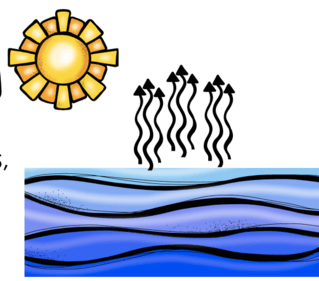
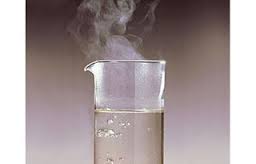
What process is shown in this image?
weather
cloudification
condensation
transpiration
107
Multiple Choice
Southern California is currently in a drought.
True
False
108
Multiple Choice
A well would most likely be used to retrieve water from
a lake.
an ocean.
snowpack.
an aquifer.
109
Multiple Select
Which of the following statements are not true? (There's more than one correct answer.)
About 97% of Earth's water is found in oceans.
Most freshwater on Earth is found in aquifers.
Most freshwater on Earth is found in glaciers and snowpack.
Most freshwater on Earth is found in lakes.
110
Multiple Choice
Which event is more likely to cause very dry conditions in Southern California?
El Nino
La Nina
111
Multiple Choice
Ocean temperatures and trade winds can determine how much precipitation we get in Oxnard.
True
False
112
Multiple Select
Which of the following are examples of realistic ways to conserve water at home? (There's more than one correct answer.)
Stop brushing your teeth.
Drink less water.
Take shorter showers.
Sweep outside instead of using the hose.
Wash the car less often.
113
Multiple Choice
114
Multiple Choice
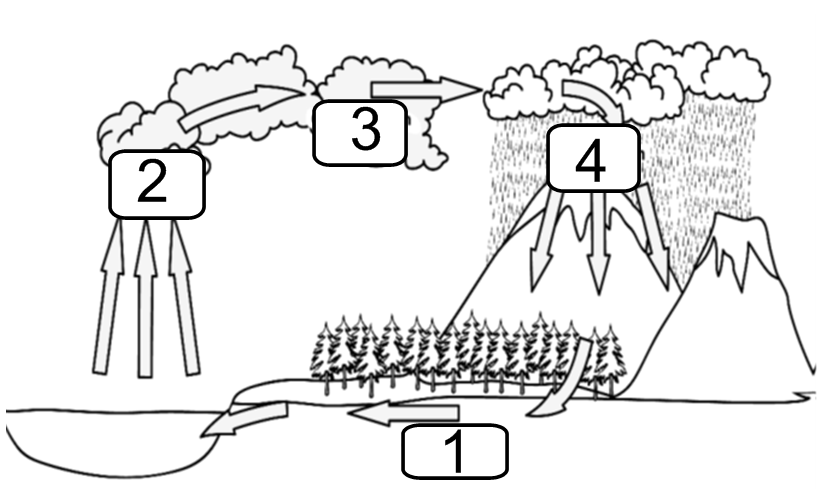
As a part of the water cycle, water from Earth's surface enters the clouds and finally falls back to the ground in the form of rain. What is the correct sequence of processes water undergoes?
Evaporation, Condensation, Precipitation
Precipitation, Condensation, Evaporation
Condensation, Evaporation, Precipitation
Evaporation, Precipitation, Condensation
115
Multiple Choice
116
Multiple Choice
117
Multiple Choice
118
Multiple Choice
119
Multiple Choice
120
Multiple Choice
121
Multiple Choice
122
Multiple Choice
123
Multiple Choice
124
Multiple Choice
125
Multiple Choice
126
Multiple Choice
127
Multiple Choice
128
Multiple Choice
129
Multiple Choice
130
Multiple Choice
131
Multiple Choice
132
Multiple Choice
133
Multiple Choice
134
Multiple Choice
135
Multiple Choice
136
Multiple Choice
The energy that powers the water cycle comes from the _________.
sun
oxygen
trees
ground
137
Multiple Choice
The three main stages of the water cycle are:
Evaporation, Precipitation, Condensation
Solid, Liquid, Gas
Rain, Snow, Sleet
138
Multiple Select
Select the four main types of precipitation:
Rain
Hail
Sun
Snow
Sleet
139
Multiple Choice
Snowflakes that melt and freeze again as they fall to the ground
Sleet
Ice
Freezing Rain
Hail
140
Multiple Choice
Balls of ice that form from storm clouds
Sleet
Ice
Freezing Rain
Hail
141
Multiple Choice
Supercooled liquid water that freezes as soon as it hits the ground
Sleet
Ice
Freezing Rain
Hail
142
Multiple Choice
The process by which liquid water heats and changes phase into water vapor
Condensation
Precipiation
Evaporation
Water
143
Multiple Choice
The process by which water vapor cools, forming tiny liquid water droplets
Condensation
Precipiation
Evaporation
Water
144
Multiple Choice
The only thing in nature that can be a solid, liquid, and gas is...
Condensation
Precipiation
Evaporation
Water
145
Multiple Choice
Most water evaporates from the
lake
sink
ocean
mountain
146
Multiple Choice
Water that collects in rock and soil is called
groundwater
runoff
flood
drought
147
Multiple Choice
When the amount of precipitation that collects on the ground is higher than normal, we call it a
groundwater
runoff
flood
drought
148
Multiple Choice
Water that flows over land is called
groundwater
runoff
flood
drought
149
Multiple Choice
When a less than normal amount of precipitation falls over a long period of time, we call it a...
groundwater
runoff
flood
drought
150
Multiple Select
The three types of condensation are:
fog
water
dew
rain
frost
151
Multiple Choice
We _______ water when we are careful about how much we use.
take
use
conserve
drink
152
Multiple Choice
The energy that powers the water cycle comes from the _________.
sun
oxygen
trees
ground
153
Multiple Choice
The energy that powers the water cycle comes from the _________.
sun
oxygen
trees
ground
154
Multiple Choice
The three main stages of the water cycle are:
Evaporation, Precipitation, Condensation
Solid, Liquid, Gas
Rain, Snow, Sleet
155
Multiple Select
Select the four main types of precipitation:
Rain
Hail
Sun
Snow
Sleet
156
Multiple Choice
Snowflakes that melt and freeze again as they fall to the ground
Sleet
Ice
Freezing Rain
Hail
157
Multiple Choice
Balls of ice that form from storm clouds
Sleet
Ice
Freezing Rain
Hail
158
Multiple Choice
Supercooled liquid water that freezes as soon as it hits the ground
Sleet
Ice
Freezing Rain
Hail
159
Multiple Choice
The process by which liquid water heats and changes phase into water vapor
Condensation
Precipiation
Evaporation
Water
160
Multiple Choice
The process by which water vapor cools, forming tiny liquid water droplets
Condensation
Precipiation
Evaporation
Water
161
Multiple Choice
The only thing in nature that can be a solid, liquid, and gas is...
Condensation
Precipiation
Evaporation
Water
162
Multiple Choice
Most water evaporates from the
lake
sink
ocean
mountain
163
Multiple Choice
Water that collects in rock and soil is called
groundwater
runoff
flood
drought
164
Multiple Choice
When the amount of precipitation that collects on the ground is higher than normal, we call it a
groundwater
runoff
flood
drought
165
Multiple Choice
Water that flows over land is called
groundwater
runoff
flood
drought
166
Multiple Choice
When a less than normal amount of precipitation falls over a long period of time, we call it a...
groundwater
runoff
flood
drought
167
Multiple Select
The three types of condensation are:
fog
water
dew
rain
frost
168
Multiple Choice
We _______ water when we are careful about how much we use.
take
use
conserve
drink
169
Multiple Choice
170
Multiple Choice
171
Multiple Choice
172
Multiple Choice
173
Multiple Choice
174
Multiple Choice
175
Multiple Choice
176
Multiple Choice
177
Multiple Choice
178
Multiple Choice
179
Multiple Choice
180
Multiple Choice
181
Multiple Choice
182
Multiple Choice
183
Multiple Choice
What is the role of the sun in the water cycle?
provide heat energy for evaporation
provide heat energy for condensation
dry out the soil for runoff to occur
provide thermal energy for accumulation
184
Multiple Choice
185
Multiple Choice
186
Multiple Choice
187
Multiple Choice
188
Multiple Choice
Runoff means...
water vapor cooling to form clouds
water running downhill
water falling from the sky
water heating up and rising as gas
189
Multiple Choice
190
Multiple Choice
191
Multiple Choice
192
Multiple Choice
193
Multiple Choice
194
Multiple Choice
195
Multiple Choice
196
Multiple Choice
197
Multiple Choice
198
Multiple Choice
199
Multiple Choice
200
Multiple Choice
201
Multiple Choice
202
Multiple Choice
203
Multiple Choice
What is the role of the sun in the water cycle?
provide heat energy for evaporation
provide heat energy for condensation
dry out the soil for runoff to occur
provide thermal energy for accumulation
204
Multiple Choice
205
Multiple Choice
206
Multiple Choice
207
Multiple Choice
208
Multiple Choice
Runoff means...
water vapor cooling to form clouds
water running downhill
water falling from the sky
water heating up and rising as gas
209
Multiple Choice
Name the three steps in the Water Cycle.
Evaporation, repsiration, rain.
Precipitation, rain, condensation, puddling.
Evaporation, condensation, Precipitation
Rain, heating, cooling.
210
Multiple Choice
What are the types of precipitation?
Frozen water and unfrozen water.
Evaporation and condensation.
Rain and snow.
Rain, snow, sleet, hail.
211
Multiple Choice
What is condensation?
The collection of water droplets from a gas to a liquid.
When rain falls from the sky.
When water freezes.
When water gets evaporated.
212
Multiple Choice
The solid form of water is called?
steam
rain
rocks
ice
213
Multiple Choice
What is evaporation?
Rain falling from the sky.
When water turns into a gas and is soaked up through heat.
The collection of water dropelets.
When water freezes.
214
Multiple Choice
You are able to drink the _______ form of water.
solid
liquid
gas
215
Multiple Choice
Steam is an example of?
water being evaporated.
condensation occuring.
Ice forming.
A solid melting.
216
Multiple Choice
The Earth is mostly made up of....
countries
humans
animals
water
217
Multiple Choice
True or false: the water cycle follows one, single pathway.
True
False
218
Multiple Choice
True or false: the water cycle is continuous.
False
True
219
Multiple Choice
Clouds are formed by?
Evaporation
Condensation
Rain.
Something outside of the water cycle.
220
Multiple Choice
If a puddle on the ground disappears, it has gone through
Evaporation
Melting
Condensation
Nothing
221
Multiple Choice
True or false: the water cycle does not affect oceans.
True
False
222
Multiple Choice
Snow disappears because it.....
freezes
gets absorbed by the road.
melts
rains
223
Multiple Choice
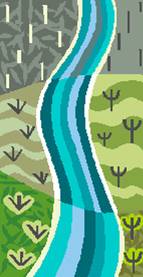
Select the picture that shows the water cycle.
224
The Water Cycle
​
225
Water Cycle Vocabulary
Precipitation - Water that falls to the earth as rain, sleet, hail and snow
Evaporation - Water that gets heated and turns into a gas, (water vapor).
Condensation - Water that cools and changes from water vapor to liquid water.
226
On Earth, Water if found in all three states of matter
Solid - Ice
Liquid - Water
Gas - Water Vapor
227
Evaporation starts with the sun.
When the sun heats water, it changes from a liquid into a gas, or water vapor and rises up to form the clouds we see.
228
Evaporation starts with the sun.
Look at the word evaporation. It has the word VAPOR in the middle. Remember Evaporation occurs when water is heated and turns into water vapor.
229
Condensation
When water rises high above the earth, it cools changes back into liquid or ice . Liquid and Ice or more dense than water vapor.
230
Condensation
The word condensation has the word dens in the middle. Use this to help you remember the word dense. When water vapor cools and changes back into liquid water and ice, it becomes more dense and heavier.
231
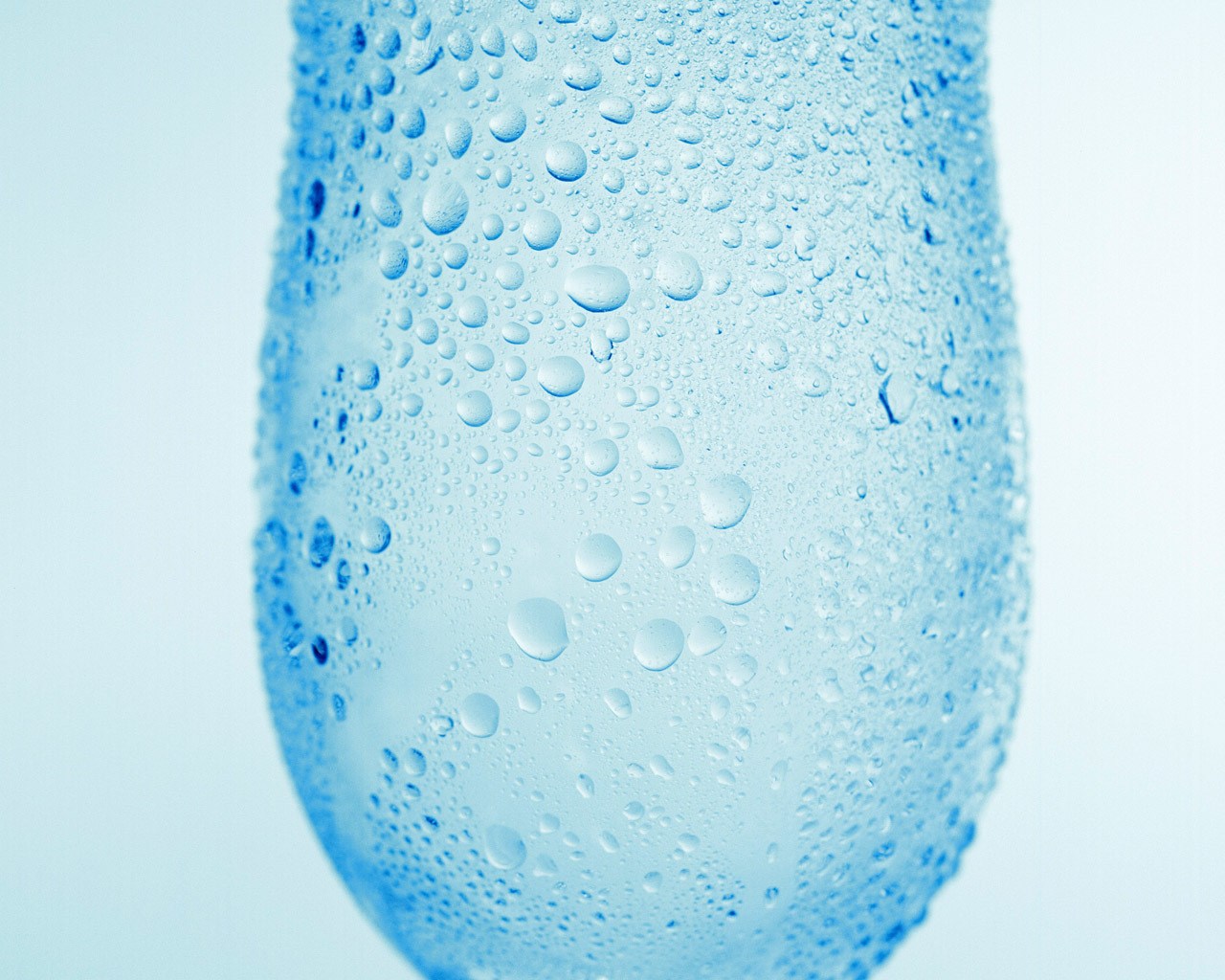
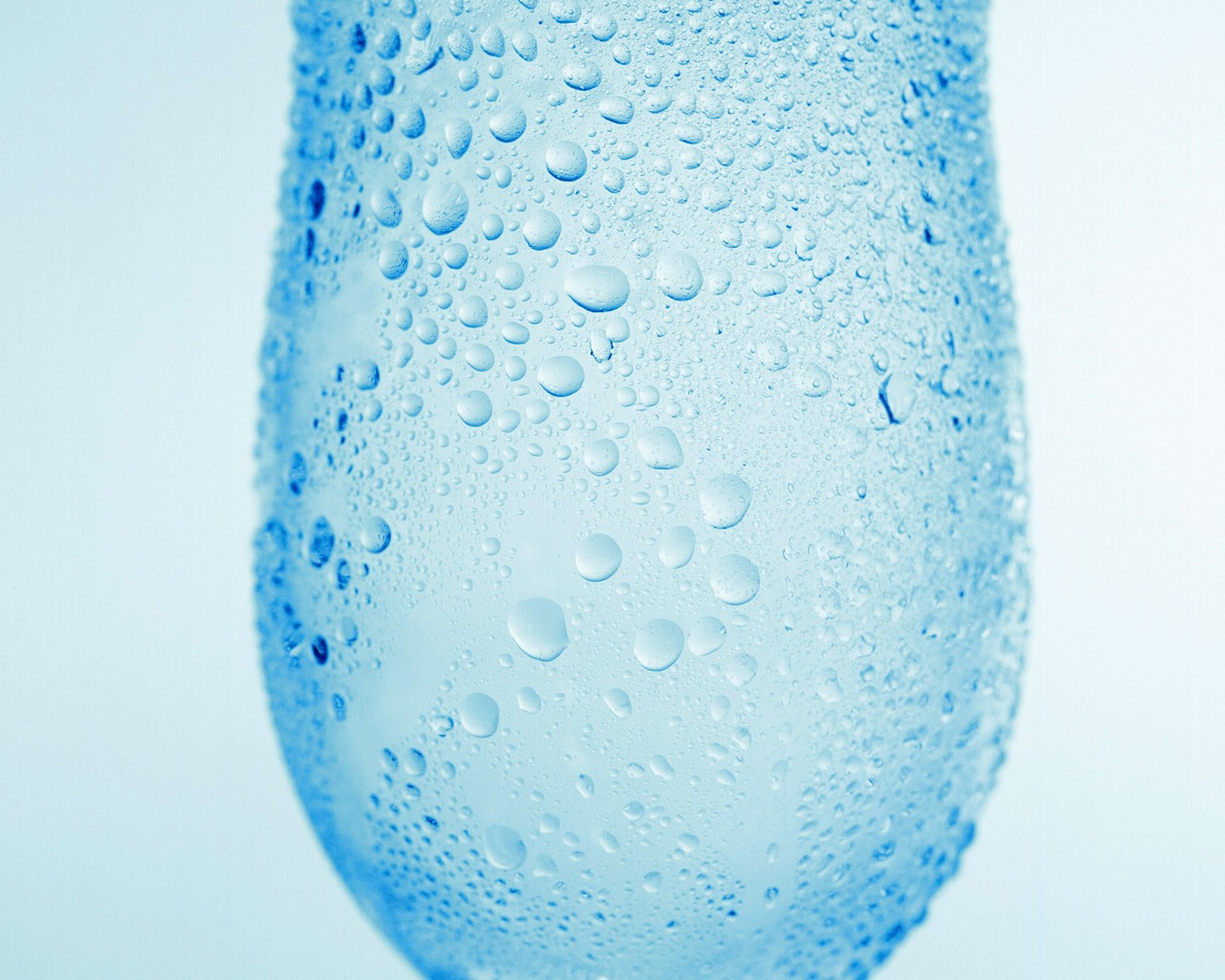
Condensation can also be seen on a glass fill with a cold drink. Water vapor in the air touches it and cools back into liquid water.
232
Precipitation occurs when water drops that make up clouds get heavy and fall back to the earth.
​
233
Think of taking a sip of water when you see precipitation.
All the plants and animals get to drink water or sip water when it rains.
234
235
Multiple Choice
Rain, sleet and snow are all forms of _____________
evaporation
condensation
precipitation
accumulation
236
Multiple Choice
What process occurs when tiny water droplets cling together in the atmosphere?
evaporation
condensation
precipitation
accumulation
237
Multiple Choice
Which is an example of precipitation
Clouds forming
Rain, Snow or Sleet
Rivers forming
Water heated by the sun
238
Multiple Choice
What causes water to evaporate?
The heat from the earth
Cold air high above the earth
Plants
The sun
239
Multiple Choice
____________ occurs when liquid water changes into a gas or water vapor.
evaporation
condensation
precipitation
accumulation
240
Multiple Choice
____________ occurs when water vapor changes into liquid water.
evaporation
condensation
precipitation
accumulation
241
Multiple Choice
____________ occurs when water, snow or ice falls back to the earth..
evaporation
condensation
precipitation
accumulation
Water that falls to the Earth
water cycle
precipitation
evaporation
condensation
Show answer
Auto Play
Slide 1 / 241
MULTIPLE CHOICE

Similar Resources on Wayground
217 questions
Untitled Presentation
Presentation
•
2nd Grade
212 questions
Big Punctuation Station
Presentation
•
1st - 5th Grade
211 questions
vi mô
Presentation
•
3rd Grade
206 questions
chapter 13 math G7
Presentation
•
6th - 8th Grade
264 questions
HUKUM ARCHIMEDES
Presentation
•
8th Grade
236 questions
HFW Practice
Presentation
•
4th Grade
227 questions
Untitled Presentation
Presentation
•
6th Grade
233 questions
IOWA new
Presentation
•
7th - 9th Grade
Popular Resources on Wayground
20 questions
"What is the question asking??" Grades 3-5
Quiz
•
1st - 5th Grade
20 questions
“What is the question asking??” Grades 6-8
Quiz
•
6th - 8th Grade
10 questions
Fire Safety Quiz
Quiz
•
12th Grade
20 questions
Equivalent Fractions
Quiz
•
3rd Grade
34 questions
STAAR Review 6th - 8th grade Reading Part 1
Quiz
•
6th - 8th Grade
20 questions
“What is the question asking??” English I-II
Quiz
•
9th - 12th Grade
20 questions
Main Idea and Details
Quiz
•
5th Grade
47 questions
8th Grade Reading STAAR Ultimate Review!
Quiz
•
8th Grade
Discover more resources for Science
34 questions
5th Grade Science STAAR Review 2
Quiz
•
5th Grade
22 questions
5th grade Science STAAR REVIEW
Quiz
•
5th Grade
20 questions
Food Chains and Food Webs Review
Quiz
•
5th Grade
20 questions
Sedimentary Rocks & Fossil Fuels
Quiz
•
5th Grade
15 questions
Human Body Systems
Quiz
•
5th Grade
28 questions
5th Science STAAR Review
Quiz
•
5th Grade
21 questions
Solar System Review
Quiz
•
5th Grade
15 questions
Fossil Fuel & Sedimentary Rock Formations
Quiz
•
5th Grade