

Lab 19: USP 797 Compounding of an Ointment

Presentation
•
Professional Development
•
Professional Development
•
Medium

Vincent Armand
Used 6+ times
FREE Resource
20 Slides • 5 Questions
1
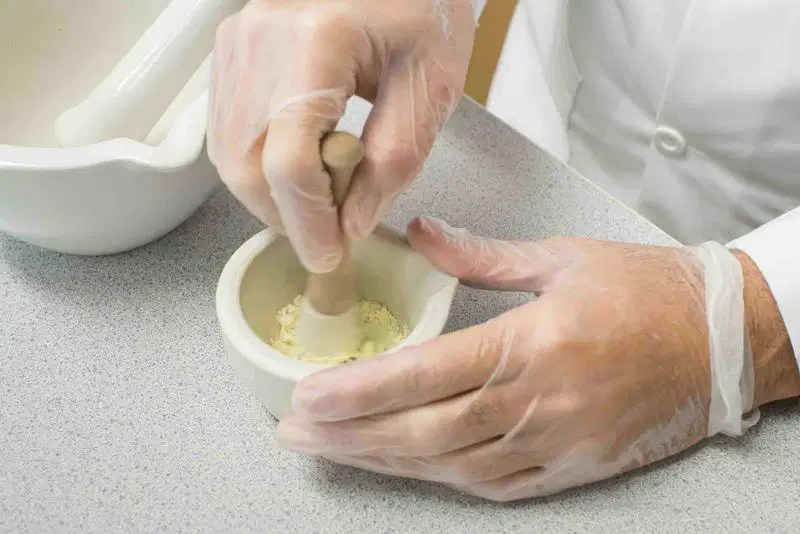
Lab 19: USP 797 Compounding an Ointment
2
Learning Objective
18.0 Initiate measurement and calculating techniques as it relates to United States Pharmacopeia (USP) 797 (non-sterile) compounding in
pharmacy practice. -- Students will be able to:
1.0 Identify Common Pharmaceutical Laboratory Equipment
2.0 Define the terminology relating to the non-sterile ointment compounding procedures.
3.0 Demonstrate the technique of preparing an ointment.
4.0 Explain/assist in process of trituration/levigation/spatulation/and geometric dilution.
3
Terminology
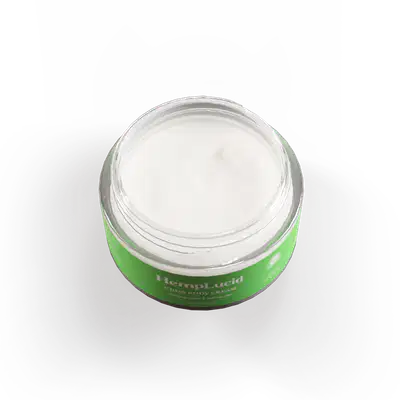
Cream (aka cr.)
Pharmaceutical preparations that combine oil with water, and are usually used topically.
Examples of Cream Base:
Eucerin ; Aquaphor; Dermabase
4
Terminology
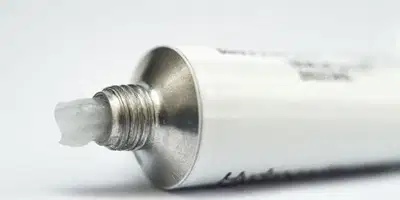
Ointment (oint./ung.)
A highly viscous or semisolid substance used on the skin that may be referred to as an emollient or a salve.
Examples of Ointment Base:
Mineral Oil; Petroleum Jelly; Coal tar
5
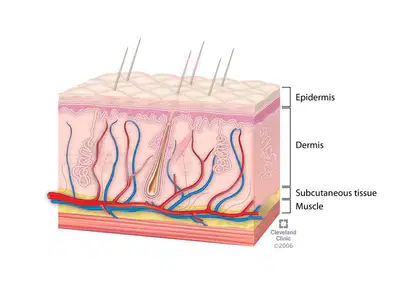
Cream Chemistry
Water-based semisolid.
Mixed with aqueous liquid (water)
Skin readily absorbs water through diffusion.
Quick and short acting way of delivering medication.
6
Ointment Chemistry
Oil-based semisolid.
Mixed with non-soluble liquid (oil/fats)
Creates a hydrophobic barrier on the skin.
Useful for sustained release of medication or a skin protectant.
7
Multiple Choice
Cream or Ointment?
Quick delivery of medication.
Cream
Ointment
8
Multiple Choice
Cream or Ointment?
Skin protectant
Cream
Ointment
9
Multiple Choice
Cream or Ointment?
Coal Tar
Cream
Ointment
10
Multiple Choice
Cream or Ointment?
Mineral Oil
Cream
Ointment
11
Multiple Choice
Cream or Ointment?
Aquaphor
Cream
Ointment
12
Terminology
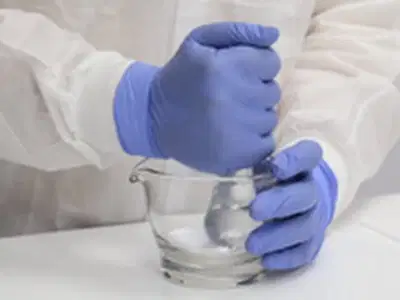
Trituration (n.)
Continuous rubbing or grinding powder utilizing a mortar and pestle.
Purpose: Reduce Particle Size
Mix Powders and Semisolids
13
Terminology
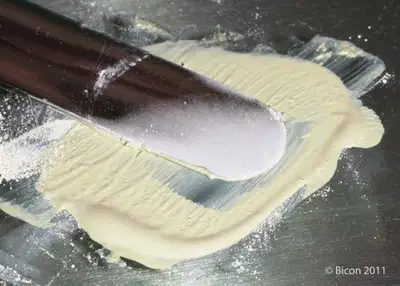
Spatulation (n.)
Mix powders or semisolids on an ointment pad or slab using a spatula.
Purpose: Reduce Particle Size
Mix Powders and Semisolids
14
Terminology
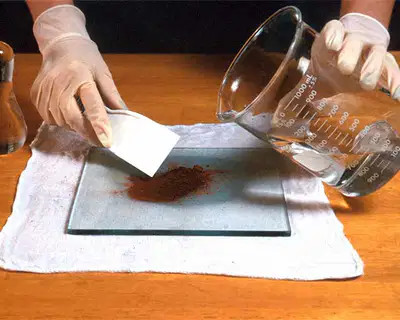
Levigation (n.)
Wetting a solid with a small quantity of a non-soluble liquid.
Purpose: Reduce Particle Size
Transform a solid into a
semisolid formulation.
15
Terminology
Geometric dilution (n.)
Pharmaceutical process that thoroughly mixes the appropriate amount of drug with diluent due to proportion.
Purpose: Combining ingredients into a homogeneous mixture.
16
Terminology
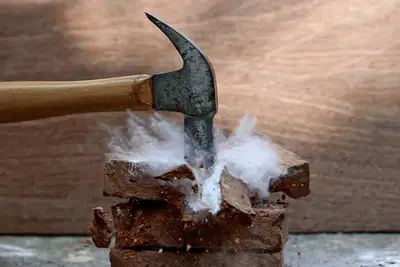
Comminution (n.)
The process of reducing a material into fragments or particles.
17
Terminology
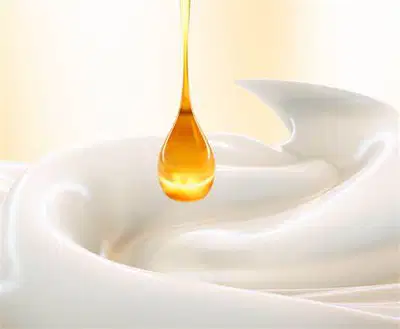
Emulsifier (n.)
A substance that stabilizes a mixture of two immiscible substances.
18
Materials Required for the Lab today...
19
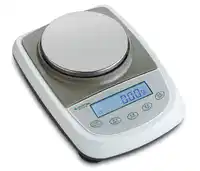
Electronic Balance
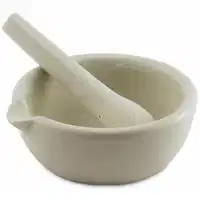
Mortar and Pestle
Weigh Paper
Compounding Spatula
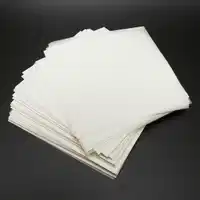
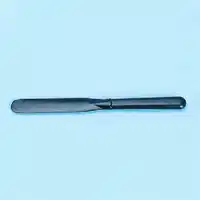
20
Ointment Slab / Parchment Paper
Polysorbate 80 (Emulsifier)
Ointment Jar
Ointment Base
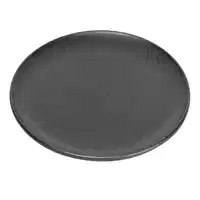
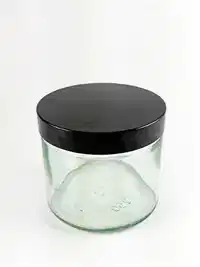
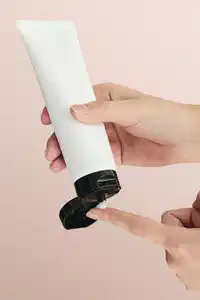
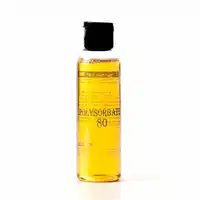
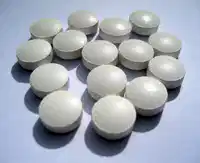
White tablets
21
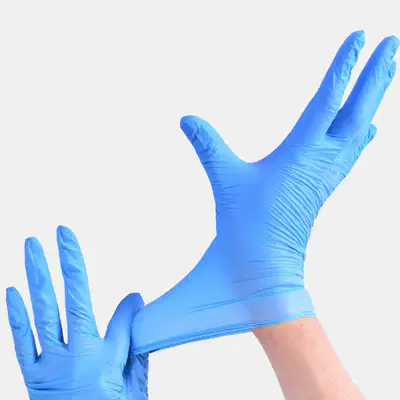
According to USP 797 regulations...
Non-sterile compounding of any semisolid requires proper handwashing and glove protection.
PPE WARNING!
22
Laboratory Procedure (As demonstrated and read aloud...)
23
What is the purpose of an emulsifier?
24
What is the difference between communition, trituration, levigation, spatulation, and geometric dilution?
25
How do I clean up?
Lab 19: USP 797 Compounding an Ointment
Show answer
Auto Play
Slide 1 / 25
SLIDE
Similar Resources on Wayground

16 questions
Time for review
Presentation
•
KG
20 questions
Physical Pharmacy Rheology
Presentation
•
University
23 questions
2 E- Review unit 2
Presentation
•
University
18 questions
Foundations I Math
Presentation
•
Professional Development
18 questions
Cardiovascular CPT
Presentation
•
Professional Development
22 questions
Phonetics for teachers
Presentation
•
Professional Development
18 questions
КВИЗ
Presentation
•
Professional Development
22 questions
MCRW Ch 3
Presentation
•
Professional Development
Popular Resources on Wayground
6 questions
Secondary Safety Quiz
Presentation
•
9th - 12th Grade
10 questions
MyPath Diagnostic Overview
Presentation
•
6th - 8th Grade
20 questions
Lab Safety Quiz

Quiz
•
6th Grade
21 questions
Continents and Oceans
Quiz
•
6th Grade
20 questions
Adding and Subtracting Decimals
Quiz
•
5th Grade
20 questions
Parts of Speech
Quiz
•
5th Grade
16 questions
Subject & Predicate
Quiz
•
5th Grade
21 questions
Lab Safety
Quiz
•
10th Grade