Principi nutritivi
Presentation
•
Biology
•
6th Grade
•
Hard
Alice Cheli
Used 2+ times
FREE Resource
10 Slides • 17 Questions
1
Multiple Choice
Cosa sono i principi nutritivi?
Vitamine
Cibi salutari dosati in maniera controllata
Sostanze introdotte con la dieta
Cibi che costituiscono la piramide alimentare
2
Principi nutritivi
Sostanze organiche o inorganiche contenute negli alimenti, introdotte con la dieta e assorbite dal nostro organismo per svolgere tutte le sue funzioni.
3
Multiple Choice
QUALI NUTRIENTI SONO PIU' ENERGETICI?
GRASSI E ZUCCHERI
GRASSI E PROTEINE
PROTEINE E VITAMINE
ZUCCHERI E PROTEINE
4
Multiple Choice
PER UN IMMEDIATO BISOGNO DI ZUCCHERI COSA POSSO MANGIARE?
TONNO
CIOCCOLATA
NOCI
POMODORO
5
Multiple Choice
QUALI TRA QUESTI ALIMENTI SONO PIU' PROTEICI?
FRUTTA E VERDURA
CARNE E PESCE
PANE E PASTA
ACQUA E OLIO
6
Multiple Choice
QUALE TRA QUESTI ALIMENTI E' PIU' PROTEICO?
BUDINO
INSALATA
FAGIOLI
OLIO
7
Multiple Choice
QUALE TRA QUESTI ALIMENTI E' PIU' PROTEICO?
MANDORLE
MAIS
MELA
MARGARINA
8
Multiple Choice
FRUTTA E ORTAGGI SONO RICCHI DI...
GRASSI E ZUCCHERI
ZUCCHERI E VITAMINE
VITAMINE E SALI MINERALI
SALI MINERALI E PROTEINE
9
Multiple Choice
QUALI TRA QUESTI ALIMENTI SONO RICCHI DI GRASSI?
FRUTTA E LATTE
CARNE E UOVA
GELATO E ANANAS
OLIO E BURRO
10
Multiple Choice
DOVE SI ACCUMULANO I GRASSI?
TESSUTO MUSCOLARE
TESSUTO NERVOSO
TESSUTO ADIPOSO
TESSUTO EPITELIALE
11
Multiple Choice
LE VITAMINE SI TROVANO PRINCIPALMENTE...
NELLE VERDURE CRUDE
NELLE VERDURE COTTE
NEL PESCE
NEL LATTE E SUOI DERIVATI
12
Draw
DISEGNA UN ALIMENTO CONTENENTE ZUCCHERI
13
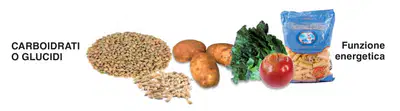
ZUCCHERI (detti anche CARBOIDRATI o GLUCIDI)
Funzioni: fonte immediata di energia ricavata attraverso la respirazione cellulare
C6H12O6 + 6O2 → 6H2O + 6CO2 + ENERGIA
14
ZUCCHERI: Disaccaridi
Composti formati dall’unione di due monosaccaridi
LATTOSIO:
Nel latte e nei suoi derivati.
.
MALTOSIO
Nei semi che germinano.
.
SACCAROSIO:
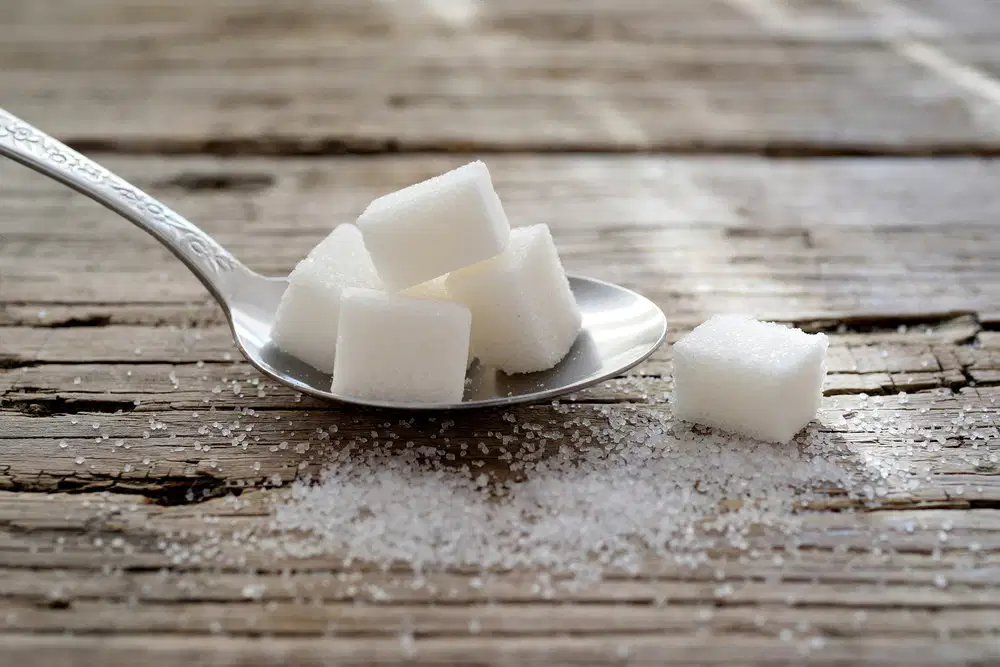
Lo zucchero da cucina.
15
ZUCCHERI: Polisaccaridi
Composti da lunghe catene più o meno ramificate
AMIDO: (vegetali) si trova nei semi per nutrire la nuova pianta che deve germogliare. Le cinque fonti principali: mais, patate, riso, tapioca e grano.
.
GLICOGENO: (animali) si accumula nel fegato e nei muscoli.
.
CELLULOSA: (vegetali) forma la parete cellulare delle cellule vegetali. Costituisce quelle che chiamiamo FIBRE, fondamentali per migliorare la funzionalità dell’intestino. L’uomo non può digerirla ma la flora batterica intestinale lo fa per noi, producendo inoltre vitamine.
16
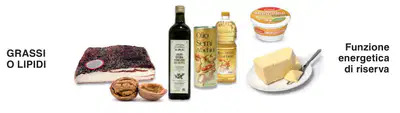
GRASSI (detti anche LIPIDI)
Funzioni:
riserva di energia a lungo termine (processo più lungo e complesso),
costituenti principali delle membrane cellulari,
.
Caratteristiche:
Si accumulano nel tessuto adiposo se presenti in eccesso.
Insolubili in acqua.
17
GRASSI (detti anche LIPIDI)
TRIGLICERIDI STEROIDI:
18
PROTEINE (detti anche PROTIDI)
Funzioni:
strutturale (sono i "mattoni" che costruiscono il nostro corpo es: actina
e miosina, osseina, collagene, cheratina),
di trasporto (es. emoglobina che trasporta O2),
di difesa (es. anticorpi),
regolatrice (es. ormoni),
accelerano le reazioni all'interno dell'organismo.
.
Caratteristiche: sono formate da catene di amminoacidi.
19
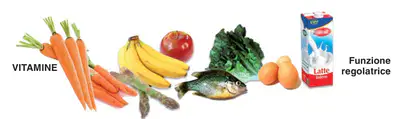
VITAMINE
Funzioni: protettiva e regolatrice
.
Caratteristiche:
servono in piccole quantità ma ogni giorno,
si degradano con il calore,
la loro mancanza può provocare gravi disturbi e malattie
20
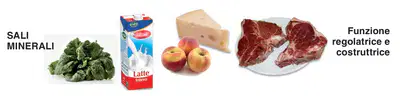
SALI MINERALI
Funzioni: plastica (Ca nelle ossa) e regolatrice
.
Caratteristiche: servono in piccole quantità ma sempre
.
Principali: Fe, Ca, Na, K, Mg e oligoelementi
21
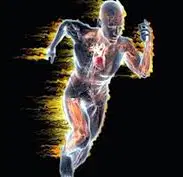
FUNZIONI DEI NUTRIENTI
22
Fill in the Blanks
Salame, noci e margarina sono alimenti ricchi di...
Type answer...
23
Fill in the Blanks
La frutta e la verdura sono alimenti ricchi di...
Type answer...
24
Fill in the Blanks
Uova, latte, formaggi e legumi sono alimenti ricchi di...
Type answer...
25
Fill in the Blanks
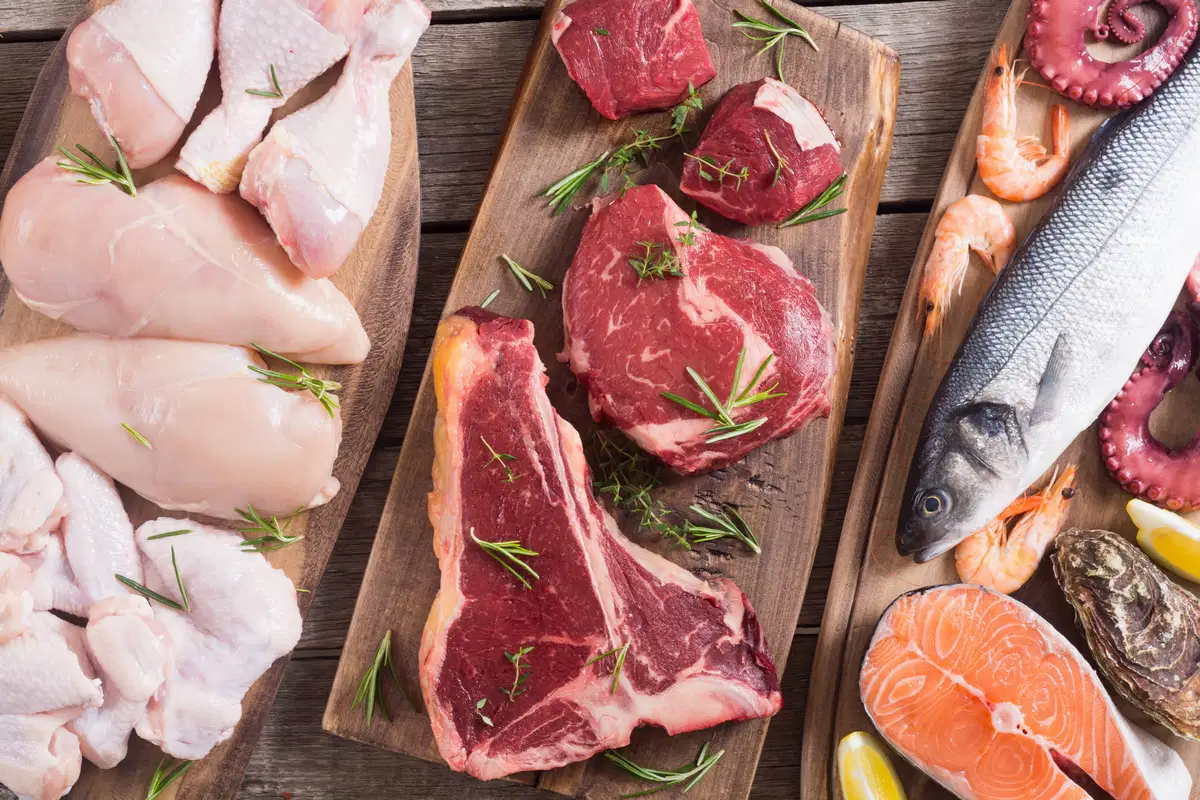
Carne e pesce sono alimenti ricchi di...
Type answer...
26
Fill in the Blanks
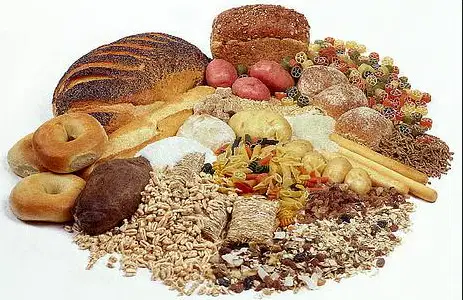
Pasta e pane sono alimenti ricchi di...
Type answer...
27
Multiple Choice

Quali alimenti dobbiamo consumare maggiormente per tenerci in forma?
Proteine, vitamine e carboidrati, bevendo almeno 2L di acqua al giorno
Acqua, proteine e vitamine
Principalmente proteine e carboidraiti, poi vitamine e no grassi
Tutti , bilanciandone le quantità
Cosa sono i principi nutritivi?
Vitamine
Cibi salutari dosati in maniera controllata
Sostanze introdotte con la dieta
Cibi che costituiscono la piramide alimentare
Show answer
Auto Play
Slide 1 / 27
MULTIPLE CHOICE

Similar Resources on Wayground
21 questions
Ancient Rome
Presentation
•
6th Grade
19 questions
6.11A Graphing
Presentation
•
6th Grade
19 questions
NETIQUETA
Presentation
•
6th Grade
21 questions
Average Speed
Presentation
•
6th Grade
19 questions
CUERPOS GEOMÉTRICOS
Presentation
•
5th - 6th Grade
24 questions
1.8 Space Exploration
Presentation
•
6th Grade
21 questions
6 ano Ordens e Classes
Presentation
•
6th Grade
21 questions
LP_6_EF_Q50-Q52
Presentation
•
6th Grade
Popular Resources on Wayground
10 questions
How much do you know about our Portrait of an Eagle?
Quiz
•
10th Grade
10 questions
Fast Food Slogans
Quiz
•
6th - 8th Grade
21 questions
Continents and Oceans
Quiz
•
6th Grade
20 questions
Parts of Speech
Quiz
•
5th Grade
16 questions
Subject & Predicate
Quiz
•
5th Grade
25 questions
Multiplication Facts
Quiz
•
5th Grade
12 questions
Map Skills
Quiz
•
3rd Grade
22 questions
Continents and Oceans
Quiz
•
5th Grade
Discover more resources for Biology
10 questions
Digestive System
Quiz
•
5th - 8th Grade
10 questions
Exploring Food Webs and Energy Pyramids
Interactive video
•
6th - 10th Grade
10 questions
Energy Flow and Matter Recycling in Ecosystems
Interactive video
•
6th - 10th Grade
20 questions
prokaryotic cells
Quiz
•
6th - 10th Grade
17 questions
Cell Structure and Function Review
Quiz
•
6th - 8th Grade
10 questions
Exploring the World of Amazing Enzymes
Interactive video
•
6th - 10th Grade
20 questions
Intro to Genetics: Why Your Cat Looks Like That...
Interactive video
•
6th - 8th Grade
20 questions
cell theory and organelles
Quiz
•
6th - 8th Grade