

ETHC Final test review

Presentation
•
Fun
•
Professional Development
•
Practice Problem
•
Medium

Terri Strawn
Used 3+ times
FREE Resource
10 Slides • 10 Questions
1

ETHC - Test 3 Review
2
30 questions - all mc/tf - 15%
Topics - *Question amounts are approximates
Week 8 - Work Ethic/Leadership - 5 questions
Week 9 - Conflict Resolution - 8 questions
Week 10 - Marketing - 5 questions
Week 11 - Case Presentations - 1 question
Week 12 - Cultural Diversity - 5 questions
Week 12 - Gerontology/The Older adult - 5 questions
3
Multiple Choice
Which of the following is considered a key trait of effective leadership?
Micromanaging employees
Being indecisive and avoiding making tough decisions
Maintaining an authoritarian style and not considering input from others others
Having strong communication skills and the ability to inspire and motivate others
4
Leadership
Review the difference between leadership and management.
Know personality traits of effective leaders and how leaders take risks.
5
Multiple Choice
Which of the following is a common trait of effective leaders?
Lack of empathy towards team members
Poor communication skills
Inflexibility and resistance to change
Emotional intelligence and the ability to understand and connect with others
6
Multiple Choice
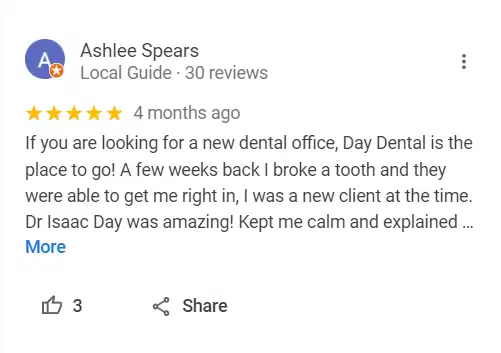
According to the RCDSO advertising guidelines, this is permitted to be posted on the dental office website.
True
False
7
Marketing
Please review the RCDSO and CDHO advertising guidelines/regulations in addition to the marketing powerpoints for class.
Be aware of what would be considered "illegal" or a breach of the guidelines.
8
Multiple Choice
The dental hygienist has completed their course in Orthodontics and can now provide invisalign with a dentists order. Which one of the following would be "illegal" to advertise?
Our hygienist is now an orthodontist! Book today!
Invisalign consultations available at no cost!
Book an appointment today for the dentist to assess your smile.
9
Conflict Resolution
Please review the powerpoints provided including the presentation from Paige McWilliams about Conflict Styles and Communication. Information about Durham College Conflict Resolution services will not be included on this test.
10
Multiple Choice
Which of the following conflict resolution styles involves a lose-lose approach where both parties give up something in order to reach an agreement?
Collaborating
Competing
Compromising
Avoiding
11
Multiple Choice
Marco has completed his periodontal appointment. The cost of the appointment is $220 and the insurance covers 80%. You ask the client for the co-pay and he becomes agitated stating “my old dentist would write that off. Can’t you just do the same?" What is his request?
Position
Interest
12
Conflict Resolution
Please review the following topics:
Conflict resolution styles
Positions and interests and how to determine both
Communication barriers
Communication techniques/Conflict approaches
13
Communication
It is recommended that you review chapter 3 in your textbook. It covers communication considerations for many topics included on this test.
14
Cultural sensitivity
Use these tips from the American Psychological Association to be more culturally aware:
Think beyond race and ethnicity. A person’s culture is shaped by more than the color of their skin or the way that they dress. It’s shaped by the person’s life experiences and traditions, which may be seen or unseen to the naked eye.
Learn by asking. Don’t be afraid to ask questions. People feel respected and appreciated when others take a genuine interest in who they are, so ask open-ended questions about their culture to learn more.
Make local connections. Find local organizations or venues that work with a cultural group you’re interested in and stop by. Organizations like advocacy groups, religious institutions, colleges and social clubs are a great place to learn more and make connections.
Pay attention to non-verbal behaviors. Meaning behind body language can sometimes differ based on cultural norms. Pay attention to how your body language is being perceived by those around you.
Exchange stories. Storytelling is a great way to share experiences that go beyond culture. Initiate an open conversation by sharing a personal story or experience.
15
Multiple Choice
Which of the following statements best exemplifies cultural sensitivity?
Assuming everyone celebrates the same holidays as you
Making an effort to understand and respect the beliefs and practices of people from different cultures
Telling someone from a different culture that their customs are strange or inferior
Expecting everyone to speak the same language as you
16
Multiple Choice
Which of the following is an important consideration for providing dental care to Indigenous populations?
Using language that is unfamiliar to Indigenous patients during dental appointments
Understanding the historical trauma and cultural differences of the Indigenous population
Ignoring cultural practices and beliefs
Providing dental treatment only when necessary
17
The older adult
Consider your experience during the virtual dementia tour - how did you feel? Imagine your patient experiencing what you experienced. Once all have completed the tour speak to your friends about their experience. Did they experience it the same way as you?
18
Multiple Choice
When communicating with someone with dementia, which of the following strategies is most effective?
Using complex language and technical terms to convey information
Speaking loudly and slowly to ensure the person can hear and understand
Using simple, language and nonverbal cues to convey information
Asking open-ended questions to encourage the person to share their thoughts and feelings
19
The older adult cont'd
Know the definition of dementia.
Consider how you would assist a patient in need who had dementia.
Review adaptations required for those with differing physical abilities
20
Multiple Choice
Which of the following represents adaptations made during care to compensate for vision deficits that may be associated with aging?
Using small print for written materials
Providing low lighting in all areas
Placing important information in cluttered areas
Increasing font size for written materials
ETHC - Test 3 Review
Show answer
Auto Play
Slide 1 / 20
SLIDE
Similar Resources on Wayground

16 questions
Bạn hiểu những gì về dự án Around The World ?
Presentation
•
Professional Development
15 questions
Elements of Exercise
Presentation
•
Professional Development
17 questions
some/any/a lot of/much/many
Presentation
•
Professional Development
13 questions
Ordering Food (ESL)
Presentation
•
Professional Development
15 questions
GCP Programme
Presentation
•
KG - Professional Dev...
15 questions
pokemon quiz
Presentation
•
KG
16 questions
Improving Productivity Using IT
Presentation
•
Professional Development
14 questions
In the life of a young child
Presentation
•
KG - Professional Dev...
Popular Resources on Wayground
6 questions
PRIDE Always and Everywhere
Presentation
•
12th Grade
20 questions
Lab Safety Quiz

Quiz
•
6th Grade
26 questions
KOR Review Kahoot Questions
Quiz
•
8th Grade
21 questions
Continents and Oceans
Quiz
•
6th Grade
12 questions
Unit Zero lesson 2 cafeteria
Presentation
•
9th - 12th Grade
20 questions
Parts of Speech
Quiz
•
5th Grade
10 questions
Riddles Riddles fun Riddles
Quiz
•
6th - 12th Grade
16 questions
Subject & Predicate
Quiz
•
5th Grade