Search Header Logo
4/18 - Blitz - Levels of Organization

4/18 - Blitz - Levels of Organization

Assessment

Presentation

Science

8th Grade

Easy

NGSS
MS-LS1-1, MS-LS1-2, MS-LS1-3

+6

Standards-aligned

Created by

Rebecca Keith

Used 6+ times

FREE Resource

3 Slides • 60 Questions

1

Blitz - Levels of Organization

media

2

media

3

Match

Match the following

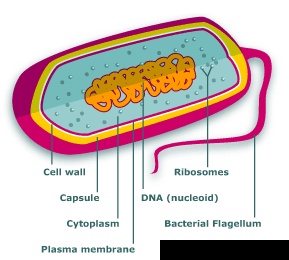
Prokaryotic Cell

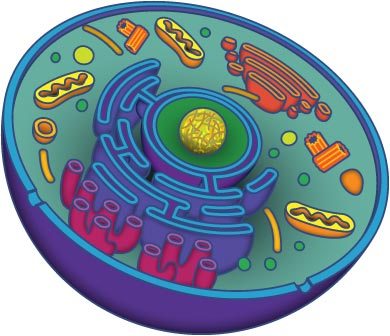
Eukaryotic Cell

Puppy

4

Multiple Choice

Question image

All cells have the a cell membrane, cytoplasm, DNA, and _______

1

Mitochondria

2

Nucleus

3

Ribosomes

4

Cell Wall

5

Multiple Choice

Question image

Which cell types have DNA?

1

Prokaryotic

2

Eukaryotic

3

Both Cell Types

6

Multiple Choice

Question image

Another name for prokaryotic cells is _______

1

Human Cells

2

Plant Cells

3

Animal Cells

4

Bacteria

7

Multiple Choice

The main distinguishing structure between Prokaryotic and Eukaryotic cells is the presence of a ________ in Euks

1

Nucleus

2

Membranes

3

Ribosomes

4

Cell Membrane

8

Multiple Choice

The smallest living thing is called a ______

1

atom

2

element

3

cell

4

organism

9

Multiple Choice

Question image

Which type of cell?

1

Prokaryote

2

Eukaryote

3

Both

4

Neither

10

Multiple Choice

Question image
Which type of cell?
1

Prokaryote

2

Eukaryote

11

Multiple Choice

Question image
This is a picture of:
1

Prokaryote

2

Eukaryote

12

Multiple Choice

Which type of cells has a chloroplast?

1

Prokaryote

2

Plant Cell

3

Animal Cell

4

Bacteria

13

Multiple Choice

Plants and animal cells are examples of ___ cells

1

prokaryotic cells

2

eukaryotic cells

3

both eukaryotic and prokaryotic

4

neither

14

Multiple Choice

Which organelle is responsible for storing a eukaryotic cells genetic material?

1

Cytoplasm

2

Nucleus

3

Mitochondria

4

Chloroplast

15

Multiple Choice

What type of cell has a nucleus?

1

eukaryotic

2

prokaryotic

3

neither

4

both

16

Multiple Choice

Which statement was NOT included in cell theory?

1

All living things are composed of cells.

2

Living cells come only from other living cells.

3

Each cell contains a cell membrane, cytoplasm, nucleus, mitochondria, and endoplasmic reticulum.

4

Cells are the smallest structure of living things that can perform the functions necessary for life.

17

Multiple Choice

Question image

All living things are made up of...

1

cells

2

tissues

3

organ

4

organ systems

18

Multiple Choice

All cells -----

1

come from other dead cells

2

come from other living cells

3

crystallize out of the air

19

Multiple Choice

Where is DNA stored?

1

In the chlorophyll

2

In the vacuole

3

In the nucleus

4

In the lysosmes

20

Multiple Choice

Where plants do photosynthesis

1

Chlorophyll

2

Chloroplast

3

Cell wall

4

Cell membrane

21

Multiple Choice

Mitochondria

1

Storage area for fluid

2

Trash and recycling center

3

Power plant of the cell

4

Beneath the cell wall

22

Multiple Choice

Vacuole

1

power plant of the cell

2

small membrane organele that is the trash and recycling center

3

Acts as the storage area for fluid

4

Controls the cells in the organelle

23

Multiple Choice

Have cell membrane & cell wall

1

Animal Cells

2

Plant cells

3

vacuole

4

lysosmes

24

Multiple Choice

Unicellular

1

Made up of many cells working together

2

The way cells function

3

Made up of only one cell.

4

Controls what exits and enters a cell

25

Multiple Choice

Made up of many cells working together

1

Organisms

2

Cells

3

Multicellular

4

Cell membrane

26

Multiple Choice

Which two structures do plant cells contain that animal cells do not?

1

vacuoles and chloroplasts

2

chloroplasts and cell wall

3

nucleus and cell membrane

4

mitochondria and chlorophyll

27

Multiple Choice

How could you tell that a cell is a plant cell and not an animal cell?

1

The cell has a nucleus.

2

The cell has a cell membrane.

3

The cell contains cytoplasm.

4

The cell has a cell wall.

28

Multiple Choice

Question image
What do scientists call the parts of a cell?
1

pieces

2

sections

3

organelles

4

none of the above

29

Multiple Choice

Question image
The DNA of a cell is found in the __________.
1

mitochondria

2

lysosome

3

nucleus

4

vacuole

30

Multiple Choice

Question image
Which of these organelles do animal cells not have?
1

nucleus

2

chloroplasts

3

cell membrane

4

lysosome

31

Multiple Choice

Question image
This organelle is often referred to as the power house of the cell.
1

mitochondria

2

lysosome

3

chloroplast

4

vacuole

32

Multiple Choice

Question image
This organelle is where plants do photosynthesis.
1

mitochondria

2

lysosome

3

chloroplast

4

vacuole

33

media

34

Multiple Choice

Which of the following is the correct order of organization in living things from most basic (simple) to most complex?

1

organism, cell, tissue, organ, organ system

2

organ system, organ, tissue, cell, organism

3

cell, tissue, organ, organ system, organism

4

cell, organ, tissue, organism, organ system

35

Multiple Choice

The basic unit of structure and function of living organisms

1

organ

2

organ system

3

cell

4

tissue

5

organism

36

Multiple Choice

A group of similar cells that work together to form the same function is called .......

1

organ

2

cell

3

organ system

4

organism

5

tissue

37

Multiple Choice

A structure that is composed of different kinds of tissues

1

organ

2

cell

3

organ system

4

organism

5

tissue

38

Multiple Choice

A group of organs that work together to perform a major function....

1

organ

2

cell

3

organ system

4

organism

5

tissue

39

Multiple Choice

Any living thing made up of one or more cells....

1

organ

2

cell

3

organ system

4

organism

5

tissue

40

Multiple Choice

The main purpose of the ____________ system is to break food particles into pieces that can be used.
1

circulatory

2

respiratory

3

digestive

4

skeletal

41

Multiple Choice

What is responsible for delivering oxygen and removing carbon dioxide from the body?
1

cell nucleus

2

excretory system

3

nervous tissue

4

respiratory system

42

Multiple Choice

The __________ is the main organ of the nervous system.
1

heart

2

lungs

3

brain

4

skin

43

Multiple Choice

The circulatory system uses _________ to deliver oxygen to the rest of the body.
1

blood cells

2

lungs and nose

3

blood vessels

4

brain and spinal cord

44

Multiple Choice

Which of the following body systems work together for support, protection, and movement?
1

respiratory and cardiovascular

2

skeletal and muscular

3

skeletal and integumentary

4

digestive and respiratory

45

Multiple Choice

Protects the body, regulates body temperature

1

Integumentary

2

Nervous

3

Skeletal

4

Muscular

46

Multiple Choice

Carries oxygen and nutrients to all parts of the body.

1

Integumentary

2

Nervous

3

Circulatory

4

Respiratory

47

Multiple Choice

Allows movement in the body

1

Integumentary

2

Nervous

3

Skeletal

4

Muscular

48

Multiple Choice

Receives stimuli and transports impulses, coordinates actions and reactions in the body

1

Integumentary

2

Nervous

3

Circulatory

4

Respiratory

49

Multiple Choice

Supports and provides structure for the body

1

Skeletal

2

Muscular

3

Circulatory

4

Respiratory

50

Multiple Choice

Main Organs: Heart and blood vessels

1

Integumentary

2

Nervous

3

Circulatory

4

Respiratory

51

Multiple Choice

Main Organs: Muscles

1

Integumentary

2

Nervous

3

Skeletal

4

Muscular

52

Multiple Choice

Main Organs: Brains, spinal cord, nerves

1

Integumentary

2

Nervous

3

Circulatory

4

Respiratory

53

Multiple Choice

Main Organs: Bones and joints

1

Skeletal

2

Muscular

3

Circulatory

4

Respiratory

54

Multiple Choice

Main Organs: Lungs

1

Integumentary

2

Nervous

3

Circulatory

4

Respiratory

55

Multiple Choice

Question image

1

Integumentary

2

Nervous

3

Circulatory

4

Respiratory

56

Multiple Choice

Question image

1

Integumentary

2

Nervous

3

Skeletal

4

Muscular

57

Multiple Choice

Question image

1

Integumentary

2

Nervous

3

Circulatory

4

Respiratory

58

Multiple Choice

Question image

1

Skeletal

2

Muscular

3

Circulatory

4

Respiratory

59

Multiple Choice

Question image

1

Integumentary

2

Nervous

3

Circulatory

4

Respiratory

60

Multiple Choice

Question image

Gathers oxygen from the environment and gets rid of carbon dioxide from the body.

1

cardiovascular system

2

respiratory system

3

endocrine system

4

lymphatic system

61

Multiple Choice

Question image

Supports the body and protects important organs.

1

skeletal system

2

muscular system

3

nervous system

4

digestive system

62

Multiple Choice

Question image

Breaks down food into nutrients that can be used by the body.

1

excretory system

2

cardiovascular system

3

digestive system

4

nervous sytem

63

Multiple Choice

Which two human body systems are most responsible for getting oxygen to cells?
1

digestive and skeletal

2

skeletal and circulatory

3

circulatory and respiratory

4

respiratory and digestive

Blitz - Levels of Organization

media

Show answer

Auto Play

Slide 1 / 63

SLIDE