

WRIT REMEDY AND THE NATIONAL GREEN TRIBUNAL - PIL

Presentation
•
Special Education
•
University
•
Practice Problem
•
Hard

Anny Gabriela Molina Ochoa
Used 8+ times
FREE Resource
14 Slides • 2 Questions
1
WEEK 4-6: WRIT REMEDY AND THE NATIONAL GREEN TRIBUNAL
ENVIRONMENTAL LAW

2

Replace this with your body text.
Duplicate this text as many times as you would like.
Replace this with a header
3

Key Highlights of the Report:
Encroachment:
Air Pollution
Environmental Crimes:
Extreme Weather Events
Sustainable Development Goals (SDGs)
Plastic Waste
Agriculture
State of India’s Environment Report 2023
4
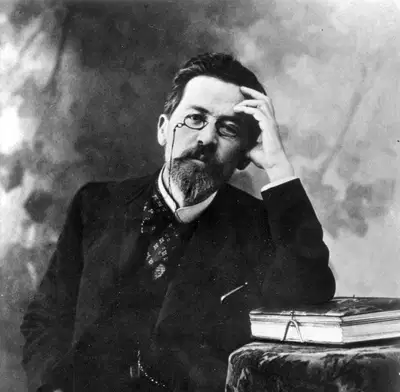
(Anton Chekov, 1896)
The forests grow ever fewer; the rivers parch; the wild life is gone; the climate is ruined; and with every passing day the earth becomes uglier and poorer.
5
6
Linked to the evolution of environmental rights in India.
Laid the groundwork for the growth of public interest litigation in a series of cases bristling with procedural innovation and doctrinal creativity.
Liberalization of locus standi and the recognition of citizen and representative standing created a new form of legal action.
Arrival of a new constitutional locus of power
In some public interest environmental cases, the Court has passed over 200 orders in two decades.
7
The Court's jurisdiction in public interest cases is derived from Article 32 of the Constitution of India.
For public interest litigation to be truly effective, the breadth of substantive rights protected under the Constitution would also need to be comprehensive.
The Court's recognition of an environmental right as part of the fundamental right to life opened the floodgates for public interest environmental cases.
8
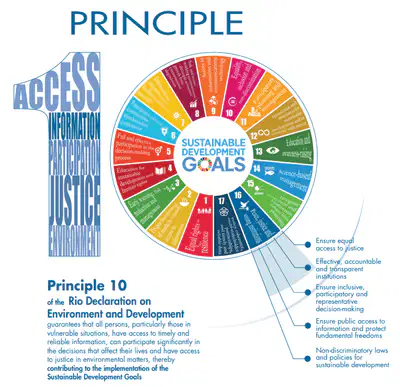
1992 Rio Declaration on Environment and Development recognizes:
That standards in some countries "may be inappropriate and of unwarranted economic and social cost" in developing countries.
9

The Court has held these principles to be '"essential features of sustainable development", "imperative for preserving ecology" and "part of the environmental law of India'."
The Court, therefore, requires these principles to be "applied in full force for protecting the natural resources of this country".
PRINCIPLES OF INTERNATIONAL ENVIRONMENTAL LAW
10
-M. Gallanter and J. Krishnan
11

12

13
COURT'S DIRECTIONS ON ENVIRONMENTAL ISSUES
Involved in general questions of law, but also in the technical details of many environmental cases.
Some critics of the Supreme Court described the Court as the ‘Lords of Green Bench’ or ‘Garbage Supervisor’
Judicial innovations have become part of the larger Indian jurisprudence ever since the Court started intervening in the affairs of an executive in the post-emergency period
14
Multiple Choice
The innovative methods initiated in resolving environmental litigation,
however, have been almost entirely dominated the
environmental jurisprudence process for more than
the last twenty years.
False
True
15
Multiple Select
The most important procedural innovation for
environmental jurisprudence has been:
The relaxation of traditional process of standing in the Court
Introducing the concept of Public Interest Litigation (PIL)
16

Public Interest Litigation
1. M.C. Mehta v. Union of India (Kanpur Tanneries Case)
2. Sachidanand Pandey v State of West Bengal, AIR 1987 SC 1109
3. Rural Litigation and Entitlement Kendra v State of UP, (Dehradun Lime Stone Quarrying case)
4. M/s Abhilash Textiles v Rajkot Municipal Corporation, AIR 1988 Guj. 57
5.. Subhash Kumar v State of Bihar, AIR 1991 SC 420
WEEK 4-6: WRIT REMEDY AND THE NATIONAL GREEN TRIBUNAL
ENVIRONMENTAL LAW
Show answer
Auto Play
Slide 1 / 16
SLIDE
Similar Resources on Wayground

10 questions
DASAR - DASAR DESAIN
Presentation
•
University
10 questions
Social Innovation - SI
Presentation
•
University
11 questions
Le verbe Etre au présent
Presentation
•
KG
12 questions
3A Gramática : -ER and -IR regular verbs
Presentation
•
KG - 12th Grade
10 questions
Quiz : Literature Review
Presentation
•
University
10 questions
Daily Routines
Presentation
•
University
13 questions
CAN, HAVE TO, MUST
Presentation
•
University
11 questions
Part-II, How to Talk About Actions, S.19-23, Version-2
Presentation
•
University
Popular Resources on Wayground
21 questions
Continents and Oceans

Quiz
•
6th Grade
20 questions
Parts of Speech
Quiz
•
5th Grade
16 questions
Subject & Predicate
Quiz
•
5th Grade
25 questions
Multiplication Facts
Quiz
•
5th Grade
12 questions
Map Skills
Quiz
•
3rd Grade
22 questions
Continents and Oceans
Quiz
•
5th Grade
15 questions
Rounding Decimals
Quiz
•
5th Grade
20 questions
Brand Labels
Quiz
•
5th - 12th Grade
Discover more resources for Special Education
20 questions
Disney Trivia
Quiz
•
University
10 questions
Spanish Greetings and Goodbyes!
Presentation
•
6th Grade - University
20 questions
Preterito vs. Imperfecto
Quiz
•
KG - University
15 questions
TOEFL Structure - TEST 2
Quiz
•
University
25 questions
Cell Transport
Quiz
•
KG - University
40 questions
Flags of the World
Quiz
•
KG - Professional Dev...
4 questions
Exit ticket for the end of class: Spotlight
Quiz
•
KG - Professional Dev...
12 questions
Hurricane or Tornado
Quiz
•
3rd Grade - University