
Reading: Plastics

Presentation
•
English
•
9th Grade
•
Practice Problem
•
Easy

Hà Linh
Used 3+ times
FREE Resource
9 Slides • 11 Questions
1
Reading:
Plastics
Read and answer the questions
2
PLASTICS - PART 1
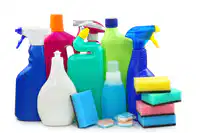
Plastics is the term commonly used to describe a wide range of synthetic or semi-synthetic materials that are used in a huge and growing range of applications.
Everywhere you look, you will find plastics.
We use plastic products to help make our lives cleaner, easier, safer and more enjoyable.
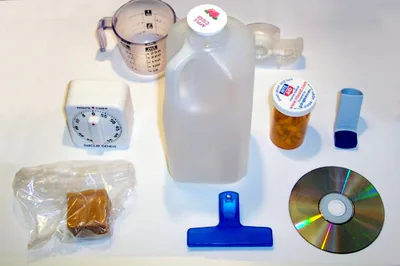
We find plastics in the clothes we wear, the houses we live in, and the cars we travel in.
The toys we play with, the televisions we watch, the computers we use and the DVDs we watch all contain plastics.
3
Multiple Select
What kind of materials are Plastics?
synthetic
biodegradable
semi-synthetic
raw materials
4
Plastics are synthetic and semi-synthetic materials.
Nhựa là nguyên liệu tổng hợp và bán tổng hợp.
(được tạo thành từ nhiều chất khác nhau)
Khác với:
Raw materials: Nguyên liệu thô
5
Multiple Choice
True or False:
Plastics are used in a huge and growing range of application.
True
False
6
applicationS
phạm vi ứng dụng lớn và đang gia tăng
vậy nên "ứng dụng" để số nhiều
7
Fill in the Blanks
Where will you find plastics?
8
Multiple Choice
Do plastics products help make our lives better?
Yes, they do
No, they don't
9
Multiple Select
What contain plastics?
Toys
Clothes
Houses
Cars
Televisions
10
PLASTICS - PART 2
Plastics are organic materials, just like wood, paper or wool.
The raw materials used to produce plastics are natural products such as cellulose, coal, natural gas, salt and, of course, crude oil.
Plastics have become the modern material of choice because they make it possible to balance today’s needs with environmental concerns.
11
Fill in the Blanks
What does "organic" mean in Vietnamese?
Type answer...
12
Multiple Choice
What's the most important material used to produce plastics?
cellulose
coal
natural gas
salt
crude oil
13
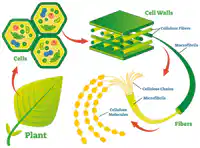
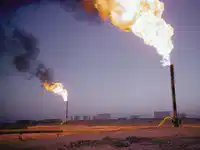
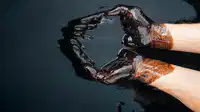
Chất giúp tạo nên gỗ ở thân cây
Cellulose
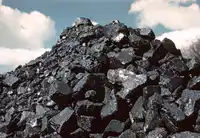
Than
Coal
Khí tự nhiên
Natural gas
Dầu thô
Crude oil
14
Fill in the Blanks
Plastics
15
Plastics balance today’s needs with environmental concerns.
Nhựa giúp cân bằng giữa nhu cầu hiện đại và những mối quan tâm về môi trường.
16
PLASTICS - PART 3
The term “plastic” is derived from the Greek word “plastikos”, meaning fit for moulding.
This refers to the material’s malleability, or plasticity during manufacture, which allows it to be cast, pressed, or extruded into a variety of shapes - such as films, fibres, plates, tubes, bottles, boxes, and much more.
17
Multiple Select
malleability (plasticity) có nghĩa là gì?
tính dẻo
tính cứng
tính dễ uốn
tính bền
18
Multiple Choice
Can you turn plastics into many shape?
You can only turn it into a mould
You can only turn it into a bottle
You can turn it into a variety of shapes
You can only turn it into clothes
19
Open Ended
Can you name what plastics can turn into?
20
Thank you!


Reading:
Plastics
Read and answer the questions
Show answer
Auto Play
Slide 1 / 20
SLIDE
Similar Resources on Wayground

12 questions
Springboard 3.4 MLA format
Presentation
•
9th Grade
12 questions
Comma Splice Carl #1
Presentation
•
9th Grade
16 questions
Topic Sentences
Presentation
•
9th - 10th Grade
15 questions
Simple Present
Presentation
•
9th Grade
16 questions
Fragments and Runons
Presentation
•
9th Grade
17 questions
Simple past
Presentation
•
9th Grade
13 questions
Idiom
Presentation
•
9th Grade
13 questions
LKPD Procedure Text
Presentation
•
9th Grade
Popular Resources on Wayground
6 questions
PRIDE Always and Everywhere
Presentation
•
12th Grade
20 questions
Lab Safety Quiz

Quiz
•
6th Grade
26 questions
KOR Review Kahoot Questions
Quiz
•
8th Grade
21 questions
Continents and Oceans
Quiz
•
6th Grade
12 questions
Unit Zero lesson 2 cafeteria
Presentation
•
9th - 12th Grade
20 questions
Parts of Speech
Quiz
•
5th Grade
10 questions
Riddles Riddles fun Riddles
Quiz
•
6th - 12th Grade
16 questions
Subject & Predicate
Quiz
•
5th Grade
Discover more resources for English
34 questions
Parts of Speech Review
Quiz
•
9th - 12th Grade
10 questions
Differentiating Primary and Secondary Sources in History

Interactive video
•
6th - 10th Grade
20 questions
Parts of Speech Review
Quiz
•
9th Grade
5 questions
9/4 RI 1 CCFU
Quiz
•
9th Grade
18 questions
"The Vietnam Wall" by Alberto Rios
Quiz
•
9th Grade
17 questions
Making Inferences
Quiz
•
8th - 9th Grade
20 questions
Denotation and Connotation Review
Quiz
•
7th - 9th Grade
20 questions
Compound Sentences
Quiz
•
9th Grade