The Cycling of Matter and Energy: Engage and Explore
Presentation
•
Science
•
9th - 12th Grade
•
Practice Problem
•
Easy
+7
Standards-aligned
Ronda Dodson
Used 3+ times
FREE Resource
22 Slides • 5 Questions
1
2

3.1.8: THE
CYCLING OF
MATTER &
ENERGY
Engage and Explore
3
Objectives
Understand the interactions
of matter and energy among
various Earth systems.
4
Vocabulary
Padlet
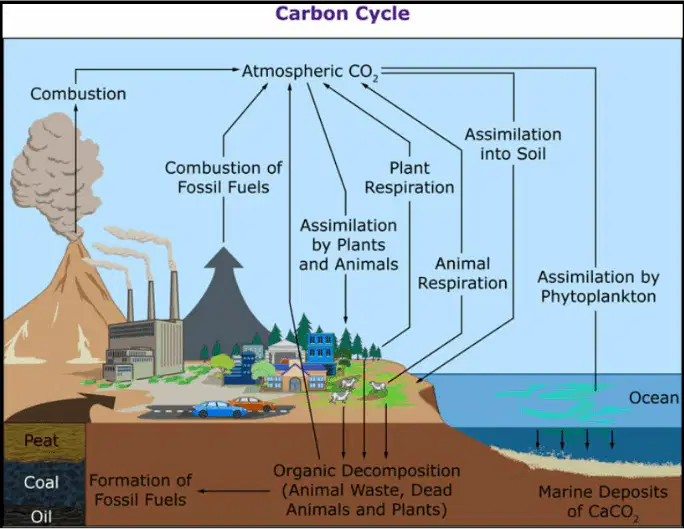
•carbon cycle - A natural cycle in which carbon compounds, mainly carbon
dioxide, are incorporated into living tissue through photosynthesis and
returned to the atmosphere by respiration, decay of dead organisms, and
the burning of fossil fuels.
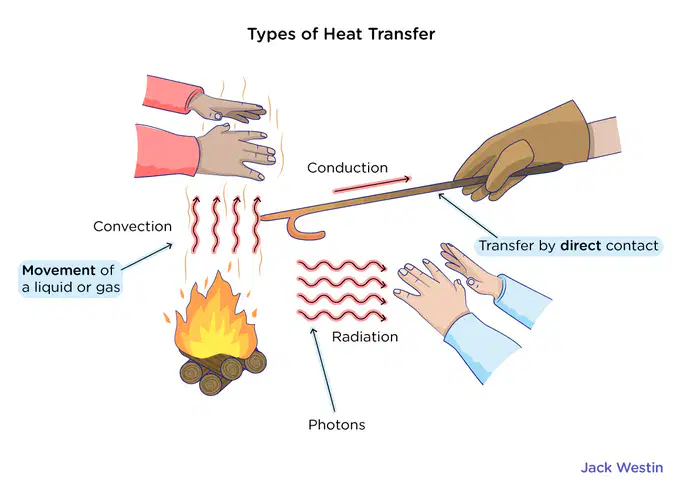
•conduction - The transfer of heat energy within an object, or between
objects that are directly touching each other, due to collisions between the
particles in the objects.
•convection - The transfer of heat from one place to another caused by the
movement of molecules, hot material rises, and cold material sinks.
•radiation - A process by which energetic electromagnetic waves move
from one place to another.
•solar energy - Radiant energy that comes from the Sun.
•thermal energy - Energy in the form of heat.
Password for padlet: science
5
6
TRACING THE CYCLING
OF MATTER AND
ENERGY
7
Cycles Keep
Matter Moving
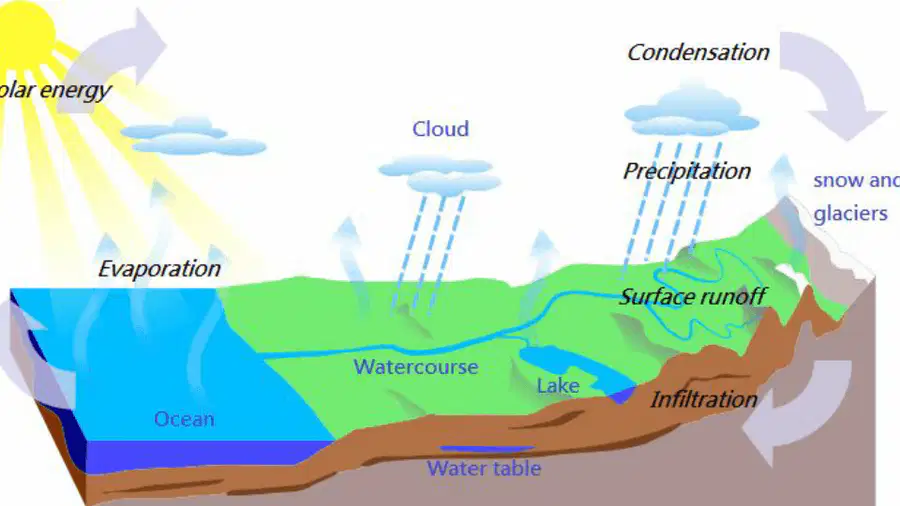
Water cycles through the interacting spheres that
make up the environment.
Hydrosphere, atmosphere, geosphere, and biosphere
work together in a complex system that stores and
distributes water.
8
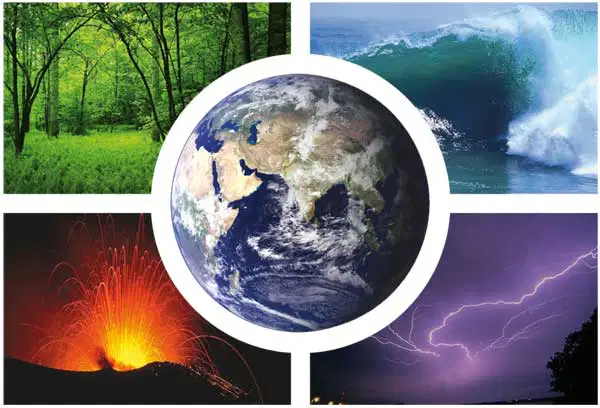
Interactions between Earth's Spheres
9
How are the Spheres Linked to Each Other
Water changes between solid, liquid, and vapor as it moves through the
geosphere, atmosphere, and biosphere.
Carbon converts into different molecular species in order to pass from the
atmosphere or geosphere to the biosphere.
Salts eroded from continental rocks in the geosphere to eventually wash
into the hydrosphere.
10
Multiple Choice
Which is an example of the Earth's spheres interacting?
A tornado lifting soil from the geosphere into the atmosphere.
A giraffe peacefully drinking water from a watering hole
A river causing erosion of its banks through running water.
All of the above
11
What's going on?
12
Thermal and
Solar Energy
• Matter is any substance that takes up space and has
mass.
•Most matter exists as a solid, liquid, or gas.
• Energy is needed to transform matter from one state to
another.
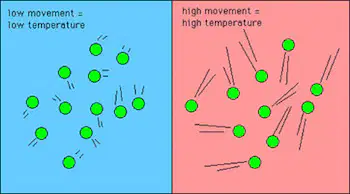
• The temperature of an object is a measure of its thermal
energy.
•There's more thermal energy when an object is warm than when it
is cold.
• Solar energy is the radiant energy from the sun.
13
Thermal Energy and Heat
14
Multiple Choice
As Keisha heats up water for hot chocolate, the molecules _____.
15
Thermal Energy
Movement
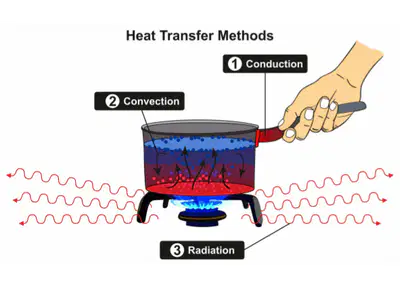
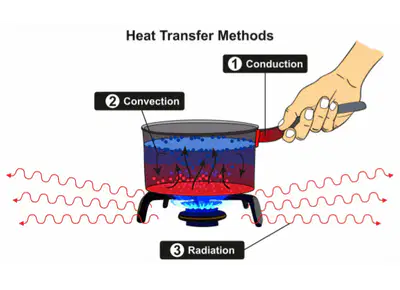
Conduction is the transfer of heat
from molecule to molecule or atom
to atom through direct contact.
16
Thermal Energy
Movement
Convection is the transfer of heat
through primarily vertical
movement in fluids.
17
Thermal Energy
Movement
Radiation is energy that travels as
electromagnetic waves. These waves
carry thermal energy in the form of
transverse waves, similar to the way
that ocean waves carry energy
through water.
18
Dropdown
the transfer of heat from one place to another caused by the movement of molecules, hot material rises, and cold material sinks
a process by which energetic electromagnetic waves move from one place to another
the transfer of heat energy within an object, or between objects that are directly touching each other
19
Uneven Distribution of
Heat
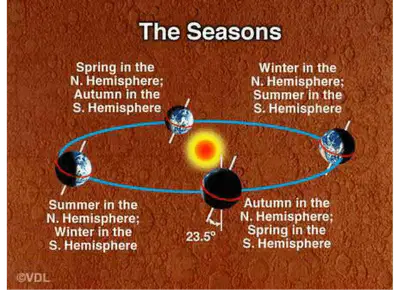
• Earth does not heat evenly
because the planet tilts at a
23.5° angle
20
Ocean current and climate
21
Multiple Choice
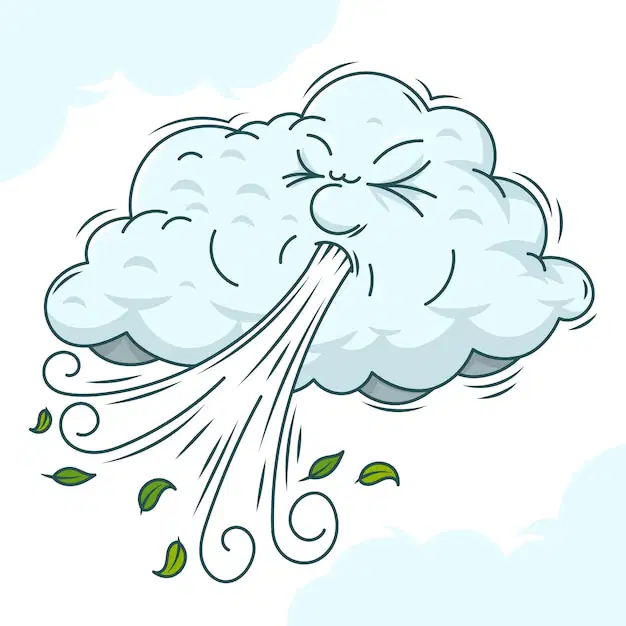
What causes wind?
22
23
24
25
Multiple Choice
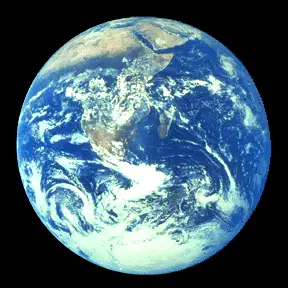
True or False: Earth contains many different cycles that interact with each other and they move through Earth's different spheres.
True
False
26
27
Conclusions
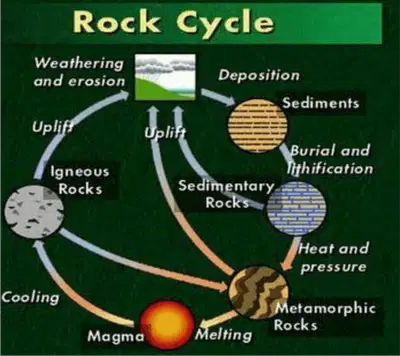
•Earth also recycles many resources.
•Matter cycles between different reservoirs on the planet. Matter
also changes between solid, liquid, and gas states
when energy is gained or lost. Different forms of energy fuel
processes on Earth.
•Energy is transferred by radiation, conduction, and convection.
•The water cycle moves, ice, liquid water, and water vapor
through Earth's various spheres.
•Important elements, such as carbon, are cycled through Earth's
spheres.
Show answer
Auto Play
Slide 1 / 27
SLIDE

Similar Resources on Wayground
22 questions
Carbohydrates
Presentation
•
9th - 11th Grade
22 questions
Ion Formation and Ionic Bonding
Presentation
•
10th - 12th Grade
19 questions
Layers of the Earth
Presentation
•
10th - 12th Grade
24 questions
Plate Tectonics
Presentation
•
9th - 12th Grade
24 questions
Cell Membrane
Presentation
•
9th - 12th Grade
21 questions
Atmosphere Refresher
Presentation
•
9th - 12th Grade
19 questions
3.4 Behavior of Gases
Presentation
•
9th - 12th Grade
21 questions
Wave Equation
Presentation
•
9th - 11th Grade
Popular Resources on Wayground
25 questions
The Ultimate College Knowledge Quiz
Quiz
•
8th Grade
20 questions
Math Review
Quiz
•
3rd Grade
15 questions
Fast food
Quiz
•
7th Grade
20 questions
Math Review
Quiz
•
6th Grade
20 questions
Context Clues
Quiz
•
6th Grade
20 questions
Inferences
Quiz
•
4th Grade
19 questions
Classifying Quadrilaterals
Quiz
•
3rd Grade
20 questions
Figurative Language Review
Quiz
•
6th Grade
Discover more resources for Science
20 questions
MCAS Biology Review
Quiz
•
9th - 10th Grade
21 questions
Explore DNA Processes and Protein Formation
Quiz
•
9th - 12th Grade
20 questions
Human Impact on the Environment Review #2
Quiz
•
9th Grade
50 questions
living environment regents review
Quiz
•
9th Grade
17 questions
Unit 9 - Chemical and Nuclear Reactions
Quiz
•
9th - 12th Grade
50 questions
chem final review
Quiz
•
9th Grade
10 questions
Exploring Ecological Levels: Organism to Ecosystem
Interactive video
•
6th - 10th Grade
233 questions
BioPhysics B - Final Exam
Quiz
•
9th - 12th Grade