

Exploring Group Dynamics

Presentation
•
Social Studies
•
9th - 12th Grade
•
Practice Problem
•
Easy

Jessica J.
Used 1+ times
FREE Resource
18 Slides • 7 Questions
1
Exploring Group Dynamics
Understanding the dynamics within a group and how individuals interact and influence one another. Key concepts include communication, leadership, and decision-making.
2

Group Sociology
3
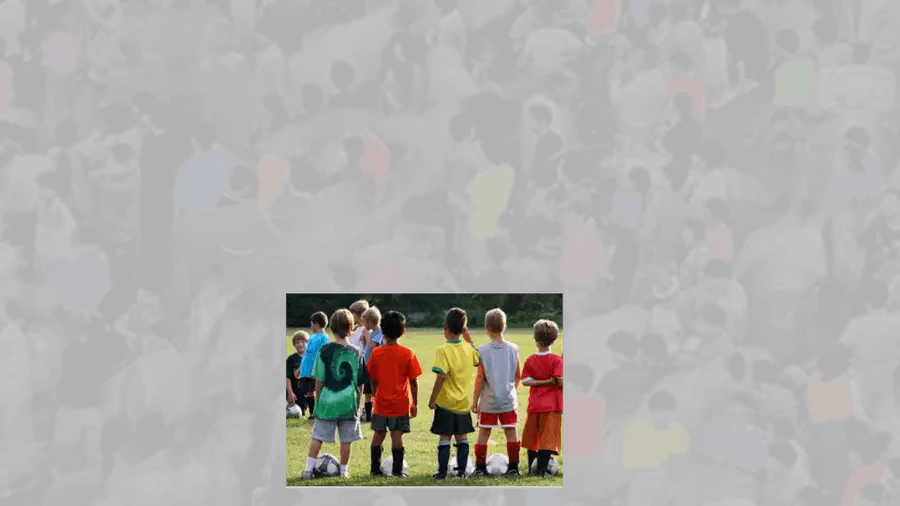
Understanding Socialization
• Socialization refers to the preparation of newcomers to become
members of an existing group and to think, feel, and act in ways the
group considers appropriate. Viewed from the group's point of view,
it is a process of member replacement.
• Simply put Socialization is the process of preparing individuals to be part of a
group
4
Multiple Choice
What is socialization?
The process of preparing individuals to be part of a group
The process of preparing individuals to be alone
The process of preparing individuals to be leaders
The process of preparing individuals to be followers
5
Multiple Choice
Socialization happens best by:
Living in a cave
Interacting with animals
Interacting with other humans
Interacting with chemicals
6
Socialization:
7
Multiple Choice
Socialization is a _________________ process.
Short
Lifelong
Month long
Year Long
8
Multiple Choice
9

Social Categories
• Groups can be formed around a
number of perceived shared
social characteristics
• Ex. Seniors, Women, Minorities
• Often people will attach
stereotypes or stigmas to people
based on social category
• Not at all true for all members of
group
• Ex. Senior Citizens are bad drivers
(some might be but not all)
10
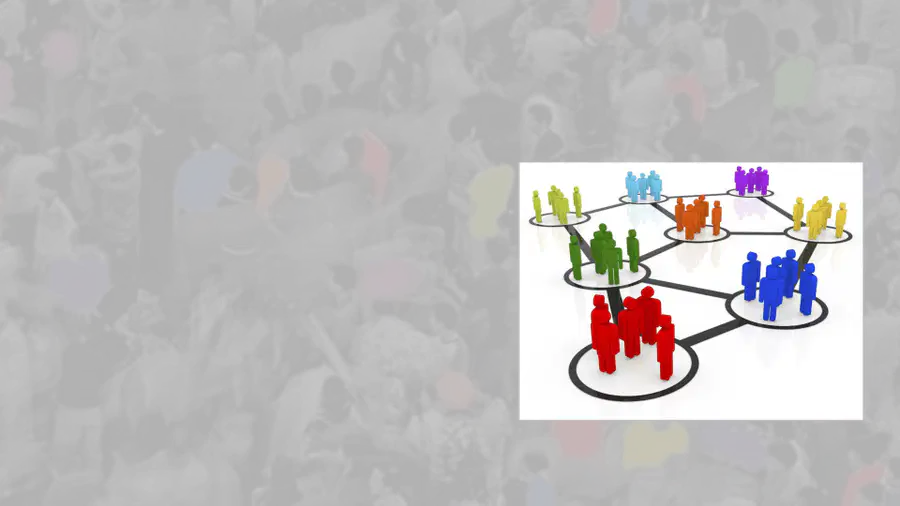
Sociological Definition of Groups
• At least two people who have one or
more goals in common and share
common ways of thinking and
behaving
• Will group together because of
common thinking, or common thinking
will develop over periods of interaction
• Groups form basis of understanding
social interaction and process of
socialization
11

Social Aggregate
• A group that consists of
members who share little else
other than that they happen to
be in the same place at the same
time
• Ex. A group of people who are on
the same flight
• Random groups comprised of
random members
• Do not even really interact much
other than being in the same
general area as one another
• Ex. Single Serving Friends
12

Primary Group
• The group that you have the most
contact and investment with over long
periods of time
• Ex. Family
• Have the most in common with
• Closest connections in beliefs, values,
opinions, interests, goals
• Take each others behavior/opinions into
account
• Ex. “if I do this what will my parents think?”
13

Secondary Group
• A group you have less contact with
or only for a period of time. Usually
a group geared towards completing
a specific goal or task.
• Ex. Students comprised in a Sociology
course with the common task of
completing the class
• Have much less investment and less
in common with other members
than Primary Group
• Share very little beliefs and values
14
Group Dynamics:
15
Multiple Choice
Which term refers to random groups of people who share little else other than being in the same place at the same time?
Stereotypes and Stigmas
Social Aggregates
Primary Groups
Group Dynamics
16
Random Groups
Trivia: Did you know that random groups of people who share little else other than being in the same place at the same time are called Primary Groups? These groups are characterized by close, personal relationships and are often formed based on common interests or goals. They provide individuals with emotional support and a sense of belonging.
17
Multiple Choice
What are the different types of groups discussed in the passage?
Primary and secondary groups
In-groups and out-groups
Cooperation and common goals
Exclusivity and group conflict
18

Sub-Divisions of Groups
The In-Group
• Exclusive group demanding
intense loyalty as part of
membership
• Form barriers to entrance
• Exclusivity
• Symbol of group membership
• Specific behaviors expected
The Out-Group
• Group targeted by an in-group
for opposition, antagonism, or
competition
• Clash with in-groups
• Extremely dangerous when
groups are violent.
• Ex. Eric Harris and Dylan Klebold
19
In-groups and out-groups
Trivia: In-groups are social groups to which an individual feels a sense of belonging and loyalty, while out-groups are groups that an individual does not identify with. These groups can influence our behavior and attitudes towards others. Understanding in-groups and out-groups is crucial for studying social dynamics and intergroup relations.
20
Group Dynamics: Limited Resources
In crisis situations, group members may resort to coercion, where some are forced to give in to others. This one-way street benefits group leaders more than members. However, groups can also form for positive reasons, such as social exchange, where individuals voluntarily do something for others with the expectation of reciprocity. Conflict within groups can foster unity and attention to inequities, leading to change.
21
Multiple Choice
What is one positive reason for groups to form?
Coercion
Social exchange
Conflict
Unity
22
Positive Reason for Conflict
Trivia: Conflict can lead to growth and innovation. It challenges individuals and groups to think critically, find creative solutions, and improve relationships. However, effective conflict resolution is crucial to maintain a healthy group dynamic.
23

Reasons for Groups
• Conflict
• Work against each other
• Defeating opponent is
essential
• Benefits
• Unity within group
• Attention to inequities
• Fosters change
24

Reasons for Groups
• Cooperation
• Combine efforts for a common goal
• Best use of limited resources
• Crisis situation
• “How can we reach our goal?”
• Coercion
• People forced to give in to others
• Opposite of social exchange
• One-way street – Group leaders benefit
more than members
Picture Explanation: Czech
woman crying while giving
Nazi salute after German
takeover or Czechoslovakia
25

Reasons for Groups
• Social Exchange
• Voluntarily doing something
for someone else
• Usually Expect something in
return
• “What’s in it for me?”
• Reciprocity:
• Returning the favor
• Doing something for someone
because of something they
have done for you
Exploring Group Dynamics
Understanding the dynamics within a group and how individuals interact and influence one another. Key concepts include communication, leadership, and decision-making.
Show answer
Auto Play
Slide 1 / 25
SLIDE
Similar Resources on Wayground

19 questions
Age of Exploration - Intro & Columbian Exchange
Presentation
•
9th - 12th Grade
23 questions
Personal Finance Vocab
Presentation
•
9th - 12th Grade
19 questions
Impacts of Industrialization
Presentation
•
9th - 12th Grade
21 questions
"Rebirth": Renaissance Art and Architecture
Presentation
•
9th - 12th Grade
19 questions
Political Parties
Presentation
•
9th - 12th Grade
20 questions
Properties of Matter Notes
Presentation
•
9th - 12th Grade
21 questions
The Progressive Era
Presentation
•
9th - 12th Grade
20 questions
Lobbyist
Presentation
•
9th - 12th Grade
Popular Resources on Wayground
24 questions
PBIS-HGMS Day 10

Quiz
•
6th - 8th Grade
10 questions
HCS SCI 03 Summer School Review 3
Quiz
•
3rd Grade
11 questions
Home Scope
Quiz
•
7th - 8th Grade
15 questions
HCS SCI 05 Summer School Assessment 3 Review
Quiz
•
5th Grade
35 questions
Lufkin Road Middle School Student Handbook & Policies Assessment
Quiz
•
7th Grade
18 questions
Geo 11.3 Area of Circles and Sectors
Quiz
•
9th - 11th Grade