Day 3, ACP
Presentation
•
Biology
•
12th Grade
•
Practice Problem
•
Medium
Lesya White
Used 5+ times
FREE Resource
8 Slides • 12 Questions
1
2
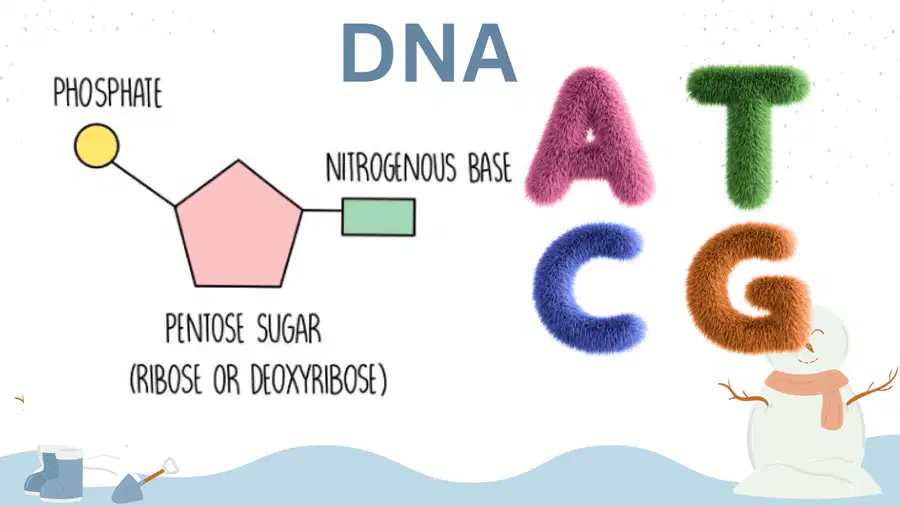
3
Fill in the Blanks
4
Multiple Choice
The sequence of nitrogenous bases in DNA varies widely. The sequence of the bases in DNA is most important for which of the following?
Providing the instructions for the traits of an organism
Preventing mutations from occurring during DNA replication
Allowing the DNA to have the shape necessary for replication
Helping form the sugar-phosphate backbone of DNA molecules
5
6
Hotspot
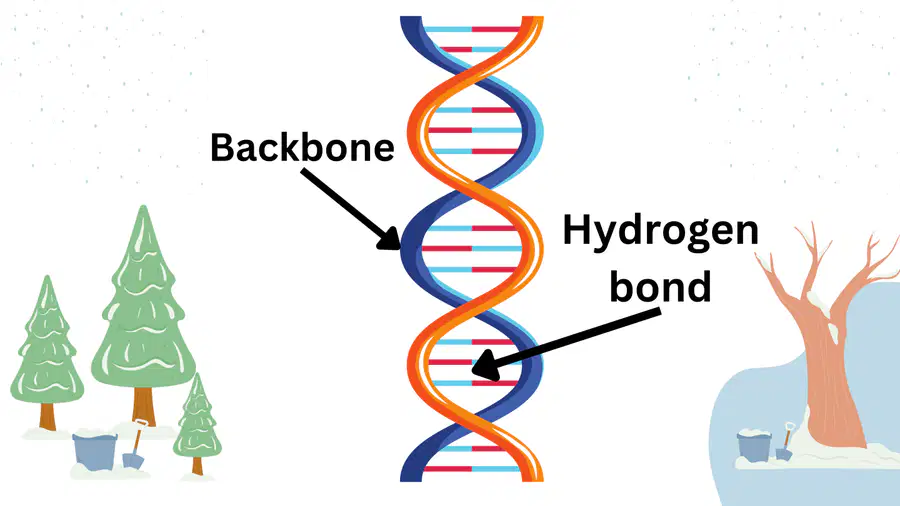
Identify the DNA backbone
7
transcription
translation
8
Match
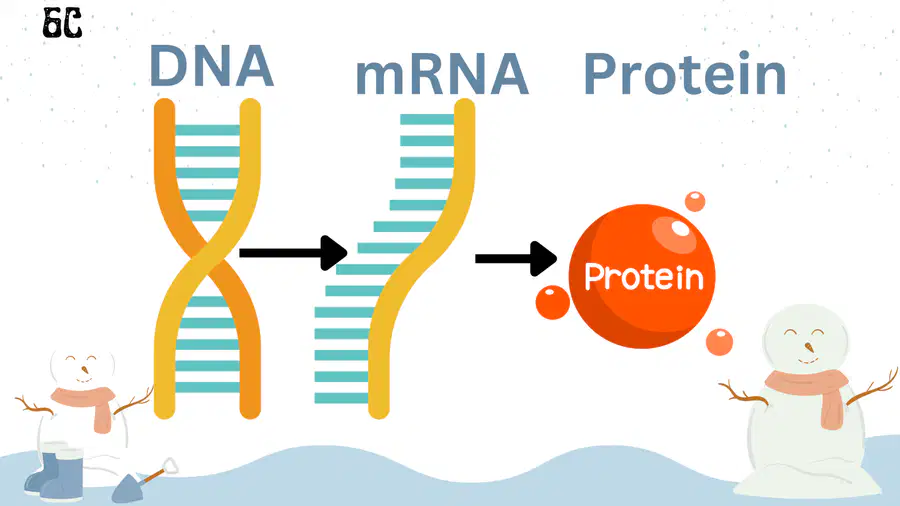
Match the stage of protein synthesis with the correct image
transcription
translation
transcription
transcription
transcription
translation
transcription
transcription
9
Multiple Choice
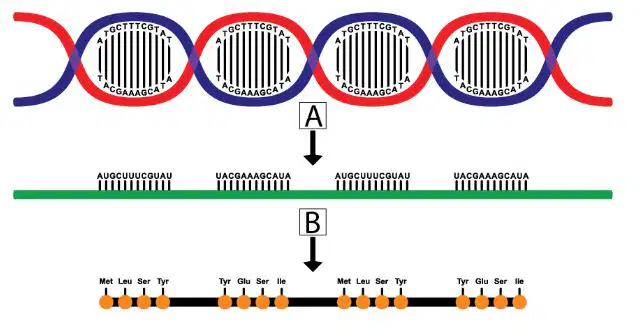
A diagram of DNA undergoing processes is shown.
The process that is labeled with an ‘A’ is —
replication, which is the formation of new alleles
translation, which is the process that converts mRNA into protein
transcription, which is the process of copying a sequence of DNA to RNA
recombination, which ensures that each cell has one complete set of instructions
10
11
Fill in the Blanks
12
Fill in the Blanks
13
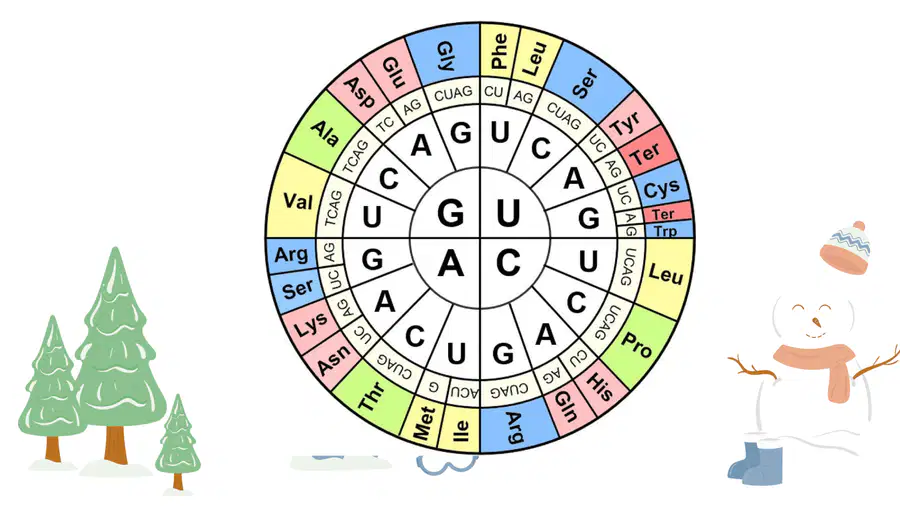
Find a protein that can be
synthesized with this
DNA sequence
3'ATT CGT 5'
14
15
Multiple Choice
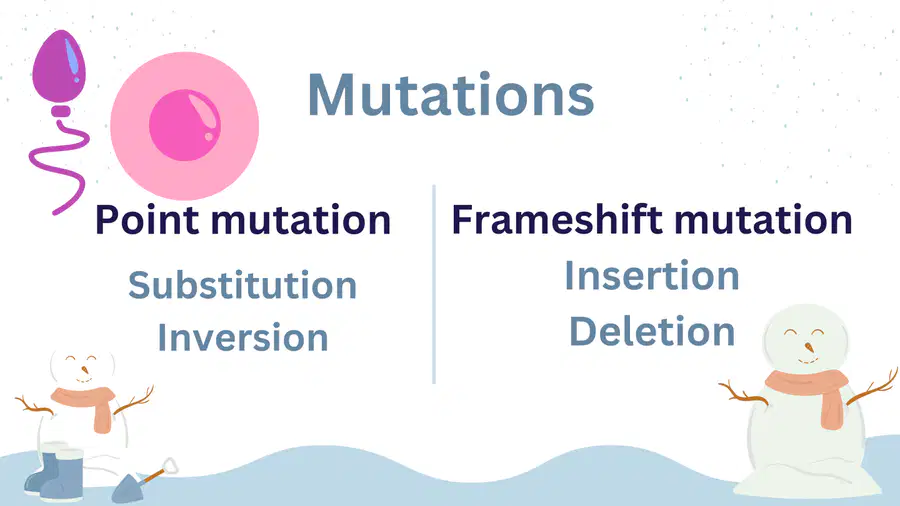
Which of the following DNA mutations involves the substitution of one nucleotide base with another?
Deletion mutation
Insertion mutation
Point mutation
Frame-shift mutation
16
Multiple Choice
Which statements explain how a mutation in a somatic cell is different from a mutation that occurs in gametes?
Somatic cell mutations occur in cells that give rise to gametes. Gamete mutations occur in cells that result in apoptosis.
Somatic cell mutations are maintained in the gene pool. Gamete mutations are expelled from the gene pool.
Somatic cell mutations are generally not passed to offspring. Gamete mutations are usually passed to offspring.
Somatic cell mutations will not be expressed by the individual that contains the mutation. Gamete mutations will be expressed by the individual.
17
Multiple Choice
Sickle-shaped red blood cells result from a mutation in the gene that codes for hemoglobin. This mutation results in sickle-cell anemia. A partial sequence of bases from a normal hemoglobin gene and a sequence that results in sickle-cell anemia are shown below. What type of mutation is depicted in this sequence?
Substitution
Insertion
Deletion
Frameshift
18
This occurs during
DNA transcription
19
Multiple Choice
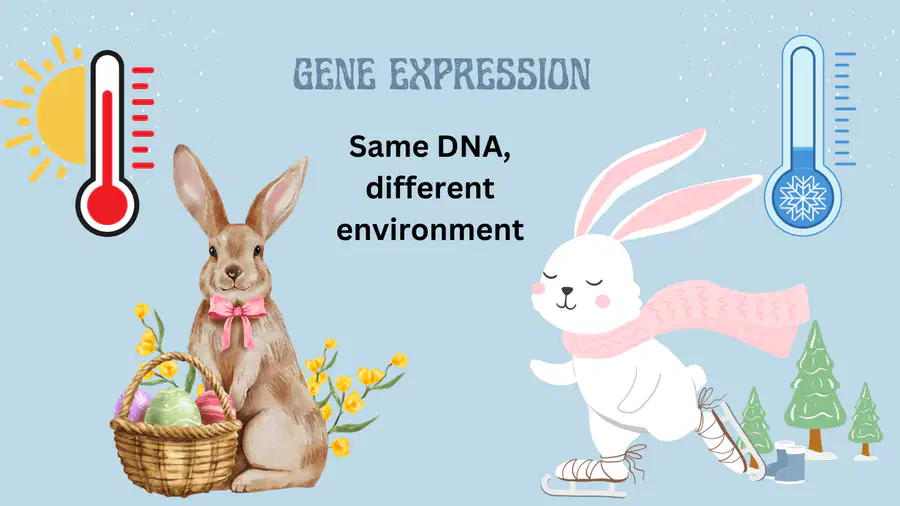
Which of the following processes is a key step in gene expression?
DNA replication
RNA splicing
Protein folding
DNA transcription
20
Multiple Choice
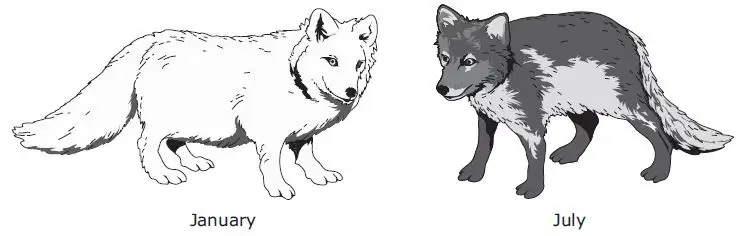
The arctic fox inhabits northern areas of North America. The same arctic fox is shown in the drawing at different times of the year. What causes this change in fur color?
The alleles for fur color change as the arctic fox grows older.
Gene expression for fur color is regulated by latitude.
The arctic fox has two traits for fur color that are determined at birth.
Gene expression for fur color is regulated by temperature.
Show answer
Auto Play
Slide 1 / 20
SLIDE

Similar Resources on Wayground
13 questions
PPKn
Presentation
•
12th Grade
14 questions
5.06 Enviro Legislation Vocab
Presentation
•
12th Grade
15 questions
BE + GOING TO
Presentation
•
12th Grade
16 questions
Patterns Of Evolution
Presentation
•
12th Grade
12 questions
Levels of Organization
Presentation
•
12th Grade
17 questions
Cell Theory
Presentation
•
11th - 12th Grade
19 questions
BIOTEKNOLOGI
Presentation
•
12th Grade
18 questions
Unit 4 Review AP Bio
Presentation
•
11th - 12th Grade
Popular Resources on Wayground
6 questions
Secondary Safety Quiz
Presentation
•
9th - 12th Grade
10 questions
MyPath Diagnostic Overview
Presentation
•
6th - 8th Grade
20 questions
Lab Safety Quiz
Quiz
•
6th Grade
21 questions
Continents and Oceans
Quiz
•
6th Grade
20 questions
Adding and Subtracting Decimals
Quiz
•
5th Grade
20 questions
Parts of Speech
Quiz
•
5th Grade
16 questions
Subject & Predicate
Quiz
•
5th Grade
21 questions
Lab Safety
Quiz
•
10th Grade
Discover more resources for Biology
20 questions
Scientific Method & Variables
Quiz
•
9th - 12th Grade
10 questions
Exploring the 4 Major Macromolecules and Their Functions
Interactive video
•
9th - 12th Grade
16 questions
AP Biology: Unit 1 Review (CED)
Quiz
•
9th - 12th Grade
14 questions
AP Bio Insta-Review Topic 1.1*: Structure of Water & H Bonding
Quiz
•
9th - 12th Grade
24 questions
Cell vocabulary practice 1
Quiz
•
9th - 12th Grade
20 questions
Properties of Water
Quiz
•
9th - 12th Grade
20 questions
Anatomy Directions and planes
Quiz
•
12th Grade
9 questions
Body Cavities
Quiz
•
12th Grade