Lesson- Recycling of Matter and Energy in the Biosphere
Presentation
•
Science
•
9th - 12th Grade
•
Practice Problem
•
Easy
Karen Kelly
Used 3+ times
FREE Resource
2 Slides • 32 Questions
1
Multiple Select
There are only two things in the Universe, ____ and ____. (choose two)
stars
matter
galaxies
energy
2
Multiple Choice
The only thing you can touch in the Universe is __.
antimatter
energy
matter
galaxies
stars
3
Multiple Choice
But you cannot touch ___
galaxies
stars
energy
planets
matter
4
Multiple Choice
Matter is made up of ___
biomolecules
atoms
energy
tiny rocks
5
Multiple Choice
The ability to cause change (work) is known as ___.
energy
atoms
matter
motion
6
The next several questions are referring to the Matter (left side of your notes).
7
Multiple Choice
The Law of Conservation of Matter states that matter (atoms) can never be created nor destroyed
true
false
8
Multiple Choice
The seven billion billion billion atoms that make up your body used to be part of ___
the ocean
dinosaurs
Albert Einstein
redwood tree
all of these and more
9
Multiple Choice
Which one of the following is true?
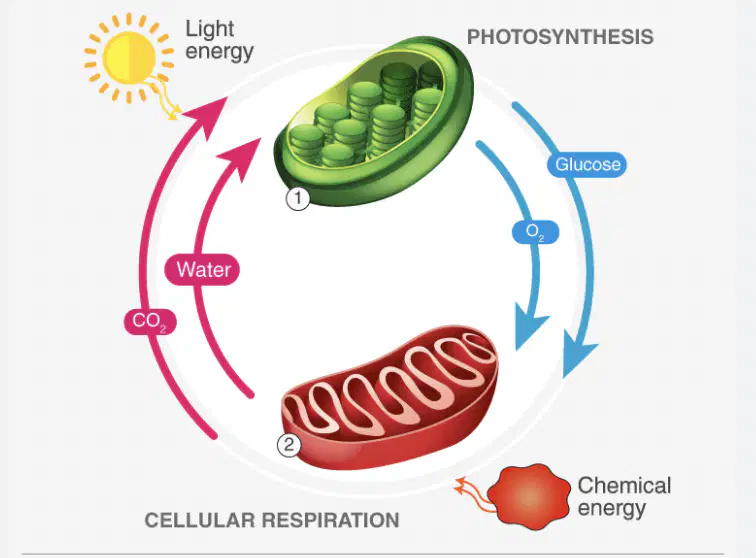
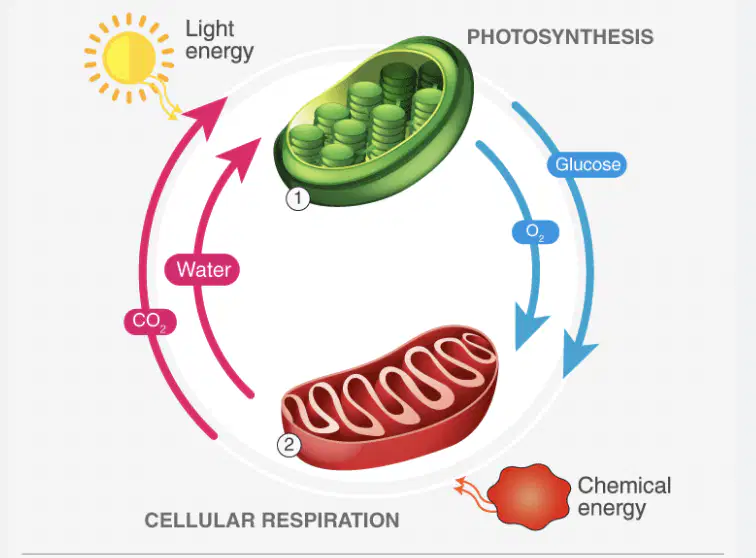
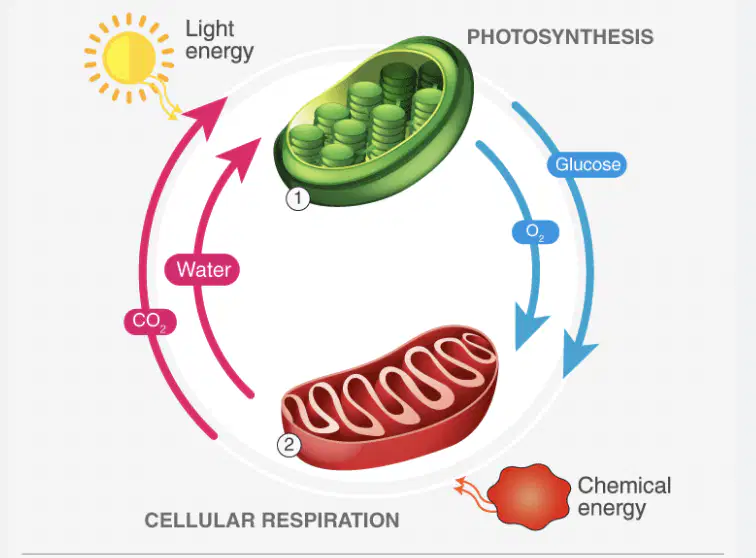
Cellular respiration occurs in mitochondria and in chloroplasts.
Photosynthesis occurs in chloroplasts and cellular respiration occurs in mitochondria.
Photosynthesis occurs in mitochondria and in chloroplasts.
Photosynthesis occurs in mitochondria and cellular respiration occurs in chloroplasts.
10
Multiple Choice
The atoms that enter the process of photosynthesis (reactants) are the same atoms that come out (products).
True
False
11
Multiple Select
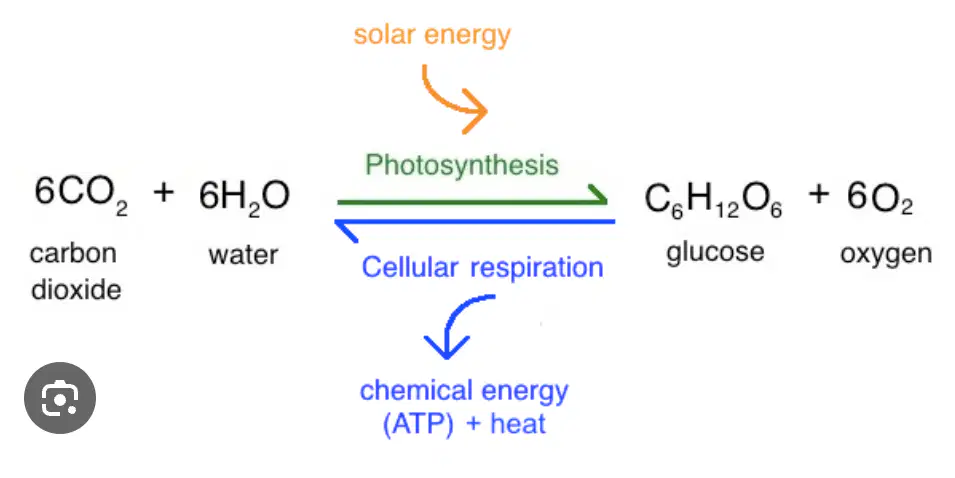
Which two molecules are the REACTANTS of photosynthesis?
H2O
C6H12O6
CO2
O2
Sunlight
12
Multiple Select
Which two molecules are the PRODUCTS of photosynthesis?
CO2
H2O
O2
Sunlight
C6H12O6
13
Multiple Choice
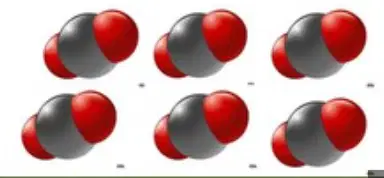
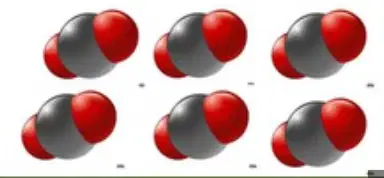
How many atoms of carbon are there in 6 CO2?
1
2
6
12
14
Multiple Choice
How many atoms of Oxygen are there in 6 CO2?
1
2
6
12
15
Multiple Choice
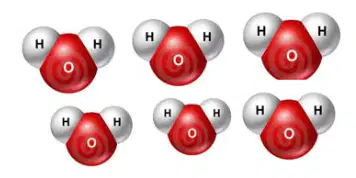
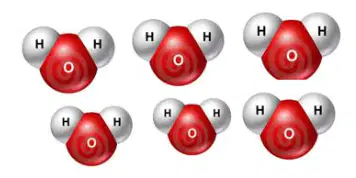
How many Hydrogen atoms are there in 6 H2O?
1
2
6
12
16
Multiple Choice
How many Oxygen atoms in 6 H2O?
1
2
6
12
17
Multiple Choice
The energy source for creating high energy food (glucose) during photosynthesis comes from the ___.
C6H12O6
O2
Sunlight
CO2
H2O
18
Multiple Choice
Cellular Respiration occurs in the __.
chloroplast
nucleus
mitochondria
cytoplasm
19
Multiple Select
The REACTANTS of Cellular Respiration are. ___ and ___.
CO2
H2O
C6H12O6
O2
ATP
20
Multiple Select
The PRODUCTS of Cellular Respiration are ___ and ___.
CO2
H2O
C6H12O6
O2
Sunlight
21
Multiple Select
Which explanation best describes how this cycle illustrates the Law of Conservation of Mass. (select 2)
The atoms in the reactants are the same atoms that are in the products
The mass of the reactants equals the mass of the products
The solar energy going into the reaction equals the chemical energy that comes out.
Some of the mass of the atoms in the reactants is lost during the reaction
22
Now for the energy side of your notes (right side)....
23
Categorize
Charged battery
Rock at top of hill
A dammed lake
Rock rolling down hill
Waterfall
Stretched rubber band
Compressed spring
Wind turbine spinning
Car moving
Person running
Bouncing ball
Swinging pendulum
Food
Gasoline
Glucose
Sunlight
Electricity
Chemical Energy
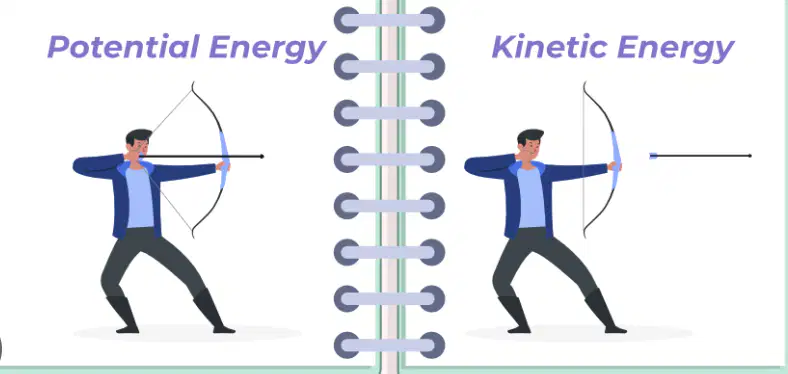
Organize these options into the right categories: Potential Energy (stored energy) or Kinetic Energy (energy of motion).
24
Multiple Select
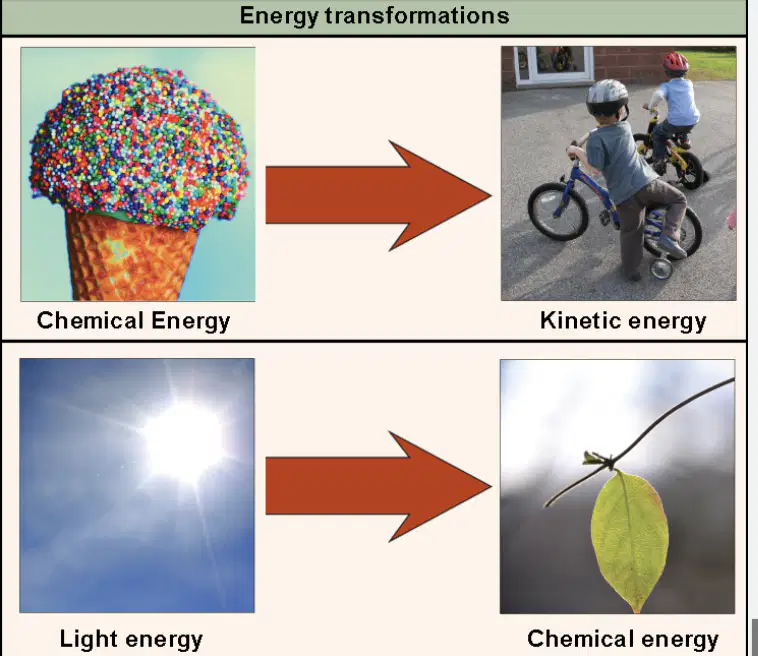
We are observing the First Law of Thermodynamics when ....
(choose all that are true)
sunlight is converted to the chemical energy within glucose during photosynthesis
water falling over a dam is converted to electricity
gasoline makes our cars move
eating food gives our cells energy to function during cellular respiration.
25
Multiple Select
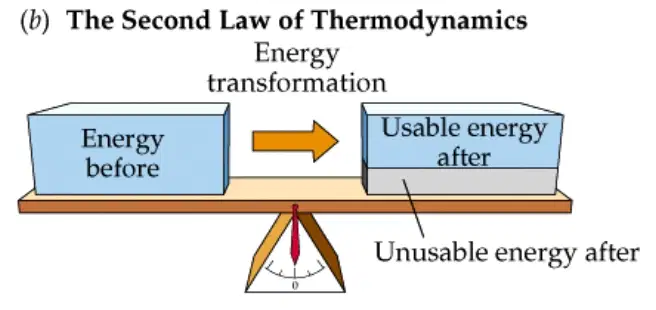
The Second Law of Thermodynamics states that whenever energy changes form, some is energy is lost (given off as heat). In other words, no energy transformation is 100% efficient. Which are examples of the Second Law of Thermodynamics? (Choose all that are true)
A cup of hot coffee gets cold over time.
Gas powered cars require radiators to cool the engine
Cars require oil to lubricate the engine in order to decrease heat from friction.
A compost pile gives off heat as the organisms decompose inside of it.
26
Multiple Choice
Which physical law is being observed?
During photosynthesis, the radiant energy of sunlight is converted to the chemical energy within glucose.
Law of Conservation of Mass
1st Law of Thermodynamics
2nd Law of Thermodynamics
All three laws.
27
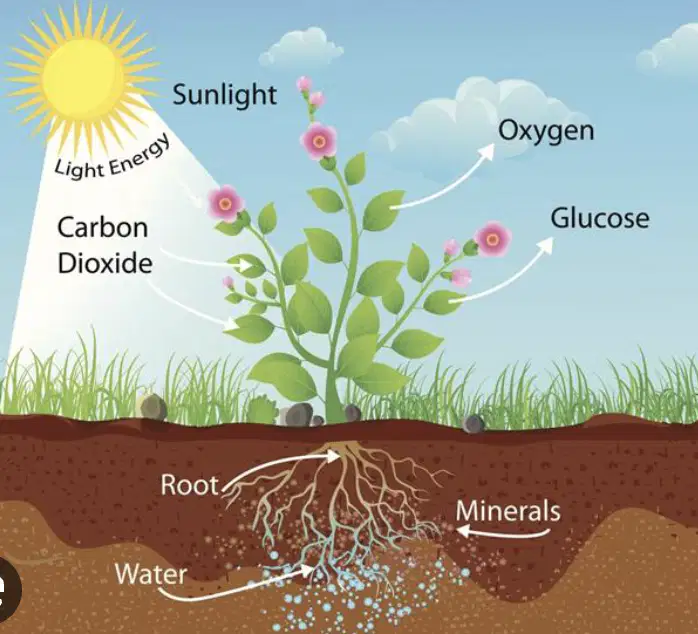
Draw
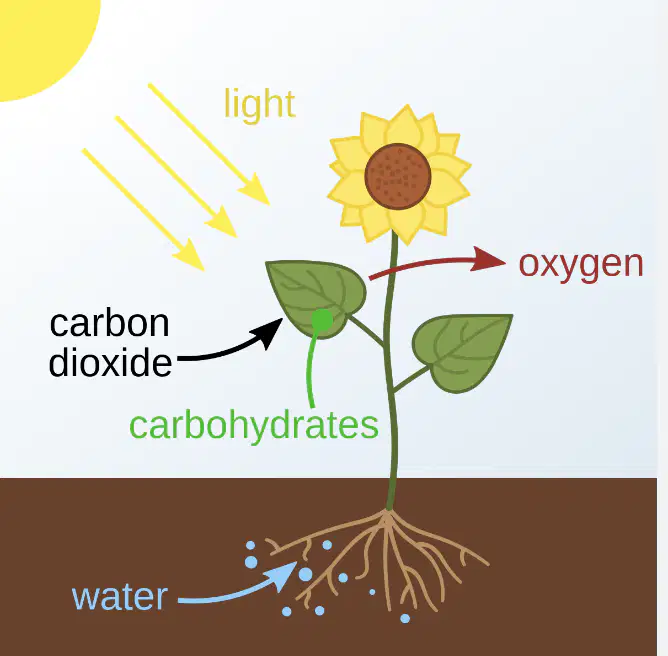
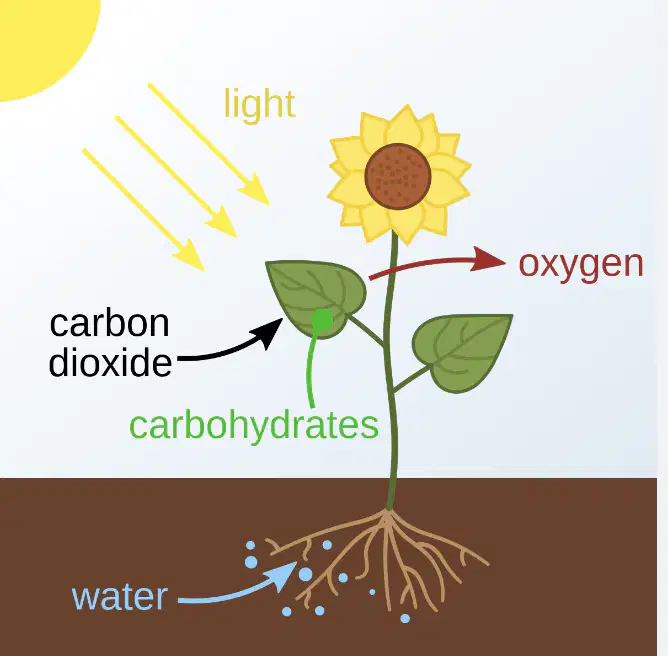
Draw in the following compounds on the plant in the correct location, with arrows during photosynthesis:
CO2 - gas
O2 - gas
H2O - liquid
C6H12O6 - glucose
28
Multiple Choice
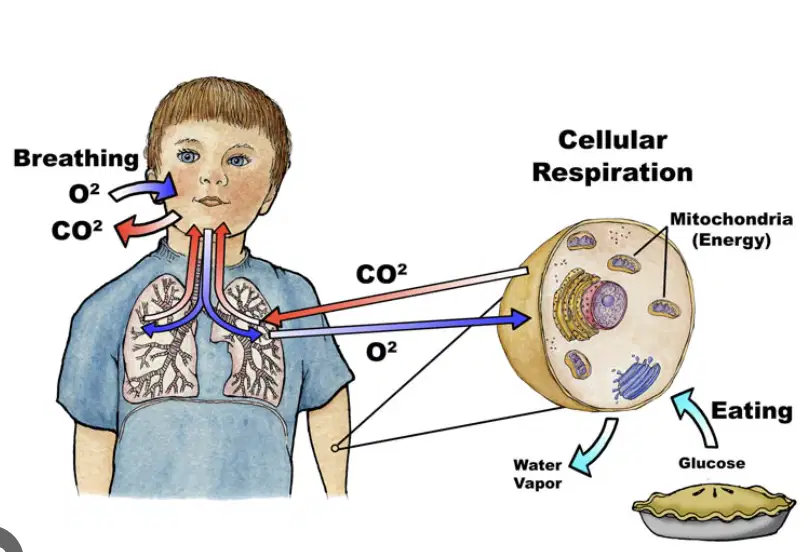
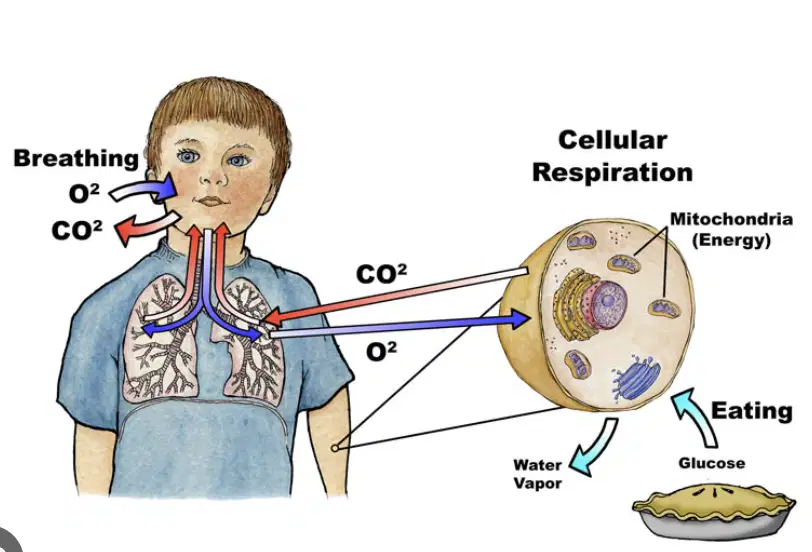
During Cellular Respiration, energy rich glucose/food and oxygen from the air we breathe, is converted to carbon dioxide that we breathe out, and water, while releasing energy (ATP) for our cells to use for all its processes.
True
False
29
Multiple Choice
The reason that we breathe in oxygen and breathe out carbon dioxide is because of our cells doing Cellular Respiration.
True
False
30
Multiple Choice
Which physical law is being observed during Cellular Respiration when
C6H12O6 + 6 O2 --> 6 CO2 + 6 H2O
Law of Conservation of Mass
1st Law of Thermodynamics
2nd Law of Thermodynamics
All three laws
31
Multiple Choice
___cells do Photosynthesis, and ___ cells do Cellular Respiration
Plant
Animal
All
Plant
Plant
All
All
All
32
Reorder
Reorder the following, showing how energy passes through our biosphere and eventually gives us electricity.
Sun
glucose within plants
Plants change to fossil fuels over millions of years
Fossil Fuels are burned to create electricity
Electricity powers appliances in your home
33
Reorder
Reorder the following
Sunlight creates glucose in plants
We eat plants for food
Food fuels our bodies to survive
34
Multiple Select
What other forms of energy are powered by the sun? (Check all that apply)
Wind
Hydroelectric (from dams)
Geothermal
Solar
Nuclear
There are only two things in the Universe, ____ and ____. (choose two)
stars
matter
galaxies
energy
Show answer
Auto Play
Slide 1 / 34
MULTIPLE SELECT

Similar Resources on Wayground
25 questions
Light Independent Reaction Lesson
Presentation
•
9th - 12th Grade
28 questions
Solubility Curves
Presentation
•
10th - 12th Grade
31 questions
7.1 Biodiversity Lesson 1
Presentation
•
9th - 12th Grade
24 questions
Chemical Reactions - Balancing and Writing Chemical Equations
Presentation
•
9th - 12th Grade
26 questions
Homeostasis 1
Presentation
•
9th - 12th Grade
24 questions
Engineering Design Process
Presentation
•
8th - 12th Grade
26 questions
Sound Waves
Presentation
•
8th - 11th Grade
28 questions
Crime Scene Part II
Presentation
•
9th - 12th Grade
Popular Resources on Wayground
25 questions
The Ultimate College Knowledge Quiz
Quiz
•
8th Grade
20 questions
Math Review
Quiz
•
3rd Grade
15 questions
Fast food
Quiz
•
7th Grade
20 questions
Math Review
Quiz
•
6th Grade
20 questions
Context Clues
Quiz
•
6th Grade
20 questions
Inferences
Quiz
•
4th Grade
19 questions
Classifying Quadrilaterals
Quiz
•
3rd Grade
20 questions
Figurative Language Review
Quiz
•
6th Grade
Discover more resources for Science
20 questions
MCAS Biology Review
Quiz
•
9th - 10th Grade
21 questions
Explore DNA Processes and Protein Formation
Quiz
•
9th - 12th Grade
20 questions
Human Impact on the Environment Review #2
Quiz
•
9th Grade
50 questions
living environment regents review
Quiz
•
9th Grade
17 questions
Unit 9 - Chemical and Nuclear Reactions
Quiz
•
9th - 12th Grade
50 questions
chem final review
Quiz
•
9th Grade
10 questions
Exploring Ecological Levels: Organism to Ecosystem
Interactive video
•
6th - 10th Grade
233 questions
BioPhysics B - Final Exam
Quiz
•
9th - 12th Grade