Search Header Logo
Biogeochemical cycles

Biogeochemical cycles

Assessment

Presentation

Biology

10th Grade

Medium

NGSS
MS-LS2-3, MS-LS1-6, MS-LS2-1

+4

Standards-aligned

Created by

Josielyn Son

Used 6+ times

FREE Resource

13 Slides • 13 Questions

1

I can identify how nutrients are recycled in the ecosystem.

media

Learning target

2

media

but...


let us

3

media

4

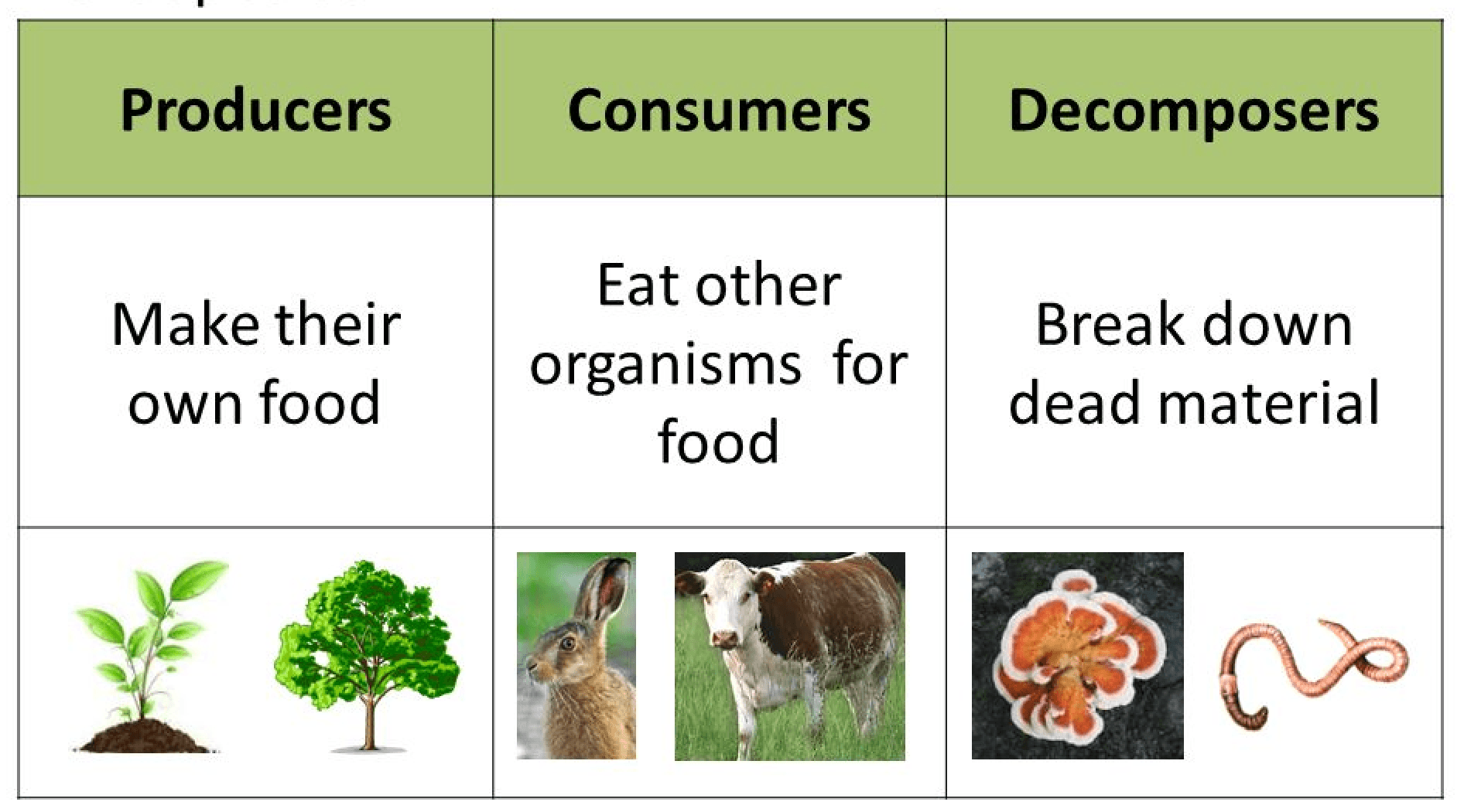
Match

Match the following.

Producer

Consumer

Decomposer

Makes its own food

Consume other organisms for food

Breaks down dead organisms into nutrients

5

media

6

Multiple Choice

Question image

What type of organisms are also called autotrophs?

1

Omnivores.

2

Consumers.

3

Decomposers.

4

Producers.

7

Multiple Select

Question image

What are heterotrophs?

1

Consumers that eat others.

2

Consumers that eat plants.

3

Consumers that create what they eat.

8

Multiple Choice

Question image

(True or False)- Organisms that are heterotrophic can make their own food through the process of photosynthesis.

1

True

2

False

9

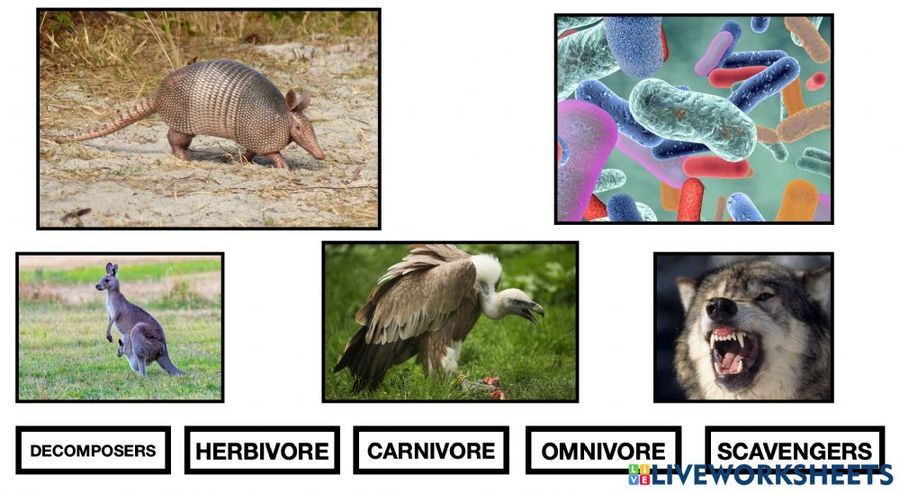
Types of Consumers

media

10

Multiple Choice

Question image
These microorganisms act as decomposers.
1
algae
2
virus
3
blood cells
4
bacteria

11

media

12

Multiple Choice

Question image
In the energy pyramid here, how much of the energy in the producers gets passed to the herbivores?
1
10%
2
20%
3
80%
4
90%

13

Multiple Choice

Question image
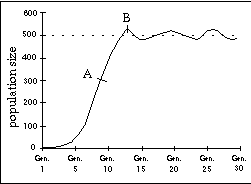
What is the carrying capacity of the graph?
1
around 500
2
more than 500
3
less than 500
4
around 600

14

Multiple Choice

Question image

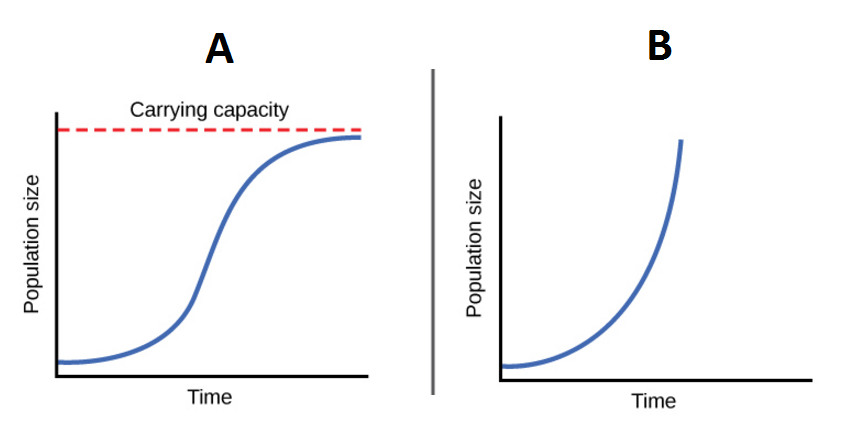
What type of growth model is shown in image B?

1

Exponential

2

Logistic

15

I can identify how nutrients are recycled in the ecosystem.

media

Learning target

16

Multiple Choice

Question image

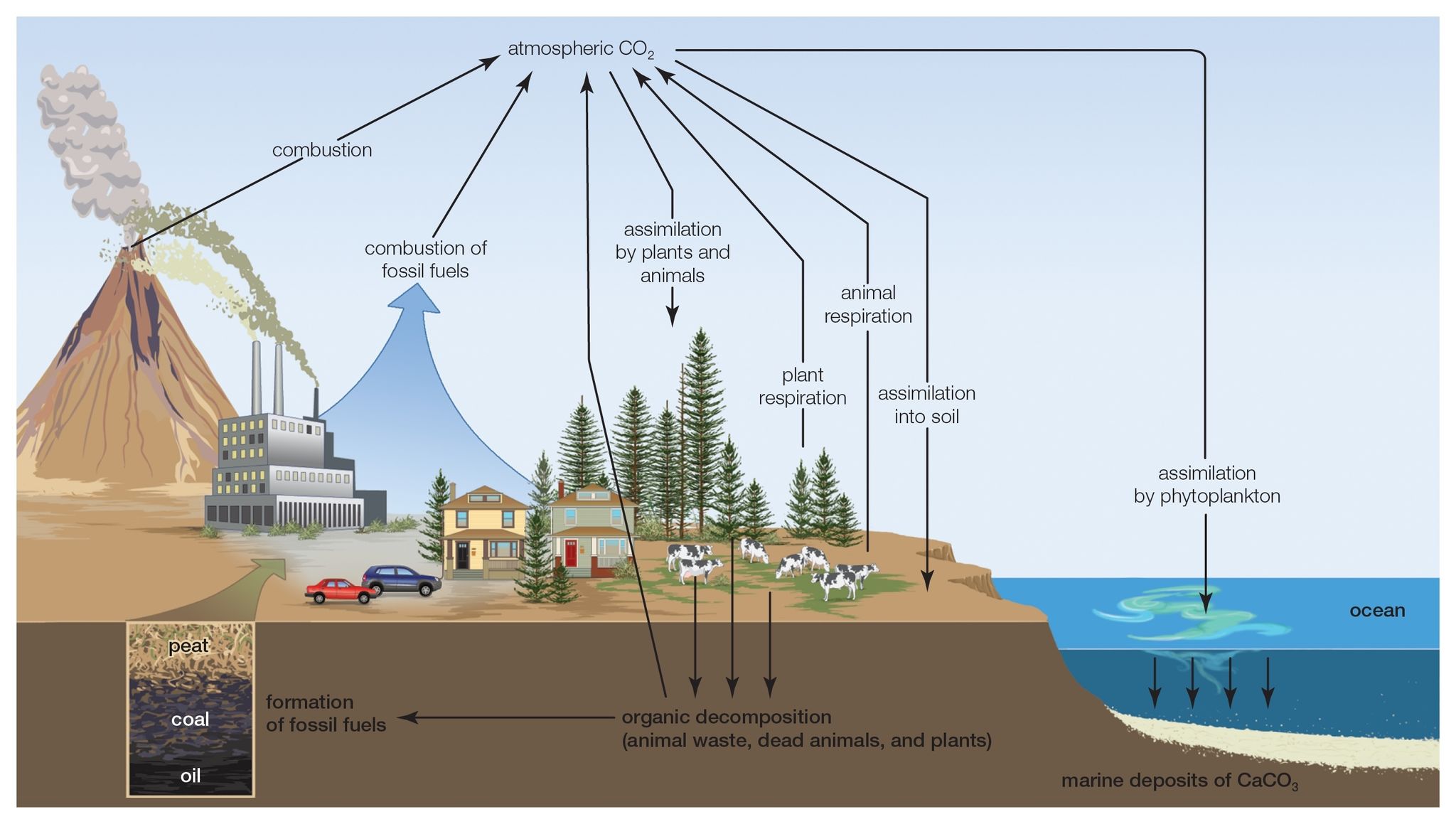
All living things are composed of Carbon

1

True

2

False

17

All life is made up of carbon
(other elements too)


media

18

All life is made up of carbon
(other elements too)


19

Multiple Choice

Question image
Which of the following add carbon dioxide to the atmosphere?
1
volcanoes
2
combustion of fossil fuels
3
animal and plant respiration
4
all of these

20

Multiple Choice

Question image

How do animals get carbon?

1

By eating plants and or other animals.

2

They absorb it from the atmosphere.

3

From the ground

4

They do not get carbon from anywhere.

21

  • Proteins are the most abundant organic molecules in living things, and they perform many functions. 


  •  

media

22

Multiple Choice

What is the role of protein in the body?

1

Is the main source of energy for the body

2

Helps to build and repair body tissue

3

Provide warmth and cushioning to the body's organs

4

Helps to transport vitamins through the body

5

All of the above are roles of protein in the body

23

nitrogen is a key element in proteins. 

24

Multiple Choice

How is nitrogen "fixed" into a usable form for plants?

1

Through action of bacteria only

2

Through lightning only

3

Through action of bacteria and lightning

4

Through photosynthesis

25

nitrogen is a key element in proteins. 

26

media

However, nutrients/elements cycles are affected by human activities.


media

​Learn what are the impacts of human activities by watching the videos posted in your google classroom and answer the questions that follow.

I can identify how nutrients are recycled in the ecosystem.

media

Learning target

Show answer

Auto Play

Slide 1 / 26

SLIDE