

Classification

Presentation
•
Biology
•
8th Grade
•
Medium

Narimon Aliqulov
Used 1+ times
FREE Resource
128 Slides • 27 Questions
1

AFGenerale
Classification of Organisms
2

1735
Swedish naturalist
First to document and
classify organisms into groups
Was able to recognize
12 000 different species
Later, the field was termed “TAXONOMY”
Carolus Linnaeus
Taxonomy
is the science of
classifying
organisms.
How and when did classification began?
3
Multiple Choice
Which of the following is the broadest level of classification?
a) Species
b) Genus
c) Order
d) Kingdom
a
b
c
d
4
Multiple Choice
Which level of classification is the most specific?
a) Class
b) Family
c) Phylum
d) Species
a
b
c
d
5

the classification system
6

The Binomial System
- Gives a scientific and species name to organisms
- Makes identification more accurate
Genus
name
Species
group
+
=
Scientific/species
name
Canis
Familiaris
Canis familiaris
Can be
abbreviated
into:
C. familiaris
7
Multiple Choice
What is the role of the genus in the binomial system of nomenclature?
a) It represents the species
b) It represents the family
c) It represents the kingdom
d) It represents the order
a
b
c
d
8
Multiple Choice
What is the purpose of the binomial system of nomenclature?
a) To provide a unique name for each species
b) To group organisms based on their physical characteristics
c) To determine the evolutionary relationships between organisms
d) All of the above
a
b
c
d
9

How are species accurately
identified & classified?
-through genetic analysis
10
Multiple Choice
Which level of classification is immediately above the species?
a) Genus
b) Family
c) Order
d) Phylum
a
b
c
d
11


What is a “genus”?
Genus
Danaus
- Larger grouping of highly similar
but not the same species.
Danaus flexippus
Danaus dorippus
Danaus gilippus
Danaus ismare
12


What is a “family”?
Family
Nymphalidae
-
A group above genus
Genus Danaus
Genus Heliconius
13

Family Felidae
Acinonyx jubatus
Puma
concolor
Neofelis
nebulosa
Panthera
tigris
Panthera
onca
Panthera
uncia
Panthera leo
Panthera
pardus
14

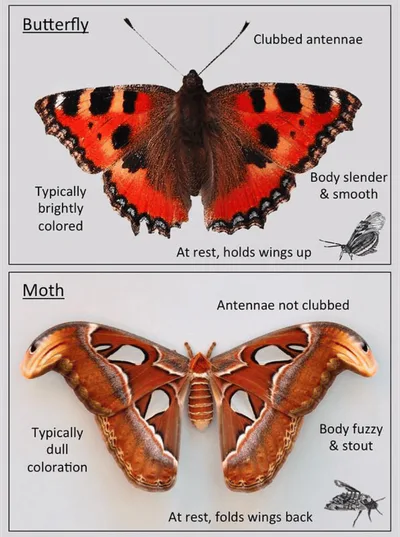
What is an “order”?
Order
Lepidoptera
-
Larger group above family
15

Birds of Prey
Order
Falconiformes
16


What is a “class”?
Class Insecta
(insects)
-
Larger group above
order
17

Birds
Class Aves
Orders under Class Aves
18

What is a “phylum”?
Phylum
Arthropoda
-
Larger group above class
-
Usually grouped according to general
body feature & composition
Crustaceans
Insects
Arachnids
Myriapods
Shared feature:
*external covering
(exoskeleton)
19

Phylum Vertebrates
20


What is a “kingdom”?
Kingdom
Animalia
-
Larger group above phylum
-
Grouping is based on body
characteristics, nutrition, cell
features
Animals
21

Recap:
The scientific name of an organism is also its species name.
genus name + species grouping = scientific/species name
The levels of classification from
most inclusive to least inclusive
are:
kingdom
phylum
class
order
family
genus
species
22

•Made of Many Cells
(multicellular)
•Most can move around
•Feed on other organisms
•Made of Many Cells
(multicellular)
•Rooted to the ground
•Feed by photosynthesis
•Made of Many Cells
(multicellular), some are only
one cell (unicellular)
•Rooted to their source of food
•Feed by absorbing nutrients
from dead organisms
•Made of only one cell
(unicellular)
•Lives on water
•Very small
•They can swim around
•Some can photosynthesize
•Some can eat other
organisms
•Made of only one cell
(unicellular)
•Lives everywhere on Earth
•Very small
•Some can swim around
•Feed by absorbing nutrients
from their surrounding
THE FIVE KINGDOMS OF LIVING THINGS
23
Multiple Choice
Which kingdom is characterized by organisms that have specialized tissues and organs?
a) Monera
b) Protista
c) Animalia
d) Fungi
a
b
c
d
24

Kingdom Animalia Profile:
1. All members are
multicellular.
25

Kingdom Animalia Profile:
2. Cells: have nucleus but
no chloroplasts & cell wall.
26

Kingdom Animalia Profile:
3. Feed on organic
substances from other living
organisms
27

Kingdom Animalia Profile:
4. Mostly motile (capable of
visible movement)
28

Kingdom Animalia Profile:
5. Diverse body morphology
29

Kingdom Animalia Major Groups
Major Phyla
Phylum
Arthropods
Phylum
Annelids
Phylum
Nematodes
Phylum
Molluscs
Phylum
Vertebrates
Phylum
Echinoderms
30

Kingdom Animalia Major Groups
Major Phyla
Phylum
Arthropods
Crustaceans
Insects
Arachnids
Myriapods
31
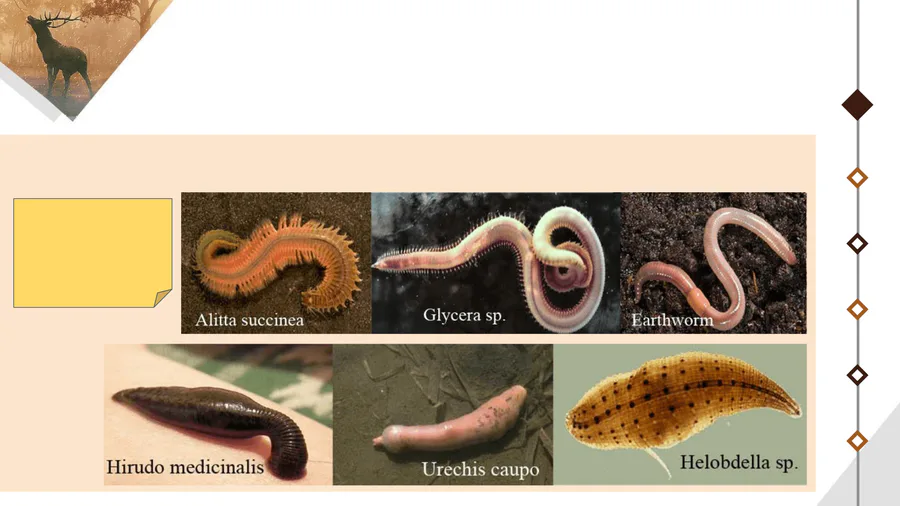
Kingdom Animalia Major Groups
Major Phyla
Phylum
Annelids
32

Kingdom Animalia Major Groups
Major Phyla
Phylum
Nematodes
33

Kingdom Animalia Major Groups
Major Phyla
Phylum
Molluscs
34

Kingdom Animalia Major Groups
Major Phyla
Phylum
Echidoderms
35
Multiple Choice
Which kingdom contains organisms that are multicellular and heterotrophic?
a) Animalia
b) Plantae
c) Fungi
d) Protista
a
b
c
d
36

Kingdom Animalia Major Groups
Major Phyla
Phylum
Vertebrates
Five Classes:
37
Multiple Choice
Which kingdom contains organisms that are autotrophic and absorb nutrients from their environment?
a) Fungi
b) Animalia
c) Plantae
d) Monera
a
b
c
d
38

Kingdom Plantae
Profile:
1. multicellular
2. Cells have nucleus, cell
walls (made of cellulose)
and chloroplasts
3. Feed by photosynthesis
4. Main body parts:
roots, stems, leaves
39

Kingdom Plantae Profile:
1. All members are
multicellular.
40

Kingdom Animalia Profile:
2. Cells: have nucleus,
chloroplasts & cell wall
made of cellulose.
41
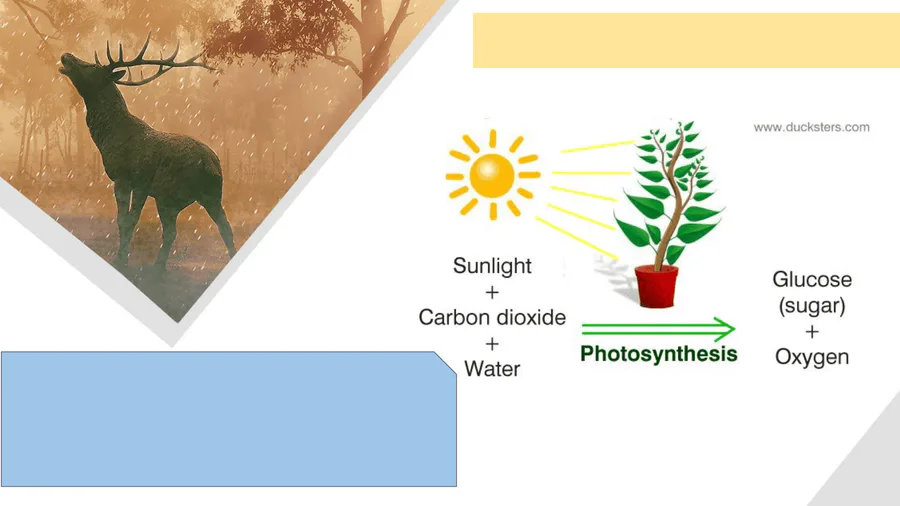
Kingdom Animalia Profile:
3. Acquire food by
photosynthesis
42

Kingdom Animalia Profile:
4. Uniform morphology: roots,
stem, leaves
43

Kingdom Plantae
5 Main Phyla:
1. Angiosperms
(flowering plants)
2. Gymnosperms
(non- flowering plants)
44
Multiple Choice
Which of the following is a characteristic of animals but NOT plants?
a) Photosynthesis
b) Heterotrophic nutrition
c) Cellulose cell wall
d) Vascular tissue
a
b
c
d
45

Kingdom Plantae
5 Main Phyla:
3. Pteridophytes
(ferns, horsetails)
4. Bryophytes
(moss, liverworts, hornworts)
46
Multiple Choice
Which of the following is a feature of plant cells but NOT animal cells?
a) Centrioles
b) Cellulose cell wall
c) Nucleus
d) Mitochondria
a
b
c
d
47

Kingdom Plantae
5 Main Phyla:
5. Chlorophyta
(algae, seaweed, kelp)
48
Multiple Choice
Which kingdom contains organisms that are heterotrophic and feed on dead or decaying matter?
a) Protista
b) Fungi
c) Animalia
d) Plantae
a
b
c
d
49

Kingdom Fungi
Profile:
1. Usually multicellular
2. Have nucleus but no
chloroplast
3. Have cell walls made
of chitin
50

Kingdom Fungi Profile:
4. Nutrition:
● saphrophytism (living on dead bodies)
● parasitism (living on and harming
living bodies)
Saprophytic fungus
Parasitic fungus
51

Kingdom Fungi
2 Main Phyla:
1. Basidiomycota
(mushrooms)
2. Ascomycota
(molds and yeasts)
52
Multiple Choice
Which kingdom contains organisms that are single-celled and eukaryotic?
a) Monera
b) Protista
c) Animalia
d) Plantae
a
b
c
d
53
Multiple Choice
Which kingdom contains organisms that are eukaryotic and have cell walls made of chitin?
a) Plantae
b) Animalia
c) Fungi
d) Protista
a
b
c
d
54

Kingdom Protoctista
Very small organisms that live in water
55

Kingdom Protoctista Profile:
Protoctists vs Plants, fungi, bacteria &
Animals
Protoctists vs Plants:
Can photosynthesize but are unicellular.
Protoctists vs Fungi:
Can absorb organic substances but can only
live in moist environments.
Protoctists vs Bacteria:
Unicellular but contains nucleus whereas
bacteria don’t.
Protoctists vs Fungi:
Can move but are
unicellular.
56

Kingdom Protoctista
3 Main Phyla:
1. Protozoans
(euglena, paramecium, amoeba)
2. Diatoms
3. Phytoplankton
57
Multiple Choice
Which kingdom contains organisms that are made up of prokaryotic cells?
a) Monera
b) Plantae
c) Animalia
d) Fungi
a
b
c
d
58
Multiple Choice
Which kingdom includes organisms that obtain nutrients by decomposing organic matter?
a) Animalia
b) Plantae
c) Protista
d) Fungi
a
b
c
d
59

Kingdom Prokaryotes
• Smallest organisms.
• They absorb food from their
environment.
• They can cause disease to
other organisms
60
Multiple Choice
Which of the following is NOT a characteristic of prokaryotes?
a) They have a nucleus.
b) They are unicellular.
c) They lack membrane-bound organelles.
d) They have a cell wall.
a
b
c
d
61

Kingdom Prokaryotes
Shapes:
62

Are Viruses Organisms?
They are not normally considered to
be alive. On their own, they don’t
possess the 7 characteristics.
63
Multiple Choice
What is the outer protein coat of a virus called?
a) Capsid
b) Envelope
c) Nucleus
d) Plasmid
a
b
c
d
64
Multiple Choice
Which kingdom contains organisms that are unicellular and lack a true nucleus?
a) Monera
b) Protista
c) Fungi
d) Plantae
a
b
c
d
65
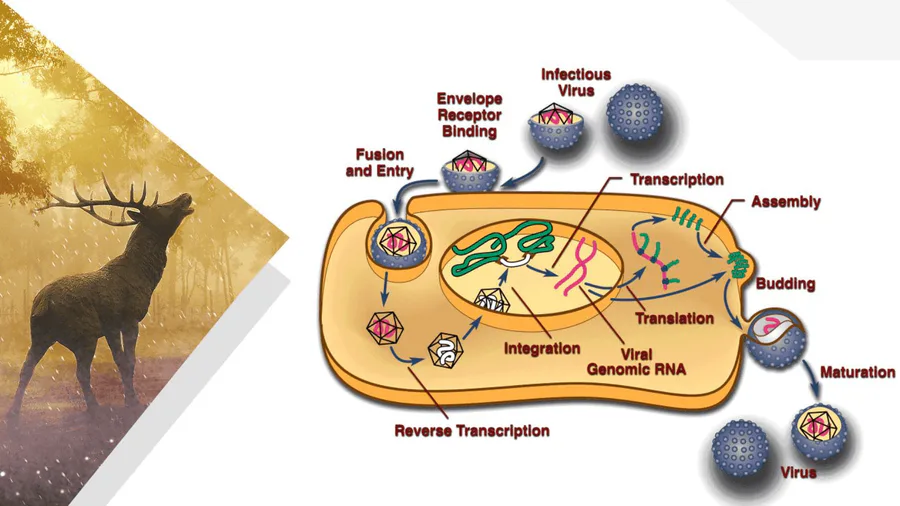
How does a virus get to become
living-like?
66
Multiple Choice
What is the genetic material in virus ?
a) DNA
b) RNA
c) Both DNA and RNA can be found in bacteria.
a
b
c
67
Multiple Choice
Which of the following is NOT a characteristic of plants?
a) Multicellular organization
b) Autotrophic nutrition
c) Cell wall made of chitin
d) Presence of chloroplasts
a
b
c
d
68

Recap:
The 7 Characteristics
of Living things are:
1. movement
2. respiration
3. sensitivity
4. growth
5. reproduction
6. nutrition
7. excretion
The Five Kingdoms of Life:
1. Kingdom Animals
2. Kingdom Plants
3. Kingdom Fungi
4. Kingdom Protoctista
5. Kingdom Prokaryotes
The levels of classification from
most inclusive to least inclusive
are:
kingdom
phylum
class
order
family
genus
species
69


The 5 Classes under Phylum Vertebrates
Characteristics:
● Moist Scales
-
Protects fish from
predators and parasites
-
Overlapping pattern for
flexible covering
1. Class Fish
70


The 5 Classes under Phylum Vertebrates
Characteristics:
● Gills
-
Main organ for breathing
-
They gulp water and let
it pass through the
bristles of their gills
1. Class Fish
71

The 5 Classes under Phylum Vertebrates
How gills work
72


The 5 Classes under Phylum Vertebrates
Characteristics:
● Fins
-
Gives them a
streamlined body,
adapted for swimming
1. Class Fish
73


The 5 Classes under Phylum Vertebrates
Characteristics:
● Swim bladder
-
Makes fish buoyant
and able to easily
float or sink
1. Class Fish
74


The 5 Classes under Phylum Vertebrates
Characteristics:
● Lay jelly-like eggs
-
Must be kept moist
1. Class Fish
75
Multiple Choice
Which class of animals includes organisms that have a three-chambered heart and lay leathery eggs?
a) Mammalia
b) Aves
c) Reptilia
d) Amphibia
a
b
c
d
76


The 5 Classes under Phylum Vertebrates
● Lives halfway between
land and water
● Generally have 4 limbs
● Cold-blooded
(ectothermic)
● Lay jelly-like eggs
2. Class
Amphibians
77


The 5 Classes under Phylum Vertebrates
● Major Groups:
2. Class
Amphibians
Salamanders
Frogs
78


The 5 Classes under Phylum Vertebrates
Characteristics:
● Moist, scale-less skin
2. Class
Amphibians
-
Moisture is from the mucus
they secrete
-
Helps absorb oxygen from
the environment
79

The 5 Classes under Phylum Vertebrates
Characteristics:
●
Lay eggs in water, larva
(tadpole) lives in water
●
But live as adults on land
2. Class
Amphibians
80


The 5 Classes under Phylum Vertebrates
Characteristics:
● Lay jelly-like eggs
2. Class
Amphibians
81


The 5 Classes under Phylum Vertebrates
Characteristics:
● Adult mainly lives on
land
2. Class
Amphibians
82


The 5 Classes under Phylum Vertebrates
Characteristics:
● Larva has gills adults
has lungs
2. Class
Amphibians
83


The 5 Classes under Phylum Vertebrates
● Scaly organisms which
can live both in land and
water (depending on
species)
● have 4 limbs (except
snakes)
● Cold-blooded
(ectothermic)
3. Class Reptiles
84


The 5 Classes under Phylum Vertebrates
● Major Groups
3. Class Reptiles
Snakes
Lizards
Crocodiles
Turtles
85


The 5 Classes under Phylum Vertebrates
Characteristics:
● Dry scaly skin
-
For protection
and movement
3. Class Reptiles
86


The 5 Classes under Phylum Vertebrates
Characteristics:
● Lay eggs on land
-
Eggs have shells to
prevent drying out
3. Class Reptiles
87

The 5 Classes under Phylum Vertebrates
Characteristics:
● Lay eggs with
rubbery shells
3. Class Reptiles
88

The 5 Classes under Phylum Vertebrates
Special Characteristics:
● Turtles and Tortoises
have carapace
3. Class Reptiles
89


The 5 Classes under Phylum Vertebrates
Special Characteristics:
● Many snake species
contain
● venoms
3. Class Reptiles
90
Multiple Choice
Which class of animals includes organisms that have feathers and lay eggs?
a) Mammalia
b) Aves
c) Reptilia
d) Amphibia
a
b
c
d
91


The 5 Classes under Phylum Vertebrates
● Have 2 Wings, scaly
legs and bodies covered
with feathers
● Lays eggs with hard
shells
4. Class Birds
92


The 5 Classes under Phylum Vertebrates
● Some major groups:
4. Class Birds
Birds of Prey
Seed-eaters
Seabirds
Flightless
birds
93


The 5 Classes under Phylum Vertebrates
Characteristics:
● Body covered with
feathers
-
Helps in insulation and
flight
4. Class Birds
*Colorful feathers help in courtship
and attracting mates
94


The 5 Classes under Phylum Vertebrates
Characteristics:
● Forelimbs became
wings
-
To enable flight
4. Class Birds
95


The 5 Classes under Phylum Vertebrates
Characteristics:
● Lay eggs with hard
shells
4. Class Birds
96


The 5 Classes under Phylum Vertebrates
Characteristics:
● Have beaks
-
For collecting food
4. Class Birds
97


The 5 Classes under Phylum Vertebrates
Characteristics:
● Hearts has four
chambers
-
To allow double
circulation
4. Class Birds
98

Comparison of heart in animals
Ventricles
Atrium
99

100


The 5 Classes under Phylum Vertebrates
Special
Characteristics:
● Bones are hollow
-
Makes them lighter
to fly easier
4. Class Birds
101

The 5 Classes under Phylum Vertebrates
Special Characteristics:
● Generally construct
nests
4. Class Birds
102


The 5 Classes under Phylum Vertebrates
● Four-limbed vertebrates
covered in fur or hair
● Includes the most intelligent
species among animals
● Non-egg laying
● Warm-blooded
(endothermic)
5. Class Mammals
103


The 5 Classes under Phylum Vertebrates
● Some major groups:
5. Class Mammals
Placental
mammals
Marsupials
monotremes (egg-
laying)
104


The 5 Classes under Phylum Vertebrates
Characteristics:
● Body is covered with
fur or hair
-
Insulation and
protection from injury
5. Class Mammals
105
Multiple Choice
Which class of animals includes organisms that have a well-developed placenta and give live birth?
a) Mammalia
b) Aves
c) Reptilia
d) Amphibia
a
b
c
d
106


The 5 Classes under Phylum Vertebrates
Characteristics:
● Gives birth to live
young
-
Females have wombs
where babies develop
5. Class Mammals
I’m so
done with
this.
107


The 5 Classes under Phylum Vertebrates
Inside a mammal’s womb
placenta
Umbilical
cord
108


The 5 Classes under Phylum Vertebrates
Characteristics:
● Young feeds on
milk from
mammary glands
of females
5. Class Mammals
109


The 5 Classes under Phylum Vertebrates
Characteristics:
● Have four-chambered
hearts
5. Class Mammals
110


The 5 Classes under Phylum Vertebrates
Characteristics:
● Have different
types of teeth
5. Class Mammals
111


The 5 Classes under Phylum Vertebrates
Special Characteristics:
● Platypus is a beaked,
egg-laying mammal
5. Class Mammals
112


The 5 Classes under Phylum Vertebrates
Special
Characteristics:
● Bats are the only
mammals that can
fly
5. Class Mammals
113
Multiple Choice
Which class of animals includes organisms that have a segmented body, jointed appendages, and a hard exoskeleton?
a) Mammalia
b) Aves
c) Reptilia
d) Insecta
a
b
c
d
114


Phylum
Arthropods
● No backbone
(Invertebrates)
● Have several pairs of
jointed legs
● There are more kinds in
the world than all the
other kinds of animals
put together.
115


The 4 Classes under Phylum Arthropods
● Terrestrial (land-
dwelling) invertebrates
which can live in many
different types of
environments
1. Class Insects
116


The 4 Classes under Phylum Arthropods
● Some major groups:
1. Class Insects
117


The 4 Classes under Phylum Arthropods
Characteristics:
● Three pairs of jointed
legs
1. Class Insects
118


The 4 Classes under Phylum Arthropods
Characteristics:
● 3 body segments
-
Head, thorax,
abdomen
1. Class Insects
119

The 4 Classes under Phylum Arthropods
Characteristics:
● Two pairs of wings
-
The only winged
arthropods
-
Key to their success
1. Class Insects
Vestigial wings
120

The 4 Classes under Phylum Arthropods
Characteristics:
● They breathe through
● tracheae
1. Class Insects
121
Multiple Choice
Which class of arthropods includes animals with eight legs and two main body segments?
a) Arachnida
b) Crustacea
c) Diplopoda
d) Insecta
a
b
c
d
122
Multiple Choice
Which class of arthropods includes animals with three pairs of legs and two main body segments?
a) Arachnida
b) Crustacea
c) Diplopoda
d) Insecta
a
b
c
d
123


The 4 Classes under Phylum Arthropods
● Terrestrial invertebrates
with only 2 body
segments and no wings
● 8 legs
2. Arachnids
124

The 4 Classes under Phylum Arthropods
● Major groups:
2. Arachnids
125


The 4 Classes under Phylum Arthropods
Characteristics:
● Have four pairs of legs
2. Arachnids
126


The 4 Classes under Phylum Arthropods
Characteristics:
● Have only two body
segments
-
Cephalothorax,
abdomen
2. Arachnids
cephalothorax
abdomen
127


The 4 Classes under Phylum Arthropods
Characteristics:
● Breathe through gills
called book lungs
2. Arachnids
128


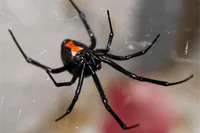
The 4 Classes under Phylum Arthropods
Special Characteristics:
● Includes many
poisonous, stinging
species
2. Arachnids
129


The 4 Classes under Phylum Arthropods
Special Characteristics:
● Spiders weave silky
webs to trap prey
2. Arachnids
130

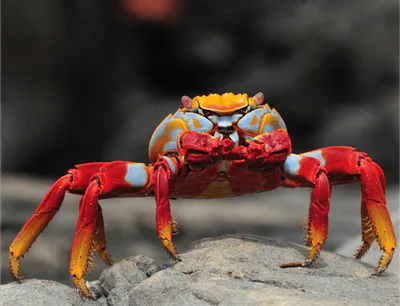
The 4 Classes under Phylum Arthropods
● Aquatic (water-
dwelling)
invertebrates with
more than four pairs
of legs.
3. Crustaceans
131


The 4 Classes under Phylum Arthropods
● Major groups:
3. Crustaceans
132


The 4 Classes under Phylum Arthropods
characteristics
● Have 5 to 6 pairs of
legs
3. Crustaceans
133


The 4 Classes under Phylum Arthropods
characteristics
● Front pair of legs
turned to pincers
3. Crustaceans
134


The 4 Classes under Phylum Arthropods
characteristics
● Breathe through
●
gills
3. Crustaceans
135


The 4 Classes under Phylum Arthropods
● Terrestrial invertebrates
with long bodies and
many pairs of legs
4. Myriapods
millipede
s
centipede
s
136


The 4 Classes under Phylum Arthropods
Characteristics:
● Body consists of
many segments
4. Myriapods
137


Last Week’s Lesson Recap!
To which group does this animal belong to?
138


The 4 Classes under Phylum Arthropods
Characteristics:
● Each segment
has a pair of
jointed legs
4. Myriapods
139
Multiple Choice
Which class of arthropods includes animals with the largest number of known species?
a) Arachnida
b) Crustacea
c) Diplopoda
d) Insecta
a
b
c
d
140

CLASSIFYING PLANTS
The members of Kingdom Plants
141

Some Major Groups of the Animal Kingdom
Phylum Bryophytes
Mosses
Liverworts
Phylum Pteridophytes
Ferns
Horsetails
Phylum Gymnosperms
Pines
Palms
Phylum Angiosperms
Flowering plants
142

The 4 Classes under Phylum Arthropods
Characteristics:
● No true roots, they
have rhizoids
1. Mosses
143


The 4 Classes under Phylum Arthropods
Characteristics:
● Prefers moist
environments
● Absorbs water
through their
leaves
1. Mosses
144


The 4 Classes under Phylum Arthropods
Characteristics:
● Have true roots.
● Reproduce by
spores
2. Ferns
145


The 4 Classes under Phylum Arthropods
Characteristics:
● Prefers high
humidity
environments
2. Ferns
146


The 4 Classes under Phylum Arthropods
Characteristics:
● Reproduce
sexually by
means of flowers
and seeds
3. Flowering Plants
147


The 4 Classes under Phylum Arthropods
Characteristics:
● Can utilize other
organisms for
reproduction
(pollination)
3. Flowering Plants
148


The 4 Classes under Phylum Arthropods
2 main groups:
● 1. Monocots
● 2. Dicots
3. Flowering Plants
Seed Structure Differences
149


The 4 Classes under Phylum Arthropods
3. Flowering Plants
Leaf Veins Differences
Dicot
Monocot
Network of
branching
veins
Parallel,
unbranching
veins
150


The 4 Classes under Phylum Arthropods
3. Flowering Plants
Root System Differences
Dicot
Monocot
Has a main
root.
Highly branched.
151


The 4 Classes under Phylum Arthropods
3. Flowering Plants
Flower Differences
or more
152


DICHOTOMOUS KEY
• Or: Binomial Key / Identification Key
• A guide on how to identify an organisms based on its
morphology
left side
Two descriptions
given for you to
choose from.
right side
1. Number of item for succeeding
descriptions to follow.
2. Name of organism (common
name/scientific name/species
name)
153

DICHOTOMOUS KEYS
• Example:
Alienus
quadlegicus
Alienus blobicus
Alienus fuzzicus
Alienus stripicus
Alienus
tritoothicus
Alienus hairicus
154

It’s as simple as answering yes or no.
VERTEBRATES
Reptile
Bird
Mammal
Fish
Amphibian
155

DICHOTOMOUS KEYS
Magnoli
a
Walnut
Elm
Pine
Spruce
White
Oak
Chesnu
t
Holly
AFGenerale
Classification of Organisms
Show answer
Auto Play
Slide 1 / 155
SLIDE
Similar Resources on Wayground

136 questions
8.ESS2.3-Powered from Below: How Earth’s Interior Moves the Plates-Lesson Slides/notes
Presentation
•
8th Grade
157 questions
Intro to Government
Presentation
•
11th - 12th Grade
159 questions
US VA Government Political Process Review
Presentation
•
9th - 12th Grade
140 questions
CATEGORY 1 CIVICS EOC REVIEW
Presentation
•
7th - 8th Grade
155 questions
Medical Term - Digestive System
Presentation
•
10th Grade
138 questions
WH1 RC2: Classical Civilizations
Presentation
•
9th Grade
159 questions
[tutoring] root words and affixes
Presentation
•
6th - 8th Grade
161 questions
SP - S8 2026
Presentation
•
KG
Popular Resources on Wayground
10 questions
Safety Day 2026 – Student Review

Quiz
•
9th Grade
21 questions
Continents and Oceans
Quiz
•
6th Grade
20 questions
Parts of Speech
Quiz
•
5th Grade
16 questions
Subject & Predicate
Quiz
•
5th Grade
25 questions
Multiplication Facts
Quiz
•
5th Grade
12 questions
Map Skills
Quiz
•
3rd Grade
22 questions
Continents and Oceans
Quiz
•
5th Grade
15 questions
Rounding Decimals
Quiz
•
5th Grade
Discover more resources for Biology
10 questions
Exploring the Phases of Mitosis and Cell Division

Interactive video
•
6th - 10th Grade
10 questions
Exploring Evidence of Evolution
Interactive video
•
6th - 10th Grade
10 questions
Exploring Cell Membrane Transport Mechanisms
Interactive video
•
6th - 10th Grade
5 questions
Q2W1- DNA MINI QUIZ 2024
Quiz
•
8th Grade
16 questions
Photosynthesis and Cellular Respiration
Quiz
•
8th Grade
16 questions
Cellular Respiration
Quiz
•
7th - 8th Grade
10 questions
Comparing Prokaryotic and Eukaryotic Cells
Interactive video
•
6th - 10th Grade
61 questions
Genetics
Quiz
•
6th - 8th Grade