Search Header Logo
SSTI and toxins

SSTI and toxins

Assessment

Presentation

Science

Professional Development

Hard

NGSS
HS-ESS3-1

Standards-aligned

Created by

IUSM Infectious Diseases

Used 3+ times

FREE Resource

4 Slides • 22 Questions

1

SSTI and Toxin-mediated diseases

2

Multiple Choice

Question image

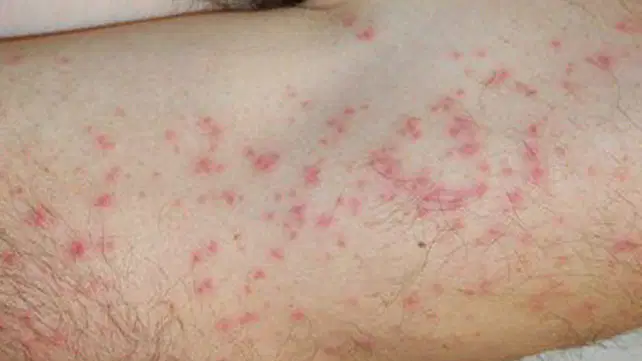
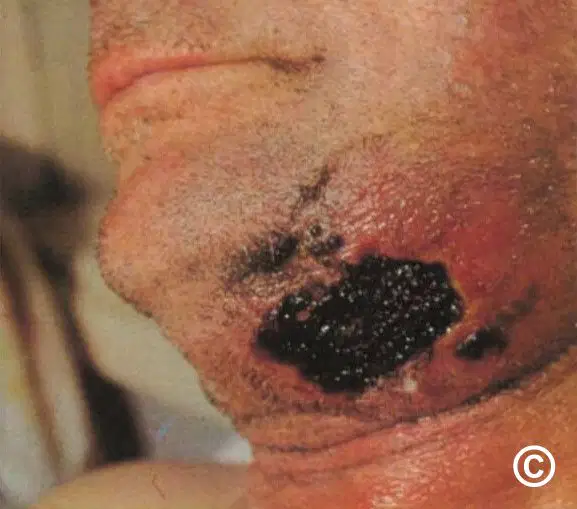
The most likely microbial cause of this finding is

1

Pseudomonas aeruginosa

2

Staph aureus

3

Strep pyogenes

4

Mycobacterium abscessus

5

Corynebacterium striatum

3

Multiple Choice

Question image

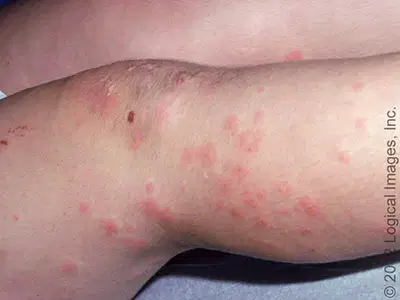
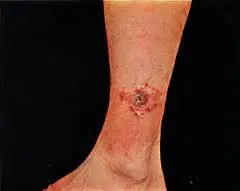
A patient presents with this rash (photo). It is found over all extremities and their trunk. The patient describes it as extremely itchy. They say it has happened to them once years ago and were told (by a reliable doctor) that it is sort of like an allergy. Which of the following exposures most likely lead to this?

1

Hot tub use

2

Ocean exposure

3

Freshwater exposure (lake/river)

4

Soil exposure

4

  • Caused by invasion of nonhuman schistosomes (usually avian)

  • Usually fresh water

  • Very itchy

  • Often cover most of the body

Swimmer's itch

media

5

Match

Match the diagnosis with the description

Vesicles and pustules that develop into honey crusted lesions

Flacid, large fluid filled collections usually due to staph aureus

A collection of multiple infected hair follicles forming an abscess

Deep infection of a hair follicle with pus

Well-demarcated intensely erythmatous patch

Non-bullous impetigo

Bullous impetigo

Carbuncle

Furuncle

Erysipelas

6

Multiple Choice

Question image

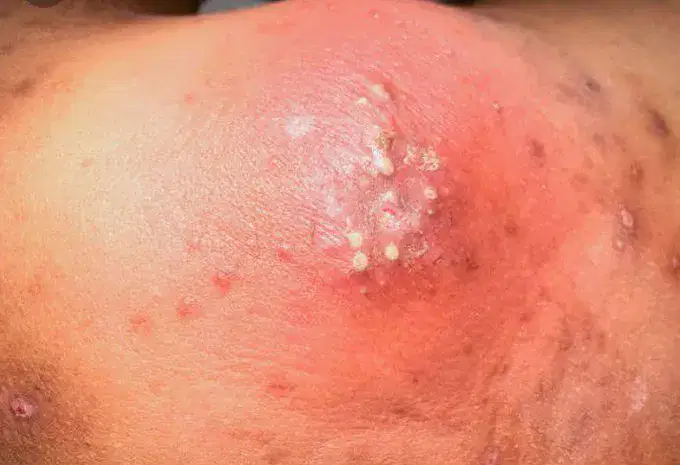
A patient presents with the following findings. What is the backbone of treatment for this?

1

Vancomycin

2

Cefazolin

3

I&D

4

Excision

5

Thoughts and prayers

7

Multiple Choice

Question image

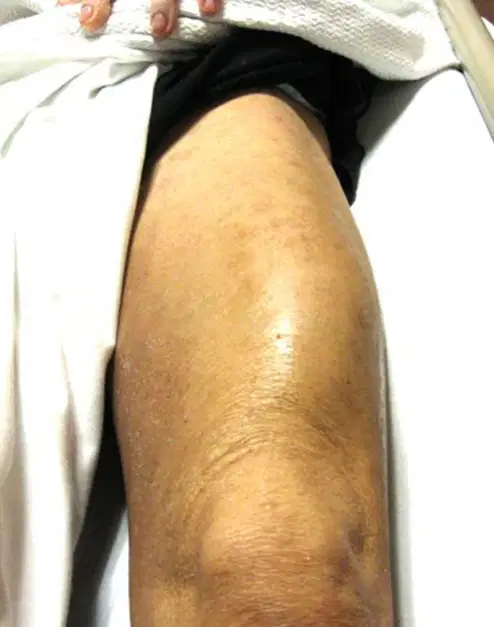
You are in Ecuador working at a volunteer clinic. A patient comes in with about 4 weeks of left leg pain. He has had slowly increasing pain and now has had fevers off and on for 1-2 weeks. He is ill appearing and the area is focally tender. The patient injects drugs. He denies trauma or puncture wounds. Which of the following is the most likely diagnosis?

1

Primary Pyomyositis

2

DVT

3

Clostridial myonecrosis

4

Necrotizing fasciitis

5

Hematoma

8

Primary pyomyositis

  • Kind of like slow necrotizing fasciitis.

    • More well demarcated, slow onset, less rapidly fatal

  • Can develop over many days to weeks

  • Primary indicates hematogenous source (transient bacteremia)

  • Used to be associated with tropics, but now felt to occur globally

  • Association with injection drug use and immunocompromise

  • Usually staph aureus and GAS

9

Match

Match the exposure to the microbe

Brackish water

Raw seafood

Human bite

Dog bite

Hide and wool exposure

Aeromonas

Vibrio vulnificus

Eikenella corrodens

Capnocytophaga

Bacillus anthracis

10

Multiple Select

Which of the following skin infections are associated with staph aureus? (SELECT ALL CORRECT ANSWERS)

1

Scalded skin syndrome

2

Erysipelas

3

Type II Necrotizing soft tissue infection

4

Impetigo

11

Multiple Choice

Question image

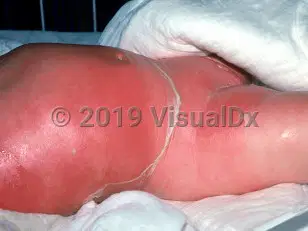
You are having a nightmare where you are rounding at Riley NICU. You are seeing a baby that was transferred from OSH for a "rash" (see picture). You recall from your limited pediatric knowledge that the mortality risk associated with this condition is...

1

<5%

2

5-25%

3

25-50%

4

>50%

12

Multiple Choice

A 43 year old male presents with fever, SIRS 4/4+ and mild hypotension. You were consulted because a vegetation seen on his aortic valve. The patient recalls a flat painful red rash on his right arm a few weeks ago that resolved spontaneously. He is a fisherman. Which of the following is the most likely cause of this presentation?

1

Strep pyogenes

2

Mycobacterium marinum

3

Pseudomonas aeruginosa

4

Erysipelothrix rhusiopathiae

5

Vibrio vulnificus

13

Multiple Choice

Question image

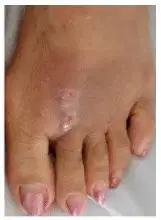
A 40 year old F presents to your clinic with the exam finding shown. It is only mildly tender. There is no drainage. She denies trauma to the foot. She reports getting pedicures every 2 weeks. Which of the following is the most likely cause?

1

Mycobacterium chelonae

2

Mycobacterium fortuitum

3

Mycobacterium marinum

4

Mycobacterium abscessus

14

Mycobacterium fortuitum

  • There was an outbreak of 32 confirmed cases in pedicure customers from a single center in September 2000

  • They had furuncles which grew M fortuitum

  • 3/10 footbaths were positive for M fortuitum and the isolates of 14 patients were indistinguishable by electrophoresis.

15

Multiple Select

Question image

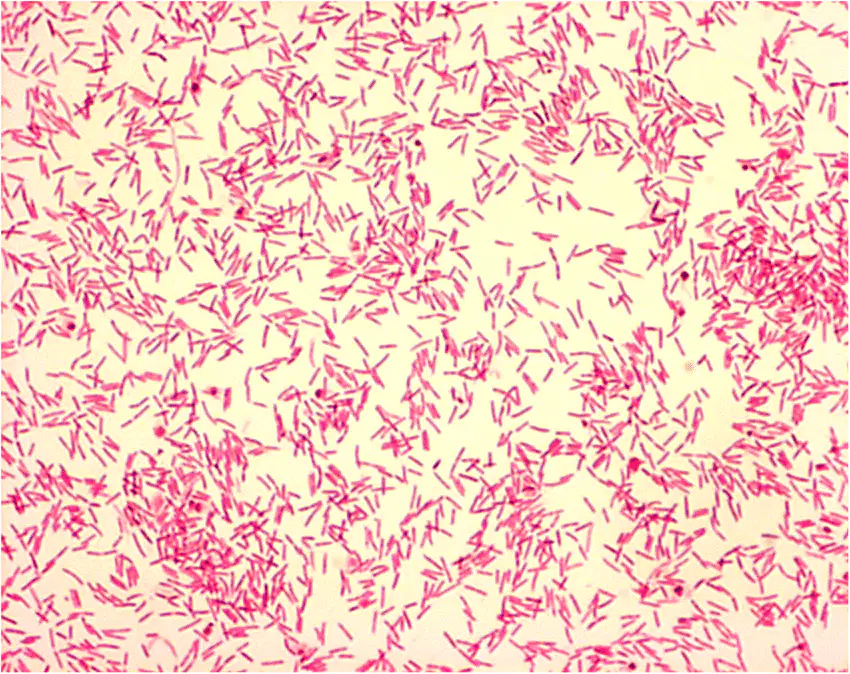
A 32 year-old male presented to the ED with fever and malaise. The patient reports a dog bite 4-5 days ago that he managed with bandaging only. You are seeing him the next day. The image shows GNRs growing out of his blood. Which of the following is a specific risk factor for severe disease in infection caused by the bacteria? (MULTIPLE CORRECT ANSWERS)

1

Sickle cell disease

2

IgA deficiency

3

Asplenia

4

Cirrhosis

5

B-cell ALL

16

Multiple Choice

Question image

A 19 year old man presents to your clinic with malaise and fevers. He states 1-2 days ago he developed what sound like fluid filled vesicle on his right arm (now mostly scabbing). He was at the zoo a week ago and got bit by some monkey when he was trying to pet him through the cage. He took a picture of the sign with the name of the monkeys (shown). He also tells you he doesn't know how to read. He didn't want to get in trouble so he didn't tell anybody at the zoo. He subsequently dies in the hospital 2 weeks later. Which of the following is the culprit?

1
2
3
4

17

Multiple Choice

Question image

Which of the following virus families caused the prior patients illness?

1

Hepadnaviridae

2

Enteroviridae

3

Poxviridae

4

Herpesviridae

5

Orthoretrovirinae

18

Multiple Choice

Question image

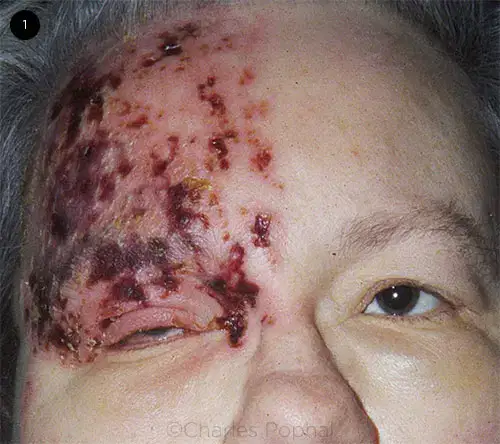
Which of the following is the most likely cause of this finding?

1

HSV-1

2

HSV-2

3

HSV-3

4

HSV-4

5

HSV-5

19

Multiple Select

Question image

A patient presents with the shown lesion. It is painless. He has no other symptoms. He is a leatherworker. Which of the following are an appropriate first-line treatment option? (MULTIPLE CORRECT ANSWERS)

1

Doxycycline

2

Ciprofloxacin

3

Ceftriaxone

4

Trimethoprim-sulfamethoxazole

5

Clindamycin

20

Multiple Choice

Question image

A 38 yo F w/o PMHx presents to the ED with fever and malaise for 1-2 days. They deny other symptoms. They mention they are an avid hiker and love camping. On exam you find the lesion shown. You also note mildly tender inguinal lymphadenopathy. Derm was also consulted and the resident is so interested they immediately grab a punch biopsy and send it to the lab. Based on the most likely diagnosis it is important to...

1

Request AFB culture

2

Send a sample for broad range PCR specifically for parasites

3

Perform a blood parasite smear

4

Notify the lab to take special precautions and perform cultures using CHAB

5

Send blood for fungal antigen testing

21

Multiple Choice

Which of the following is NOT an accurate descriptor of Clostridium species

1

Always non-motile

2

Gram positive rods capable of forming spores

3

Ubiquitous in soil and often found in human GI tract

4

Mostly obligate anaerobes

22

Multiple Choice

Which of these is consistent with a gram stain of clostridum spp?

1
2
3
4

23

Multiple Select

Which of the following toxins are produced by C. perfringens. (SELECT ALL CORRECT ANSWERS)

1

Lceithinase

2

Collagenase

3

Hyaluronidase

4

DNase

5

Necrotoxin

24

Multiple Choice

True or False:

It is rare for traumatic wounds contaminated by clostridium perfringens to develop into clostridial myonecrosis.

1

True

2

False

25

Match

Match the photo with the associated microbe

Pseudomonas Aeruginosa

Bartonella quintana

Leishmania spp.

Chlamydia trachomatis

Trichophyton

26

Multiple Choice

Which of the following is the most commonly isolated anaerobe genus found in blood cultures?

1

Bacteroides

2

Clostridium

3

Bacillus

4

Fusobacerium

SSTI and Toxin-mediated diseases

Show answer

Auto Play

Slide 1 / 26

SLIDE