

1.1.3 Structure of Life

Presentation
•
Science
•
8th Grade
•
Medium
+6
Standards-aligned

Megan Horvat
Used 5+ times
FREE Resource
13 Slides • 5 Questions
1

Annotate on the image to share which animal you're feeling like today!
2
Structure of Life

1.1.3
3

Take the next 5 minutes to complete your knowledge check.
Knowledge Check
4
Objectives
Students can:
distinguish between living and nonliving things
identify the three domains of life
describe the characteristics of living things
5
Vocabulary
Prerequisite Vocab
New Vocab
biology
homeostasis
response
archaea
bacteria
cell
eukaryote
prokaryote
6


the study of life
Biology
a steady state
homeostasis
an organism's reaction
Response
7
Match
Match each word to its definition.
archaea
bacteria
cell
eukaryote
prokaryote
live in extreme environments
lack a nucleus and live almost anywhere
basic unit of living things
organism with cells that have a nucleus
single-celled organism with no nucleus
live in extreme environments
lack a nucleus and live almost anywhere
basic unit of living things
organism with cells that have a nucleus
single-celled organism with no nucleus
8

Take a look at this image. What in this picture is a living thing and what is a nonliving thing?
Living or Nonliving?
9
What Makes something Living?
Cells
Cells make up every living thing. All living things are made of cells while nonliving things are not. Cells are the basic building blocks of life. Some organisms are only a single cell and others are made of hundreds of thousands of cells.
10
Multiple Choice
Which statement correctly compares living and nonliving things?
All living and nonliving things are made of cells.
Only living things are made of cells.
Only nonliving things are made of cells.
All living and some nonliving things are made of cells.
11
Biology is the study of life. Biologists categorize living things based on the number and types of cells those organisms contain.
Biology
Domains of Life
Archaea
Bacteria
Eukarya
12


Archaea
Bacteria
Eukarya
Single-celled prokaryotes
Does not contain a nucleus
Can survive in extreme environments
Single or multi-celled eukaryotes
Does contain a nucleus
Includes plants, fungi, animals, and protists
Single-celled prokaryotes
Does not contain a nucleus
Break down organic matter, help digest food, and cause diseases
13
Multiple Choice
What do Archaea, Bacteria, and Eukarya all have in common?
They are all multicelled organisms.
They are all types of animals.
They are all domains of life.
They are all single-celled organisms.
14
Eukaryotic
Prokaryotic
Prokaryotic vs. eukaryotic
do not have a nucleus
simple, single-celled organisms
represent the first and most basic type of organism
have a nucleus
can be single-celled or multicelled organisms
humans, plants, fungi, and protists are eukaryotes
15
Categorize
no nucleus
only single-celled
single-celled or multicelled
have a nucleus
plants
bacteria
contain DNA
Organize these options into the right categories. Decide whether each word or phrase corresponds to prokaryotes, eukaryotes, or both.
16



Allow organisms to perform everyday functions.
Cells
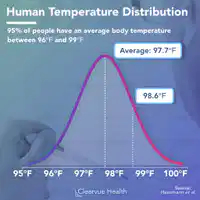
The ability to regulate the body. An example of this is body temperature.
Homeostasis
Allows living things to perform actions.
Energy
For most organisms, this growth looks like an increase in size or the appearance of new features.
Growth
Characteristics of Living Things
17


The ability for a living organism to create offspring.
Reproduction
An organism's reaction to changes in the environment.
Response
Large-scale changes within the population of organisms
Adaptation
18
Categorize
cardinals have developed large, strong beaks for crushing seeds
you eat breakfast to start your day
a sea turtle lays eggs on a beach
a rabbit runs from you while you are hiking through the woods
Match the description of a living thing with the characteristic of life being demonstrated.
Annotate on the image to share which animal you're feeling like today!
Show answer
Auto Play
Slide 1 / 18
SLIDE
Similar Resources on Wayground

14 questions
Weathering and Erosion
Presentation
•
8th Grade
11 questions
8.11A Lesson
Presentation
•
8th Grade
11 questions
Structure of the Hydrosphere
Presentation
•
8th Grade
15 questions
Chemical Reactions & the Conservation of Mass
Presentation
•
8th Grade
13 questions
Human Impact
Presentation
•
7th - 8th Grade
16 questions
HR Diagrams
Presentation
•
8th Grade
14 questions
Gravity
Presentation
•
8th Grade
11 questions
Scientific Variables
Presentation
•
8th - 9th Grade
Popular Resources on Wayground
11 questions
Hallway & Bathroom Expectations

Quiz
•
6th - 8th Grade
10 questions
HCS SCI 03 Summer School Assessment 2
Quiz
•
3rd Grade
11 questions
Home Scope
Quiz
•
7th - 8th Grade
12 questions
2026 TAP Technology in the Classroom
Presentation
•
Professional Development
15 questions
HCS SCI 05 Summer School Assessment 2 Review
Quiz
•
5th Grade
15 questions
HCS SCI 04 Summer School Review 2
Quiz
•
4th Grade
59 questions
Geometry Unit 3 Review
Quiz
•
9th - 12th Grade
14 questions
FAST ELA READING SMAPLE TEST MATERIALS

Passage
•
3rd Grade