

The mammalian heart

Presentation
•
Biology
•
10th Grade
•
Practice Problem
•
Hard

Marina Vin
Used 3+ times
FREE Resource
22 Slides • 0 Questions
1
The mammalian heart
2
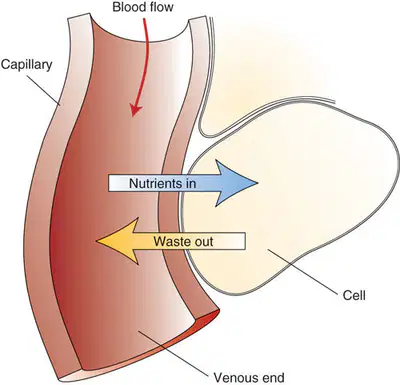
In most animal transport systems, the heart is the organ that moves the blood around the body. This mass transport system helps to
Bring substances quickly from one exchange site to another
Maintain diffusion gradients at exchange sites
Ensure effective cell activity by supplying nutrients and removing waste products
3
4
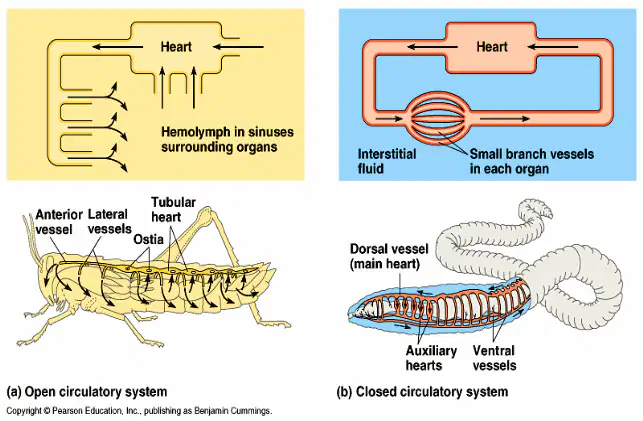
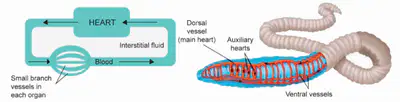
What are the main advantages of a closed circulatory system?
Choose more than 1
1) Blood freely mixes with body fluids
2) Oxygen and nutrients are delivered equally to all organs freely
3) The pressure can be increased to make the blood flow more quickly
4) The flow can be directed more precisely to the organs
5) The pressure can be increased to make the blood flow more slowly
5
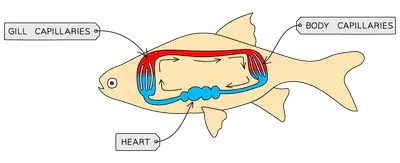
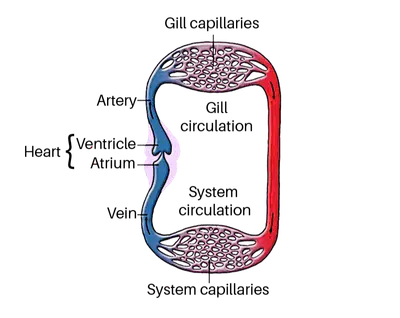
Animals such as fish have a
single circulation system:
The heart pumps deoxygenated blood to the gills, the organs of gas exchange take in oxygen and gives up carbon dioxide at the same time. The blood then travels on around the rest of the >>> giving up oxygen >>> take in carbon dioxide
6
Birds and mammals have the most complex type of transport system - double circulation (involves two separate circulation systems)
Oxygenated and deoxygenated blood cannot mix, so the fully oxygenated blood can be delivered quickly to the body tissues at high pressure, thanks to the heart that pumps it so it reaches all the tiny capillaries between the body cells
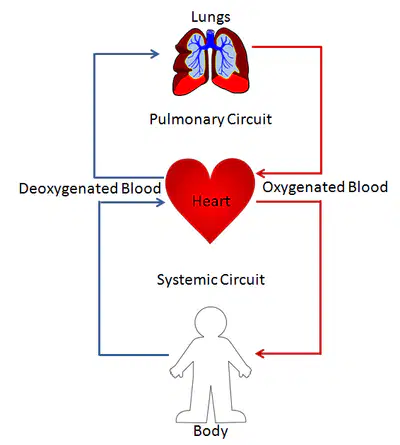
systemic
circulation
pulmonary
circulation
7

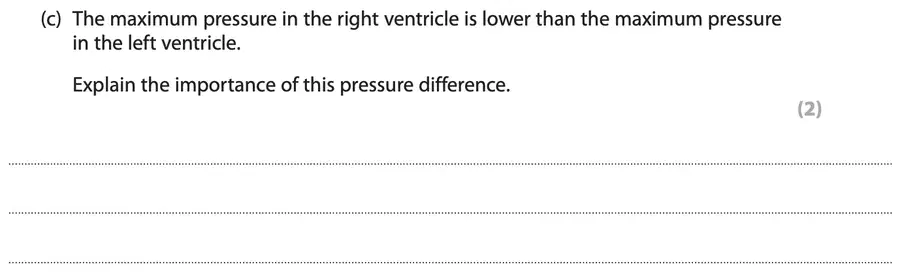
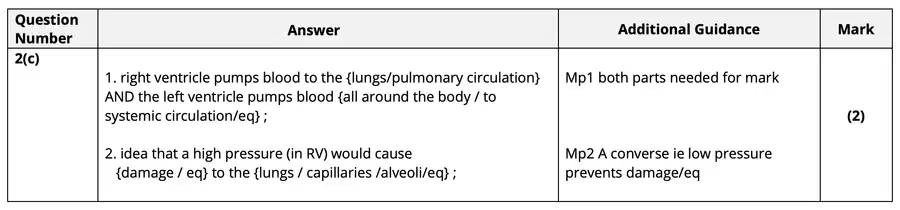
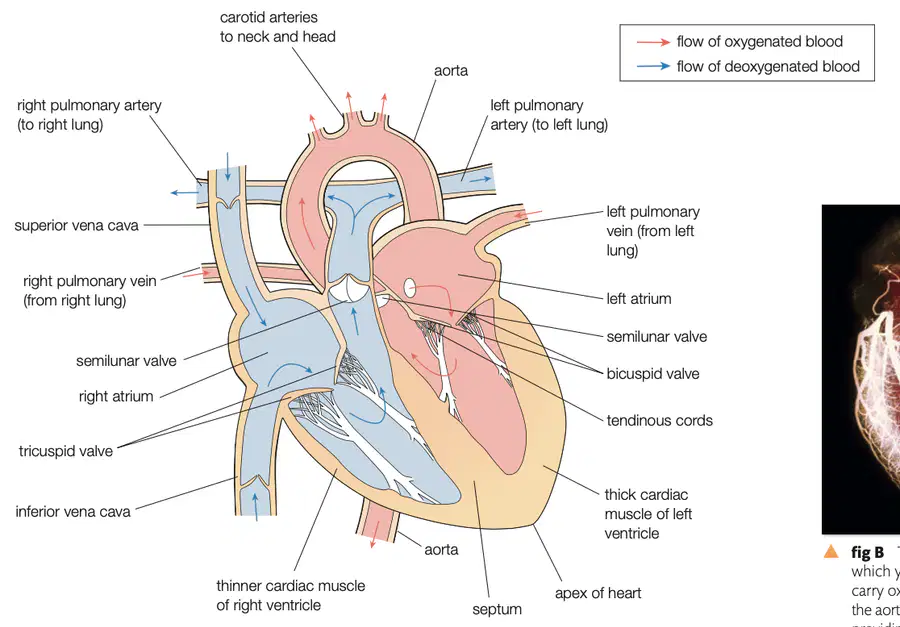
There are two pumps, joined and working in time together:
The right side of the heart receives blood from the body and pumps it to the lungs
The left side of the heart receives blood from the lungs and pumps it to the body
Thick, muscular SEPTUM
separates two sides
8
9
10
You know that heart is a big muscle, but if we compare the heart and our usual muscle - _____, what can you say?
Can we control it? is it voluntary/involuntary?
How often does it work=contract? what about rest?
Do they connect to the bones?
11
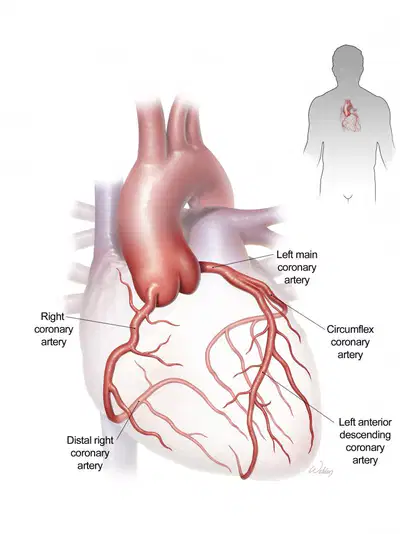
The heart is made of a unique type of muscle, known as cardiac muscle, which has special properties:
12
The heart is made of a unique type of muscle, known as cardiac muscle, which has special properties:
- it can carry on contracting regularly without resting
- involuntary = ?
- muscle has a good blood supply – the coronary arteries bring oxygenated blood to the tissue. This blood contains lots of myoglobin, a respiratory pigment which has a stronger affinity for oxygen than ___. This myoglobin stores oxygen to keep the heart contracting regularly
13
14
15
16
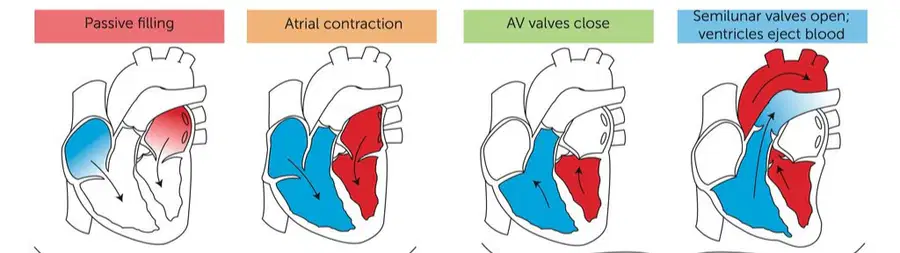
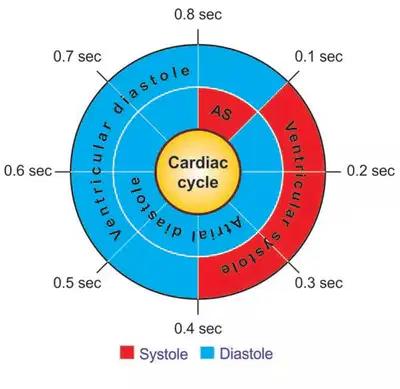
Cardiac cycle - the cycle of contraction (systole) and relaxation (diastole) in the heart: One cycle of systole and diastole lasts about 0.8 seconds
One cardiac cycle is followed by another in a continuous process. There is no gap between cycles
17
18
Atrial systole
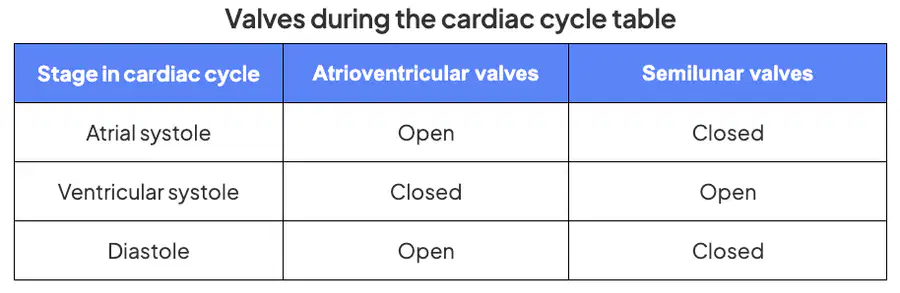
The walls of the atria contract >>> Atrial volume decreases/Atrial pressure increases >>> atrioventricular (AV) valves open under the pressure >>> Blood is forced into the relaxed ventricles
Remember that ventricular diastole at the same time as atrial systole

19

When there is enough blood,
ventricular systole occurs
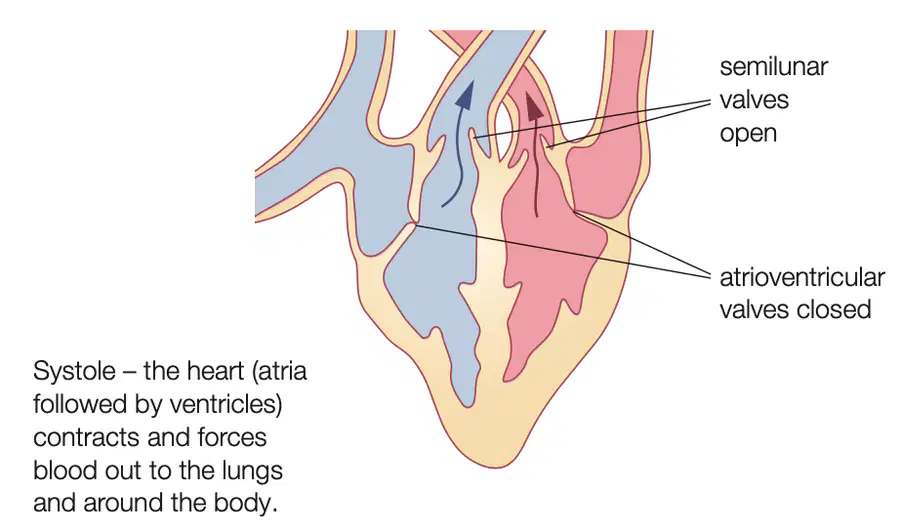
The walls of the ventricles contract >>> Ventricular volume decreases/ Ventricular pressure increases >>>
AV valves are closed, preventing back flow of blood >>>
High pressure forces the semilunar (SL) valves open so blood is forced out of the heart
Remember that atrial diastole at the same time as ventricular systole
20
Ventricular systole happens about 0.13 seconds after atrial systole
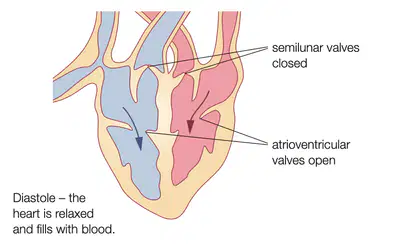
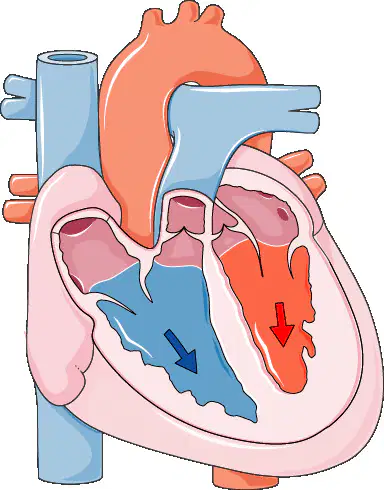
Between contractions the heart relaxes and fills with blood = The ventricles and atria are both relaxed
21
22

The mammalian heart
Show answer
Auto Play
Slide 1 / 22
SLIDE
Similar Resources on Wayground

18 questions
Cellular Respiration
Presentation
•
9th Grade
17 questions
DNA structure
Presentation
•
9th Grade
19 questions
Intro to Genetics
Presentation
•
9th Grade
17 questions
Transformations Geometry
Presentation
•
10th Grade
16 questions
Blood and its components
Presentation
•
10th Grade
17 questions
Introduction To Cellular Respiration and Photosynthesis
Presentation
•
9th - 10th Grade
20 questions
ATP Photosynthesis Cellular Respiration Review
Presentation
•
10th Grade
16 questions
Experiments
Presentation
•
9th - 10th Grade
Popular Resources on Wayground
24 questions
PBIS-HGMS Day 10

Quiz
•
6th - 8th Grade
10 questions
HCS SCI 03 Summer School Review 3
Quiz
•
3rd Grade
11 questions
Home Scope
Quiz
•
7th - 8th Grade
15 questions
HCS SCI 05 Summer School Assessment 3 Review
Quiz
•
5th Grade
35 questions
Lufkin Road Middle School Student Handbook & Policies Assessment
Quiz
•
7th Grade
18 questions
Geo 11.3 Area of Circles and Sectors
Quiz
•
9th - 11th Grade