

Chemical Reactions!

Presentation
•
English
•
6th - 8th Grade
•
Practice Problem
•
Easy
Standards-aligned

Arielle Reed
Used 20+ times
FREE Resource
18 Slides • 26 Questions
1


Chemical
Reactions
Learning About the Basics!
2


What is a Chemical Reaction?
Definition: When substances combine or break apart to form new substances.
Example: Baking a cake or rusting of iron.
3
Multiple Choice
What is a chemical reaction?
A process where substances stay the same
A process where substances combine or break apart to make a new substance
A process where substances only change shape
A process where heat is always made
4
5
Multiple Choice
What is an example of a chemical reaction?
Water freezing
A balloon popping
Ion rusting
Cutting a piece of paper
6
Multiple Choice
What happens to a substance during a chemical reaction?
They stay the same
They combine or break apart to form new substances
Change shape without forming new substances
Only change temperate
7

8
Multiple Choice
Which is NOT an example of a chemical reaction?
Baking a cake
Melting ice
Burning wood
Digesting food
9
Multiple Choice
Which of the following best describes a chemical reaction in baking a cake?
The ingredients change shape
The ingredients combine to form new substances
Ingredients evaporate
No new substances are formed
10
11
What is a Chemical Reaction?
Definition: When substances combine or break apart to form new substances.
Example: Baking a cake or rusting of iron.
12


Signs of a Chemical Reaction
-Bubbles (gas forms)
-Color change
-Temperature change (gets hot or cold)
-Formation of a solid (precipitate)
13
Multiple Choice
What is NOT a sign of a chemical reaction?
Bubbles form
Color changes from blue to pink
It is tasty
Gets very hot
14
Multiple Choice
What does the formation of bubbles in a liquid usually show?
It's being stirred
A chemical reaction is producing a gas
The liquid is evaporating
The liquid is cold
15
Multiple Choice
If a substance gets very hot during a reaction, what might this show?
The container is too small
The substance is cooling down
The chemical reaction is releasing energy
The substance is melting
16
17


Reactants and Products
Reactants: The starting materials in a chemical reaction.
Products: The new substances formed after the reaction.
Example: Hydrogen + Oxygen ---> ---> Water (H₂O)
18

19
Multiple Choice
What are the substances called that start a chemical reaction?
Reactants
Products
Catalysts
Solvents
20
Multiple Choice
In a chemical reaction, the new substances are called the
elements
reactants
products
mixtures
21
Multiple Choice
Hydrogen + Oxygen ---> Water
What is the product?
Hydrogen
Oxygen
Hydrogen + Oxygen
Water
22
Multiple Choice
What happens in a chemical reaction?
Reactants change into products
Products change into reactants
Products are added to reactants
reactants and products stay the same
23
Multiple Choice
In a chemical reaction, which of the following are true?
Products are the same as reactants
New substances are formed
Reactants disappear and don't form anything
reactants and products don't change
24


Examples of Chemical Reactions
Combustion: Burning wood → heat and light.
Photosynthesis: Plants make food using sunlight.
Rusting: Iron reacts with oxygen to form rust.
25
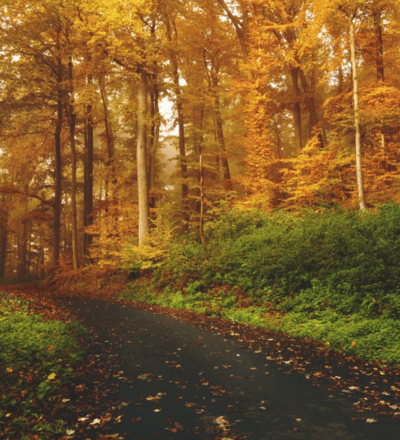
Replace this with your body text.
Duplicate this text as many times as you would like.
Photosynthesis Chemical Reaction
26
27
Multiple Choice
Which of the following is an example of a chemical reaction?
Boiling water
Burning wood
Tearing paper
Melting ice
28
Multiple Choice
What happens in photosynthesis, a chemical reaction in plants?
Plants produce food energy by burning food
Plants create food using sunlight, carbon dioxide, and water
Plants grow bigger by absorbing water
Plants release energy by breaking down food
29
Multiple Choice
What does trusting or iron represent?
A chemical reaction between iron and oxygen
A physical change
Iron melting
Iron being stretched
30
Multiple Choice
Which of the following is an example of a combustion reaction?
Digesting food
Plant absorbing sunlight
Wood burning and making heat and light
Water freezing into ice
31


Everyday Chemical Reactions
Cooking: Mixing ingredients to bake a cake.
Digesting food: Your body breaking down food for energy.
32
33
Multiple Choice
What chemical reactions happens in our bodies after eating food?
The food evaporates
The food changes color
The food digests and breaks down into energy
The food is cooled down and becomes frozen
34
Multiple Choice
Which of the following is an example of a chemical reaction in cooking?
Baking a cake
Melting butter
Cutting vegetables
Stirring soup
35
Multiple Choice
What chemical reaction happens in your body when you eat food?
Freezing
Photosynthesis
Digestion
Melting
36
Multiple Choice
Which is an example of a chemical reaction?
Water boiling into steam
Iron rusting
Sand and water
Breaking a pencil
37
Multiple Choice
Why is baking a cake an example of a chemical reaction?
The ingredients are only mixed together
The ingredients combine and make new substances
The cake rises without any changes
The ingredients evaporate
38
Multiple Choice
Which of the following involves a chemical reaction?
Folding clothes
Lighting a match
Stirring sugar into tea
Blowing up a balloon
39

Did you know?
The bubbles in soda are from a chemical reaction between carbon dioxide and water!

40
41
Multiple Choice
What causes bubbles in soda?
Water boiling
Chemical reaction between carbon dioxide and Water
Sugar dissolving in water
Soda being shaken
42
Multiple Choice
When you open a soda bottle, what happens to the carbon dioxide gas?
It turns to liquid
It stays dissolved in the soda
It escapes as bubbles
It freezes
43
Multiple Choice
Why do sodas fizz when shaken before opening?
Shaking adds more water to the soda
Shaking causes more CO2 to dissolve in the liquid
Shaking increases the pressure, releasing more CO2
Shaking heats up the soda
44

Chemical reactions are everywhere!
Can you spot any chemical reactions at home?
Chemical
Reactions
Learning About the Basics!
Show answer
Auto Play
Slide 1 / 44
SLIDE
Similar Resources on Wayground

38 questions
Socratic Seminar / Tutorial Review
Presentation
•
6th - 8th Grade
40 questions
B1 Are you a saver or a spender?
Presentation
•
6th - 8th Grade
40 questions
Oxford Grammar 2 Unit 15
Presentation
•
6th - 8th Grade
39 questions
Test Term 2 Review (2021)
Presentation
•
6th - 8th Grade
36 questions
Subject Verb Agreement
Presentation
•
KG - 9th Grade
41 questions
Atoms and Elements
Presentation
•
6th - 8th Grade
40 questions
Predicate/Subject Plus Types of Sentences Practice
Presentation
•
6th - 8th Grade
Popular Resources on Wayground
10 questions
How much do you know about our Portrait of an Eagle?

Quiz
•
10th Grade
10 questions
Fast Food Slogans
Quiz
•
6th - 8th Grade
21 questions
Continents and Oceans
Quiz
•
6th Grade
20 questions
Parts of Speech
Quiz
•
5th Grade
16 questions
Subject & Predicate
Quiz
•
5th Grade
25 questions
Multiplication Facts
Quiz
•
5th Grade
12 questions
Map Skills
Quiz
•
3rd Grade
22 questions
Continents and Oceans
Quiz
•
5th Grade
Discover more resources for English
20 questions
Context Clues
Quiz
•
6th Grade
20 questions
Types of sentences
Quiz
•
6th Grade
25 questions
Making Inferences
Quiz
•
6th - 8th Grade
20 questions
Figurative Language Review
Quiz
•
6th Grade
15 questions
Plot Elements
Quiz
•
6th Grade
20 questions
Figurative Language Review
Quiz
•
8th Grade
12 questions
Chemical Reactions

Interactive video
•
7th Grade
18 questions
Main Idea
Quiz
•
4th - 6th Grade