
Untitled Lesson

Presentation
•
Philosophy
•
8th Grade
•
Practice Problem
•
Hard

J Poole
Used 1+ times
FREE Resource
11 Slides • 0 Questions
1


Lesson Objective: I will learn how to compare and
contrast the consequences of logical and
emotional reactions to a given problem.
DOL: Given 5 questions, I will apply my
understanding of identifying, comparing, and
contrasting the consequences of logical and
emotional reactions by analyzing different
scenarios and providing evidence-based
explanations with 100% accuracy.
2


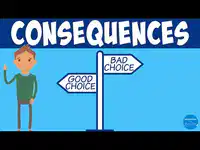
Positive Consequences
3


Definition: Consequences are the outcomes or results that follow from
a particular action or decision. When we react to a problem or
situation, our actions trigger a chain of events that lead to specific
outcomes. These outcomes can be positive, negative, or neutral,
depending on the nature of our reaction and the context of the
situation.
Importance: Recognizing consequences is crucial because it helps us
anticipate the potential impact of our reactions and make better
choices. By understanding the possible outcomes of our actions, we
can decide how to respond in a way that maximizes positive results
and minimizes negative effects. This awareness empowers us to be
more proactive and thoughtful in our decision-making process, rather
than acting impulsively.
For instance, if you respond to criticism with anger, the consequence
might be a damaged relationship and increased tension. On the other
hand, if you respond calmly and seek to understand the feedback, the
consequence could be improved communication and personal
growth. By identifying potential consequences, we can choose actions
that lead to more desirable results. This skill is essential for personal
development, effective problem-solving, and successful interpersonal
interactions.
Identifying Consequences
4


Common Consequences: Emotional reactions often lead to escalated conflicts,
damaged relationships, and regretful decisions. When we react emotionally, we
tend to act impulsively, guided by strong feelings such as anger, frustration, or
fear. These reactions can result in outcomes that we later regret, as they may
not reflect our true intentions or best judgment.
Examples: Consider a scenario where you yell at a friend during an argument.
This emotional reaction can lead to a falling out, potentially causing long-term
damage to your relationship. The immediate release of anger might feel
satisfying, but the consequence could be a loss of trust and a strained friendship.
Another example is making an impulsive purchase when feeling stressed or
unhappy. This decision might provide a temporary sense of relief, but it can
result in financial strain and regret once the emotional impulse has passed.
Analyzing Emotional Reactions
Discussion: How can emotional reactions affect long-term outcomes? Emotional reactions can have a profound impact on
our lives over time. They can create lasting rifts in relationships, hinder our ability to make sound decisions, and even affect
our mental and physical well-being. By understanding these potential long-term consequences, we can learn to manage our
emotions more effectively, leading to healthier relationships and better decision-making. It's important to develop
strategies to pause and reflect before reacting emotionally, ensuring that our actions align with our long-term goals and
values.
5


Examples: For instance, discussing a disagreement calmly with a friend can lead
to mutual understanding. By listening actively and expressing your thoughts
clearly and respectfully, you can address the underlying issues without
escalating the conflict. This approach helps to preserve and even strengthen
your relationship. Another example is planning a budget before making a
purchase. By analyzing your financial situation and setting priorities, you can
make informed decisions that prevent financial issues and ensure that your
spending aligns with your long-term goals.
Analyzing Logical Reactions
Discussion: How can logical reactions lead to more positive outcomes? Logical reactions can create a foundation for lasting
solutions and improved relationships. By focusing on facts and reasoning, we can avoid the pitfalls of impulsive decisions
and emotional outbursts. This approach fosters trust and respect in our interactions with others, as it demonstrates a
commitment to thoughtful and fair decision-making. Additionally, logical reactions help us to anticipate potential
challenges and address them proactively, leading to more stable and predictable outcomes. Embracing logical thinking
allows us to navigate complex situations with confidence and clarity, ultimately enhancing our personal and professional
lives.
Common Consequences: Logical reactions typically result in resolved conflicts,
strengthened relationships, and well-thought-out decisions. When we approach situations
logically, we take the time to assess the facts, consider various perspectives, and make
decisions based on reason rather than emotion. This methodical approach tends to yield
more constructive and lasting outcomes.
6


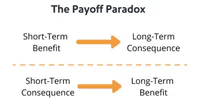
Analysis: Comparing the short-term and long-term consequences of each reaction:
Short-Term Consequences:
●Emotional Reaction: The immediate fallout includes heightened tension and conflict between the partners. The project may
suffer as communication breaks down, and the students struggle to work effectively together. The emotional response can lead
to impulsive decisions, such as refusing to make necessary improvements or quitting the project altogether.
●Logical Reaction: The immediate outcome is a constructive discussion about the feedback. The partners work collaboratively to
identify and address weaknesses in their project. This response fosters a positive environment for making improvements and
demonstrates resilience and adaptability.
Long-Term Consequences:
●Emotional Reaction: The long-term impact may include a damaged relationship between the partners, making future
collaboration difficult or impossible. The student who reacted emotionally might develop a reputation for being difficult to
work with, which could affect their standing in other group projects or activities. The project is likely to remain flawed due to
the lack of constructive revisions.
●Logical Reaction: Over the long term, the students’ relationship is likely to be strengthened by their ability to handle criticism
and work together to improve. They gain valuable skills in collaboration, problem-solving, and accepting feedback. The project
itself benefits from thoughtful revisions, likely resulting in a better final product. This approach sets a precedent for positive
handling of similar situations in the future, enhancing both academic and personal growth.
Case Study: Emotional vs. Logical
Reactions
7


●Emotional Reactions:
○Short-Term: Quick resolution of immediate emotional tension, but often through
negative means such as outbursts or avoidance.
○Long-Term: Potential for ongoing conflict, broken relationships, and a negative
reputation.
●Logical Reactions:
○Short-Term: May require more time and effort initially, leading to a calmer and
more thoughtful approach to problem-solving.
○Long-Term: Development of stronger, more trusting relationships, a positive
reputation, and effective resolution of issues.
By understanding these differences, we can appreciate the importance of choosing logical
reactions in problematic situations. Logical reactions might take more effort and patience,
but they lead to more positive and sustainable outcomes both immediately and in the long
run. This comparison helps us to see that the effort invested in thoughtful, evidence-based
decision-making pays off significantly over time, fostering an environment where conflicts
are minimized, and productive collaboration is maximized.
Comparing Consequences
Comparison: Emotional and logical reactions differ significantly in their short-term and long-term consequences.
8


Task: For each scenario, follow these steps:
1.Identify the Emotional Reaction: Describe how a person might react emotionally to the situation. What are the
immediate feelings or instincts that might drive their response?
2.Identify the Logical Reaction: Describe how a person might react logically to the situation. What reasoning or thought
process might they use to respond effectively?
3.Consider the Consequences: Outline the potential consequences of both the emotional and logical reactions. How
might each type of reaction impact the short-term and long-term outcomes of the situation?
Activity: Identify Consequences
Scenario 1: You have been preparing for a school talent show for weeks. On the day of the show, you forget the lyrics to your
song during your performance.
Scenario 2: You and your best friend have a disagreement about a group project. Your friend criticizes your ideas in front of
the group.
Scenario 3: You receive a lower grade than you expected on a math test. You studied hard and thought you understood the
material well.
Scenario 4: Your parents tell you that you can't go to a friend's party because you have to finish your homework first.
Scenario 5: You are playing a team sport, and one of your teammates makes a mistake that costs your team the game.
9


Application
Write a brief reflection on how
understanding the consequences of
reactions can help you in the future.
Bonus points if you can create 2
metacognitive questions to ask yourself
when dealing with a problem to rely on
logical reactions instead of emotional
reactions.
10

John and Sarah both work at a large marketing firm. One day, their team
was given a challenging project with a tight deadline. The project was
crucial for the company's success, and the team leader emphasized the
importance of meeting the deadline without compromising quality.
As the deadline approached, tensions ran high. John, who tends to react
emotionally under pressure, became increasingly stressed and anxious.
When the team encountered a major setback, John lashed out at his
colleagues, blaming them for the issues. His outburst created a tense and
hostile work environment. The team struggled to refocus and wasted
valuable time dealing with the conflict. Ultimately, they submitted the
project late, and the quality was below expectations. This incident
damaged team morale and strained John's relationships with his
colleagues.
In contrast, Sarah, who approaches problems logically, maintained her
composure despite the pressure. When the setback occurred, she calmly
assessed the situation and called a team meeting. Sarah encouraged her
colleagues to share their ideas and collaboratively brainstorm solutions.
She helped the team develop a clear plan to address the issues and
reallocate resources efficiently. The team felt motivated and supported,
and they worked together to overcome the challenges. As a result, they
completed the project on time, and the final output was of high quality.
Sarah's logical reaction not only ensured the project's success but also
strengthened team cohesion and trust.
Short Constructed Response Question
Question: Compare and contrast the
consequences of John’s emotional reaction and
Sarah’s logical reaction to the setback in their
team project. Discuss the short-term and
long-term effects on the project's outcome,
team dynamics, and professional relationships.
Use specific examples from the text to justify
your analysis and provide a detailed explanation
of how different types of reactions can influence
both immediate results and future interactions
within a professional setting.
11


DOL
L: 0-2/5
S1: 3/5
S2: 4/5
A: 5/5
Lesson Objective: I will learn how to compare and
contrast the consequences of logical and
emotional reactions to a given problem.
DOL: Given 5 questions, I will apply my
understanding of identifying, comparing, and
contrasting the consequences of logical and
emotional reactions by analyzing different
scenarios and providing evidence-based
explanations with 100% accuracy.
Show answer
Auto Play
Slide 1 / 11
SLIDE
Similar Resources on Wayground

10 questions
Introduction Paragraph
Presentation
•
8th Grade
10 questions
System of Equations
Presentation
•
8th Grade
10 questions
Physical versus Chemical Changes
Presentation
•
8th Grade
9 questions
Possessive Pronouns
Presentation
•
8th Grade
9 questions
Active and Passive Voice
Presentation
•
8th Grade
9 questions
Outsiders Anticipation Guide
Presentation
•
8th Grade
9 questions
Subscripts, Coefficients and Counting Atoms
Presentation
•
8th Grade
10 questions
Equations Of All Kinds!!!
Presentation
•
8th Grade
Popular Resources on Wayground
10 questions
Safety Day 2026 – Student Review

Quiz
•
9th Grade
21 questions
Continents and Oceans
Quiz
•
6th Grade
20 questions
Parts of Speech
Quiz
•
5th Grade
16 questions
Subject & Predicate
Quiz
•
5th Grade
25 questions
Multiplication Facts
Quiz
•
5th Grade
12 questions
Map Skills
Quiz
•
3rd Grade
22 questions
Continents and Oceans
Quiz
•
5th Grade
15 questions
Rounding Decimals
Quiz
•
5th Grade