

U1L8 Food Webs

Presentation
•
Science
•
7th Grade
•
Practice Problem
•
Hard
+8
Standards-aligned

Jeri Thomas
FREE Resource
110 Slides • 0 Questions
1
Discover new features in Lessons!
Finish all phases of “I-do ; We-do ; You-do” with Quizizz
You can also create lessons directly on Google Slides using “Quizizz Extension”.
Read more about it here
2



Science is
about
talking to
people
Science is
making
observations
Science is
done in many
places
Supplies
Warm-up
● GREEN
PACKET
● Pencil/Dry
Erase Marker
● Computers
*CLOSED for
now!
1. Draw a picture on your whiteboard
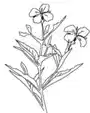
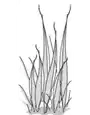
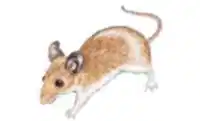
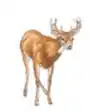
to explain the connection between
clarity and dissolved oxygen levels.
2. Look over your notes
Habitat
3

Click here to go to Day 2 slides
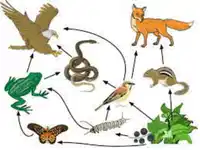
4

Day 1 - Food Chains & Webs
Vocabulary
●Food chain
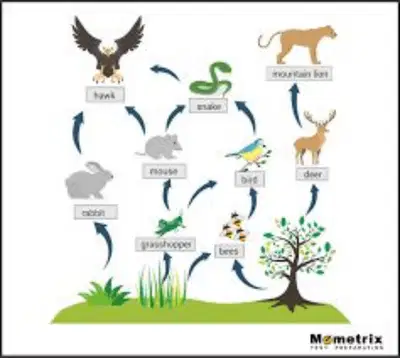
●Food web
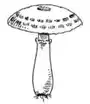
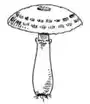
●Producert
●Photosynthesis
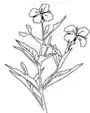
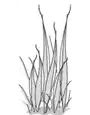
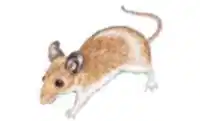
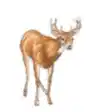
●Consumer
●First-order consumer
●second -order consumer
●Third-order consumer
●Decomposer
●Energy pyramid
●Thermal energy
●Trophic level
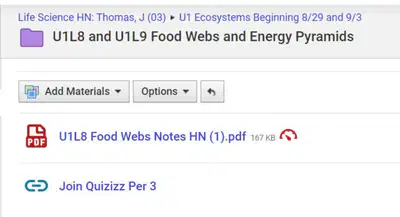
Energy in Ecosystems
L 1.8-9
5

Day 1 (water quality review & food chains)
Agenda
●Warm-up
●Water Quality Check-in
●Model Ecosystems
●Food Chains & Food Webs
●Review
●Exit Ticket
●Left from last class: assign Water Quality Quizizz to
each class as HW
●Have food web notes printed
●Have Newsela article, “The food chain: who eats who in
the wild” available
●Have critter cards printed and cut
●Have tab open with PBS video Systems ready to play
●Exit Ticket?
6


I can begin to see how organisms in a community interact to
obtain the matter and energy they need to carry out their life
processes.
What?
Why?
Understand how energy is transferred from PRODUCERS to
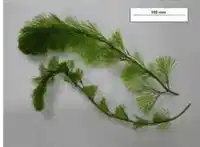
CONSUMERS in an ecosystem.
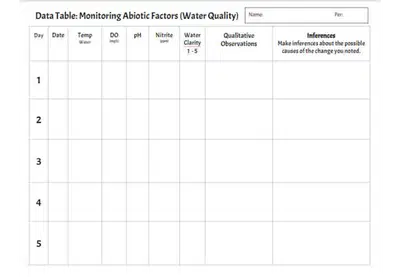
Plus, we’ll check the water quality indicators in our ecosystems.
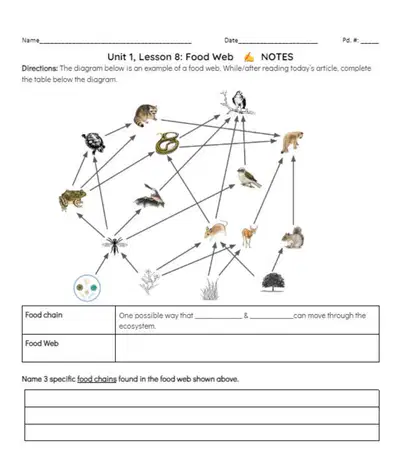
When Uncle Joe comes to dinner and
asks, “What’s happening at school?”
7

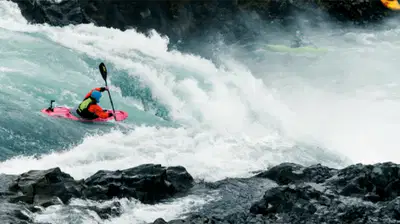
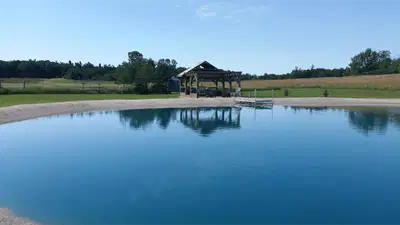
Which body of water do you think has
more dissolved oxygen?
8


Which body of water do you think has
more dissolved oxygen?
9

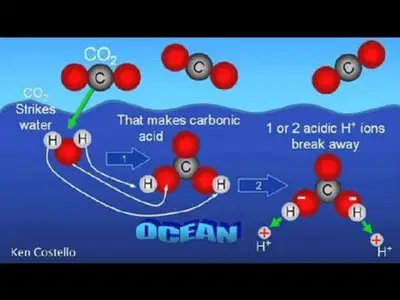
As the amount of CO2 in the water increases,
what happens to the pH?
It decreases
(becomes more acidic)
10

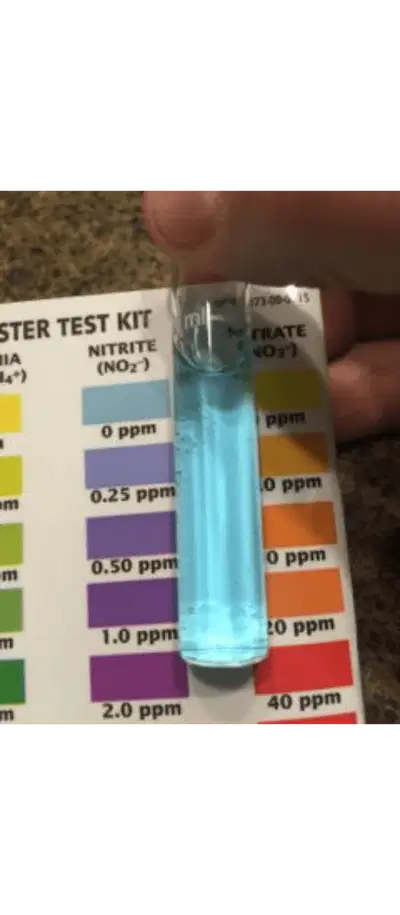
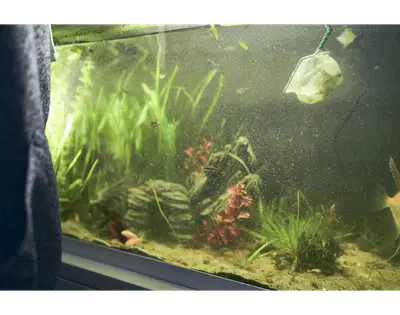
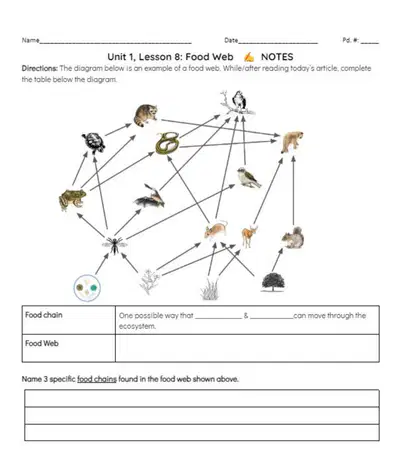
Are nitrites good or bad for aquatic animals?
Nitrites are harmful :(
(Icky “I”)
11


Why does water clarity matter?
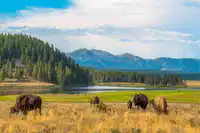
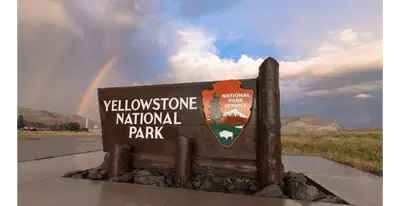
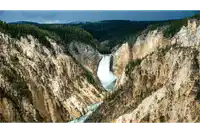
The clearer the water, the more sunlight that can get
through to the plants to perform photosynthesis.
12


In AGENDA write down SCIENCE QUIZ
Water Quality &
Energy in Ecosystems
Per. 3, 5, 7
Wednesday, Oct 2
13


In AGENDA write down SCIENCE QUIZ
Water Quality &
Energy in Ecosystems
Per 2, 8
Wednesday, Oct 9
14


FROM YOUR SEAT -
Do you observe anything new about your ecosystems?
15

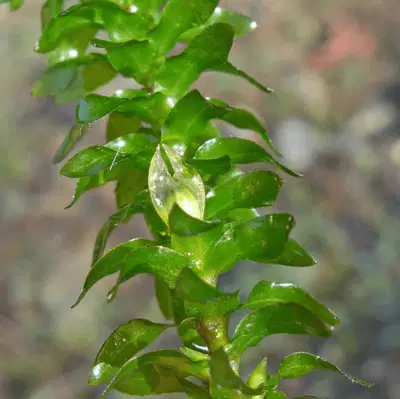
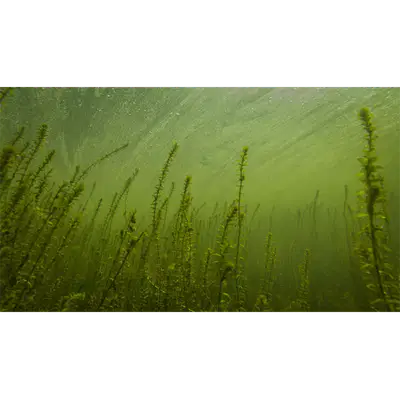
Elodea
16

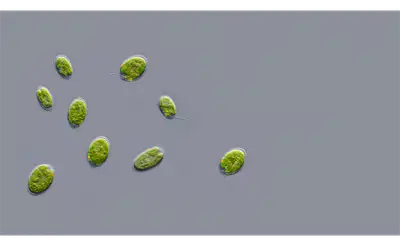


(algae)
17

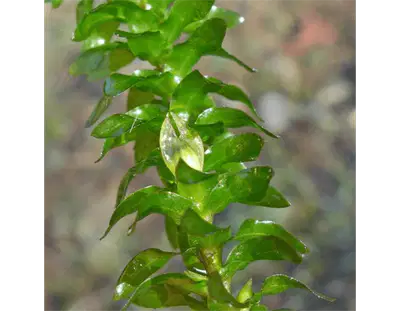

How do elodea & chlamydomonas get their energy?
They use the sun’s energy (Photosynthesis!)
18

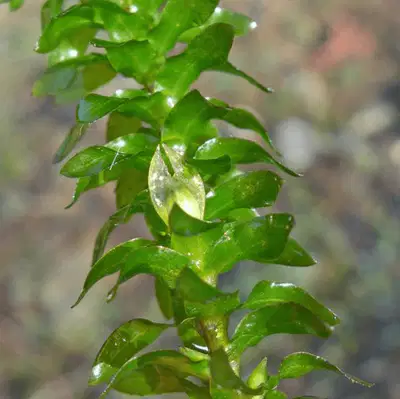
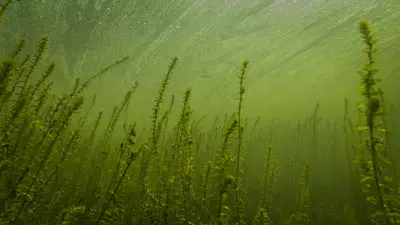
Elodea
Producer or consumer?
19

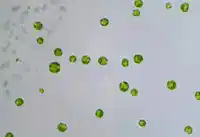

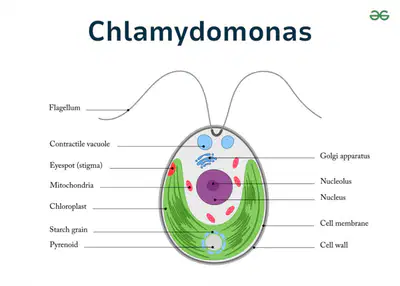
Producer or consumer?
20

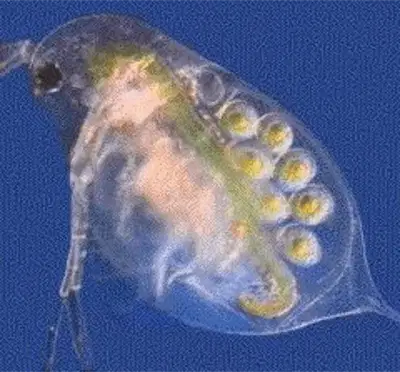
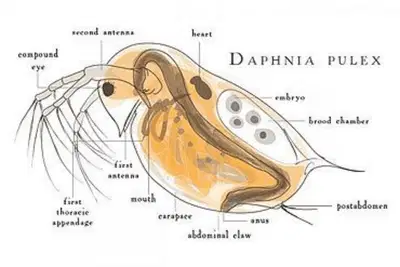
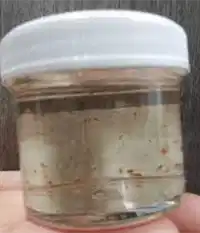
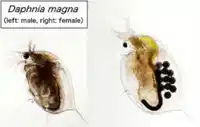
Daphnia
(water flea)
21

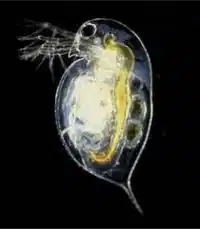
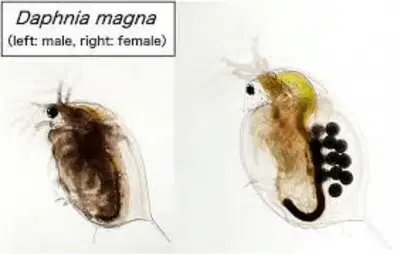
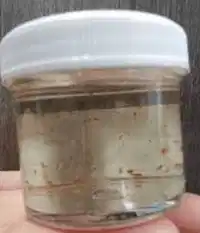
Daphnia
22

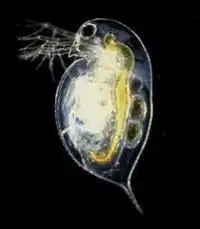
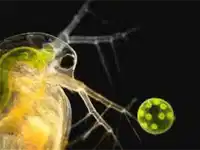
Daphnia
Producer or consumer?
23


Turn to this page
24


Day 2: Fill in today’s date.
9/27
25


Before you leave your station (CLEAN
UP):
❏ Do you need to add more water to
your ecosystem?
❏ Are all job cards returned?
❏ Are all sample beakers in their
proper locations?
❏ Wipe down your station with a
paper towel, if needed.
26

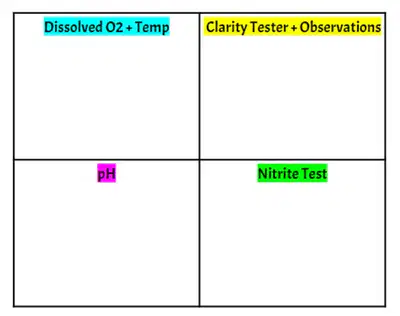
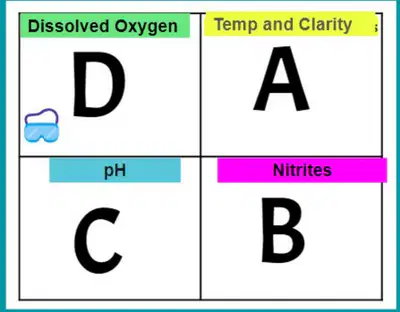
Temp and Clarity
Dissolved Oxygen
pH
Nitrites
A
B
D
C
🥽
Jobs for today
27


1. Must wear goggles.
2. Follow directions
for each task.
3. Clean up station.
4. Return to seats to:
a. SHARE DATA
b. Put 🥽
away
Water Quality Testing
28


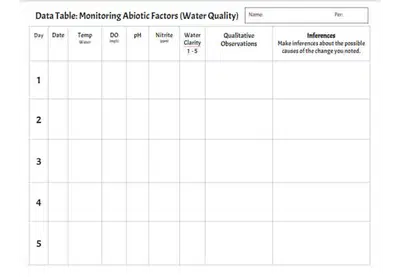
Were all of your abiotic factors in a normal
range; if not, which ones weren’t?
Make an inference
as to why or why
not readings were
in normal range.
29


Let’s share and update our qualitative observations!
● Elodea, Chlamydomonas, and Daphnia were added.
● The Daphnia were observed swimming.
● The Elodea has roots.
● Air bubbles were observed coming off of the Elodea.
● The Elodea is green.
30

Turn back to your Aquatic Ecosystem Drawing page.
Draw with pencil, label, add color.
Chlamydomonas
1.Do not use
arrows.
2.
Draw a straight
line to side of
tank and write
the name of
organism
horizontally.
3.
If the organism is
microscopic,
draw a circle
around it.
Daphnia
Leave lots of room for future
organisms to be drawn
Water Level
Elodea
31

Clip packet into your binder
32



Brain
Break
Find
three
birds
33


WHAT? Create a Northern Virginia food web and
observe how interactions change as organisms are added
or removed.
WHY? So that I can show how energy flows through
ecosystems.
34


SYSTEM
Talk with your table group.
35


SYSTEM
Share
36

SYSTEM
Consists of two or more parts
that interact to form a whole
37

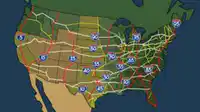
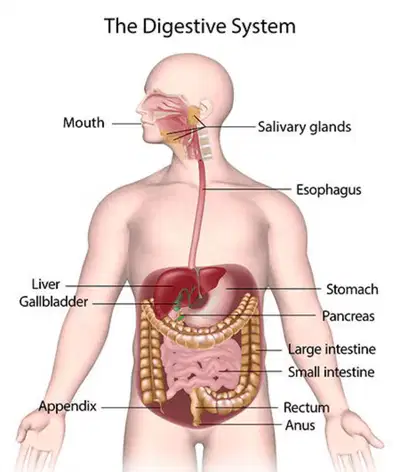
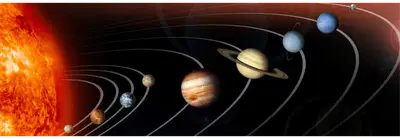

SYSTEM
Frost Middle School
38

System?
Ecosystem
39

Which
populations
would
you expect
to find in
this
ecosystem?
40

How might
these
populations
interact
with each
other?
41




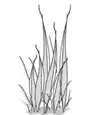


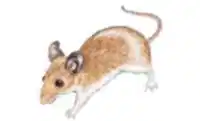
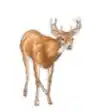

Group the cards into categories of your
own choosing!
42







Why did you group
your cards this way?
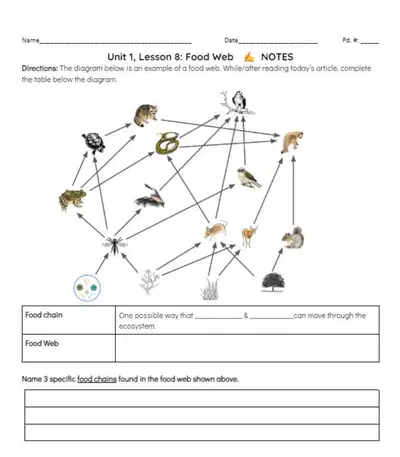
43


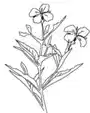


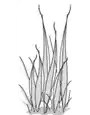


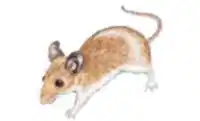
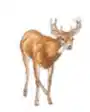

Next…
group the cards according to
what you think each organism
eats.
44


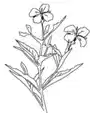


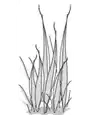


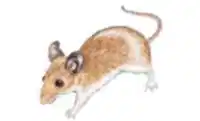
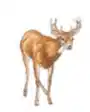

How did you group?
45


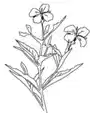


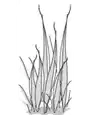


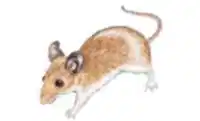
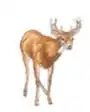

Next…
Use 3 organisms to create a
simple food chain
46

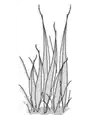
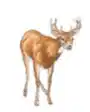

Food Chain
Does the direction of the
arrows matter?
47

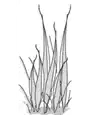
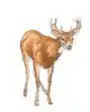

What do the arrows represent?
Arrows show the
direction of energy!
48

Next…
Create a diagram by arranging your cards on
your boards and draw arrows connecting each
organism to its food source.
Remember:
Arrows show the
direction of energy!
49


Look at another group’s work.
What is the same/different from yours?
50


Now…
Remove 3 cards of your choosing.
51

How does removing these organisms affect the
connections you drew?
Come up with 3 effects of this!
52


Finally…
1. Add the mushroom and bacteria to
your diagram.
2. How do these organisms connect to
the others? (use arrows!)
53


Find 3
similarities
between
this
diagram
and the one
you made!
54








Please put the cards
back in the baggie!
55


Trophic levels in a Food Chain
Producer
1st Order
Consumer
2nd Order
Consumer
3rd Order
Consumer
“herbivore”
To do with
EATING or
nutrition
56


1. Take a copy of the notes and article from
table folder.
2. Read the article
3. Complete PAGE 1 of your notes (front
and back) using the article
Done early? Work on your U1L8 Exit Ticket
💦
and Quizizz (homework if not done!)
57


56
Food Webs
Ecosystems have many
different food chains.
All of the interconnected
and overlapping food
chains in an ecosystem
make up a food web.
58


Ecosystems
Change!
How might
something be
removed?
59

Ex: Cougars
In 2018, the cougar
(mountain lion) was
declared extinct in
Northern Virginia due to
habitat loss and
overhunting.
60

Cougar Extinct
How does this
affect the rest of
the food web?
61


SYSTEM
62


Go to Schoology
Join our Science Class
Click on the link and
choose JOIN CLASS
63

In today’s folder in Schoology:
- Work INDEPENDENTLY
- You may use your notes.
- 2 attempts
Finish Quizizz about Water Quality
64

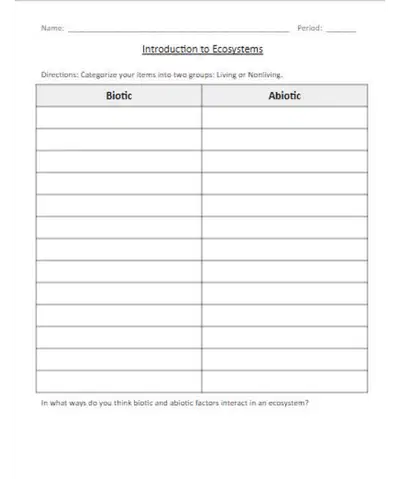
Clip notes into your binder
65




● In today’s folder
● May use notes.
● 2 attempts
● No talking, please.
Notes may be kept here at your testing station in the
folder!
66

Now you try!
Make a food web
using organisms
local to Fairfax
County.
67

68


Nothing done past this point
for Day 1
Continue on the next slide
for Day 2 (9/30 and 10/01)
69

Day 2 (food webs & energy pyramids)
Agenda
●Warm-up
●Water Quality Day 3
●Food Web Review
●Yellowstone
●Exit Ticket
●Le
●
●Have tab open with PBS video Systems ready to play
●Exit Ticket?
70


Science is
about
talking to
people
Science is
making
observations
Science is
done in many
places
Supplies
Day 2 Warm-up
(ANSWER on WHITEBOARDS)
● Agenda
● Science binder
Green Packet
Food Chains Notes
✅
● Pencil/Dry
Erase marker
● Computers
1. Using your completed food web
notes, write down one of your 3 food
chain examples.
2. What do the arrows represent?
3. What is the importance of
decomposers?
Habitat
*Make sure your homework is ✅
71





Science is
about
talking to
people
Science is
making
observations
Science is
done in many
places
Supplies
Warm-up (ANSWER on WHITEBOARDS)
● Agenda
● Science binder
Water quality notes
Food web notes
● Pencil
● Computers
1. Using your completed food web
notes, write down one of your 3 food
chain examples.
2. What do the arrows represent?
3. What is the importance of
decomposers?
Habitat
Keep your warm-up
written on your
whiteboards!
72


In AGENDA write down SCIENCE QUIZ
Water Quality &
Energy in Ecosystems
Per. 3, 5, 7
Tuesday, Oct 8
73


In AGENDA write down SCIENCE QUIZ
Water Quality &
Energy in Ecosystems
Per 2, 8
Wednesday, Oct 9
74


WHAT? Continue taking qualitative and
quantitative observations of our model ecosystem
and model how energy moves through ecosystems
WHY? So that I can how energy is passed on from
one organism to another
75


FROM YOUR SEAT -
Do you observe anything new about your ecosystems?
76


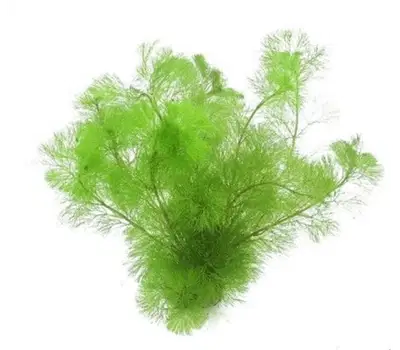
Cabomba
77


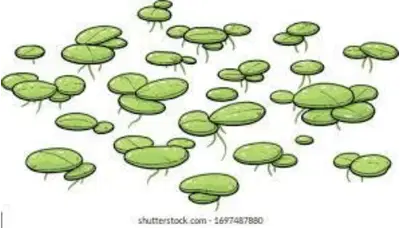
Duckweed
78


Spirogyra
79

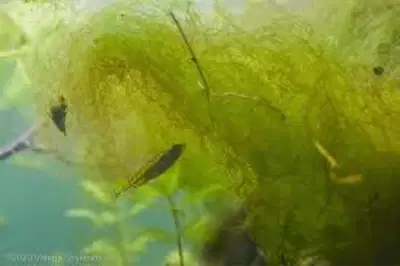
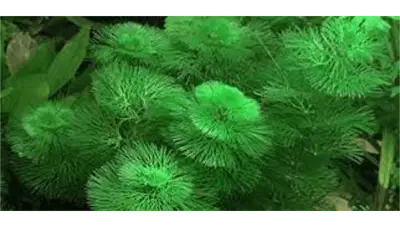
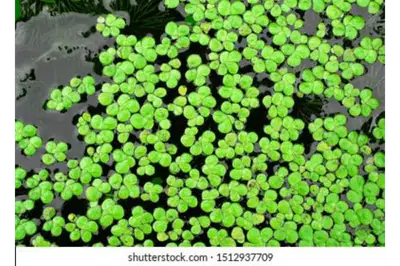
Producers or consumers?
80


Turn to this page
81


Day 3: Fill in today’s date.
9/30
82


Before you leave your station (CLEAN
UP):
❏ Do you need to add more water to
your ecosystem?
❏ Are all job cards returned?
❏ Are all sample beakers in their
proper locations?
❏ Wipe down your station with a
paper towel, if needed.
83

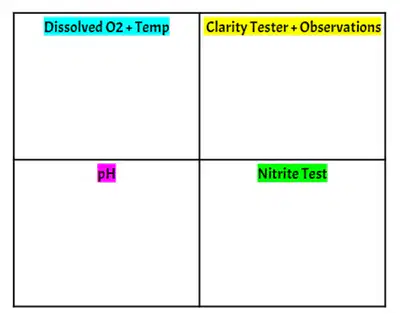
Temp and Clarity
Dissolved Oxygen
pH
Nitrites
A
B
D
C
🥽
Jobs for today
84


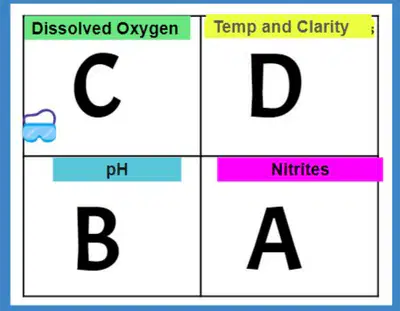
1. Must wear goggles.
2. Follow directions
for each task.
3. Clean up station.
4. Return to seats to:
a. SHARE DATA
b. Put 🥽
away
Water Quality Testing
85


Were all of your abiotic factors in a normal
range; if not, which ones weren’t?
Make an inference
as to why or why
not readings were
in normal range.
3
86


Let’s share and update our qualitative observations!
87


Turn to this page in your Model Ecosystem Packets
88


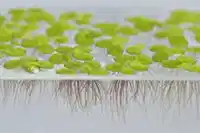
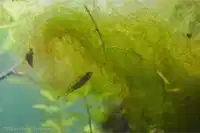

Draw and properly label each new organism.
Use color !
Cabomba
Spirogyra
Duckweed
Leave lots of room for future
organisms to be drawn
89

Clip notes into your binder
90

Homework: All notes
should be complete.
✅
Food chain definition?
91


Food chain:
One possible way
that energy and
nutrients can move
through the
ecosystem.
92


93

Look back at your
warm-up:
Which food chain did
you choose to write
down?
Share at your table
94


Q1. Food chains begin with?
Producers
95


96


Q2. Arrows? Which direction? Why?
Arrows show the direction of energy!
97


On your notes:
Trophic levels
● Producer
● 1st order consumer
● 2nd order consumer
● 3rd order consumer
98


Label your food chain with trophic levels.
99


Trophic levels of a food chain
Producer
1st Order
Consumer
2nd Order
Consumer
3rd Order
Consumer
herbivore
Label your food chain with trophic levels.
100

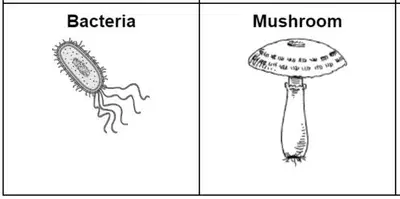
Trophic levels of a food chain
Decomposers
101

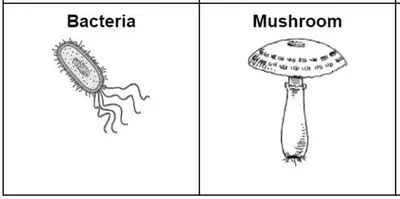
Trophic levels of a food chain
Q3. Decomposers - why are they important?
102

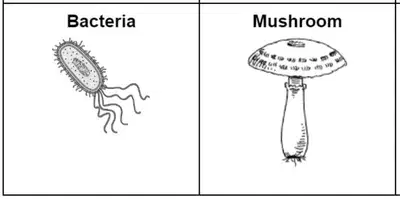
Trophic levels of a food chain
Q3. Decomposers - why are they important?
Decomposers complete the food chain. They
turn dead organisms into organic materials
returning nutrients back to the soil.
103


Trophic levels of a food chain
Q3. Decomposers - why are they important?
104


Food Webs
105


104
Food Webs
All of the
interconnected
and overlapping
food chains in an
ecosystem make
up a food web.
106


107


Let’s review. Join me in Pear Deck.
108


SYSTEM
109


Has anyone ever been to
Yellowstone National Park?
110

“The Yellowstone National Park is a nearly
3,500 square mile wilderness recreation
area atop a volcanic hot spot. It is located
mostly in the state of Wyoming, with parts
in Montana and Idaho too. It is home to
hundreds of animals species to include
bears, wolves, bisons, elk, and antelope.
Discover new features in Lessons!
Finish all phases of “I-do ; We-do ; You-do” with Quizizz
You can also create lessons directly on Google Slides using “Quizizz Extension”.
Read more about it here
Show answer
Auto Play
Slide 1 / 110
SLIDE
Similar Resources on Wayground

106 questions
Introduction to Ecology and Levels of the Environment
Presentation
•
6th - 8th Grade
103 questions
Science MCQ
Presentation
•
7th Grade
108 questions
7 SINIF 2. ÜNİTE
Presentation
•
7th Grade
108 questions
NE Chat Training
Presentation
•
KG
102 questions
LESSON 1: PYTHON-FLOWCHARTS, INPUTS, AND VARIABLES
Presentation
•
7th Grade
109 questions
Noncontact Forces: Gravity
Presentation
•
6th - 8th Grade
105 questions
102 Language Exam Guide B2P2
Presentation
•
6th - 8th Grade
Popular Resources on Wayground
19 questions
Naming Polygons

Quiz
•
3rd Grade
10 questions
Prime Factorization
Quiz
•
6th Grade
20 questions
Math Review
Quiz
•
3rd Grade
15 questions
Fast food
Quiz
•
7th Grade
20 questions
Main Idea and Details
Quiz
•
5th Grade
20 questions
Context Clues
Quiz
•
6th Grade
20 questions
Inferences
Quiz
•
4th Grade
19 questions
Classifying Quadrilaterals
Quiz
•
3rd Grade
Discover more resources for Science
16 questions
Interactions within Ecosystems
Presentation
•
6th - 8th Grade
20 questions
Moon Phases and Eclipses
Quiz
•
6th - 8th Grade
16 questions
Photosynthesis and Cellular Respiration Review
Quiz
•
7th Grade
22 questions
6th & 8th Grade Science Material SOL Review
Quiz
•
6th - 8th Grade
20 questions
genetics, punnett squares, heredity
Quiz
•
7th Grade
17 questions
Human body systems
Quiz
•
7th Grade
20 questions
Food Webs + Energy Pyramids
Quiz
•
7th Grade
20 questions
Evolution and Natural Selection
Quiz
•
7th Grade