

Unit 15 Lesson 6: Fossil Fuels and Humans Quiz Review

Presentation
•
Education
•
9th Grade
•
Practice Problem
•
Medium

Larisa Black
Used 2+ times
FREE Resource
11 Slides • 8 Questions
1

U15 L 6 Quiz Review
South Carolina Connections Academy
2


3
Multiple Choice
Where did coal formation take place?
beneath the ocean floor
beneath the swamp floor
right below the ground
on top of mountains
4

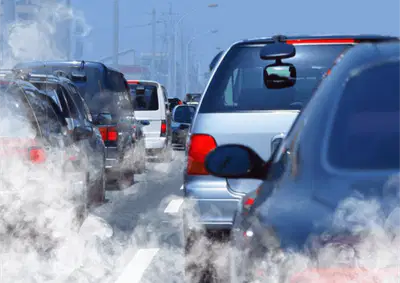
What Happens When Fossil Fuels Are Burned?
Emissions- gases that are released when fossil
fuels are burned
Power plants generate electricity by burning
fossil fuels. When fossil fuels are burned,
pollutants are released into the air
Carbon dioxide is a greenhouse gas, which
means it acts as insulation to trap heat in the
atmosphere.
Smog, acid rain, and harmful particulate matter
is formed.
5
Multiple Choice
What is one effect that burning fossil fuels has on the atmosphere?
decreases carbon dioxide available to plants
causes carbon dioxide levels to stay the same as from before the industrial era
increases levels of greenhouse gases
causes nitrogen to make up the majority of the atmosphere
6

CO2’s Effect on the Hydrosphere
How does carbon
dioxide in the
atmosphere affect
ocean chemistry?
Oceans absorb carbon
dioxide from the
atmosphere, which
causes the ocean to
become more acidic.
How do these changes in
ocean chemistry affect the
organisms living in the
ocean? As the ocean becomes
more acidic, the amount of
carbonate that organisms can
use to build their shells
decreases. Threats to shelled
organisms, like sea snails,
affect animals that are
further up the food chain,
such as penguins and seals.
7
Multiple Choice
A scientist observes that the shells of oysters this year are thinner than the shells of oysters several years ago. How could this trend be related to the use of fossil fuels?
Increasingly acidic ocean water makes building shells more difficult.
Higher levels of ozone in the ocean keep oysters from building shells.
Fossil fuel spills in the ocean prevent oysters from building shells.
Lower carbon levels mean that oysters do not have enough materials to build shells.
8

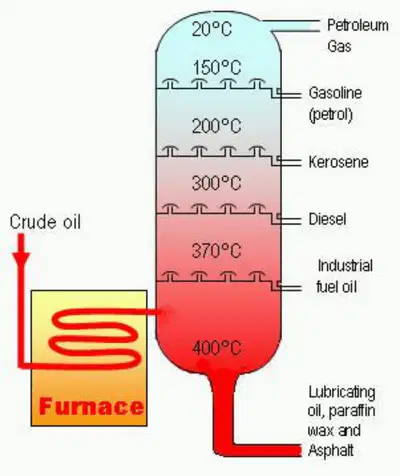
1.Crude oil is a liquid fossil fuel primarily
composed of hydrocarbons
2.
It is buried underground in reservoirs or
pools as well as in small spaces within
sedimentary rocks
3.
Crude oil is removed through drilling
4.
It is heated and boiled to separate into
different components
5.
Gasoline is processed and delivered to
terminals via underground pipes
This can Impact Groundwater supply!
Extracting and Processing Crude Oil
9
Fill in the Blanks
10

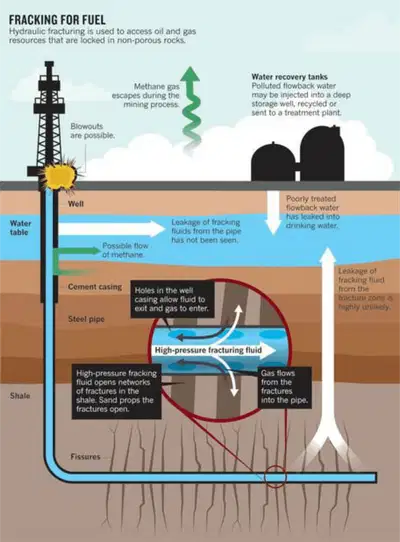
Environmental Impacts
of Fracking
-Drilling into the Earth
-When extracted from the earth methane
escapes. (Methane damages the environment
even more than carbon dioxide as it traps more
heat, causing temperatures to rise)
-2–5 million gallons of water are needed to
make the fracking fluid for one well
-fracking fluid can leak back into the water
-pressure imbalances underground lead to
earthquakes
-Natural gas and oil are burned releasing carbon
dioxide.
11
Multiple Select
Which statements accurately compare the environmental impact of acquiring natural gas and acquiring oil? Select the two correct answers. (choose 2 answers)
Both emit hydrogen into the air.
Both can cause sinkholes to occur.
Both involve drilling into the earth.
Both can impact groundwater supply.
12


Fossil fuels influence human activity in
the following areas of food production:
Increase of crops harvested
transporting
packaging
Fossil Fuels and Our Food
13

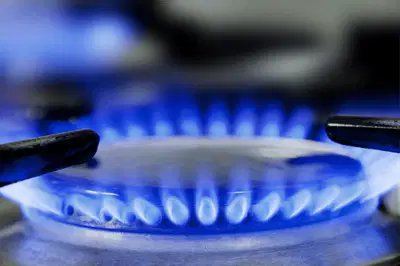
Home: furnaces, water heaters, some clothes
dryers. Also used as a fuel for cooking in stoves,
ovens, and grills.
Business: heating buildings, generate electricity
for cooling equipment, refrigeration, cooking, and
outdoor lightning.
- Natural gas used to generate electricity has
increased efficiencies for business owners.
Transportation: Some vehicles, transportation of
natural gas, fuels compressors.
How Natural Gas Has Influenced Human Activity
14


How
Petroleum
Has
Influenced
Human
Activity
15
Multiple Choice
Which fossil fuel has had the most significant influence on human transportation over the last century?
hydrogen
petroleum
natural gas
coal
16

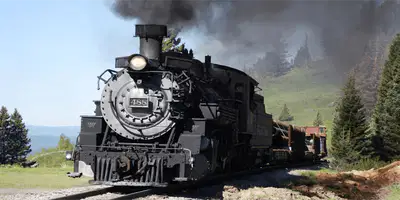
How Coal Has Influenced Human Activity
-Use in steam engines led to
easier access to goods.
-Generating electricity
-Making steel
17
Multiple Choice
Trains now are mostly powered by diesel engines instead of steam engines. This is evidence of the greater influence of which fossil fuel over the other?
coal over petroleum
natural gas over petroleum
coal over natural gas
petroleum over coal
18

Does This Fossil Fuel Influence This Human Activity?
Storing foods
through the
use of
plastics.
Transporting
goods.
Supplying
energy for
water heaters.
Producing
steel for
construction.
Coal
NO
NO
NO
YES
Petroleum
YES
YES
NO
NO
Natural Gas
YES
YES
YES
NO
19
Multiple Select
Which fossil fuels directly impact the storing of foods with plastics? (choose 2)
coal
natural gas
petroleum
U15 L 6 Quiz Review
South Carolina Connections Academy
Show answer
Auto Play
Slide 1 / 19
SLIDE
Similar Resources on Wayground

14 questions
Domain and Range of Continuous Data with Endpoints
Presentation
•
9th Grade
14 questions
Active Voice vs. Passive Voice
Presentation
•
9th Grade
13 questions
Prepositional Phrases
Presentation
•
9th Grade
16 questions
Newton's First Law of Motion...
Presentation
•
8th Grade
14 questions
Ethics in Research_Intro
Presentation
•
9th Grade
14 questions
Area of Triangles and Parallelograms
Presentation
•
9th Grade
14 questions
Solving Systems by Elimination
Presentation
•
9th Grade
14 questions
Europe
Presentation
•
9th Grade
Popular Resources on Wayground
11 questions
Hallway & Bathroom Expectations

Quiz
•
6th - 8th Grade
10 questions
HCS SCI 03 Summer School Assessment 2
Quiz
•
3rd Grade
11 questions
Home Scope
Quiz
•
7th - 8th Grade
12 questions
2026 TAP Technology in the Classroom
Presentation
•
Professional Development
15 questions
HCS SCI 05 Summer School Assessment 2 Review
Quiz
•
5th Grade
15 questions
HCS SCI 04 Summer School Review 2
Quiz
•
4th Grade
59 questions
Geometry Unit 3 Review
Quiz
•
9th - 12th Grade
14 questions
FAST ELA READING SMAPLE TEST MATERIALS

Passage
•
3rd Grade