

3.2.1 Ore Deposits

Presentation
•
Science
•
8th Grade
•
Practice Problem
•
Easy
+7
Standards-aligned

Megan Horvat
Used 3+ times
FREE Resource
20 Slides • 3 Questions
1

3.2.1
2
Objectives
Learners can:
explain what an ore deposit is and why they are important
describe the exploration process for finding ores
identify the factors that determine the location and size of ore deposits
3
geology
mineral
natural resource
Prerequisite Vocab
crystal
crystallization
ore
ore deposit
vein
New Vocab
4


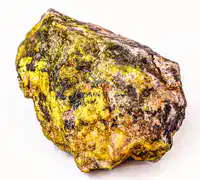
a rock with a natural geometric pattern
Crystal
the process by which a substance's molecules or atoms align in a repeating structure
Crystallization
valuable material found within rock
Ore
5


a concentration of minerals that can be used profitably
Ore Deposit
a fracture in a rock containing a deposit of minerals or ore
Vein
6
Match
Match the vocabulary word with its definition.
mineral
geology
natural resource
a natural, solid substance found in rock
study of rocks and Earth
anything usable in nature
a natural, solid substance found in rock
study of rocks and Earth
anything usable in nature
7
Cracking Open Geodes
dish towel
geodes
rock pick
safety goggles

8
San Francisco 49ers
You may be surprised to learn that the name of this football team is a reference to California miners who panned for gold. In 1848, the California gold rush began with many individuals moving to the region to try and make their fortune. During this time, settlements such as San Francisco experienced significant growth.
The name “49ers” refers to the people who flocked to California in 1849 during the peak of the California gold rush in search of gold deposits. The gold rush brought many people to California in the mid-19th century.

go birds
9
10
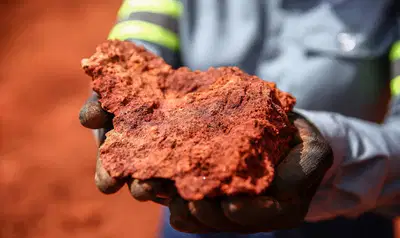
Ore is a valuable material found within rock. The reason ore is valuable is that it contains useful minerals. Minerals are used for many regularly used products. It may be hard to see the value in a seemingly ordinary-looking rock seen here. However, this rock is actually bauxite ore. Bauxite is an important source of aluminum. Aluminum is used in materials such as electrical conductors, food-processing equipment, refrigerators, and aircraft.
Ore
11
12

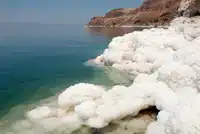
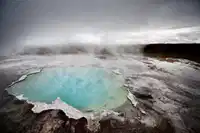
minerals form when magma/lava cools
as minerals cool, they crystallize
granite is a mineral made from cooled magma
Magma & Lava
most water contains elements
elements+water=solution
when water evaporates, minerals are left behind
Solutions
hot groundwater carries dissolved minerals
the groundwater moves through cracks and deposits the minerals
veins are formed
Hot Groundwater
13
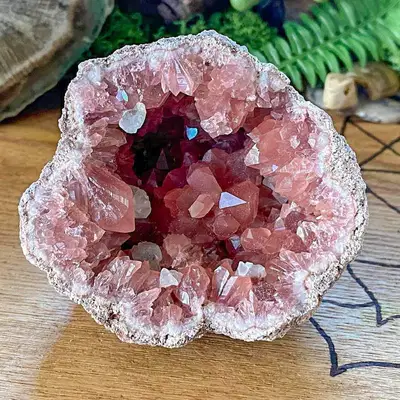
Geodes form when water gets into cracks or pores within a rock and crystals form inside the empty spaces. This allows large crystals to grow. A crystal is a rock with a natural geometric pattern.
Finding geodes is exciting because they can take millions of years to form. A rock collector might suspect a rock contains crystals inside if it is spherical in shape and has a bumpy, uneven surface. It might sound hollow when tapped or even rattle inside. But the only way to be certain is to use a rock hammer to break it open to see if the rock contains crystals inside.
Geodes
14
15


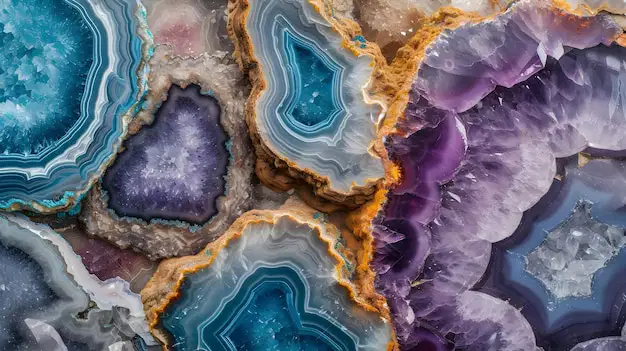
Put the geode on a hard concrete surface, like a sidewalk, patio, or garage floor. Then cover it with a cloth to help prevent rock fragments from hurting you.
Prep
Wearing your safety goggles, use the rock pick to gently strike the geode along the middle until it splits open. If you hit too hard, you may cause the geode to break into small pieces.
Break
Examine the interior of the geode. In most cases, crystals should be visible. Repeat the activity steps with a new geode if your geode does not contain crystals.
Examine
16
Open Ended
Share what you observed about the geode you broke open.
17
Ore Deposits
Recall that rocks that contain minerals are called ore. However, the value of the minerals that are contained in the ore will vary. Certain places on Earth are more likely to have certain ores than other locations. Ore deposits are a concentration of minerals that can be used profitably. So, while mineral resources may be found in many areas around the world, there may only be a few locations with ore deposits worth extracting on a large scale.
18
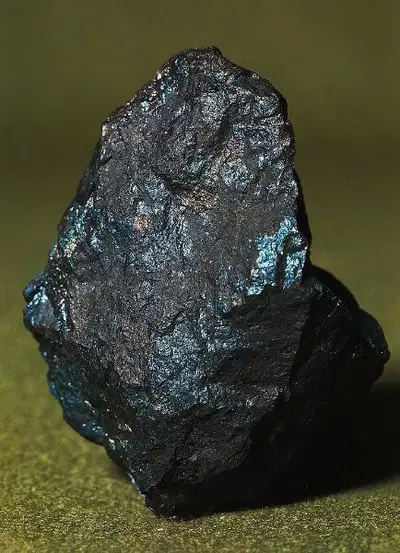
The reason ore deposits are found spread around the world is because of the processes that form minerals. For example, copper is often found where groundwater has been heated by magma. This hot liquid leads to copper veins forming in the ground. However, there are only certain areas where these conditions occur to form large deposits of copper.
Ore Deposits Cont.
19
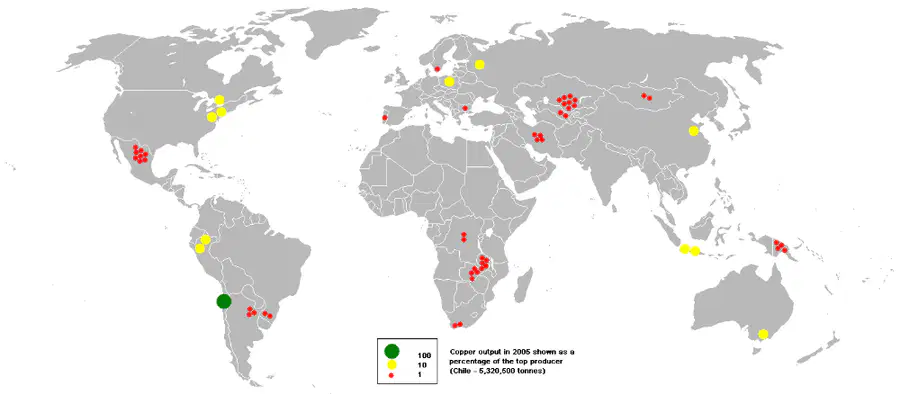
Chile, in South America, is the top producer of copper.
The United States, Peru, China, and Australia are also big producers of copper.
Smaller copper deposits are also found in parts of Kazakhstan, Mexico, Argentina, Uruguay, Zambia, South Africa, Iran, and Papua New Guinea.
20
Multiple Choice
Which of the following statements best explains the distribution of copper ore deposits around the world?
There are several large copper ore deposits spread around the world.
Every country has at least one large copper ore deposit.
Only a few countries have significant copper ore deposits.
Copper ore deposits are evenly spread across Earth.
21
Locating Ore Deposits
Geology is the study of Earth's physical structure, its history, and the processes that shape it. Geologists are scientists who study the Earth and its processes, using a variety of tools and techniques to explore its composition, structure, and history. They will often look for indicators of certain geologic processes such as volcanic activity or rock types to determine the primary processes occurring in that area. With this information, geologists determine the most likely locations for ore deposits to occur.
22
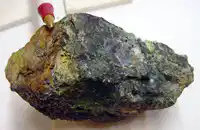
Argentite is an important source of silver. It is found in mineral veins formed from heated groundwater. The heat is often associated with areas that are more volcanically active.
Argentite
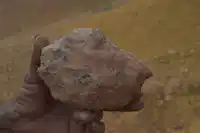
Bauxite is a source of aluminum. It forms in tropical areas due to erosion related to certain types of clay soils.
Bauxite
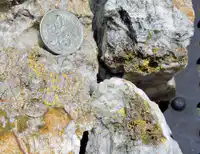
Gold is found as veins running through rocks. Geologists find that the presence of other certain minerals provides clues to where gold may be located.
Gold
23
3.2.1
Show answer
Auto Play
Slide 1 / 23
SLIDE
Similar Resources on Wayground

19 questions
Black Holes
Presentation
•
8th Grade
19 questions
Types of energy
Presentation
•
8th Grade
19 questions
Earth Science
Presentation
•
8th Grade
19 questions
Intrusive vs Extrusive Igneous Rocks
Presentation
•
8th Grade
17 questions
Lesson 17: Energy Transformations
Presentation
•
8th Grade
19 questions
Plate Tectonics & Plate Boundaries
Presentation
•
8th Grade
18 questions
Minerals
Presentation
•
8th Grade
18 questions
Newton's Third Law
Presentation
•
8th Grade
Popular Resources on Wayground
10 questions
Safety Day 2026 – Student Review

Quiz
•
9th Grade
21 questions
Continents and Oceans
Quiz
•
6th Grade
20 questions
Parts of Speech
Quiz
•
5th Grade
16 questions
Subject & Predicate
Quiz
•
5th Grade
25 questions
Multiplication Facts
Quiz
•
5th Grade
12 questions
Map Skills
Quiz
•
3rd Grade
22 questions
Continents and Oceans
Quiz
•
5th Grade
15 questions
Rounding Decimals
Quiz
•
5th Grade
Discover more resources for Science
20 questions
Newton's Laws of Motion
Quiz
•
8th Grade
15 questions
potential and kinetic energy
Quiz
•
8th Grade
21 questions
Newton's Laws of Motion
Quiz
•
8th Grade
20 questions
Elements, Compounds and Mixtures
Quiz
•
8th Grade
10 questions
Exploring Chemical and Physical Changes

Interactive video
•
6th - 10th Grade
20 questions
Physical vs Chemical Changes
Quiz
•
8th Grade
20 questions
Conduction, convection, and Radiation Practice
Quiz
•
8th Grade
21 questions
Waves and Wave Properties
Quiz
•
6th - 8th Grade