

Present Simple with HE/SHE/IT

Presentation
•
English
•
Professional Development
•
Practice Problem
•
Hard

Chap Phythoeun
Used 2+ times
FREE Resource
12 Slides • 0 Questions
1
Discover new features in Lessons!
Finish all phases of “I-do ; We-do ; You-do” with Quizizz
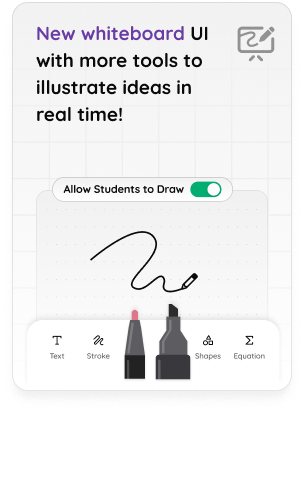
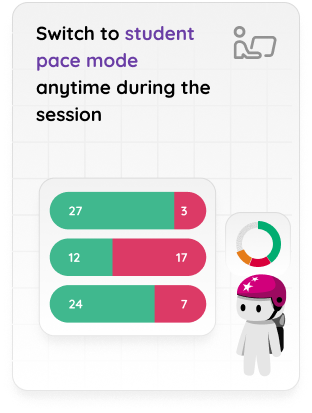
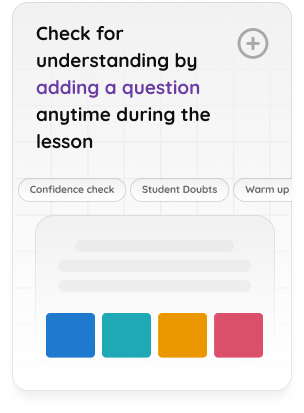
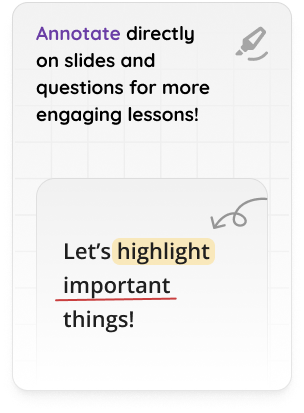
You can also create lessons directly on Google Slides using “Quizizz Extension”.
Read more about it here
2

© Oxford University Press
1 The Present Simple expresses a fact which is always true or true for
a long time.
He lives in London.
She likes her job.
2 The Present Simple also expresses a habit or a routine.
He plays tennis every day.
She often walks to school.
3 We add -s after he/she/it.
Present Simple he/she/it
2.1
He
She
It
in Paris.
she/like dogs =
it/often rain =
he/work here =
She likes dogs.
It often rains.
He works here.
lives
3

© Oxford University Press
4 We use does in questions.
5 Make the questions.
Present Simple he/she/it
2.1
1 where/Carla/work?
2 how much/it/cost?
3 what/he/do after work?
4 when/Andy/get up?
Where does Carla work?
How much does it cost?
What does he do after work?
When does Andy get up?
Where
he
she
it
live?
does
4
© Oxford University Press
6Yes/No questions can have short answers.
7 Make the questions and the short answers.
Present Simple he/she/it
2.1
A Tim/study hard?
B √
A school/start at 8 o’clock?
B X
A she/teach French?
B X
Does Tim study hard?
Yes. he does.
Does school start at 8 o’clock?
No, it doesn’t.
Does she teach French?
No, she doesn’t.
does
Does
he
she
it
live
in America?
in France?
Yes, he does.
No, she doesn’t.
Yes, it does.
5

© Oxford University Press
1 Most verbs add -s in the third person singular.
eat
like
Butgo and do are different. They add -es.
go
do
2 If the verb ends in -s, -sh, or -ch, add -es.
finish
teach
3 If the verb ends in a consonant + -y, the -y changes to -ies.
fly
study
But if the vowel ends in a vowel + -y, the -y does not change.
play
4have is irregular.
have
Spelling of the third person singular
2.2
finishes
does
goes
likes
eats
teaches
flies
studies
plays
has
6

© Oxford University Press
5 Complete the sentences.
1 he/teach English
2 Tanya/go/home after school
3 school/finish at 4 o’clock
4 Chris/study very hard
5 my mother/come from Poland
6 she/have the books
Spelling of the third person singular
2.2
He teaches English.
Tanya goes home after school.
School finishes at 4 o’clock.
Chris studies very hard.
My mother comes from Poland.
She has the books.
7

© Oxford University Press
1 The Present Simple has two forms.
2 In the negative form we use don’t or doesn’t.
3 Make the sentences.
1 he/watch TV (X)
2 they/go to the gym (X)
3 I like/maths (X)
4 we/walk to school (X)
5 she/play cards (X)
Present Simple
3.1
I/We/You/They
in London.
He/She/It
I/We/You/They
He/She/It
in London.
He doesn’t watch TV.
They don’t go to the gym.
I don’t like maths.
We don’t walk to school.
She doesn’t play cards.
work
works
doesn’t
don’t
work
8

© Oxford University Press
4 We use do or does to make questions.
question word
5 Make the questions.
1 where/they/live?
2 what/you/eat for breakfast?
3 when/they/finish work?
4 what/she/do on Mondays?
Present Simple
3.1
Where do they live?
What do you eat for breakfast?
When do they finish work?
What does she do on Mondays?
Where
I/you/we/they
he/she/it
do
work?
does
9

© Oxford University Press
6Yes/No questions can have short answers.
7 Make the questions.
1 she/watch a lot of TV?
2 they/often cook?
3 you/usually study hard?
Present Simple
3.1
Does she watch a lot of TV?
Do they often cook?
Do you usually study hard?
Do
you
like
watching TV?
they
Does
he/she
cook
on Sunday?
Yes, I do./No, I don’t.
Yes, they do./No, they don’t.
Yes, she does./No, she doesn’t.
Yes, we do./No, we don’t.
Yes, he does./No, he doesn’t.
10

© Oxford University Press
8 Make the questions and short answers.
A Linda/like books?
B √
A you/enjoy playing cards?
B X
A John and Tina/work in Bristol?
B X
A Paul/like cycling?
B √
Present Simple
3.1
Does Linda like books?
Yes, she does.
Do you enjoy playing cards?
No, we don’t./No, I don’t.
Do John and Tina work in Bristol?
No, they don’t.
Does Paul like cycling?
No, he doesn’t.
11

© Oxford University Press
1 Adverbs of frequency tell how often something happens. They are
used with a verb.
2 These adverbs usually come before the main verb, but they come
after the verb to be.
I often go shopping on Saturday.
I’moften busy.
She usually eats breakfast.
She’susually very busy.
3 Make the sentences.
1 (never) She’s late.
2 (usually) He works hard.
3 (sometimes) I cook dinner.
Adverbs of frequency
3.2
0% 50% 100%
She’s never late.
He usually works hard.
I sometimes cook dinner.
always
never sometimes
usually
often
12

© Oxford University Press
4Sometimes and usually can also come at the beginning or the end
of a sentence.
Usually I relax at weekends.
I relax at weekends usually.
5Never and always don’t come at the beginning or the end of a
sentence.
(NOT Never I bring work home.)
6 Make the sentences.
1 (never) He drinks coffee.
2 (sometimes) Ted plays golf.
3 (usually) I walk to work.
4 (always) We have lunch here.
5 (often) She is hungry after school.
Adverbs of frequency
3.2
He never drinks coffee.
Ted plays golf sometimes.
Usually I walk to work.
We always have lunch here.
She is often hungry after school.
Discover new features in Lessons!
Finish all phases of “I-do ; We-do ; You-do” with Quizizz
You can also create lessons directly on Google Slides using “Quizizz Extension”.
Read more about it here
Show answer
Auto Play
Slide 1 / 12
SLIDE
Similar Resources on Wayground

12 questions
Anne Frank Character Change
Presentation
•
6th - 9th Grade
11 questions
Present Simple vs. Present Continuous
Presentation
•
University
8 questions
WH Questions
Presentation
•
Professional Development
9 questions
I2 Second and Third Conditionals
Presentation
•
Professional Development
9 questions
Prueba 6 English
Presentation
•
Professional Development
9 questions
Defining vs Non-Defining Relative Clause EXPLANATION
Presentation
•
8th Grade - Professio...
12 questions
SUBJECT PRONOUNS
Presentation
•
Professional Development
12 questions
MAC 2_Lesson 8_Listening
Presentation
•
Professional Development
Popular Resources on Wayground
24 questions
PBIS-HGMS Day 10

Quiz
•
6th - 8th Grade
10 questions
HCS SCI 03 Summer School Review 3
Quiz
•
3rd Grade
11 questions
Home Scope
Quiz
•
7th - 8th Grade
15 questions
HCS SCI 05 Summer School Assessment 3 Review
Quiz
•
5th Grade
35 questions
Lufkin Road Middle School Student Handbook & Policies Assessment
Quiz
•
7th Grade
18 questions
Geo 11.3 Area of Circles and Sectors
Quiz
•
9th - 11th Grade