Search Header Logo
Earth's Formation - Connection

Earth's Formation - Connection

Assessment

Presentation

Science

9th Grade

Medium

NGSS
HS-ESS1-6, MS-ESS2-4, MS-ESS3-4

+3

Standards-aligned

Created by

Kristy Griffith

Used 4+ times

FREE Resource

6 Slides • 25 Questions

1
media

2

media

3

Multiple Choice

Question image

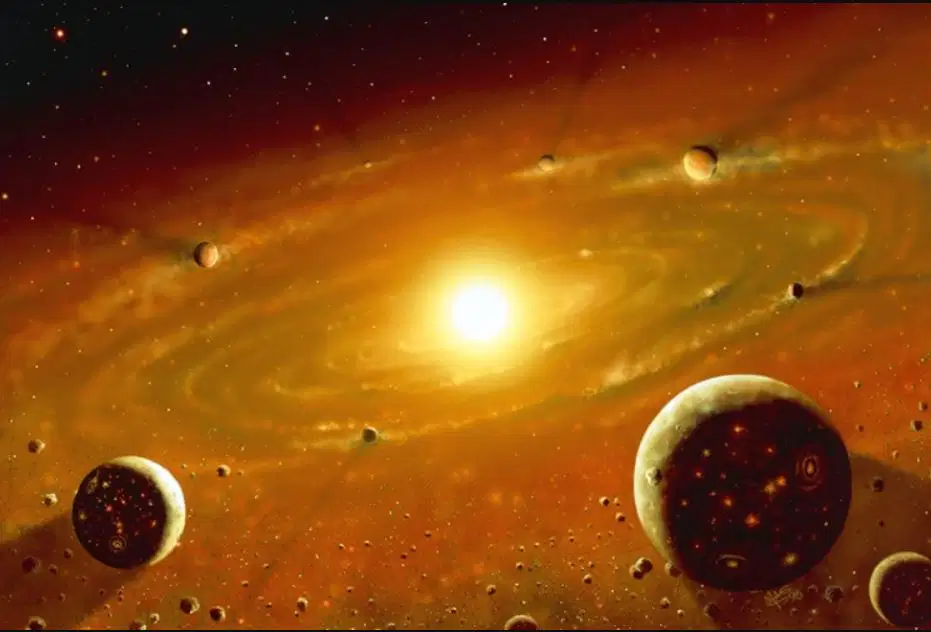
Star SYSTEMS are born inside nebulas. The system includes the star along with all of the planets, dwarf planets, moons, comets, asteroids, and everything else that makes up the system.

As a nebula begins to spin and flatten, what happens next?

1

The center of the nebula begins to get hot and dense.

2

Gravity causes light gases to move to the center while heavier materials and ice stay in outer areas.

3

A protostar forms in the center of the nebula.

4

Labelling

Label the regions (objects) that contain planetesimals in the Solar System.

Drag labels to their correct position on the image

Kuiper Belt (dwarf planets/comets)

Ort Cloud (comets/icy objects)

Asteroid Belt (asteroids/meteoroids)

5

Multiple Choice

Question image

How much matter in the solar system exists in the sun?

1

1%

2

99%

3

80%

4

20%

6

7

Multiple Choice

Question image

This process, which forms planets, occurs when gravity makes planetesimals collide. This creates great heat which melts and fuses the materials together.

1
accretion
2
contraction
3

diffusion

4
rotation

8

Multiple Select

Question image

What caused Earth to melt during Earth's early formation?

1

Fusion of smaller atoms into larger atoms inside the Earth's core.

2

Friction from differentiation.

3

Heat from the sun builds up on the Earth's surface.

4

Kinetic energy of colliding planetesimals is converted into heat energy.

9

web page not embeddable

Why Are Planets Round? | NASA Space Place – NASA Science for Kids

You can open this webpage in a new tab.

10

Multiple Choice

True or False: Gravity causes massive objects in space to become spheres.

1

True

2

False

11

Multiple Choice

Question image

Why don't asteroids become spheres?

1

They eventually do.

2

The mass isn't big enough.

3

They are rock.

4

They are not made of the right material.

12

Multiple Choice

Which of the following best describes the surface of the Earth billions of years ago.

1

Molten magma.

2

Liquid Oceans.

3

Solid Rocks.

13

Multiple Choice

When Earth was molten, gravity pulled the iron and nickel to what we now call the core. Why?

1

They are more dense so sank to the center.

2

They are less dense so sank to the center.

3

They are more dense and rose to the top.

4

They are less dense and rose to the top.

14

Multiple Choice

What threatened the existence of the Earth?

1

Earth's twin: Theia

2
Ocean currents
3
Volcanic eruptions
4
Alien invasions

15

Multiple Choice

Question image

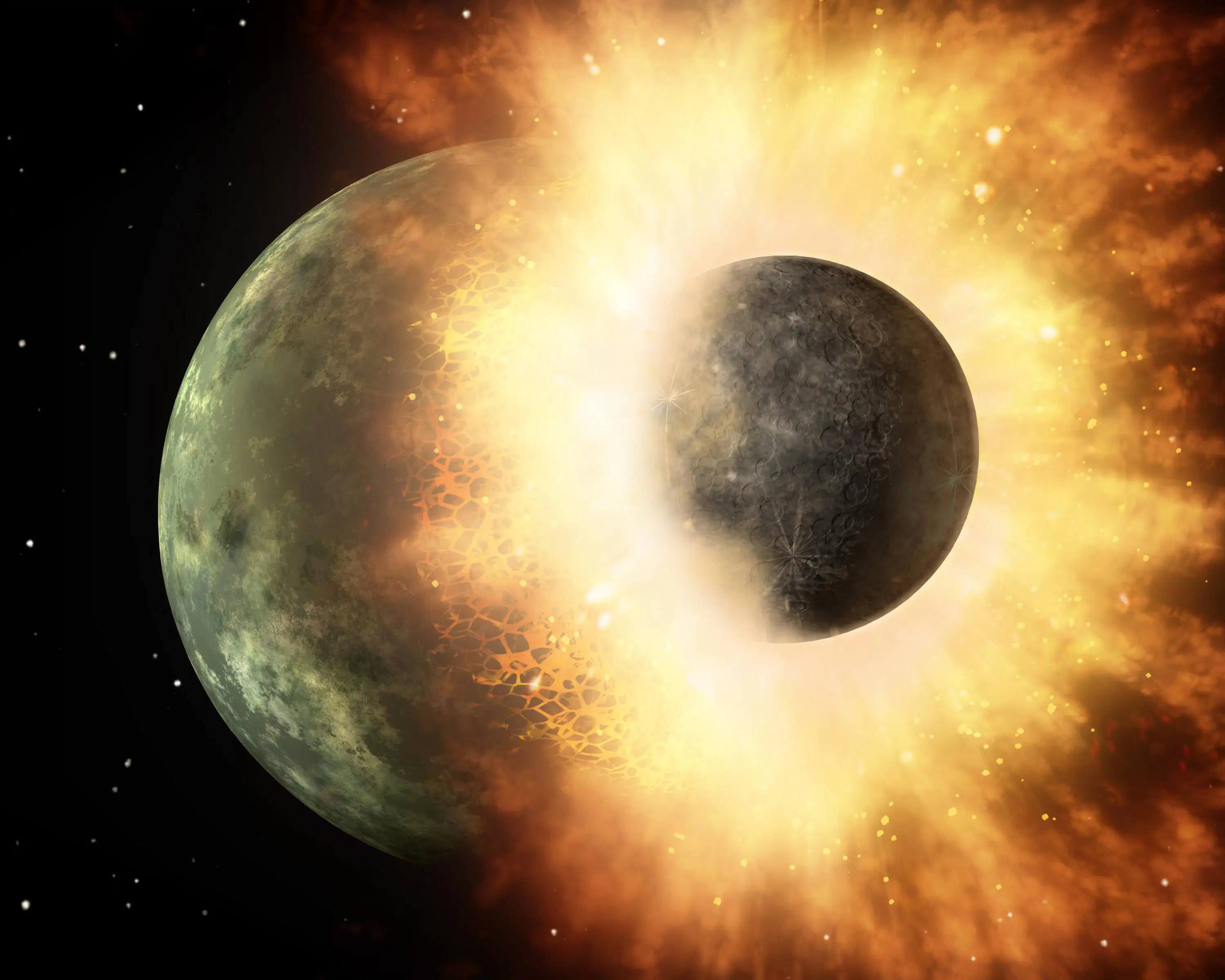
What happened when Earth and Theia made contact?

1
Theia was absorbed by Earth without any impact.
2
Earth and Theia formed a new planet together.
3
The collision caused Earth to spin faster.
4
A massive collision occurred, leading to the formation of the Moon.

16

Multiple Choice

The giant impact between the Earth and Theia caused the tilt of the Earth's axis.

Why is the tilt of the Earth's axis important?

1
The tilt is irrelevant to weather patterns.
2
The tilt only affects ocean currents.
3
The tilt is important because it causes the seasons and affects climate.
4
The tilt is solely responsible for day length variations.

17

Multiple Choice

Question image

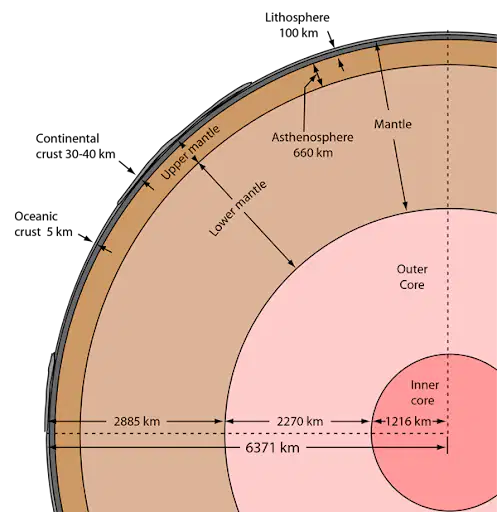
When did Earth differentiate, or separate, into its 5 internal layers?

1

During Earth's formation when the entire planet was molten

2

During Earth's formation when the entire planet was solid

3

Many millions of years ago when the Earth was hit by a giant asteroid

4

All choices

18

Multiple Choice

Question image

How did the Earth cool and form a crust?

1

Earth is not cooling, it's hotter than it has ever been.

2

Earth cooled from the inside out.

3

Earth cooled everywhere all at once.

4

Earth cooled from the outside in.

19

20

Multiple Choice

Where did the 1/2 of the water on Earth come from?

1

Water was released by many many ancient forms of life over millions of years.

2

Water originated deep inside the Earth's core and photosynthesized onto the surface.

3
Water was brought by extraterrestrial beings.
4

Water was released from volcanoes through a process called outgassing.

21

Multiple Choice

Where did the other 1/2 of the water on Earth come from?

1

Water on Earth came from icy comets and meteorites colliding with Earth.

2

Water originated naturally on Earth. It didn't come from anywhere.

3

Early humans ordered it from Temu and it took a 3 months to finally get delivered.

4

Water overflowed from the planet Neptune before it moved into its current orbit.

22

Multiple Choice

Once the atmosphere was full of water vapor, which event led to the formation of Earth’s first oceans?

1

The Great Oxygenation Event

2

Formation of the solar nebula

3

Cooling of the planet 4.2 billion years ago

4

Cambrian Explosion

23

Multiple Choice

How long did the hailstorm of icy meteorites and comets that formed our water last?

1
1 billion years
2
300 million years
3
100 million years
4
50 million years

24

Multiple Choice

What is unique about the water on our planet?

1
Water is unique because it exists in three states simultaneously and is essential for life.
2
Water is unique because it can only exist in one state at a time.
3
Water is unique due to its high boiling point compared to other liquids.
4
Water is unique because it is the only liquid on Earth.

25

Multiple Choice

Earth does not have nearly as many craters as the Moon because:
1
the Moon protected the Earth from many asteroid impacts.
2
the Earth's magnetic field deflects incoming asteroids.
3
many of the Earth's craters have eroded away.
4
the Earth isn't as old as the Moon.

26

Multiple Choice

As the early Earth was forming, carbon dioxide was released into the early atmosphere.

What is this process called?

1

volcanic outgassing

2

plate tectonics

3

the biosphere

4

carbon dioxide gaseous pseudovolcanic prostilization constructed atmosphereous

27

28

Multiple Choice

Question image

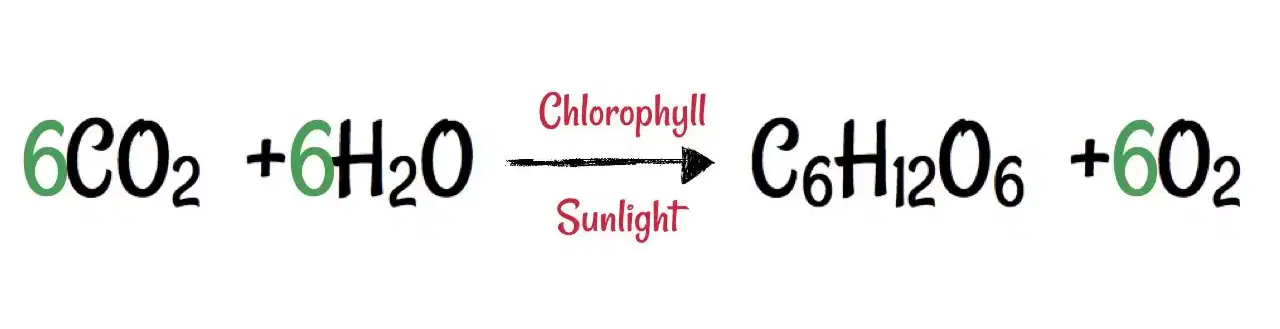
Cyanobacteria photosynthesize and created waste gases which led to what?

1

The great nitration event

2

The great oxygenation event

3

The great carbon dioxide event

4

The great ozonification bifurcation event

29

Multiple Choice

Question image

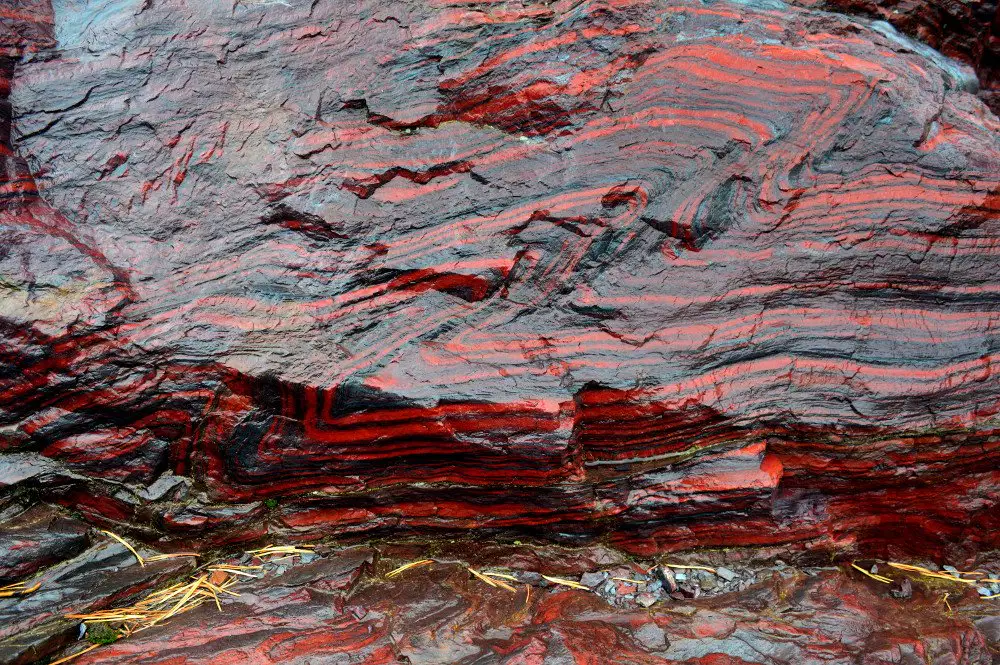
What is the main evidence for the great oxygenation event?

1

Fossils known as BIF's

2

Formations of rock known as the Banded Iron Formations

3

BUF's

4

Formations of rock known as the Banded Iridium Formations.

30

Multiple Choice

Events that wipe out large percentages of living things are known as?

1

Great dyings

2

Extinctions

3

Extinction Level Event

4

Mass Extinctions

31

Multiple Choice

Why are we considered the Goldilocks planet?

1
Earth is too far from the sun for life.
2
Earth has extreme temperatures that prevent life.
3
Earth is made entirely of water, making it uninhabitable.
4
Earth is in the habitable zone where conditions are just right for life.
media

Show answer

Auto Play

Slide 1 / 31

SLIDE