

Unit 103 lesson 2

Presentation
•
Instructional Technology
•
12th Grade
•
Practice Problem
•
Easy

Craig Priestman
Used 8+ times
FREE Resource
27 Slides • 19 Questions
1
Unit 103: Environmental and sustainability measures in domestic dwellings
Learning Outcome 2:
Recognising the applications of energy sources in domestic dwellings
Recap from last session.
Identify different types of high carbon production from non-renewable resources.
Identify different types of energy production.
Evaluate other ways of reducing our carbon footprint in the home.
2
Unit 103: Environmental and sustainability measures in domestic dwellings
Last sessions recap -
Why is it important to conserve resources?
Give two ways of conserving Water.
Give two ways to conserve Electricity.
Give your answers on the next slides.
3
Open Ended
Why is it important to conserve resources?
4
Open Ended
Give two ways of conserving Water.
5
Open Ended
Give two ways to conserve Electricity.
6
Multiple Choice

LED lighting uses how much less Electricity than incandescent lamps?
90% less electricity
40% less electricity
100% less electricity
60% less electricity
7
Unit 103: Environmental and sustainability measures in domestic dwellings
Learning Outcome 2:
Recognising the applications of energy sources in domestic dwellings
Recap from last session. √
Identify different types of high carbon production from non-renewable resources.
Identify different types of energy production.
Evaluate other ways of reducing our carbon footprint in the home.
8
Unit 103: Environmental and sustainability measures in domestic dwellings
Applications of energy sources -
The earth’s energy resources are being used up all the time. Many countries and homes are still relying on fossil fuels which damage the earth’s climate.
As fossil fuels such as coal, gas, and oil will run out, we need to find other ‘cleaner’ sources of energy.
9
Unit 103: Environmental and sustainability measures in domestic dwellings
Applications of energy sources -
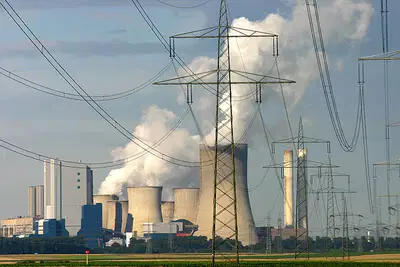
High Carbon producers:
All fossil fuels are high producers of carbon.
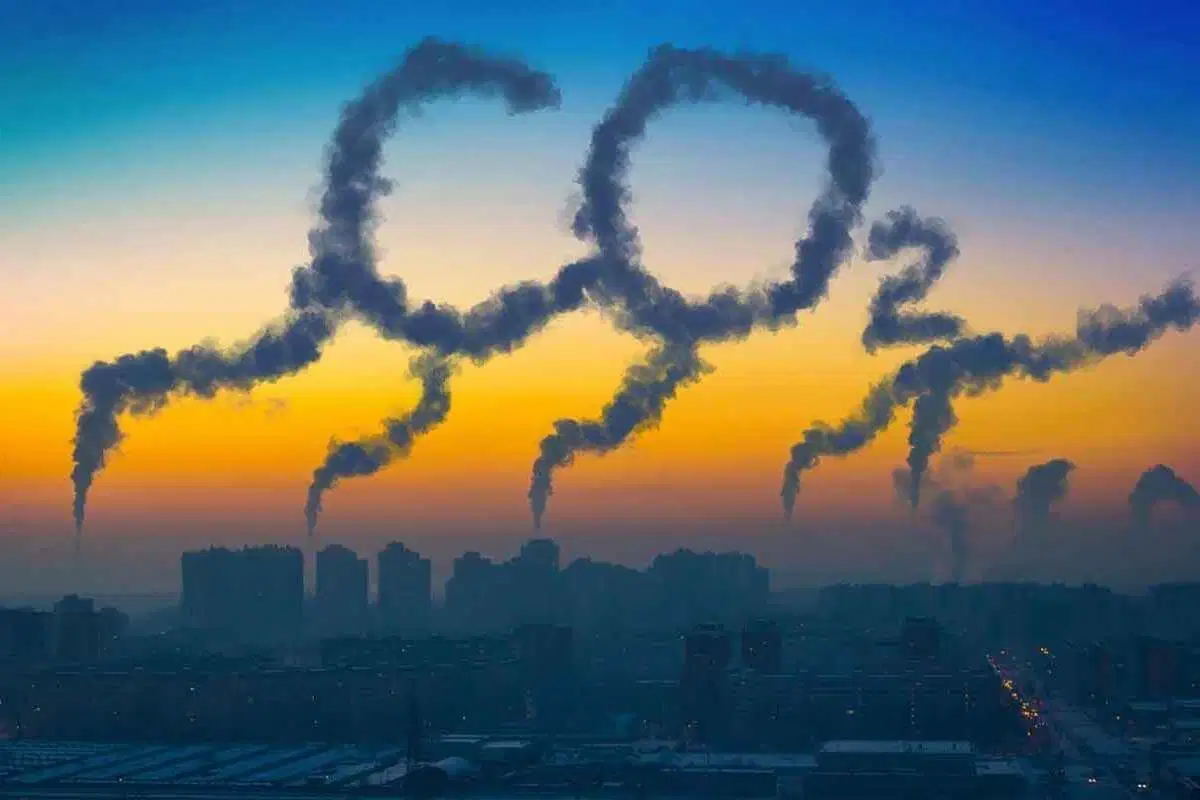
When burnt they produce carbon dioxide (CO2)
and water vapour.
CO2 is one of the most damaging greenhouse
gases and is produced by power stations,
boilers and fires.
10
Multiple Choice
Why do you think CO2 is bad for the environment?
Because it helps repair the Ozone layer
No Idea
Because it is causing damage to the Ozone layer
It's all a conspiracy theory
11
Multiple Choice
Why is it important to reduce our carbon emissions?
To prevent the release of harmful gases.
No Idea
To increase the damage to the Ozone layer.
To reduce the O2 in the air we breath
12
Unit 103: Environmental and sustainability measures in domestic dwellings
Applications of energy sources -
All of these high producers of carbon are non-renewable sources of energy. In other words, once they have been used up, there is no more:
Solid fuel: Coal, coke and peat
Oils: Fuel oil and petrol
Gases: Natural gas and LPG (Liquefied Petroleum Gas)
Electricity: Produced from non-renewable sources.
13
Multiple Choice
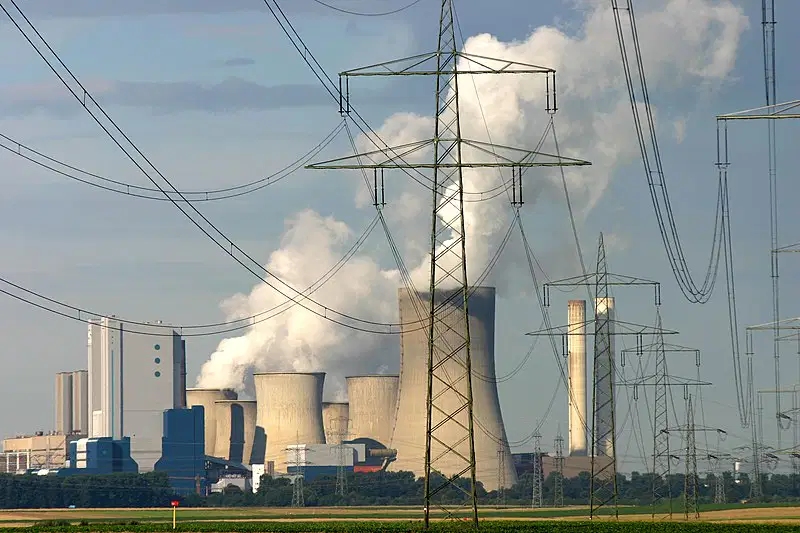
A coal power fire station is classed as a ....
Low Carbon producer?
Zero Carbon producer?
High Carbon producer?
14
Open Ended
Why is a coal power fire station is classed as a High Carbon producer?
15
Unit 103: Environmental and sustainability measures in domestic dwellings
Learning Outcome 2:
Recognising the applications of energy sources in domestic dwellings
Recap from last session. √
Identify different types of high carbon production from non-renewable resources. √
Identify different types of energy production.
Evaluate other ways of reducing our carbon footprint in the home.
16
Unit 103: Environmental and sustainability measures in domestic dwellings
Applications of energy sources -
Low carbon producers:
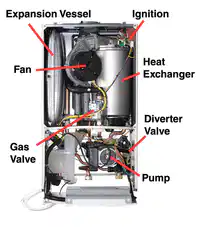
These can be classified as fuels made from renewable sources,
but which use another fuel source to power the system.
They may use pumps, electronic valves, timers and programmers
that use electricity. Some even require back up systems like a gas boiler.
17
Unit 103: Environmental and sustainability measures in domestic dwellings
Applications of energy sources -
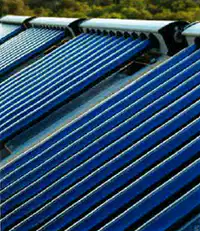
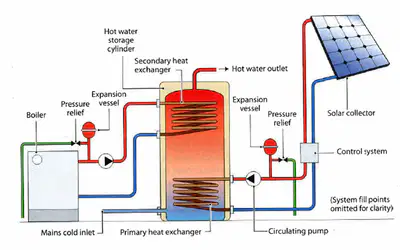
Solar thermal:
Uses the heat from
the sun to generate
domestic hot water but
also uses gas and
electricity to help heat
up the water.
18
Applications of energy sources -
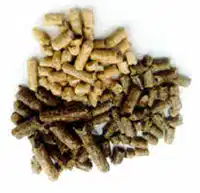
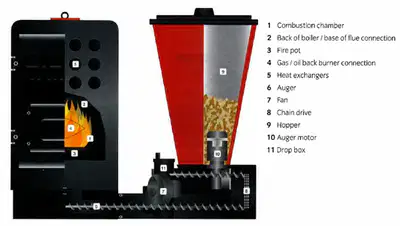
Biomass:
Uses pellets made
from plant and animal
matter which is burnt
to produce heat or steam.
This then used to drive a
turbine to generate electricity.
Unit 103: Environmental and sustainability measures in domestic dwellings
19
Applications of energy sources -
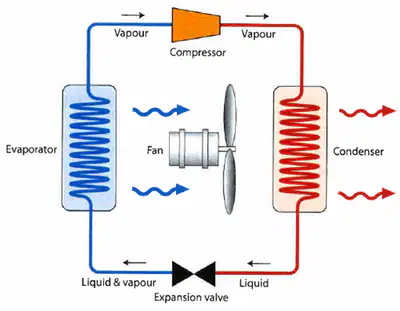
Heat pumps:
This is a machine that basically either heats or
cools a building by moving heat from low to a
high temperature reservoir.
A heat pump works like a fridge in reverse. Instead
of taking heat out of a fridge to keep it cold,
it takes natural heat from the outside air or
ground and moves it into your home.
Unit 103: Environmental and sustainability measures in domestic dwellings
20
Applications of energy sources -
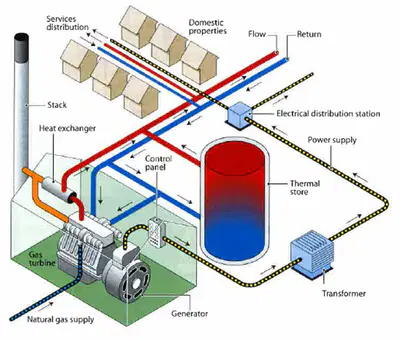
Combined heat and power:
CHP can use a variety of fuels, but tries to extract
every available bit of heat. These systems can be
used for a single property or for district systems.
Combined Heat and Power (CHP) is often called
cogeneration because it does two jobs at once:
it makes electricity and useful heat from the same fuel.
Unit 103: Environmental and sustainability measures in domestic dwellings
21
Multiple Choice

Solar Thermal is classed as a ....
Low Carbon producer?
Zero Carbon Producer?
High Carbon Producer
22
Open Ended
Why is Solar Thermal is classed as a Low Carbon producer?
23
Applications of energy sources -
Zero carbon producers:
These systems are classed as Zero carbon because the net carbon dioxide emissions is zero during the energy production. These are classified as renewable energy systems because they used naturally occurring sources during production. The sun's energy will not run out for billions of years
Zero carbon producers are being used far more commonly now due to their green status.
Unit 103: Environmental and sustainability measures in domestic dwellings
24
Applications of energy sources -
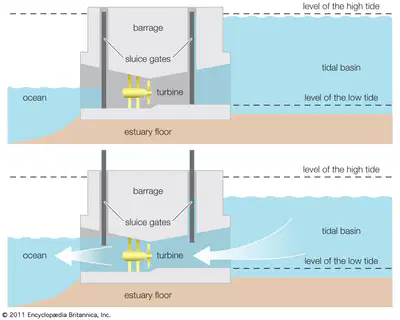
Tidal generation:
The power of the rise and fall of the sea
level or tidal power, can be harnessed
to generate electricity by the water passing
through a turbine. There are many
variations to harness the tide.
Unit 103: Environmental and sustainability measures in domestic dwellings
25
Applications of energy sources -
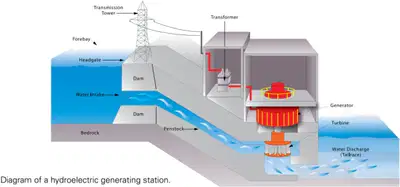
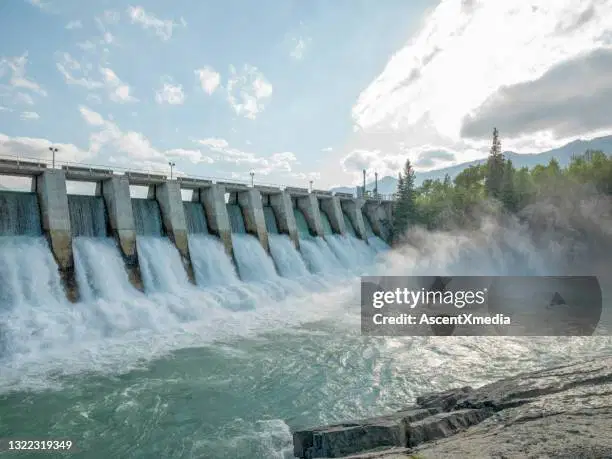
Hydro electric generation:
This uses the head height of water
to pass through a turbine. This in turn
rotates the blades to produce electricity.
The head of water is either produced by
a fast flowing river or more commonly by
the use of a dam.
Unit 103: Environmental and sustainability measures in domestic dwellings
26
Applications of energy sources -
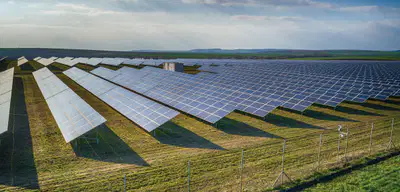
Solar photo voltaic:
This requires PV cells to be mounted
on roof lines or frames. These cells produce
direct current (DC) power. This is
converted into alternating current (AC)
and is used to run domestic appliances.
There are even PV farms in the UK.
Unit 103: Environmental and sustainability measures in domestic dwellings
27
Multiple Choice
Hydro Electric is a classed as a ....
Low Carbon Producer?
High Carbon Producer?
Zero Carbon Producer?
28
Open Ended
Why is Hydro Electric is a classed as a Zero Carbon Producer?
29
Unit 103: Environmental and sustainability measures in domestic dwellings
Learning Outcome 2:
Recognising the applications of energy sources in domestic dwellings
Recap from last session. √
Identify different types of high carbon production from non-renewable resources. √
Identify different types of energy production. √
Evaluate other ways of reducing our carbon footprint in the home.
30
Applications of reducing our carbon footprint in the home -
It is becoming more and more important to reduce carbon emissions from buildings. Governments have formed agreements to implement reduction plans.
All this is to reduce global warming and the depletion of the earth’s ozone layer.
As plumbers and electricians we have to make sure we play our part.
New legislation is being introduced for us to follow when we are installing new systems. This is all to reduce carbon emissions.
Unit 103: Environmental and sustainability measures in domestic dwellings
31
Unit 103: Environmental and sustainability measures in domestic dwellings
Applications of reducing our carbon footprint in the home -
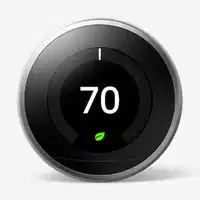
We now have to install a minimum number of
controls including, boiler thermostats, room
thermostats and cylinder thermostats.
This thermostatic control ensures the heat
source does not cycle or run when.
there is no demand for heat. The introduction of smart
devices have helped us monitor when the heat is on
32
Applications of reducing our carbon footprint in the home -
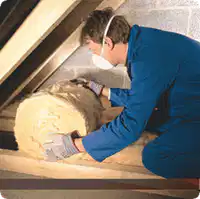
There are plenty of initiatives to improve insulation in domestic dwellings.
.
Roof insulation prevents heat from being lost through the loft area.
Wall insulation prevents heat from being lost through the walls.
Pipe insulation prevents heat from being lost in to the atmosphere.
Unit 103: Environmental and sustainability measures in domestic dwellings
33
Applications of reducing our carbon footprint in the home -
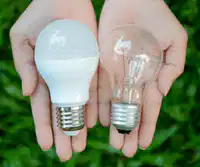
Energy-efficient lights:
Customers are becoming far more cost-conscious.
Compared to a conventional light bulb, LED lamps use
90% less energy than the old-style lamps and in turn saves money.
Unit 103: Environmental and sustainability measures in domestic dwellings
34
Applications of reducing our carbon footprint in the home -
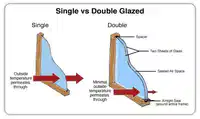
The use of double glazing or even triple glazing is a good saver of energy and therefore carbon emissions. Nearly all new properties today are fitted with double glazing which has a far lower ‘U’ value than single glazing because it helps trap the heat in.
The evacuated gap in between the glass panels acts as a layer of insulation.
Unit 103: Environmental and sustainability measures in domestic dwellings
35
Applications of energy sources -
Older homes -
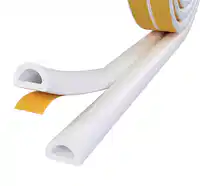
There is a great need to add draught proofing to older properties. This means the installation of seals around doors and existing windows.
All properties have a natural draught, which is necessary, but when the heat loss is too great then this will be an important step.
Unit 103: Environmental and sustainability measures in domestic dwellings

36
Multiple Choice
Why do you think a property needs a natural draft?
37
Applications of energy sources -
Older homes - Different types of draft excluders
Unit 103: Environmental and sustainability measures in domestic dwellings

38
Applications of energy sources -
Newer Homes
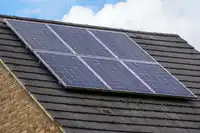
Being able to install low carbon and renewable
energy systems is becoming more important
to help reduce our CO2 emissions.
New house builds are taking advantage of these
technologies:
Unit 103: Environmental and sustainability measures in domestic dwellings
•Solar thermal
•Photovoltaic
•Biomass
•Heat pumps
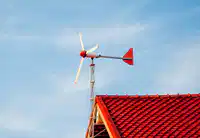
•Wind turbines
39

Unit 103: Environmental and sustainability measures in domestic dwellings

Applications of energy sources -
To help us with these technologies, we can get advice and guidance on energy saving and conservation techniques by going to the
following websites:
The Energy Savings Trust - http://www.energysavingtrust.org.uk/
The Carbon Trust - http://www.carbontrust.com/
40
Multiple Choice
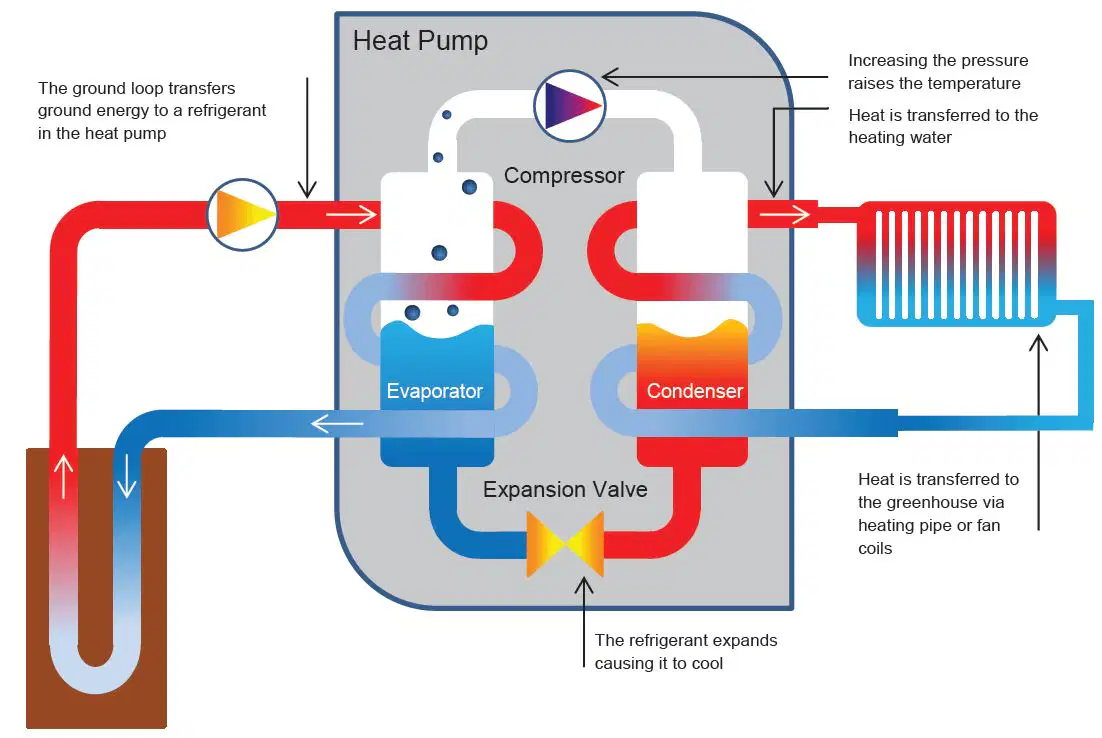
Heat pumps work on?
Heat from the sun
From burning wood
Heat from the ground or surrounding air
From wind or waves
41
Multiple Choice

Which type of energy source is created using wood pellets?
Wind turbines
Ground source heat pump
Solar Panels
Biomass
42
Open Ended
Other than installing double glazing. What other ways can we reduce our carbon emissions from the home? Give two methods
43
Multiple Choice

Which of the following is a nonrenewable resource?
Water
Sun
Coal
Wind
44
Multiple Choice

45
Multiple Choice
What type of resources are considered finite and cannot be replenished in a short amount of time?
Renewable Energy
Nonrenewable Energy
All Energy
Generational Energy
46
Unit 103: Environmental and sustainability measures in domestic dwellings
Learning Outcome 2:
Recognising the applications of energy sources in domestic dwellings
Recap from last session. √
Identify different types of high carbon production from non-renewable resources. √
Identify different types of energy production. √
Evaluate other ways of reducing our carbon footprint in the home. √
Unit 103: Environmental and sustainability measures in domestic dwellings
Learning Outcome 2:
Recognising the applications of energy sources in domestic dwellings
Recap from last session.
Identify different types of high carbon production from non-renewable resources.
Identify different types of energy production.
Evaluate other ways of reducing our carbon footprint in the home.
Show answer
Auto Play
Slide 1 / 46
SLIDE
Similar Resources on Wayground

41 questions
Dance - The Power of Movement
Presentation
•
KG - University
39 questions
Energy Systems and the Energy Continuum
Presentation
•
12th Grade
42 questions
HE_SFP_Wk 11 Protein
Presentation
•
12th Grade
43 questions
AZ900
Presentation
•
12th Grade
40 questions
Unit A - Properties of Energy
Presentation
•
12th Grade
42 questions
Media Convergence in the Digital Age
Presentation
•
12th Grade
42 questions
Properties of Water
Presentation
•
11th - 12th Grade
44 questions
2.1 Macomolecules
Presentation
•
12th Grade
Popular Resources on Wayground
24 questions
PBIS-HGMS Day 10

Quiz
•
6th - 8th Grade
10 questions
HCS SCI 03 Summer School Review 3
Quiz
•
3rd Grade
11 questions
Home Scope
Quiz
•
7th - 8th Grade
15 questions
HCS SCI 05 Summer School Assessment 3 Review
Quiz
•
5th Grade
35 questions
Lufkin Road Middle School Student Handbook & Policies Assessment
Quiz
•
7th Grade
18 questions
Geo 11.3 Area of Circles and Sectors
Quiz
•
9th - 11th Grade