
Changes in Urban Communities

Presentation
•
Social Studies
•
2nd Grade
•
Medium

Stephanie Emery
Used 1+ times
FREE Resource
6 Slides • 11 Questions
1
2
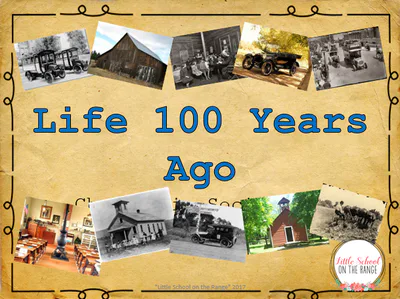
Changes in Urban Communities
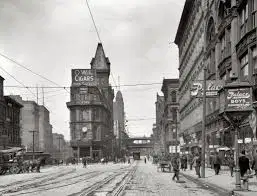
Urban communities, or cities with a large population, have changed greatly in the past 100 years. Urban areas grew with people moving there to work. These people needed places to live so more buildings were built for housing. Buildings grew taller because more people could live and work in taller buildings. Really tall buildings are called skyscrapers. Most people live in apartments or houses that are attached to one another.
3
Multiple Choice
What is an urban area?
A small town with few people
A city with many people and buildings
A farm with crops and animals
A forest with trees and wildlife
4
Multiple Choice
What change happened in cities over the past 100 years?
Cities became smaller
More people moved to cities
All buildings were torn down
Cars were banned
5
Multiple Choice
Why did buildings in cities grow taller?
To look pretty
To be closer to the clouds
So more people could live and work in them
Because they were cheaper to build
6
7
Multiple Choice
Where do most people in cities live?
In separate houses with large yards
In tents in the park
In apartments or connected houses
In underground homes
8
Multiple Choice
What type of housing is common in urban areas?
Log cabins
Beach houses
Connected homes
Farm houses
9
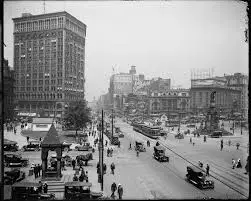
Transportation 100 years ago in cities was changing quickly. People usually walked, but cars were becoming popular. With more cars on the road, traffic quickly became a problem. Traffic signals and traffic signs had to be installed. Today, other forms of transportation are used. Some cities have subways which allow people to travel underground. People also ride on buses and trains throughout the cities. Many people in large cities don't even own cars. They use public transportation and use cabs or other ride-share services. Better transportation has allowed people to work further from their homes. People are not limited to walking to their jobs.
10
Multiple Choice
How did people mainly travel in cities 100 years ago?
By walking
By airplane
By subway
By motorcycle
11
Multiple Choice
What needed to be added when more cars came to cities?
More parks
Traffic signals and signs
More houses
More stores
12

13
Multiple Choice
Which statement about modern city transportation is true?
Everyone must own a car
People can only walk to work
Many people use buses and trains
Cars are not allowed in cities
14
Multiple Choice
Why can people work far from their homes now?
Because cities are smaller
Because jobs are closer
Because there are no jobs nearby
Because of different transportation options
15
16
Multiple Choice
What helps people get around in large cities today?
Transportation services
Horse and buggy
Hot air balloons
Sailing ships
17
Categorize
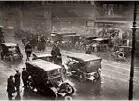
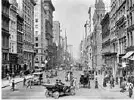
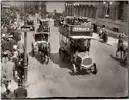
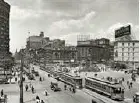
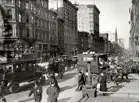
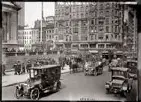
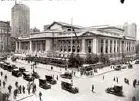
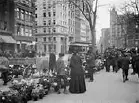
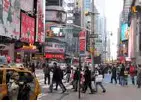
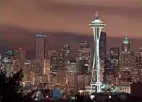
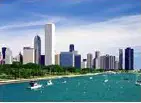
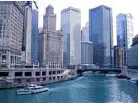
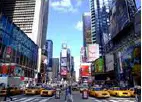
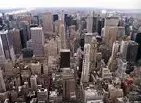
Changes in Urban Communities
Sort the pictures under the correct heading.
Show answer
Auto Play
Slide 1 / 17
SLIDE
Similar Resources on Wayground

11 questions
UI2 - S20 - Pronunciation
Presentation
•
2nd Grade
11 questions
Teenager 5 Session 22: Pronunciation & Speaking
Presentation
•
KG
14 questions
RI.2.3-Describing Connections Between Historical Events
Presentation
•
2nd Grade
11 questions
Rights and Responsibilities
Presentation
•
2nd - 3rd Grade
16 questions
Reading a Map
Presentation
•
2nd Grade
11 questions
Founding Fathers Review
Presentation
•
2nd Grade
12 questions
Module 3: Homophones
Presentation
•
2nd Grade
12 questions
Making Connections
Presentation
•
2nd Grade
Popular Resources on Wayground
10 questions
Safety Day 2026 – Student Review

Quiz
•
9th Grade
21 questions
Continents and Oceans
Quiz
•
6th Grade
20 questions
Parts of Speech
Quiz
•
5th Grade
16 questions
Subject & Predicate
Quiz
•
5th Grade
25 questions
Multiplication Facts
Quiz
•
5th Grade
12 questions
Map Skills
Quiz
•
3rd Grade
22 questions
Continents and Oceans
Quiz
•
5th Grade
15 questions
Rounding Decimals
Quiz
•
5th Grade
Discover more resources for Social Studies
15 questions
Local History
Quiz
•
2nd Grade
5 questions
Math GI 2.1.4 Quiz Review
Presentation
•
1st - 5th Grade
12 questions
Georgia Regions and Rivers
Quiz
•
2nd Grade
13 questions
Exploring the Regions of Texas

Passage
•
1st - 5th Grade
20 questions
CKLA Domain 2 Early Asian Civilizations
Quiz
•
2nd Grade
10 questions
Needs and Wants
Presentation
•
2nd Grade
4 questions
Solving Problems In Your Community
Quiz
•
2nd Grade
9 questions
Good Citizens
Quiz
•
2nd Grade