

Circuit

Presentation
•
Science
•
5th Grade
•
Hard

Joseph Anderson
FREE Resource
6 Slides • 19 Questions
1
CONDUCTORS and INSULATORS
2
Multiple Choice
A student has constructed an emergency flashlight from a 3‐volt battery, an LED bulb, and copper wire. These materials are safe to work with, and low powered enough that there is no danger of electric shock. However, one of the wires is too short to complete the circuit. Which of the following materials can the student use to complete the circuit and turn on the light?
a string
a piece of tape
a paper clip
a rubber band
3
In fourth grade, you identified common materials that conduct heat well or poorly. For example, most pots and pans are made from metal. Metal conducts heat well, making them perfect for cooking things in. The handles are made from plastic: plastic conducts heat poorly. Plastic handles protect your hand from getting burned when picking up a hot pot.

4
Multiple Choice
Which object is a conductor of heat?
An aluminum nail
A rubber band
A tree
A balloon
5
Multiple Choice
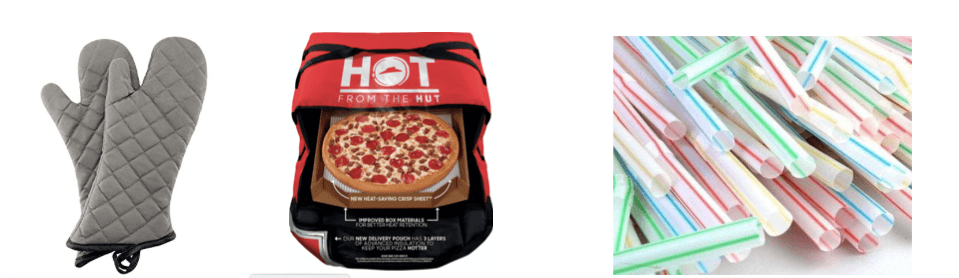
These are examples of
Conductors
Insulators
6
Multiple Choice

These are examples of
Insulators
Conductors
7
Some materials conduct electricity well and some do not. Metals conduct heat well, and they also conduct electricity. This is why most wires are made from copper, a common metal. Plastics do conduct heat well, and they also don’t conduct electricity well either. This is why the wrapping on most wires is made from rubber and plastics. Just like the plastic handle on a pot protects your hand from a burn, the wrapping on a wire protects you from an electric shock. This is why worn wires (like charging cables) should never be used.

8
Multiple Choice
9
Multiple Choice

10
Multiple Choice

11
Another common material that conducts both heat and electricity very well is water. When you do touch something hot, you run water over your hand to carry the heat away. Water conducts electricity easily. Devices that use electricity should never be used near water. A hair dryer is a common device used in a bathroom. It should never be used near water, and the plugs in bathrooms have special switches (the red and black buttons on the outlet) that will turn the outlet off if an appliance touches water.

12
Multiple Choice

What will happen if we connect all the plugs into the same socket?
electricity lock
fire
lightning
electricity saving
13
Multiple Choice

What should you never take into the bathroom?
14
Multiple Choice
Where should you never put your drink to avoid the danger of electricity?
15
Multiple Choice

What should you do with wet hands before touching electrical items?
wear rubber gloves
clean your hand first
dry your hands
do nothing
16
Multiple Choice

Why can't we put the hairdyer near water?
It can cause dizziness
Electricity can mix with water
Electricity can flow through water
The hairdyer will melt
17
In this picture, we can identify a red wire and a black wire. The wires are wrapped with a rubber insulator to prevent shocks. The wires are colored red for the positive or + wire, and black for the negative or – wire. The end of each wire is stripped of its insulation, so that the copper wire itself can be connected to an input or an output. One important safety note: when wires are connected to a source, such as a battery, they must never be touched together. Doing so can result in injury or damage.

18
Multiple Choice
19
Multiple Choice
20
Multiple Choice
21
Multiple Choice
The best insulators are
Plastic, rubber, wood, glass
Silver, air, paper, silicon
Copper, aluminium, gold, steel
Ceramic, fabric, paper clip, cork
22
Multiple Choice
An insulator
Is usually a metal
Opposes electrical current meaning electric charges do not flow freely
Conducts electrical current very easily
Works by electrons jumping from atom to atom through a wire
23
Multiple Choice

Why is this electrician wearing gloves?
To keep himself dry
To insulate himself
To produce electricity
To create an electrical circuit
24
25
Multiple Choice
One of the cooks in the cafeteria had to take a hot pan off the stove. The pan was made of metal, and was used to cook eggs. To protect his hands from getting burned, the cook should use which of the following tools to remove the hot pan from the stove:
thick gloves
thin gloves
no gloves
a metal fork
CONDUCTORS and INSULATORS
Show answer
Auto Play
Slide 1 / 25
SLIDE
Similar Resources on Wayground

19 questions
Producers, Consumers, and Decomposers
Presentation
•
5th Grade
19 questions
Human Body Systems
Presentation
•
5th Grade
18 questions
Dwarf Planets and Moons
Presentation
•
5th Grade
18 questions
Seasons - Earth's Rotation and Revolution
Presentation
•
5th Grade
18 questions
Weather Review 2021
Presentation
•
5th Grade
21 questions
Human Body Systems Week 2
Presentation
•
5th Grade
18 questions
The Nervous system
Presentation
•
5th Grade
20 questions
Structure, Function, Adaptation
Presentation
•
5th Grade
Popular Resources on Wayground
10 questions
Safety Day 2026 – Student Review

Quiz
•
9th Grade
21 questions
Continents and Oceans
Quiz
•
6th Grade
20 questions
Parts of Speech
Quiz
•
5th Grade
16 questions
Subject & Predicate
Quiz
•
5th Grade
25 questions
Multiplication Facts
Quiz
•
5th Grade
12 questions
Map Skills
Quiz
•
3rd Grade
22 questions
Continents and Oceans
Quiz
•
5th Grade
15 questions
Rounding Decimals
Quiz
•
5th Grade
Discover more resources for Science
20 questions
Mixtures and Solutions Practice
Quiz
•
5th Grade
20 questions
Food Chains and Food Webs Review
Quiz
•
5th Grade
20 questions
GC Interim #1 Review 2026
Quiz
•
5th Grade
20 questions
5.3 Force and Motion Study Guide Review
Quiz
•
5th Grade
15 questions
Force and Motion
Presentation
•
5th Grade
25 questions
Chemical and Physical Changes in Matter
Quiz
•
5th Grade
10 questions
Exploring the Periodic Table Structure

Interactive video
•
5th Grade
14 questions
Land Breeze and Sea Breeze
Quiz
•
5th Grade