
Unit 1 Lesson 4

Presentation
•
Mathematics
•
9th Grade
•
Hard
Standards-aligned

Jovilisi Fotofili
FREE Resource
5 Slides • 24 Questions
1

2

3

4

5
Multiple Select

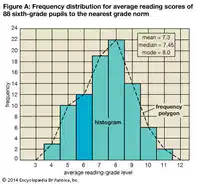
Describe the shape of the distribution. Select all that apply.
6
Multiple Select

We can always describe a histogram based on two characteristics: modality and symmetry. Choose two options below that best describe the histogram in this image.
7
Multiple Choice

Now that we've identified this distribution as skewed, we need to be more specific. What type of skew does this histogram have?
8

9
Multiple Select

We can always describe a histogram based on two characteristics: modality and symmetry. Choose two options below that best describe the histogram in this image.
10
Multiple Choice

Now that we've identified this distribution as skewed, we need to be more specific. What type of skew does this histogram have?
11
Multiple Select

We can always describe a histogram based on two characteristics: modality and symmetry. Choose two options below that best describe the histogram in this image.
12
Multiple Choice

Now that we've identified this distribution as skewed, we need to be more specific. What type of skew does this histogram have?
13
Multiple Select

We can always describe a histogram based on two characteristics: modality and symmetry. Choose two options below that best describe the histogram in this image.
14
Multiple Select

We can always describe a histogram based on two characteristics: modality and symmetry. Choose two options below that best describe the histogram in this image.
15
Multiple Choice

Now that we've identified this distribution as skewed, we need to be more specific. What type of skew does this histogram have?
16
Multiple Select

We can always describe a histogram based on two characteristics: modality and symmetry. Choose two options below that best describe the histogram in this image.
17
Multiple Choice

Now that we've identified this distribution as skewed, we need to be more specific. Which type of skew does this histogram have?
18
Multiple Select

We can always describe a histogram based on two characteristics: modality and symmetry. Choose two of the options below that best describe the histogram in this image.
19
Multiple Choice

Now that we've identified this distribution as skewed, we need to be more specific. What type of skew does this histogram have?
20
Multiple Select

We can always describe a histogram based on two characteristics: modality and symmetry. Choose two of the options below that best describe the histogram in this image.
21
Multiple Select

Now that we've identified this distribution as skewed, we need to be more specific. What type of skew does this histogram have?
22
Multiple Select

We can always describe a histogram based on two characteristics: modality and symmetry. Choose two options below that best describe the histogram in this image.
23
Multiple Choice

Now that we've identified this distribution as skewed, we need to be more specific. What type of skew does this histogram have?
24
Multiple Select

We can always describe a histogram based on two characteristics: modality and symmetry. Choose two of the options below that best describe the histogram in this image.
25
Multiple Select

We can always describe a histogram based on two characteristics: modality and symmetry. Choose two of the options below that best describe the histogram in this image.
26
Multiple Choice

Now that we've identified this distribution as skewed, we need to be more specific. What type of skew does this histogram have?
27
Multiple Select

We can always describe a histogram based on two characteristics: modality and symmetry. Choose two of the options below that best describe the histogram in this image.
28
Multiple Choice

Now that we've identified this distribution as skewed, we need to be more specific. What type of skew does this histogram have?
29
Multiple Select

We can always describe a histogram based on two characteristics: modality and symmetry. Choose two of the options below that best describe the histogram in this image.
Show answer
Auto Play
Slide 1 / 29
SLIDE


