Search Header Logo
Travel and Tourism-Attractions and Culture

Travel and Tourism-Attractions and Culture

Assessment

Presentation

Geography

KG - Professional Development

Practice Problem

Easy

Created by

Aimee Cooper

Used 1+ times

FREE Resource

23 Slides • 10 Questions

1

​Attractions, Culture & Sustainable Tourism
Enquiry question:
How do attractions, culture, and sustainability shape a destination’s appeal to different types of tourists?

By Aimee Cooper

2

​Learning Objectives

​By the end of this lesson, you should be able to: Describe built and natural attractions and their appeal. Explain how culture and behaviour influence tourism. Understand how sustainability affects long-term destination appeal.

media

3

Open Ended

Question image

Look at these reasons:
🌋 Natural scenery 🏰 History 🎭 Culture 🛍️ Shopping 🐘 Wildlife 🏖️ Relaxation
Task: Choose your top 3 and explain what kind of tourist each reason represents.
Link to idea that different attractions appeal to different tourist types.

4

​Types of Attractions

​Tourists are attracted by two main categories: Natural attractions: created by nature (landscapes, wildlife, climate). Built attractions: created by humans (museums, theme parks, monuments, resorts). Most destinations offer a mix of both.

media

5

​Natural Attractions

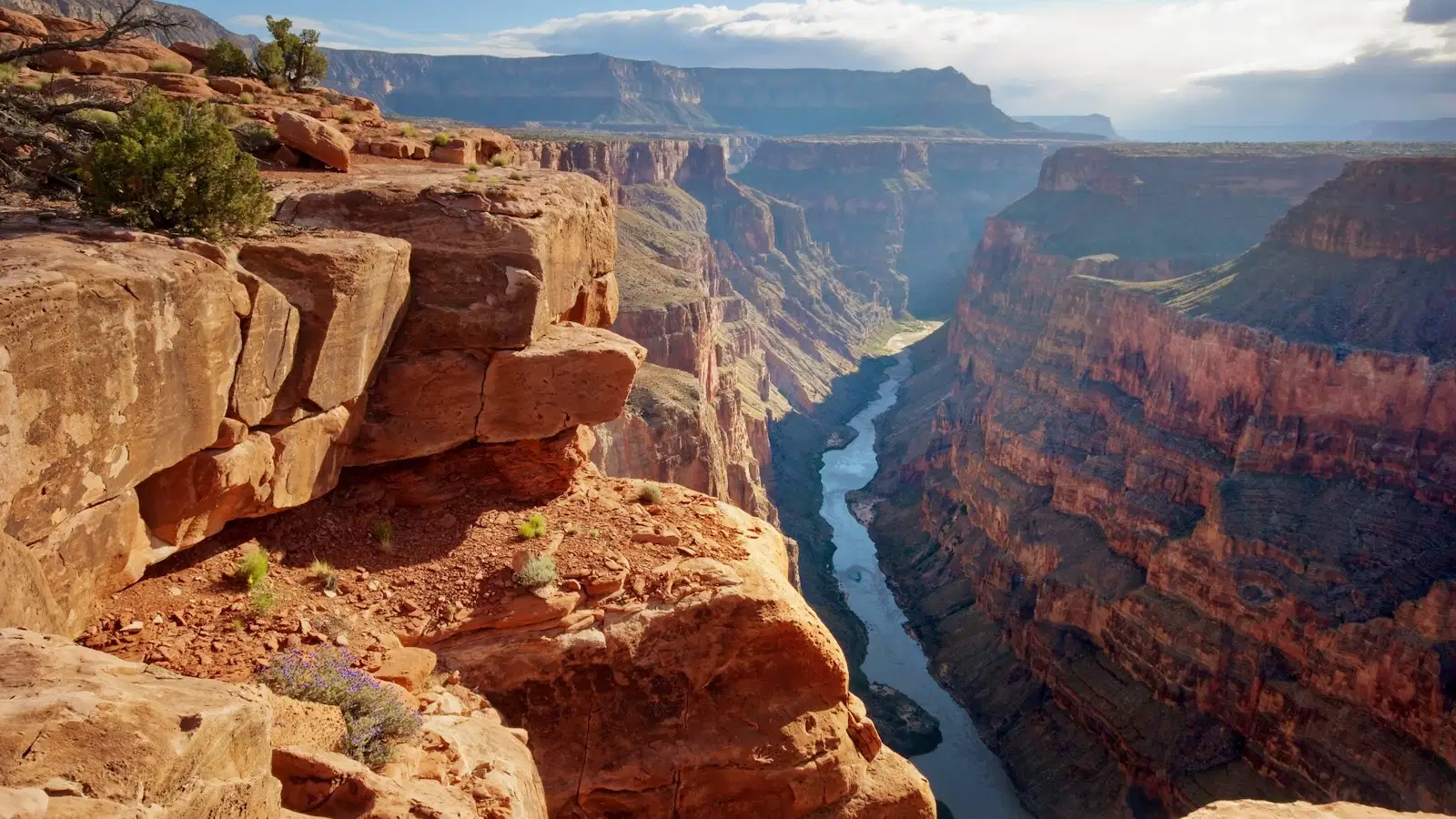
​Examples include: National parks (Yellowstone, USA) Beaches and coral reefs (Maldives, Great Barrier Reef) Mountains and lakes (Alps, Lake District) Wildlife reserves (Masai Mara, Kenya) Appeal: adventure, relaxation, scenery, and photography.

media

6

​Built Attractions

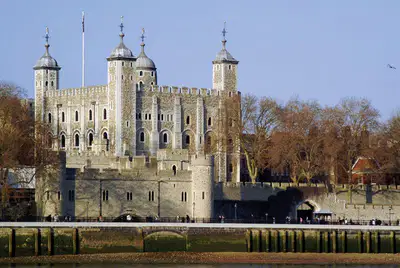
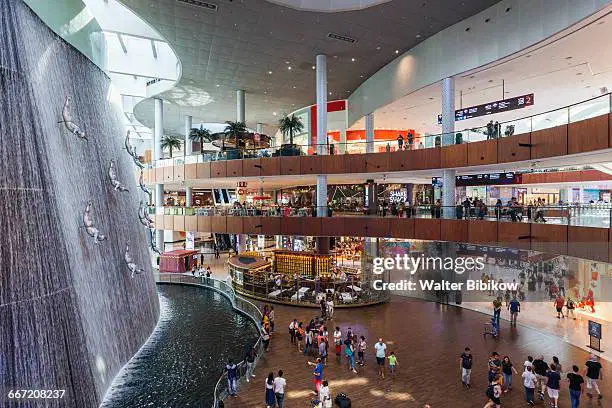
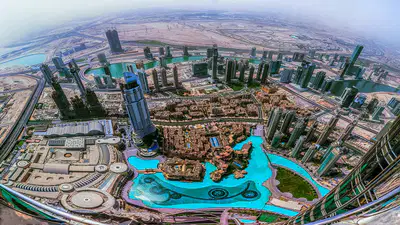
​Created by humans to entertain or educate visitors: Historical: Pyramids of Giza, the Colosseum. Modern: Dubai Mall, London Eye. Cultural: temples, museums, galleries. Purpose-built leisure: Disneyland Paris, Yas Island Abu Dhabi.

media

7

Categorize

Options (7)
Question image

Grand Canyon

Question image

Serengeti National Park, Kenya

Question image

Great Barrier Reef, Australia

Question image

Sydney Opera House, Australia

Question image

Eiffel Tower, Paris

Question image

Pyramids of Giza, Egypt

Question image

Dubai Mall, UAE

Classify each of these attractions as BUILT or NATURAL

Natural Attraction
Built Attraction

8

​Case Study: Paris (Built & Cultural Appeal)

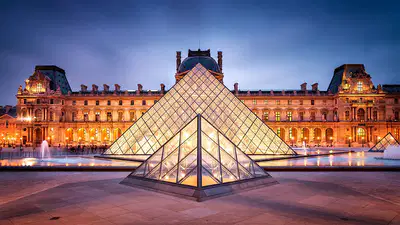
​Iconic monuments: Eiffel Tower, Louvre Museum, Notre Dame. Compact city with excellent transport. Renowned for art, fashion, and cuisine. Tourist types: cultural, educational, romantic city-break travellers. Model answer: Paris attracts cultural tourists who want history, art, and lifestyle experiences rather than nature-based holidays.

media

9

10

Open Ended

Question image

What type of tourists would like to go to Paris.

Explain why

11
​Case Study: Kenya

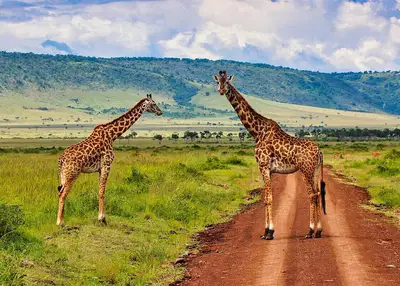
​Home to world-famous national parks (Masai Mara, Amboseli). Offers safari drives, birdwatching, and eco-lodges. Combines beach resorts at Mombasa with inland adventure. Tourist types: eco-tourists, adventure travellers, nature lovers.

media

12

Open Ended

What attracts people to visit Kenya?

13

​Cultural Features of Destinations

​Culture includes a destination’s: Language and traditions Arts, music, and festivals Cuisine and crafts Religion and dress These features provide authentic experiences and create a sense of identity.

media

14

​Example: Japan’s Cultural Appeal

​Mix of modern and traditional: temples, tea ceremonies, anime, technology. Seasonal attractions like cherry blossom. Respectful customs and politeness add to experience. Appeal: culture seekers, educational tourists, repeat visitors.

media

15

​Example: Dubai’s Cultural Blend

​Arabic traditions combined with modern luxury. Tourists can visit souks, mosques, desert camps, and global malls. Local customs influence behaviour — modest dress and alcohol rules. Appeal: luxury travellers, business tourists, cultural explorers.

media

16

17

​Expected Behaviour

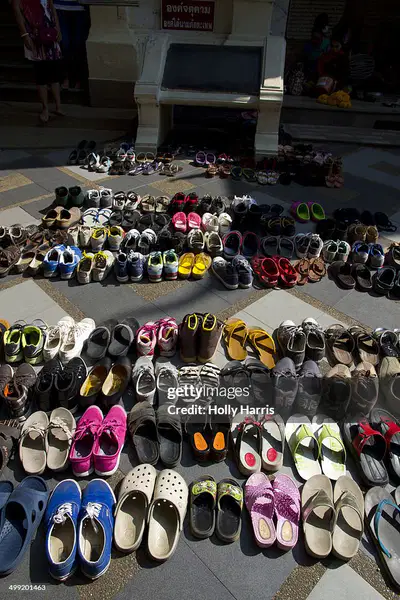
​Tourists must respect local laws, customs, and religious rules. Examples: Covering shoulders and knees in religious sites. Removing shoes in temples. Avoiding alcohol or loud behaviour during Ramadan.

media

18

Open Ended

Question image

Why does respecting local customs make tourism more sustainable?

19

​Consequences of Disrespect

​If tourists ignore local customs: Offence and tension between locals and visitors. Damage to cultural sites. Negative media coverage reducing appeal. Example: Venice enforcing fines for littering and swimwear in public areas.

media

20

Open Ended

Question image

Task:

Look at two examples of tourist behaviour — one respectful, one disrespectful.

For each, explain how it affects:

1️⃣ The local community

2️⃣ The destination’s reputation

3️⃣ Future visitor numbers

21
​Tourism Organisations and Providers

​Organisations help promote and manage destinations:
National tourism boards: Visit Britain, Tourism Malaysia.
Tour operators and travel agents: create holiday packages.
Local providers: hotels, restaurants, guides, transport.

All work together to maintain the destination’s image and service quality.

media

22

​Example: Tourism Australia

​Campaign: “There’s Nothing Like Australia” Promotes natural beauty, adventure, and indigenous culture.

Works with airlines and hotels to market the country globally.

23

Open Ended

Question image

Match each tourist type to a feature they’d value most.

24

​Sustainable Tourism

​Sustainable tourism aims to: Protect natural and cultural environments. Support local communities. Ensure long-term economic viability. It balances environmental, social, and economic goals.

media

25

​Why Sustainability Matters

​Unsustainable tourism leads to: Environmental damage. Cultural erosion. Overcrowding and pollution. Example: Overtourism in Barcelona caused local protests and rising rents. Sustainability helps destinations remain attractive for future generations.

media

26

​Sustainable Practice Example: Costa Rica

​25 % of land protected as national parks. Eco-lodges use renewable energy and employ local people. Tourists pay park fees that fund conservation. Result: Reputation as world leader in eco-tourism. Appeal: Eco-tourists, students, adventure travellers.

media

27

​Sustainable Practice Example: The Maldives

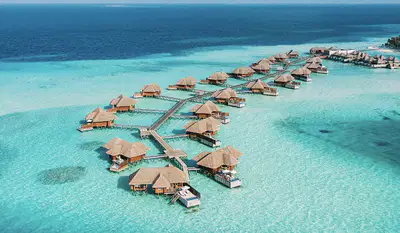
​Resorts use solar power and desalination. Coral-reef conservation programmes. Plastic-free initiatives in hotels. Model answer: The Maldives combines luxury tourism with environmental care, attracting wealthy eco-conscious visitors.

media

28

Open Ended

Choose a destination you know.

Design a 3-day trip for responsible tourists.

Include:

Attractions to visit.

Cultural experiences.

Sustainable choices (eco-hotel, local food, low-carbon transport).

29

​Model Example: Responsible Holiday – Thailand

​Day 1: Visit local floating market, stay in eco-lodge.

Day 2: Take cycling tour of historic temples.


Day 3: Volunteer at elephant rescue centre.

Why sustainable: supports local people, reduces animal exploitation, low emissions.

media

30

​Balancing Development and Protection

​Building new hotels increases income and jobs, but can harm ecosystems.

media

31

Open Ended

Question image

How can governments balance tourism growth with conservation?

32

Open Ended

1️⃣ Give one example of a natural attraction.
2️⃣ What is meant by “expected behaviour”?
3️⃣ Name one sustainable practice from Costa Rica.
4️⃣ Why is culture important for tourism?

33

​Learning Objectives

​By the end of this lesson, you should be able to: Describe built and natural attractions and their appeal. Explain how culture and behaviour influence tourism. Understand how sustainability affects long-term destination appeal.

media

​Attractions, Culture & Sustainable Tourism
Enquiry question:
How do attractions, culture, and sustainability shape a destination’s appeal to different types of tourists?

By Aimee Cooper

Show answer

Auto Play

Slide 1 / 33

SLIDE