

CMS Grade 5 Unit 1 Science Review

Presentation
•
Science
•
1st - 5th Grade
•
Practice Problem
•
Easy
+3
Standards-aligned

Scott McBride
Used 4+ times
FREE Resource
16 Slides • 19 Questions
1
By Scott McBride
2

Physical changes only change the physical appearance of an object. They are predictable, do not create a new substance, and are usually reversible.
Physical Change
3


A change in state of matter is a PHYSICAL CHANGE. These changes do not make a new type of material. They are also reversible.
Phase Change
-Mixing or dissolving such as salt or sugar in water.
- Deforming such as cutting, breaking, smashing, grinding, shredding, etc.
- Expanding or Contracting due to temperature change
Other Physical Changes
4
Multiple Choice
What is a physical change?
A physical change is a transformation that is never reversable
5
Multiple Choice
Which is NOT an example of a physical change?
6

A chemical change will change or create a new substance. Chemical changes are not easily reversable nor predictable.
Chemical Change
7


A reaction that results in a new material or a change to something else is a chemical reaction.
The most common new substances are gasses, rust, and even water.
New Substances
A reaction that creates fire or creates heat is a chemical reaction.
Reactions that create lots of heat very quickly are called an explosion.
Combustion (aka FIRE!)
8
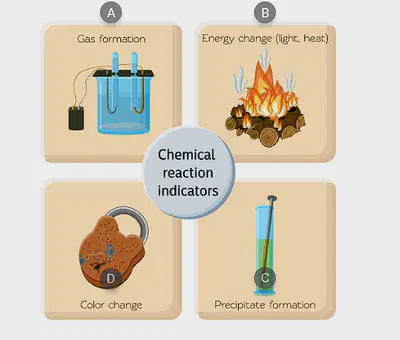
A- A gas forms. You'll see bubbles or air pockets
B- Energy given off. You'll see light or flames. You'll feel heat (or it'll get cold!)
C- A new material shows up. This could be rust or even curdled milk.
D- An unexpected color change.
Chemical reactions can also cause an unexpected change in weight
Evidence of a Chemical Change
9
Multiple Choice
What is a chemical change?
A chemical change is a process where substances form new substances.
10
Multiple Choice
What is an example of a chemical reaction?
The evaporation of water boiling water into water vapor
11
Categorize
Cutting a cake
Dissolving lemonade mix
Tearing a piece of paper
Melting down a bar of gold
Freezing a can of soda
Mixing Skittles and M&M's
Mixing oil and water
Rust forming on an old bike
A cake baking
Burning a candle
Milk spoiling
Fireworks exploding
Combining sodium and chloride to make salt
Plants using sunlight to make food
Identify the types of change
12
Categorize
weight stays the same
weight changes
Mixing white and red makes pink
Mixing white and yellow makes black
temperature stays the same
Temperature increases
temperature decreases
No bubbles form
Bubbles form
Sort the evidence into their type of change
13
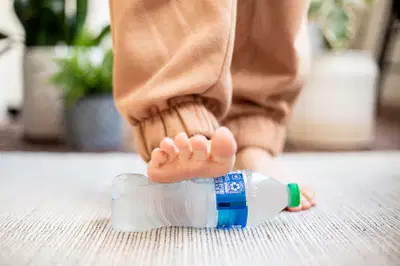
Objects are sealed together. They can allow substances to interact, but there will be no weight change.
Closed System
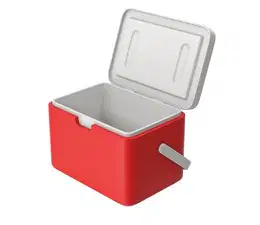
When objects interact, gasses might be able to escape. You will see a change in weight.
Open System
14
Hotspot
Which of these investigations used a closed system?
15
Hotspot
Which of these investigations used an open system?
16
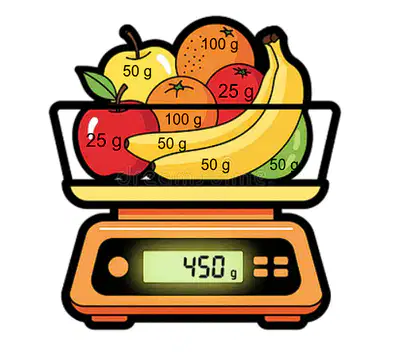
If only a physical change occurs, the total weight of all the materials can be found by adding them up.
Finding Weight in Physical Interactions
17
Fill in the Blanks

Ms. Bills is making sweet tea. Help her find the total weight of her sweet tea after combining her ingredients.
18
Fill in the Blanks

Ms. Perrett is making a candy salad. Help her find out how many grams of Skittles she added.
19
Fill in the Blanks
Ms. Pope is making a smoothie in her cup that weighs 7 grams. She adds 20 grams of strawberries and 8 grams of banana. Then she adds some milk. If her cup weighs 50 grams when she's done, how many grams of milk did she add?
20
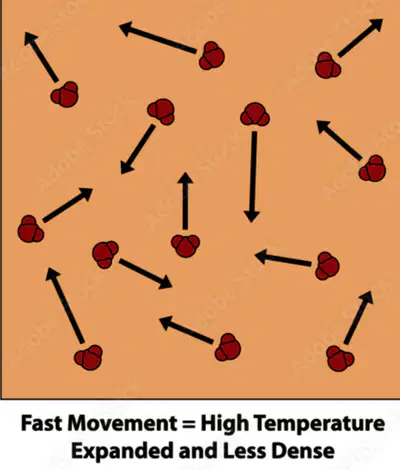
When you add heat to something, the particles gain energy. When the particles gain energy, they begin to bounce around and spread out.
The heated object will expand.
Adding Heat
21
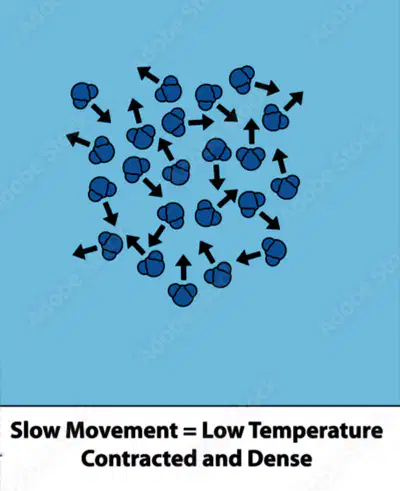
When you remove heat from something, the particles lose energy. When the particles lose energy, they begin to slow down and cluster together. The object is cooled down.
The cooled object will contract.
Removing Heat
22
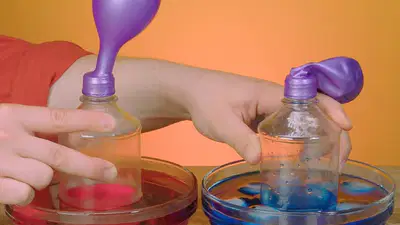
-Substance gets warmer
-Substance expands
-Particles gain energy
-Substance might melt or evaporate
-Air will expand when heated
Adding Heat
-Substance get cooler
-Substance contracts
-Particles lose energy
-Substance might condense or evaporate
-Air will contract when cooled
Removing Heat
23
Multiple Choice
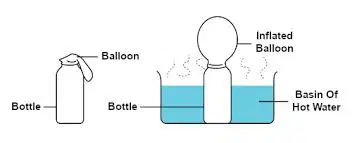
Why did this balloon inflate?
The air molecules were cooled and expanded
The air molecules were heated and expanded
The air molecules were cooled and expanded
The air molecules were cooled and contracted
24
Multiple Choice
Expand means ...
25
Multiple Choice
Contract means ...
26
Categorize
Gets warmer
Gets cooler
Expands
Contracts
Gains energy
Loses energy
Particles bounce around Molecules move around more
Molecules move around less
Sort the qualities of objects after a heat transfer
27
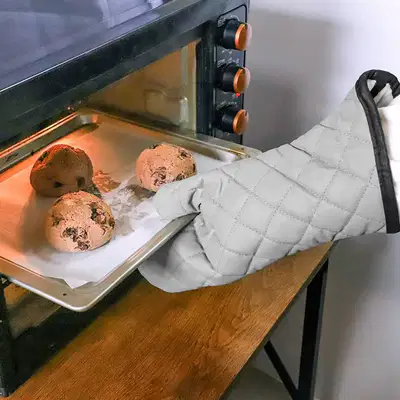
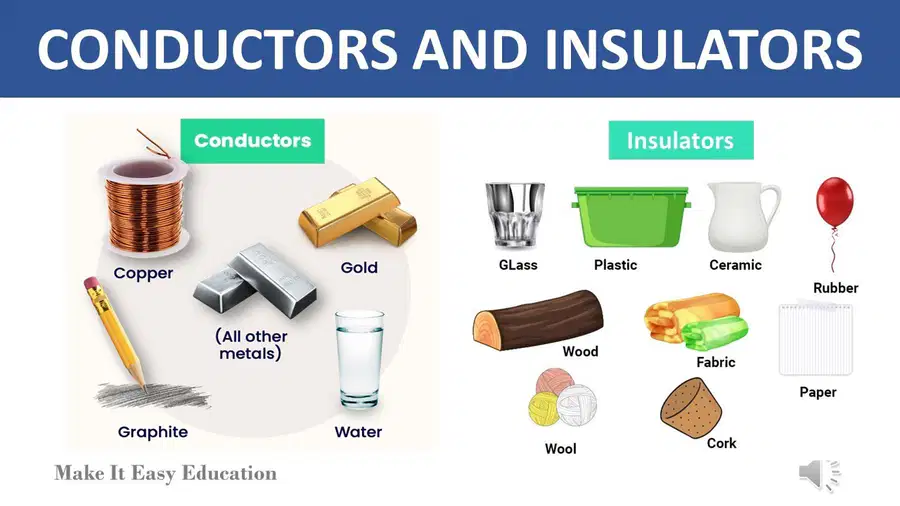
Insulators are materials that do not allow heat to transfer easily.
Conductors are materials that allow heat to transfer easily.
Insulators & Conductors
28
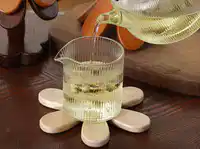
Keep their temperature
Protect people from heat
Used to keep houses warm in winter and cool in summer
Insulators
Conductors
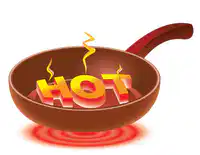
Transfer heat quickly
Used for cooking to heat food
29
30
Categorize
Metal
Water
Graphite

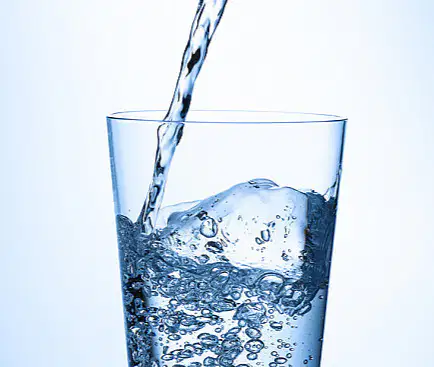

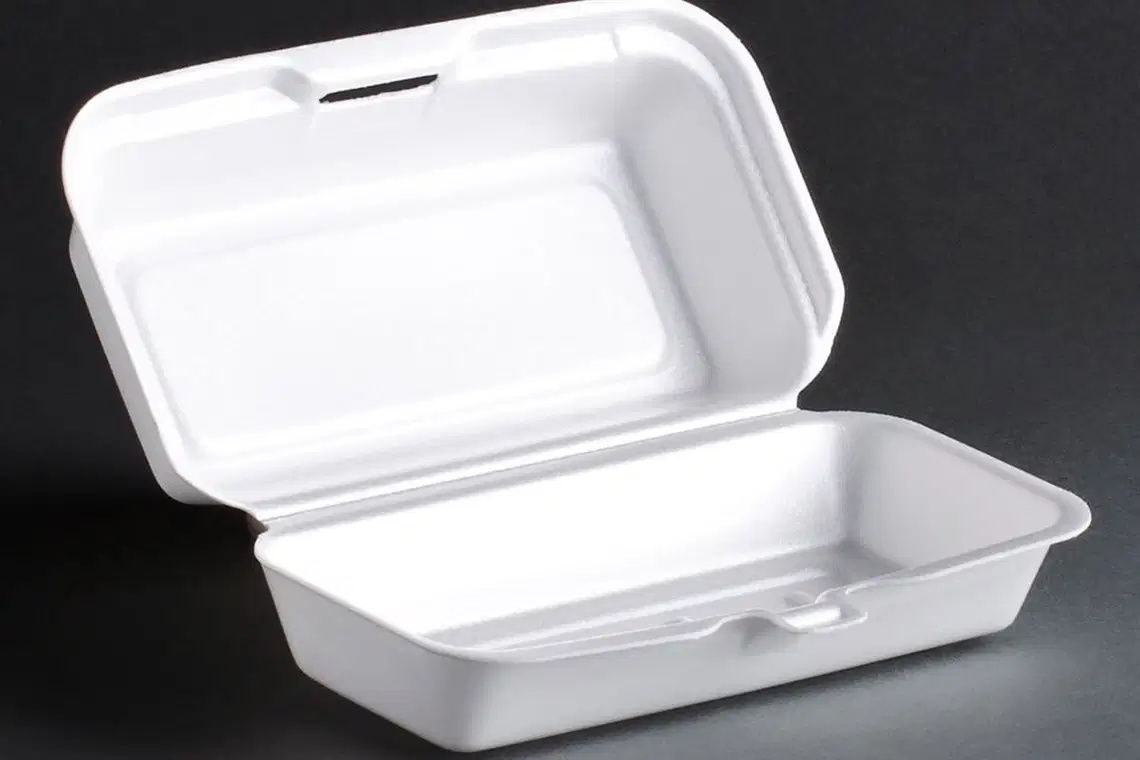
Sort the materials into their categories.
31

-Good insulators have a smaller temperature change during an experiment.
-Cool objects will stay cool.
-Warm objects will stay warm.
How do I compare insulators?
32
Multiple Choice
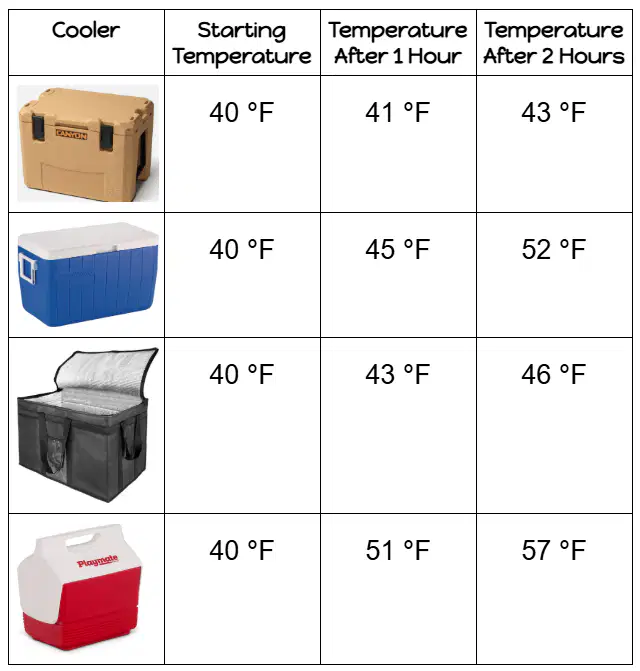
According to this graph, which cooler is the best insulator?
33
Multiple Choice
According to this graph, which cooler is the worst insulator?
34
Homes are insulated to keep them warm in the winter and cool in the summer.



hot summer sun
35
Hotspot
In the winter, Ms. Capel sets the heat in both of her houses to 65 degrees. Which of her two houses is better insulated?
By Scott McBride
Show answer
Auto Play
Slide 1 / 35
SLIDE
Similar Resources on Wayground

30 questions
Classroom Rules
Presentation
•
1st - 5th Grade
32 questions
Animals Lifecycle Lesson
Presentation
•
1st - 5th Grade
31 questions
Gravity Space
Presentation
•
1st - 5th Grade
25 questions
Other Prehistoric Animals
Presentation
•
1st - 5th Grade
32 questions
6th Lss: 4.1 - 4.2
Presentation
•
KG
32 questions
Lifecycles
Presentation
•
1st - 5th Grade
26 questions
Circuits and Symbols
Presentation
•
9th - 12th Grade
27 questions
sistem tata surya
Presentation
•
1st - 5th Grade
Popular Resources on Wayground
10 questions
Safety Day 2026 – Student Review

Quiz
•
9th Grade
21 questions
Continents and Oceans
Quiz
•
6th Grade
20 questions
Parts of Speech
Quiz
•
5th Grade
16 questions
Subject & Predicate
Quiz
•
5th Grade
25 questions
Multiplication Facts
Quiz
•
5th Grade
12 questions
Map Skills
Quiz
•
3rd Grade
22 questions
Continents and Oceans
Quiz
•
5th Grade
15 questions
Rounding Decimals
Quiz
•
5th Grade
Discover more resources for Science
20 questions
Mixtures and Solutions Practice
Quiz
•
5th Grade
10 questions
Mixtures and Solutions
Quiz
•
4th Grade
20 questions
Food Chains and Food Webs Review
Quiz
•
5th Grade
20 questions
GC Interim #1 Review 2026
Quiz
•
5th Grade
10 questions
Severe Weather Around Us
Quiz
•
2nd Grade
20 questions
5.3 Force and Motion Study Guide Review
Quiz
•
5th Grade
15 questions
Force and Motion
Presentation
•
5th Grade
19 questions
3rd Grade CUA #1 Review GC
Quiz
•
3rd Grade