

Reasons for the Seasons

Presentation
•
Science
•
8th Grade
•
Practice Problem
•
Hard
+3
Standards-aligned

Rachel McKaughan
FREE Resource
39 Slides • 21 Questions
1
2
3
Multiple Choice
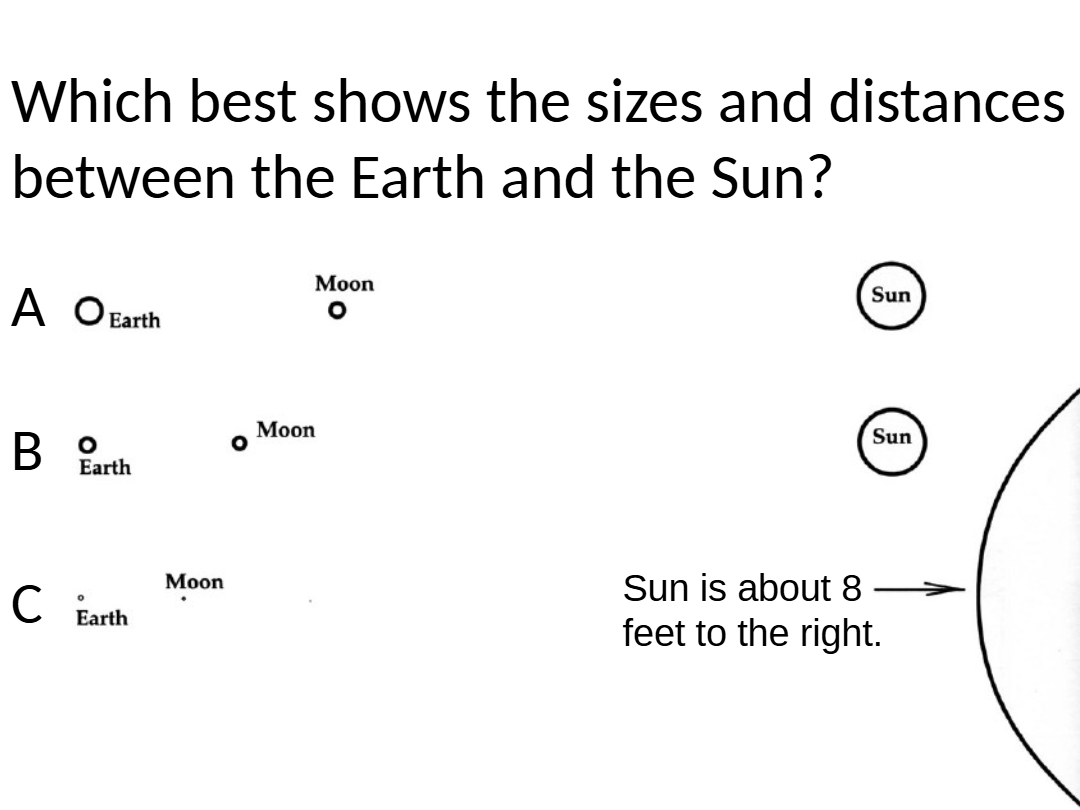
Which best shows the sizes and distances between the Earth and the Sun?
A
B
C
4
5
Multiple Choice
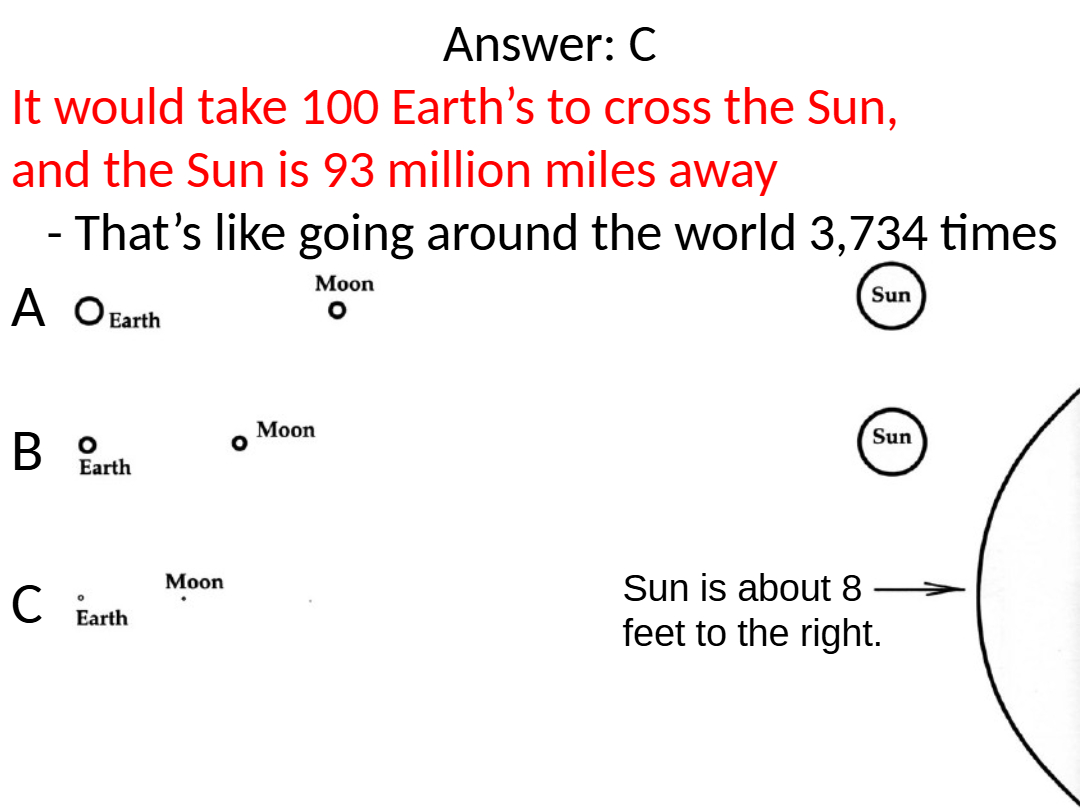
How many Earths would it take to cross the Sun?
10
50
100
500
6
7
Multiple Choice
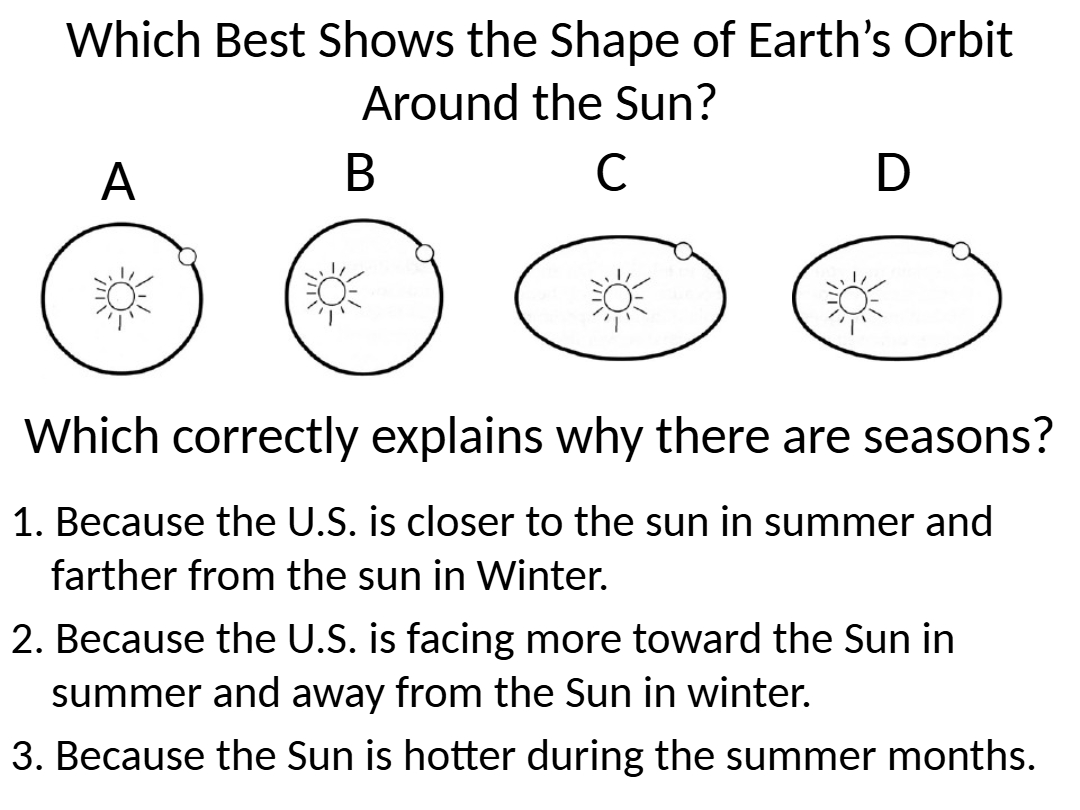
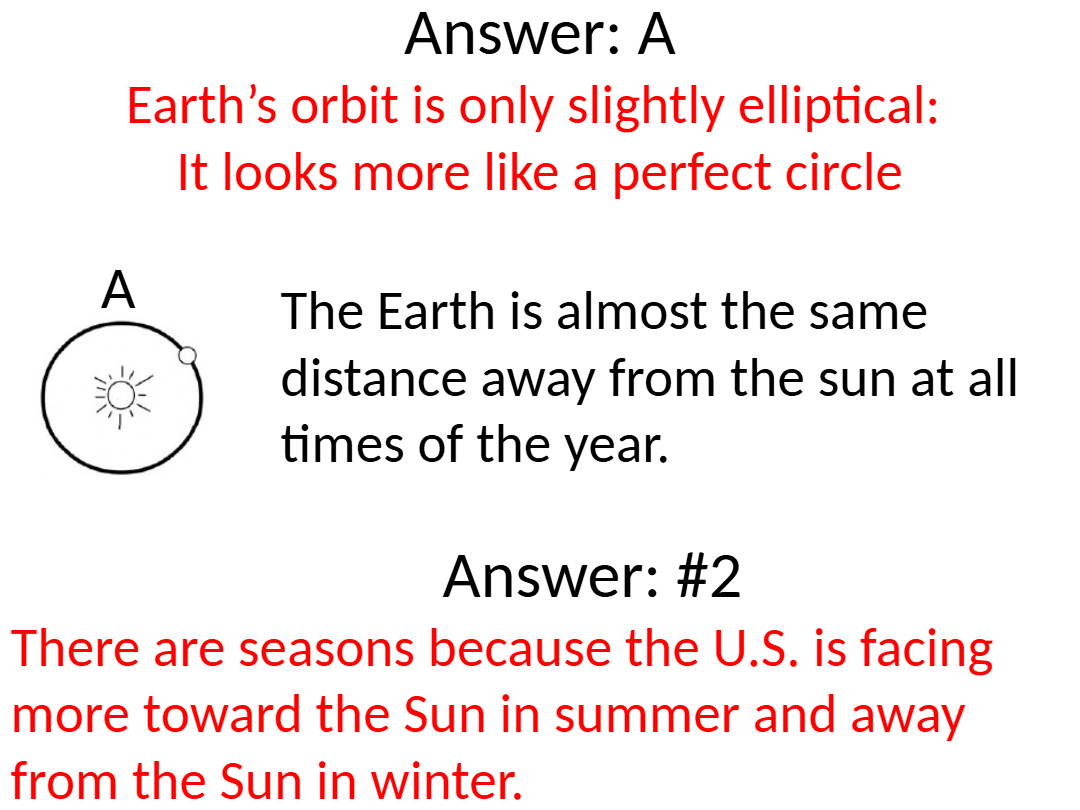
Which best shows the shape of Earth’s orbit around the Sun?
A
B
C
D
8
9
Multiple Choice
Which correctly explains why there are seasons?
Because the U.S. is closer to the sun in summer and farther from the sun in Winter.
Because the U.S. is facing more toward the Sun in summer and away from the Sun in winter.
Because the Sun is hotter during the summer months.
Because the Earth’s orbit is highly elliptical.
10
11
Open Ended
Explain why the Earth experiences seasons even though its orbit around the Sun is nearly circular.
12
13
14
Multiple Choice
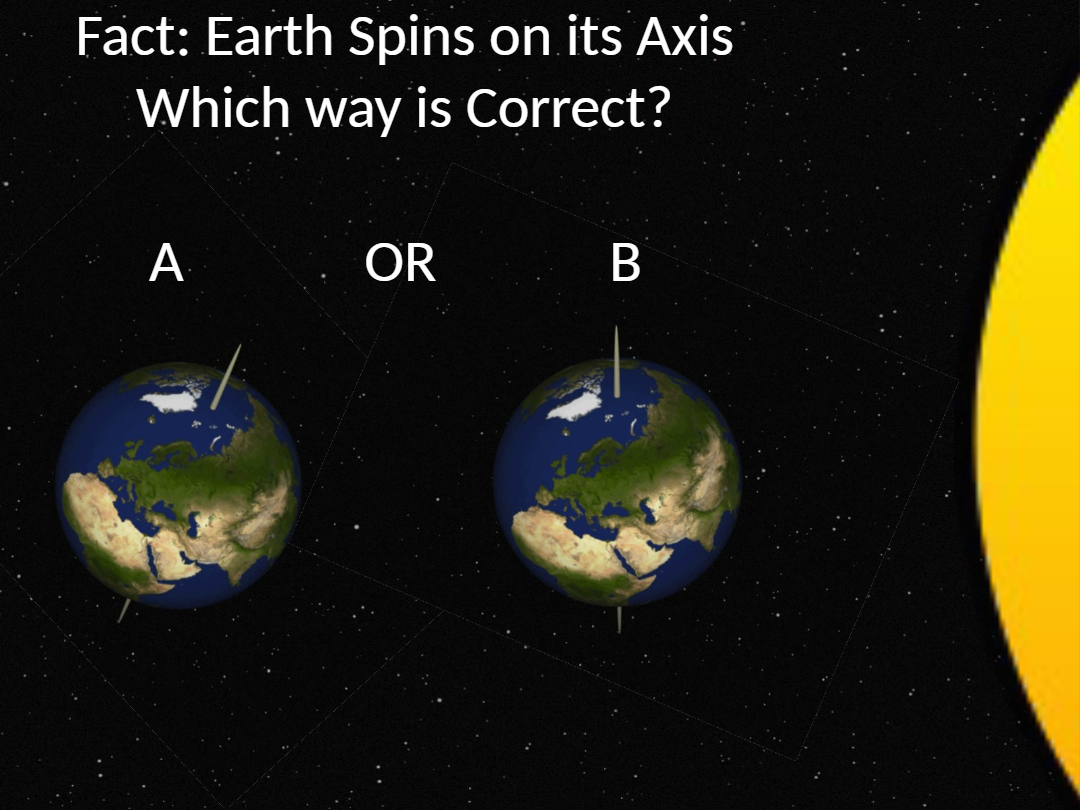
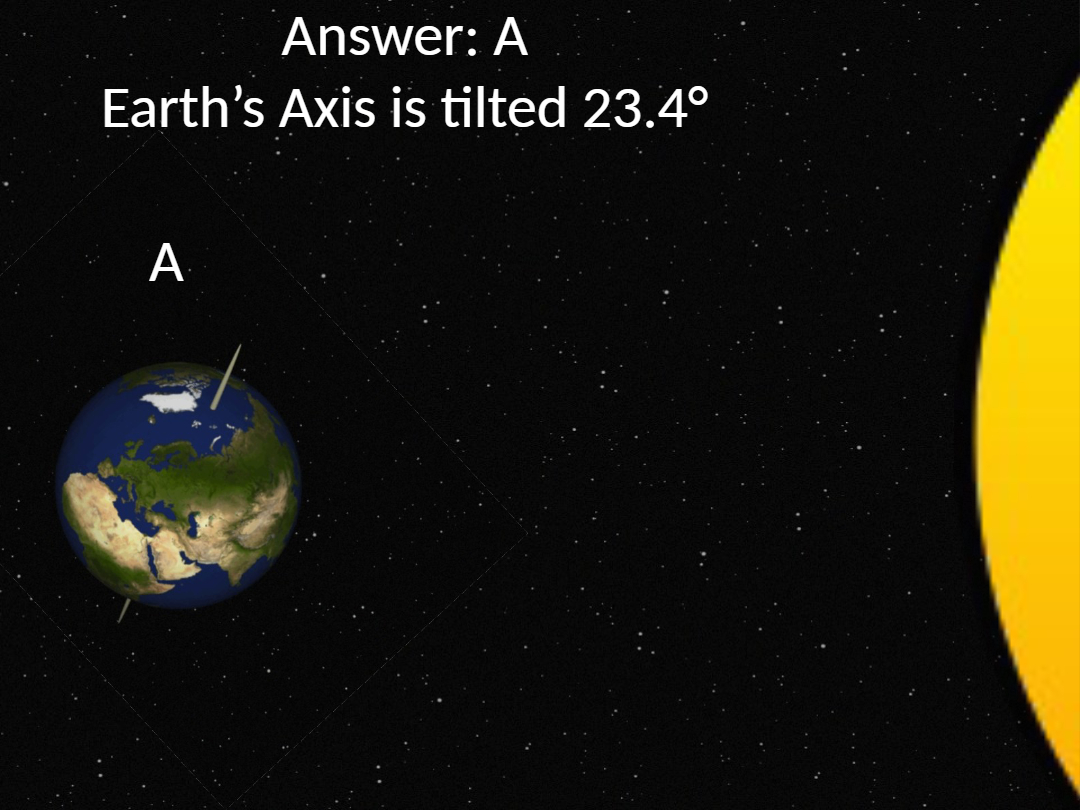
Earth’s axis is tilted ___ degrees.
25.6
36.5
67.3
15
16
Multiple Select
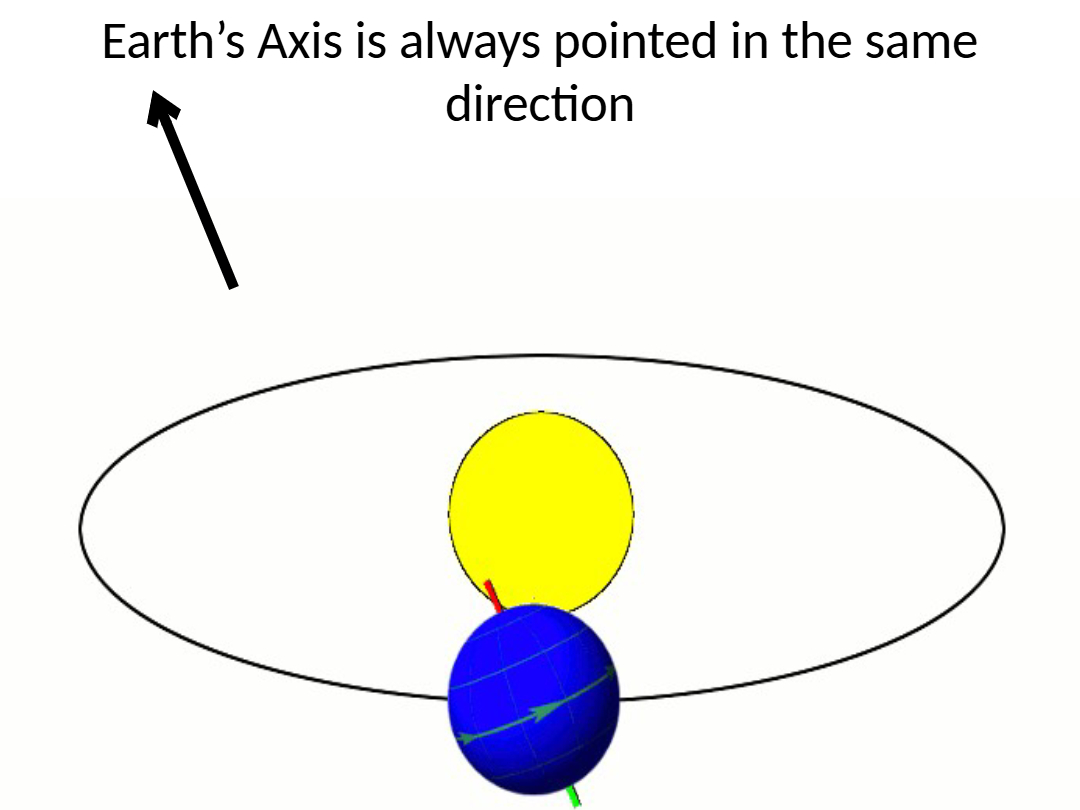
Select all statements that are true about Earth's axis and its orbit around the Sun.
Earth’s axis is always pointed in the same direction.
Earth’s axis changes direction as it orbits the Sun.
Earth’s orbit is nearly circular.
Earth’s axis is tilted.
17
18
Multiple Choice
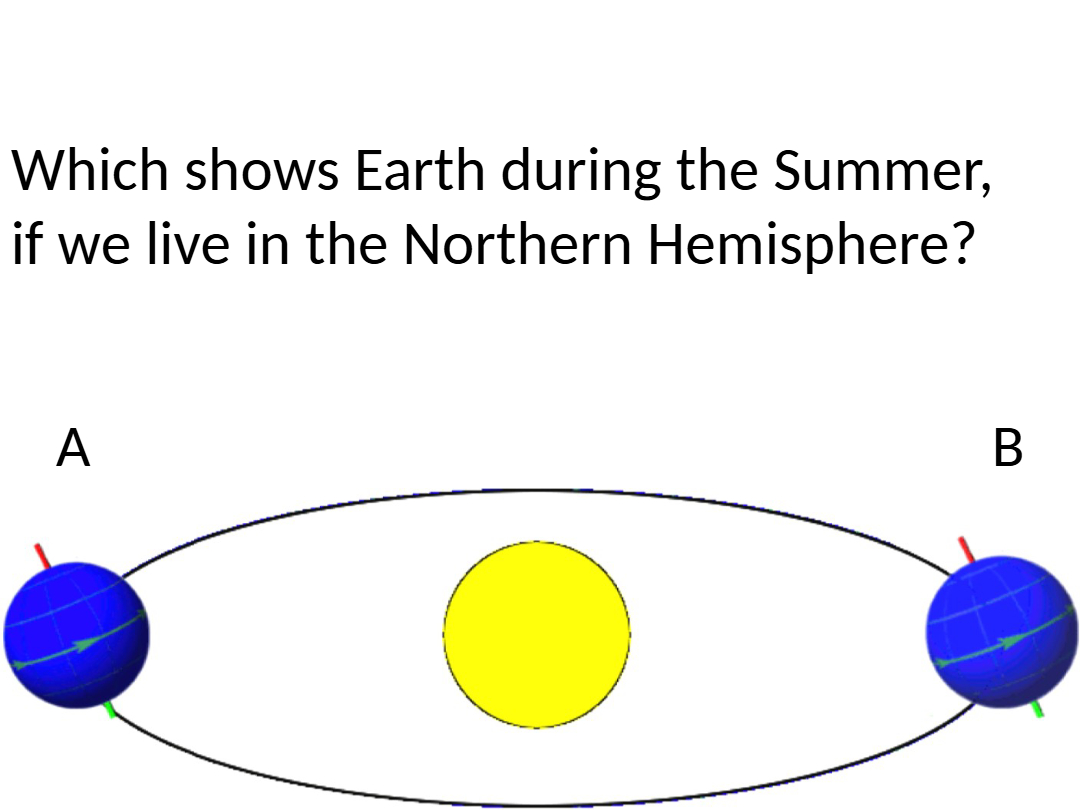
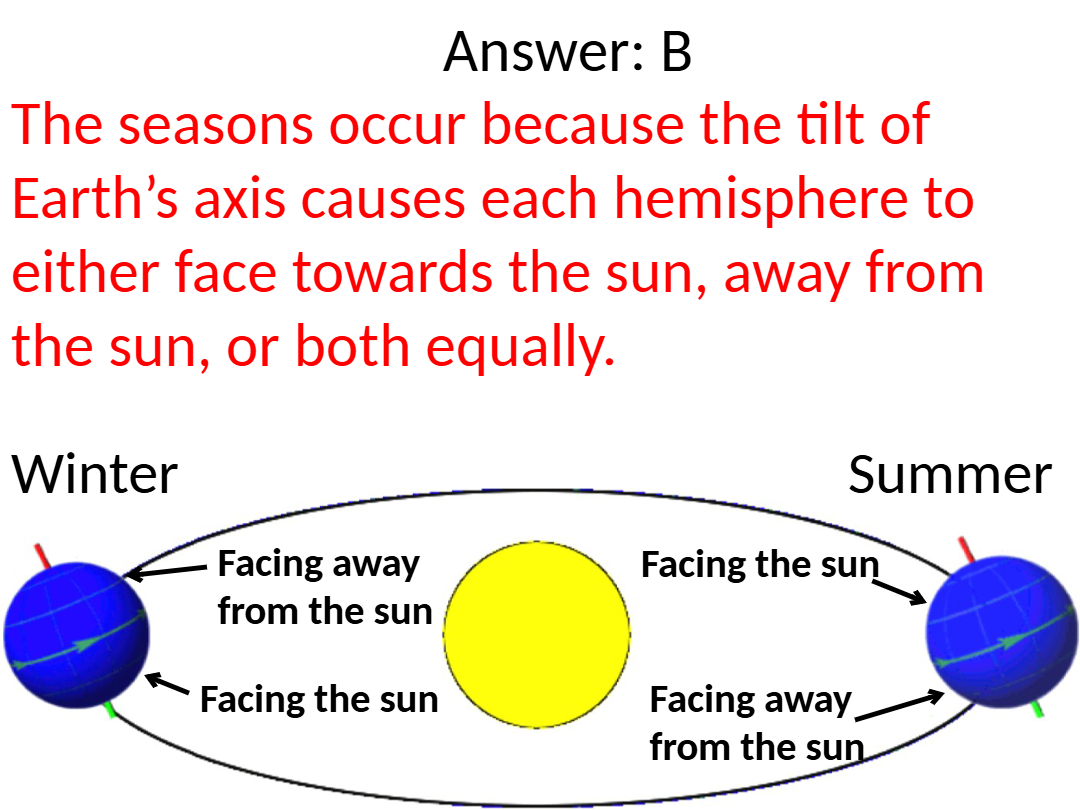
Which shows Earth during the Summer, if we live in the Northern Hemisphere?
A
B
Both A and B
Neither A nor B
19
20
21
22
Multiple Choice
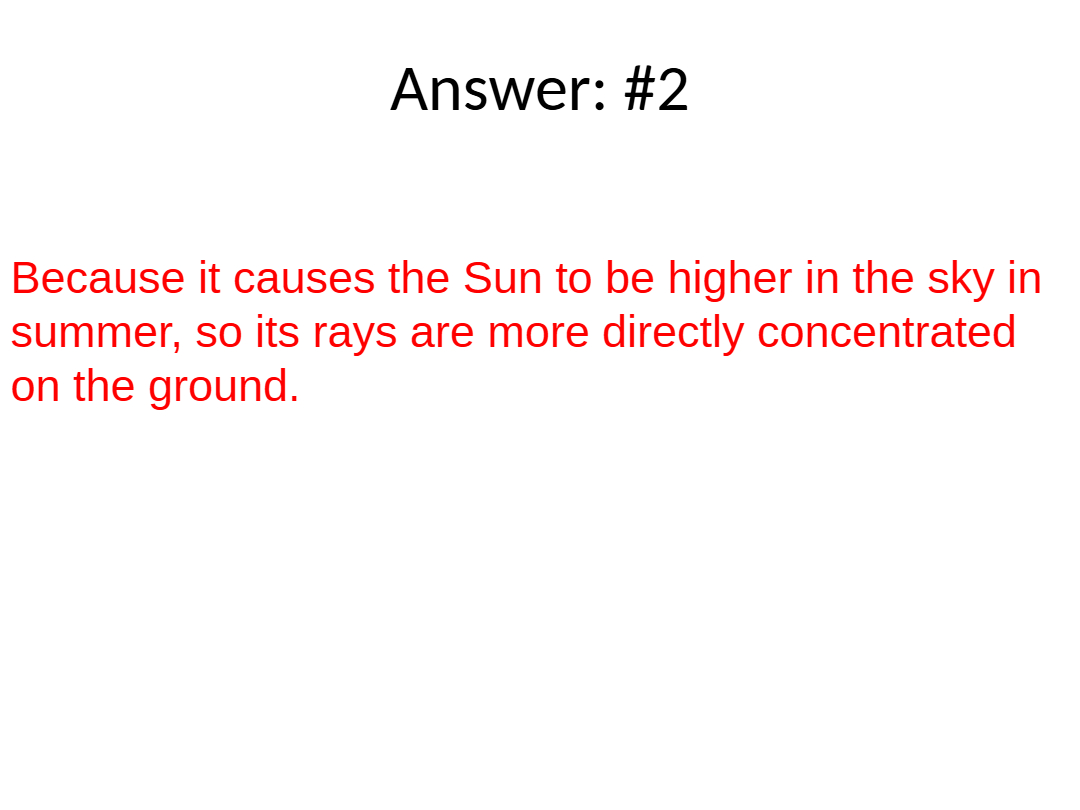
Earth’s tilt causes the Sun to be higher in the sky in summer, so its rays are more directly concentrated on the ___ .
equator
pole
moon
23
Multiple Choice
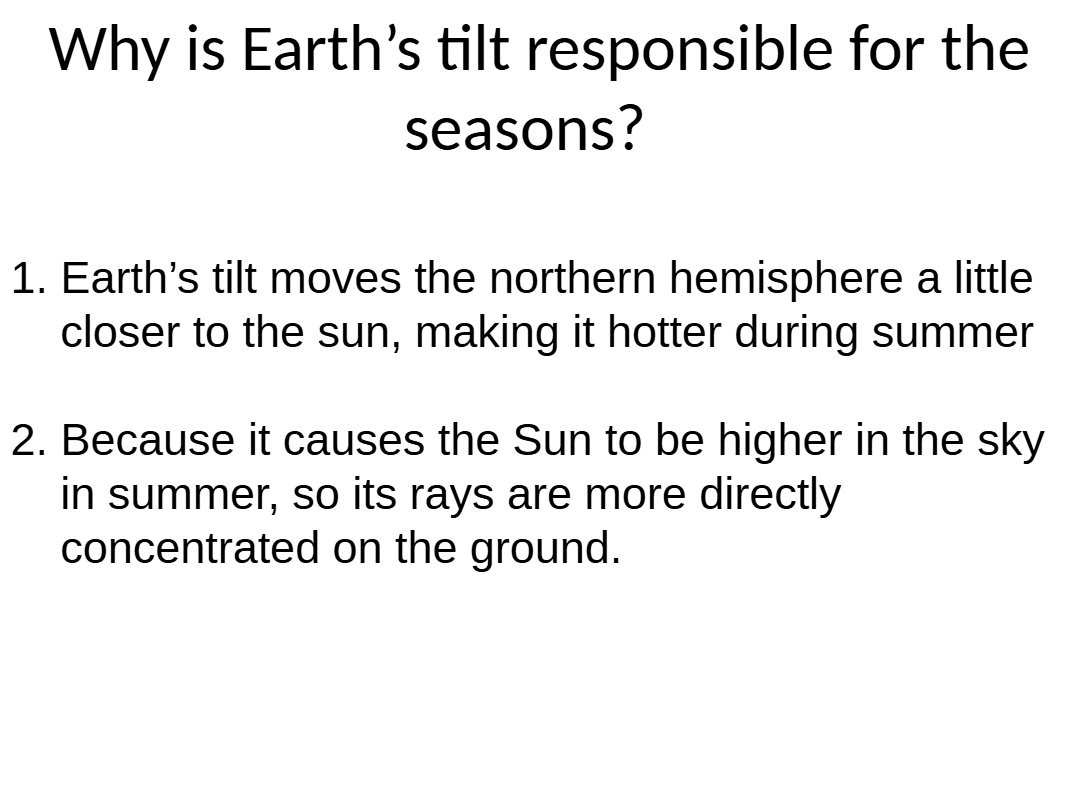
Which of the following best explains why the Northern Hemisphere experiences summer when it is tilted towards the sun?
The tilt moves the hemisphere closer to the sun, making it hotter.
The Sun is higher in the sky, so its rays are more concentrated.
The Earth spins faster during summer.
The days are longer in summer.
24
25
Multiple Choice
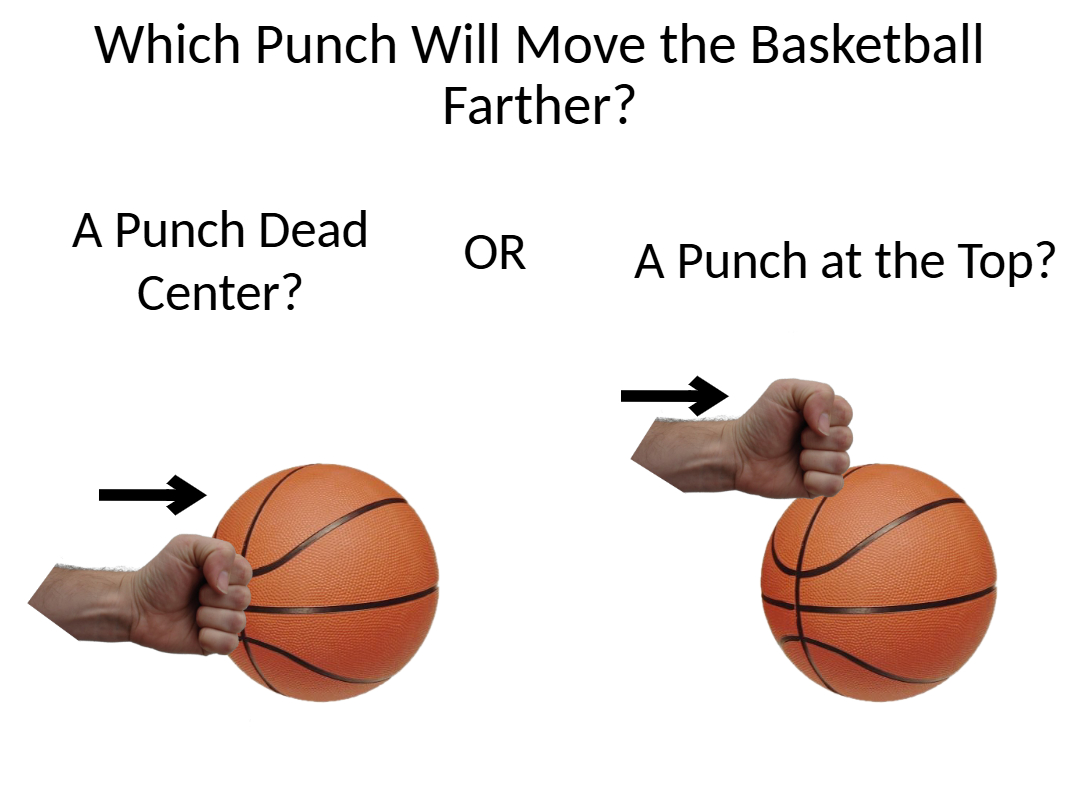
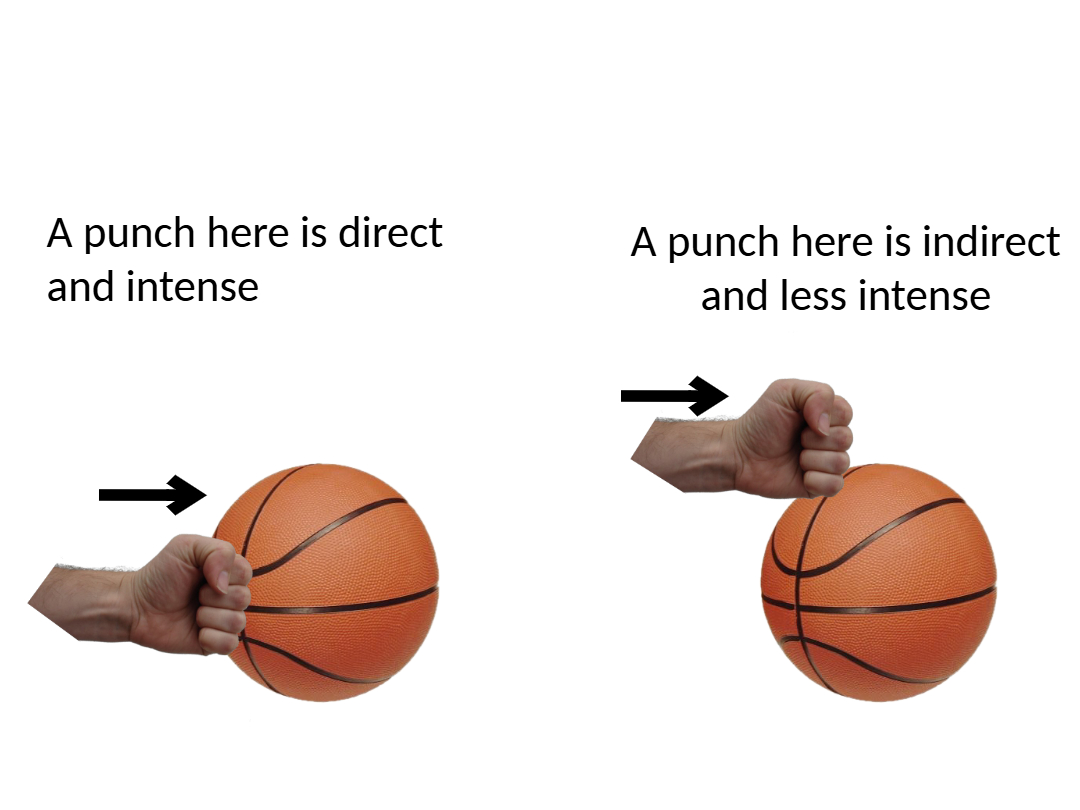
Which punch will move the basketball farther: a punch dead center or a punch at the top?
A punch dead center
A punch at the top
Both punches move it equally
Neither punch moves it
26
27
28
29
Multiple Select
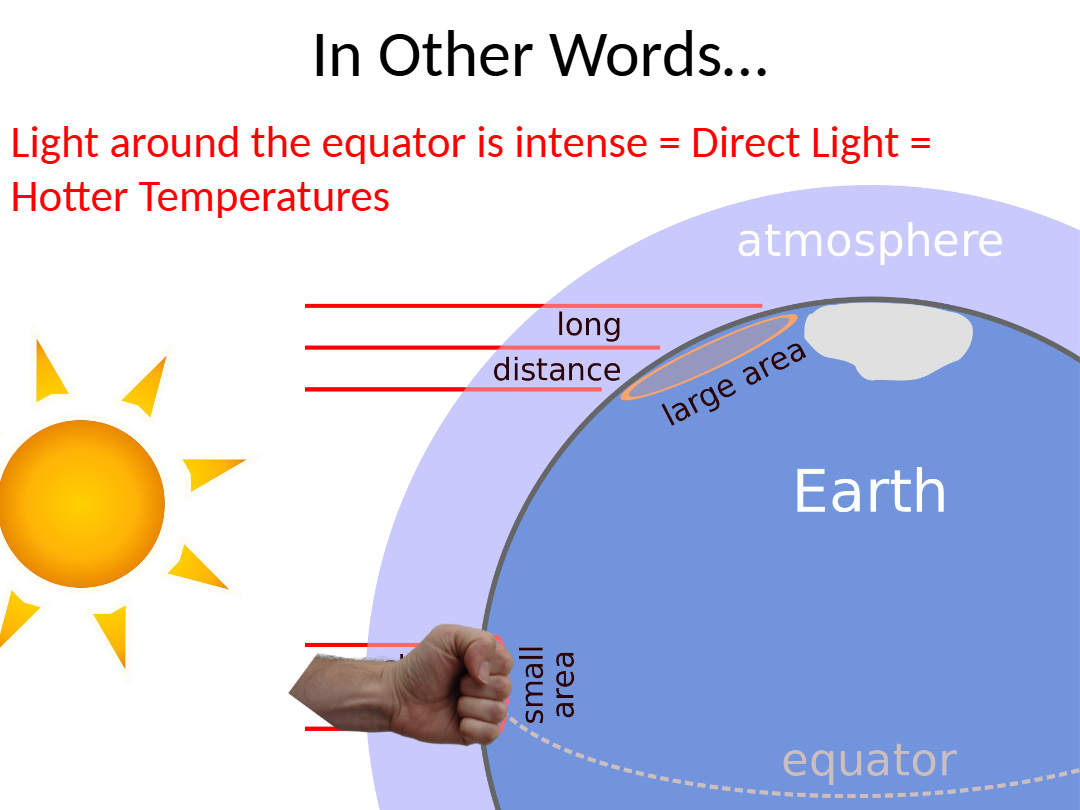
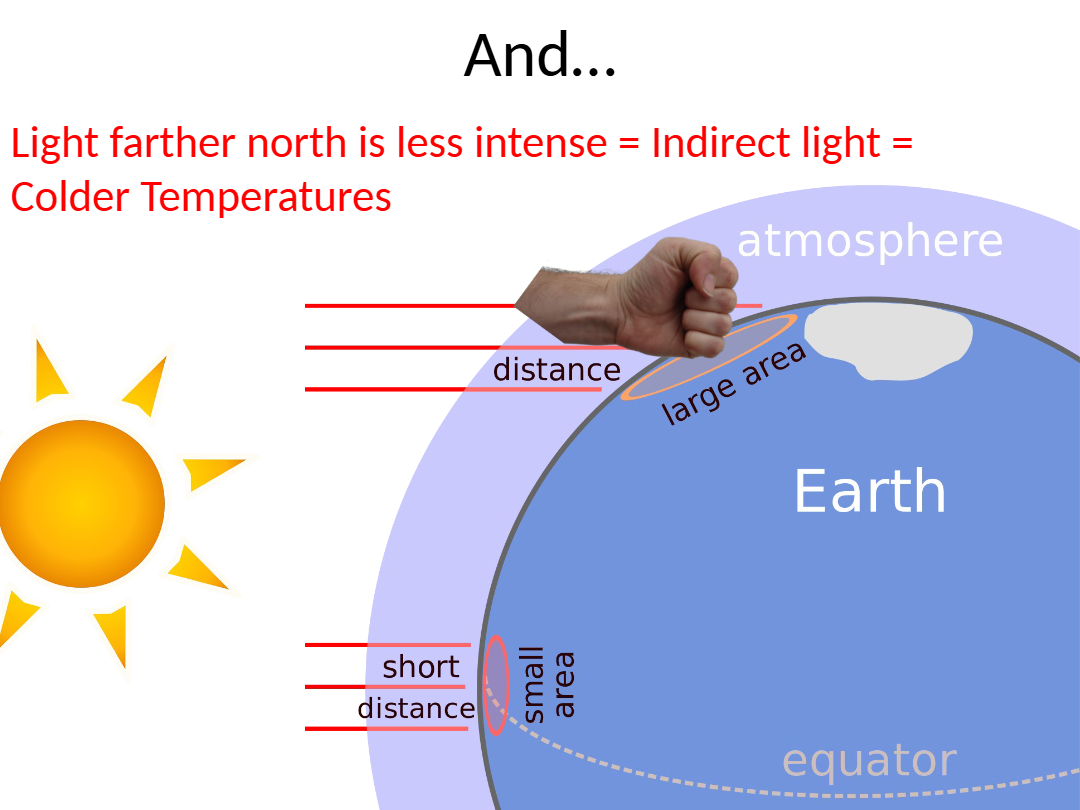
Which of the following two statements correctly describe the difference between direct and indirect sunlight on Earth?
Direct sunlight covers a smaller area and is more intense
Indirect sunlight covers a larger area and is less intense
Direct sunlight leads to colder temperatures
Indirect sunlight leads to hotter temperatures
30
Multiple Choice
Why does the equator experience hotter temperatures compared to regions farther north?
Because the equator receives direct light over a small area
Because the equator is closer to the sun
Because the equator has less atmosphere
Because the equator receives indirect light
31
32
33
34
Multiple Choice
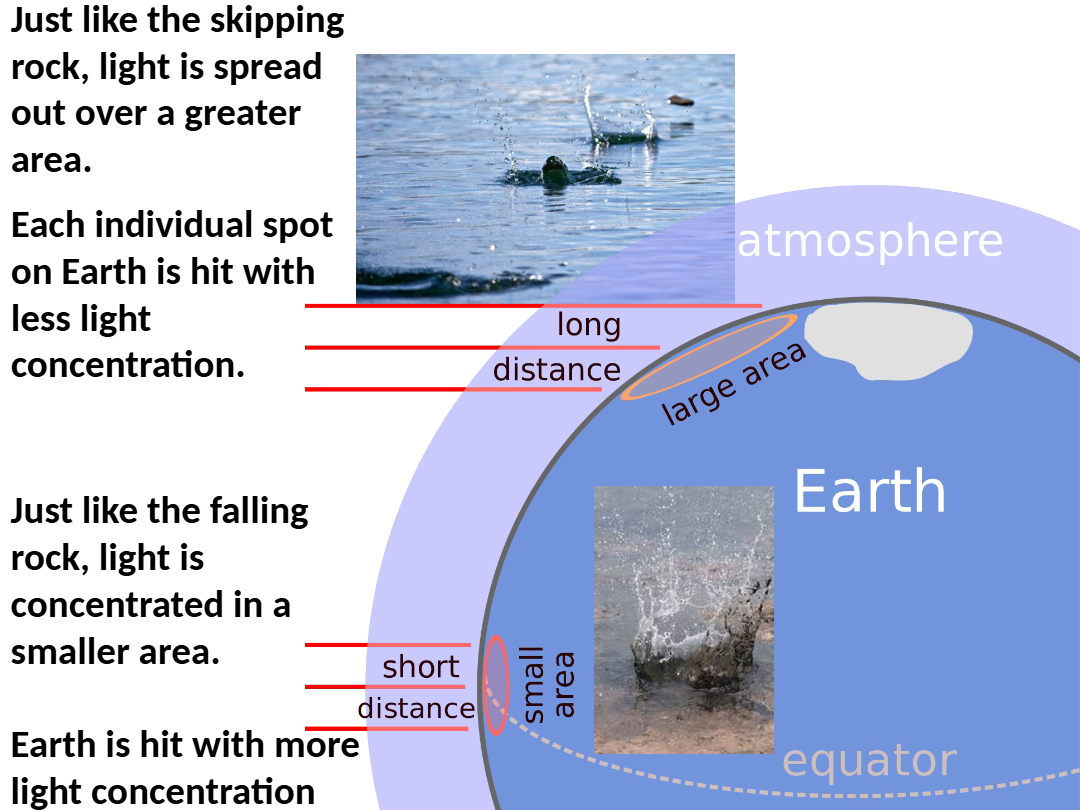
When sunlight is spread out over a ___ area, each spot receives less light concentration.
small
35
Open Ended
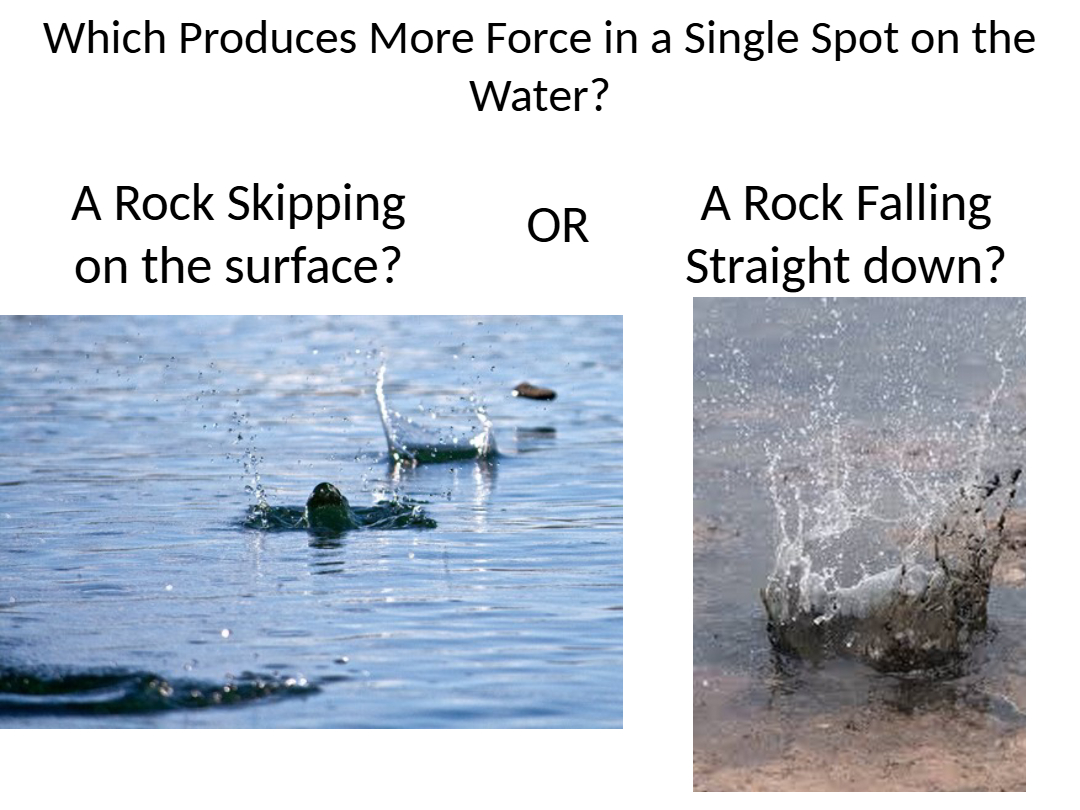
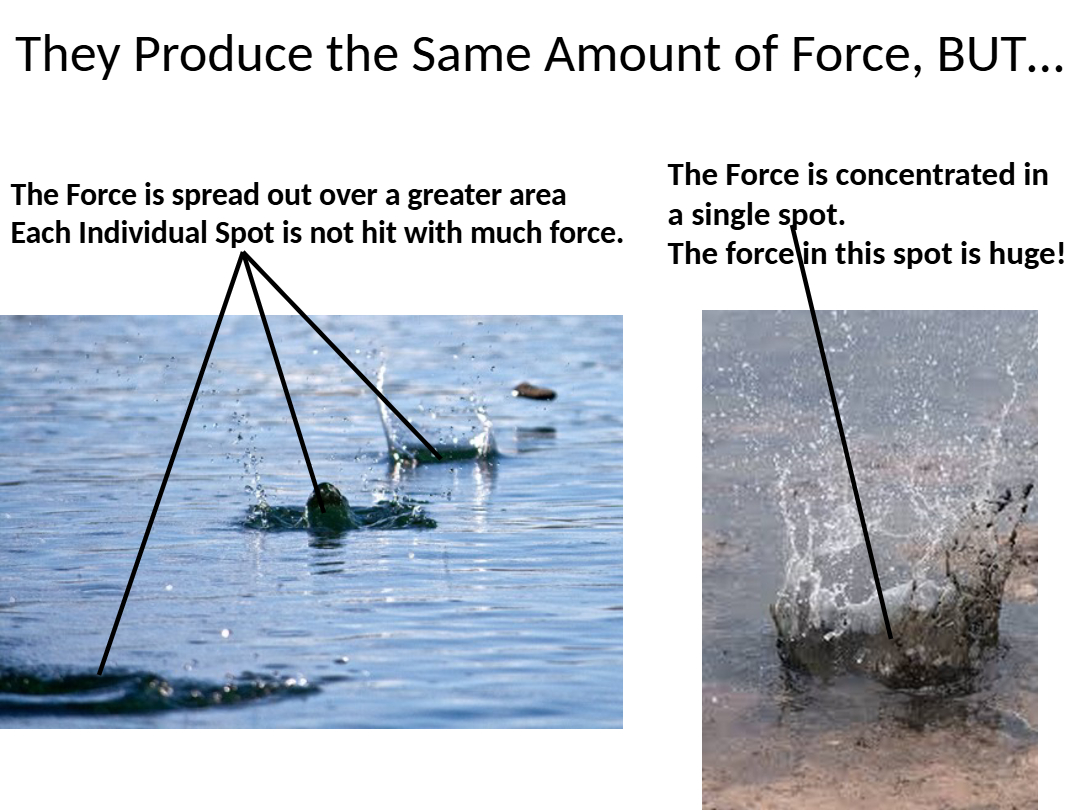
Explain how the way a rock hits water can be used as an analogy for how sunlight is distributed on Earth.
36
37
Multiple Choice
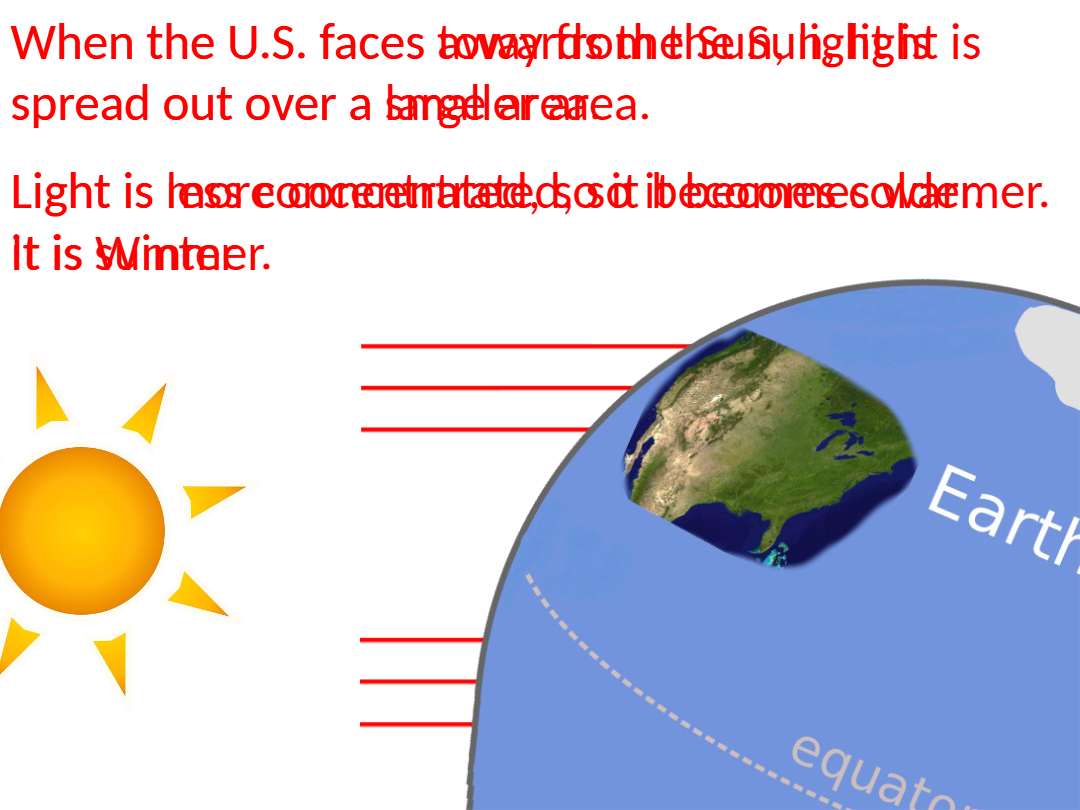
What season is it in the U.S. when sunlight is less concentrated and spread out over a larger area?
Winter
Summer
Spring
Fall
38
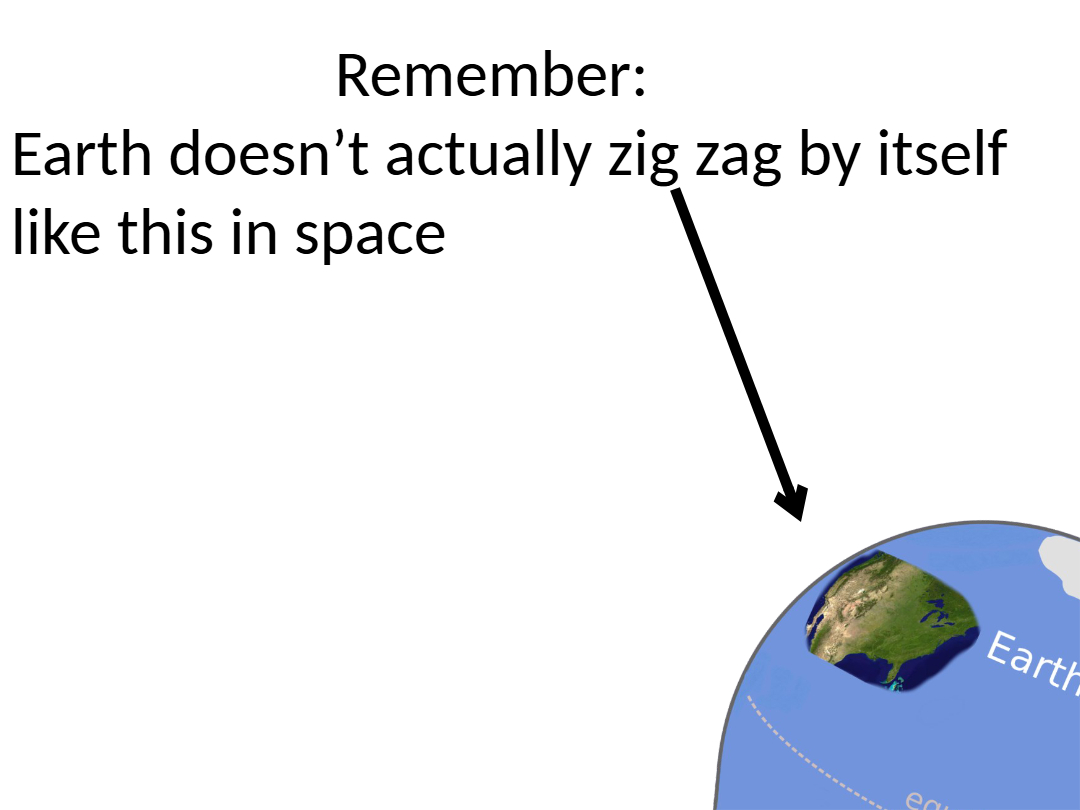
39
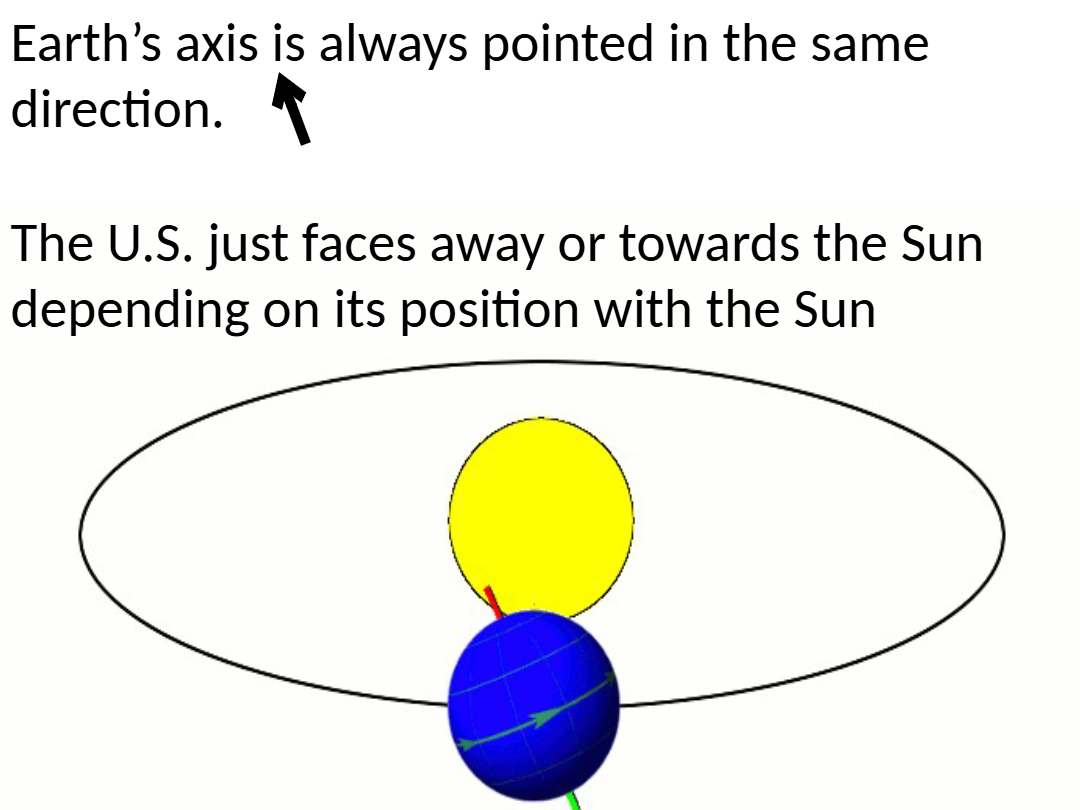
40
Open Ended
Explain how the direction of Earth's axis affects the way the U.S. faces the Sun throughout the year.
41
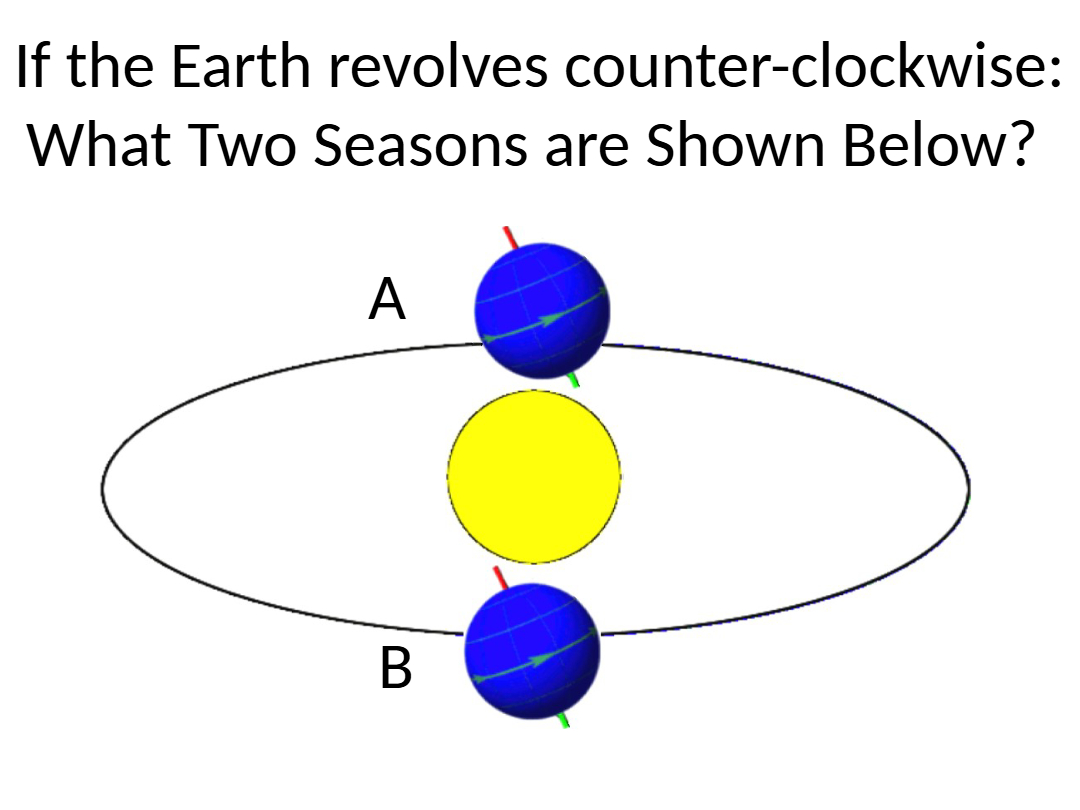
42
Multiple Choice
If the Earth revolves counter-clockwise, what two seasons are shown at positions A and B in the diagram?
Winter and Summer
Fall and Winter
Spring and Summer
43
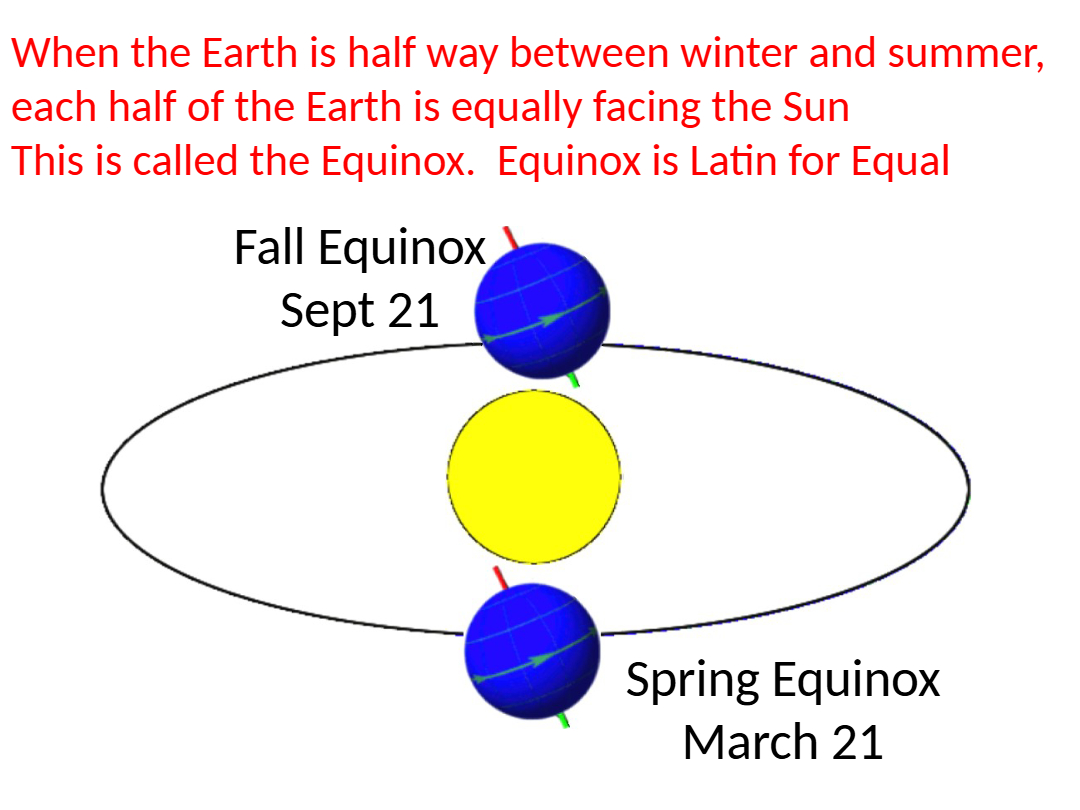
44
45
Multiple Choice
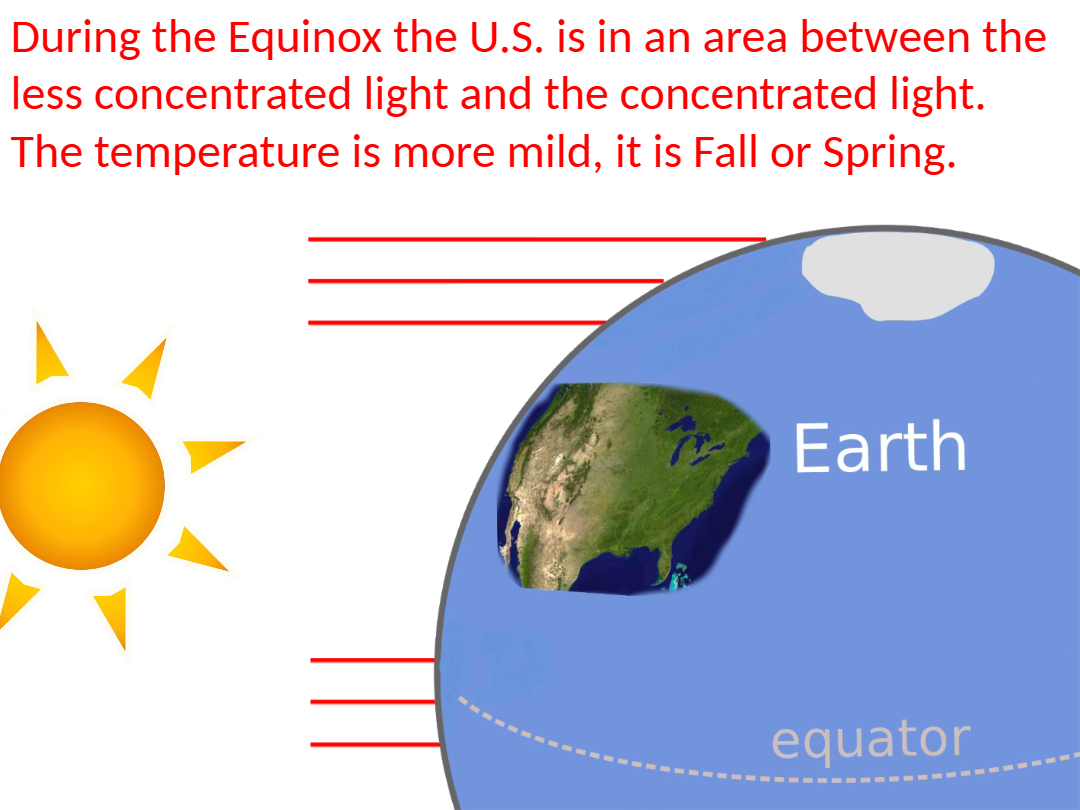
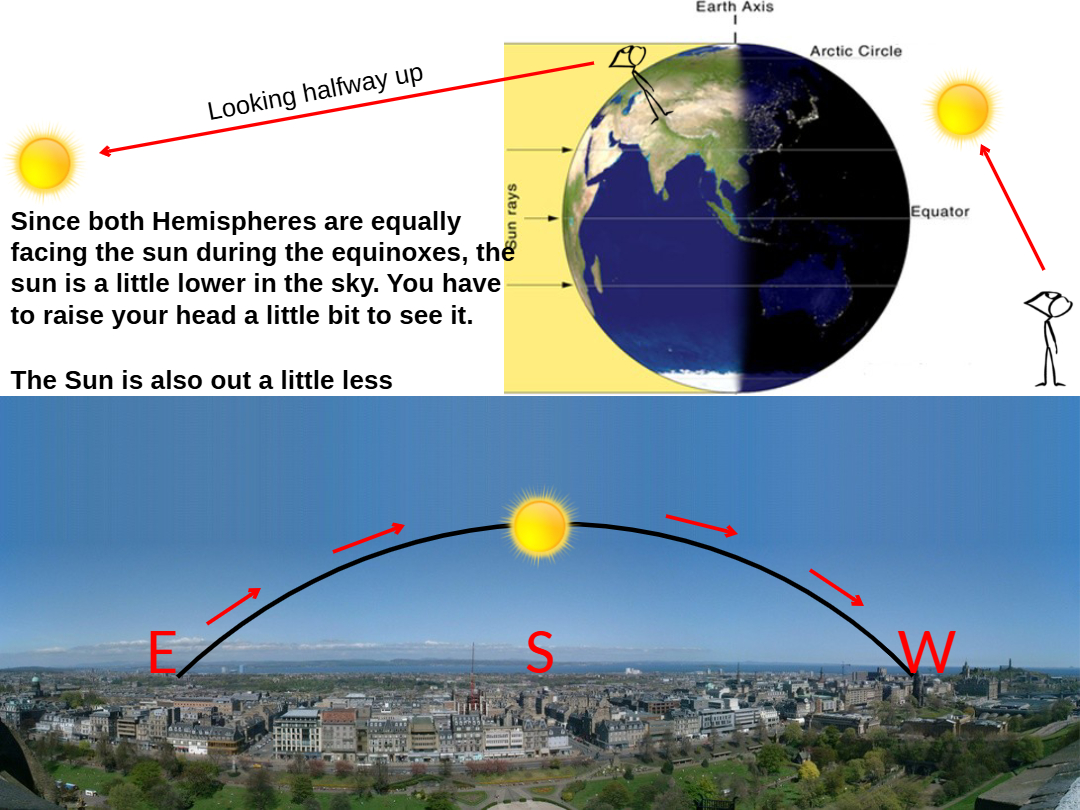
Which of the following statements about the equinox is correct?
Both hemispheres receive equal sunlight
Only the Northern Hemisphere receives sunlight
Only the Southern Hemisphere receives sunlight
The equator receives no sunlight
46
47
Open Ended
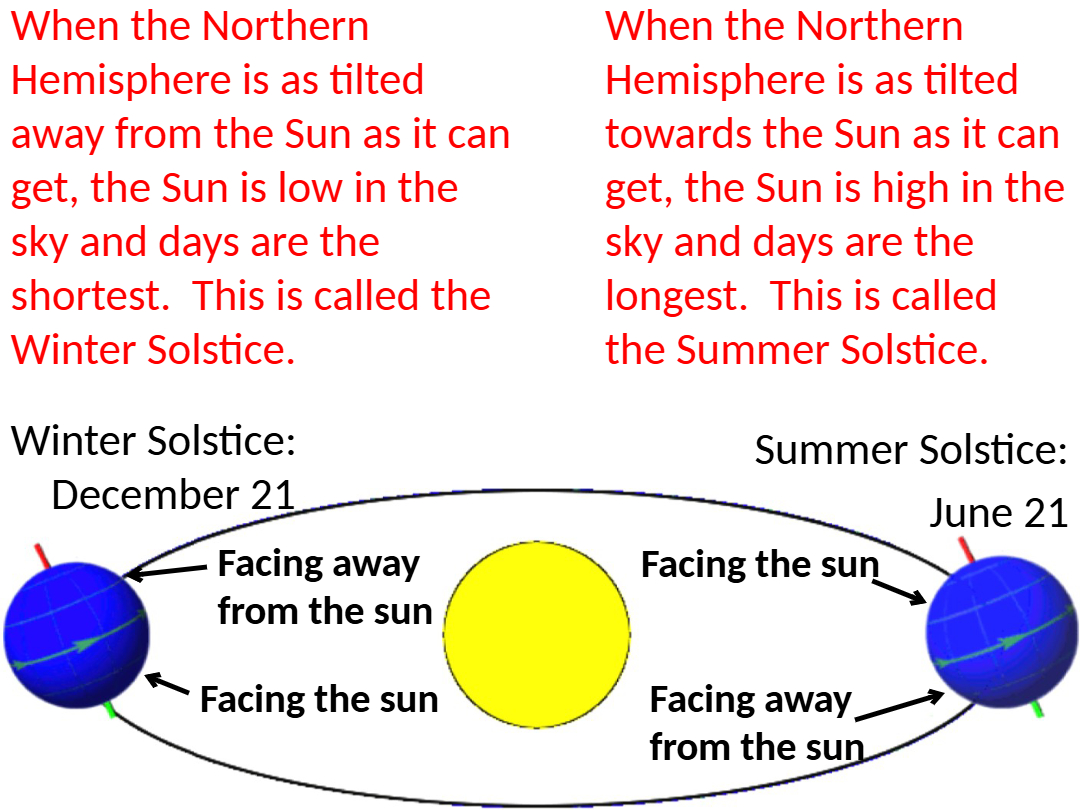
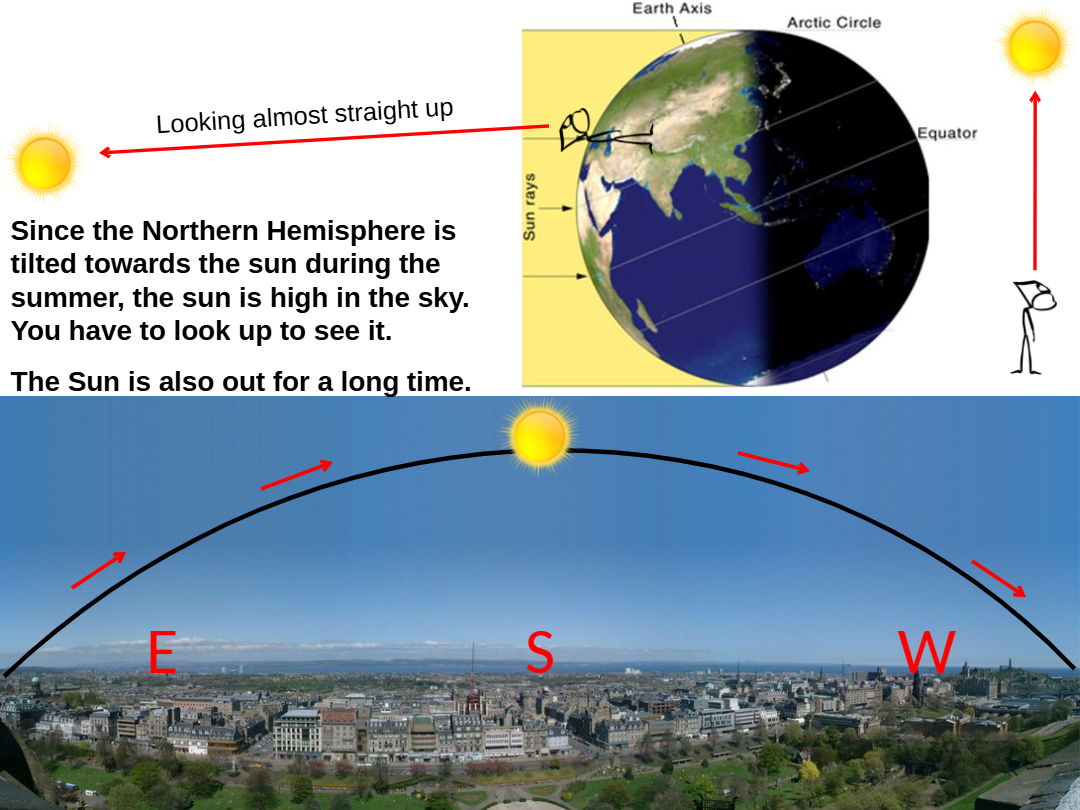
Compare the conditions of the Northern Hemisphere during the Winter Solstice and Summer Solstice. What are the main differences in sunlight and day length?
48
49
50
51
52

53

54

55

56

57

58

59

60
Open Ended
What causes the seasons?
Show answer
Auto Play
Slide 1 / 60
SLIDE
Similar Resources on Wayground

58 questions
Westward Expansion & The Mexican-American War
Presentation
•
8th Grade
56 questions
Earth's History
Presentation
•
8th Grade
56 questions
Earth History Systems
Presentation
•
8th Grade
54 questions
Electric Current and Magnetism
Presentation
•
8th Grade
56 questions
Marine life
Presentation
•
8th Grade
54 questions
U0: The Nature and Practice of Science
Presentation
•
7th Grade
55 questions
Age of Jackson- Jacksonian Democracy
Presentation
•
8th Grade
56 questions
Genetics Make-up Session
Presentation
•
7th Grade
Popular Resources on Wayground
21 questions
Continents and Oceans

Quiz
•
6th Grade
20 questions
Parts of Speech
Quiz
•
5th Grade
16 questions
Subject & Predicate
Quiz
•
5th Grade
25 questions
Multiplication Facts
Quiz
•
5th Grade
12 questions
Map Skills
Quiz
•
3rd Grade
22 questions
Continents and Oceans
Quiz
•
5th Grade
15 questions
Rounding Decimals
Quiz
•
5th Grade
20 questions
Brand Labels
Quiz
•
5th - 12th Grade
Discover more resources for Science
20 questions
Newton's Laws of Motion
Quiz
•
8th Grade
20 questions
Scientific Method and Variables
Quiz
•
8th Grade
20 questions
Scientific method and variables
Quiz
•
8th Grade
20 questions
Claim, Evidence and Reasoning (CER)
Quiz
•
6th - 8th Grade
21 questions
Newton's Laws of Motion
Quiz
•
8th Grade
20 questions
Elements, Compounds and Mixtures
Quiz
•
8th Grade
10 questions
Exploring Chemical and Physical Changes

Interactive video
•
6th - 10th Grade
26 questions
Force - Net Force, Balanced and Unbalanced Forces
Quiz
•
8th Grade