

Animal biology- Introduction to body systems

Presentation
•
Other
•
10th Grade
•
Practice Problem
•
Easy

Courtney Sweet
Used 2+ times
FREE Resource
11 Slides • 8 Questions
1
Animal Biology:
Introduction to Body Systems
By Courtney Sweet

2
Introduction & Objectives
Understanding why biology matters in animal care.
To Identify the three main functions of the skeletal system: support, protection, and movement.
Be able to Describe the basic path food takes through the digestive system, from mouth to waste.
To Explain how understanding these systems helps in routine animal care, such as spotting pain or choosing the right diet.
3
Multiple Choice
What is Animal biology?
4
The Skeletal System- The body's framework.
The key functions of the skeleton:
Support-It acts as a rigid frame that holds the body up and gives the animal its shape.
Protection- Hard bone protects soft, vital organs (e.g., the skull protects the brain).
Movement- Muscles pull on bones at the joints to allow the animal to walk, run, and jump.


5
Major Bones & Components
Bones: Hard structures that make up the skeleton.
Joints: Places where two bones meet to allow movement.
Skull: Protects the brain.
Ribs: Protect the heart and lungs.
Spine (Vertebrae): Protects the spinal cord and connects to the tail
Femur: The large thigh bone in the hind leg.

6
Multiple Choice
What bone protects the brain?
7
Match
Match the following
Ribs
Spine
Femur
Skull
Protects the lungs and heart
Protects the spinal cord
The large thigh bone in the hind leg
Protects the brain
Protects the lungs and heart
Protects the spinal cord
The large thigh bone in the hind leg
Protects the brain
8
Why do we observe movement? A change in how an animal walks (limping, stiffness, or reluctance to jump) is often the first sign of pain or injury in the skeletal system.
Care Check
Different animals have different skeletal structures adapted to their lives. Cats have flexible spines for agility, while dogs have legs built for endurance running.
How They Move
Locomotion & Health Checks


9
Drag and Drop
10
11
The Digestive System- Energy and Nutrients.
The Path of Food
1. Mouth- Chewing and mixing with saliva. -------->2. Oesophagus- The tube carrying food to the stomach.--------->3.Stomach
Breaking down food with acid. ---------> 4.Intestines- Absorbing nutrients and water.--------->5. Anus- Waste leaves the body.


12
Diet: Plant-eaters.
System: Have a long, complex digestive tract to break down tough plant fibre.
Care Tip: Need constant fibre (hay) to keep their gut moving and healthy.
Herbivores (e.g., Rabbits)
Diet: Meat-eaters.
System: Have a shorter, simpler digestive tract because meat is easier to digest than plants.
Care Tip: Cannot survive on a vegetarian diet; they need specific nutrients found only in meat.
Carnivores (e.g., Cats)
Dietary Differences


13
Categorize

Dog

Cat

Lion

Cheetah

Rabbit
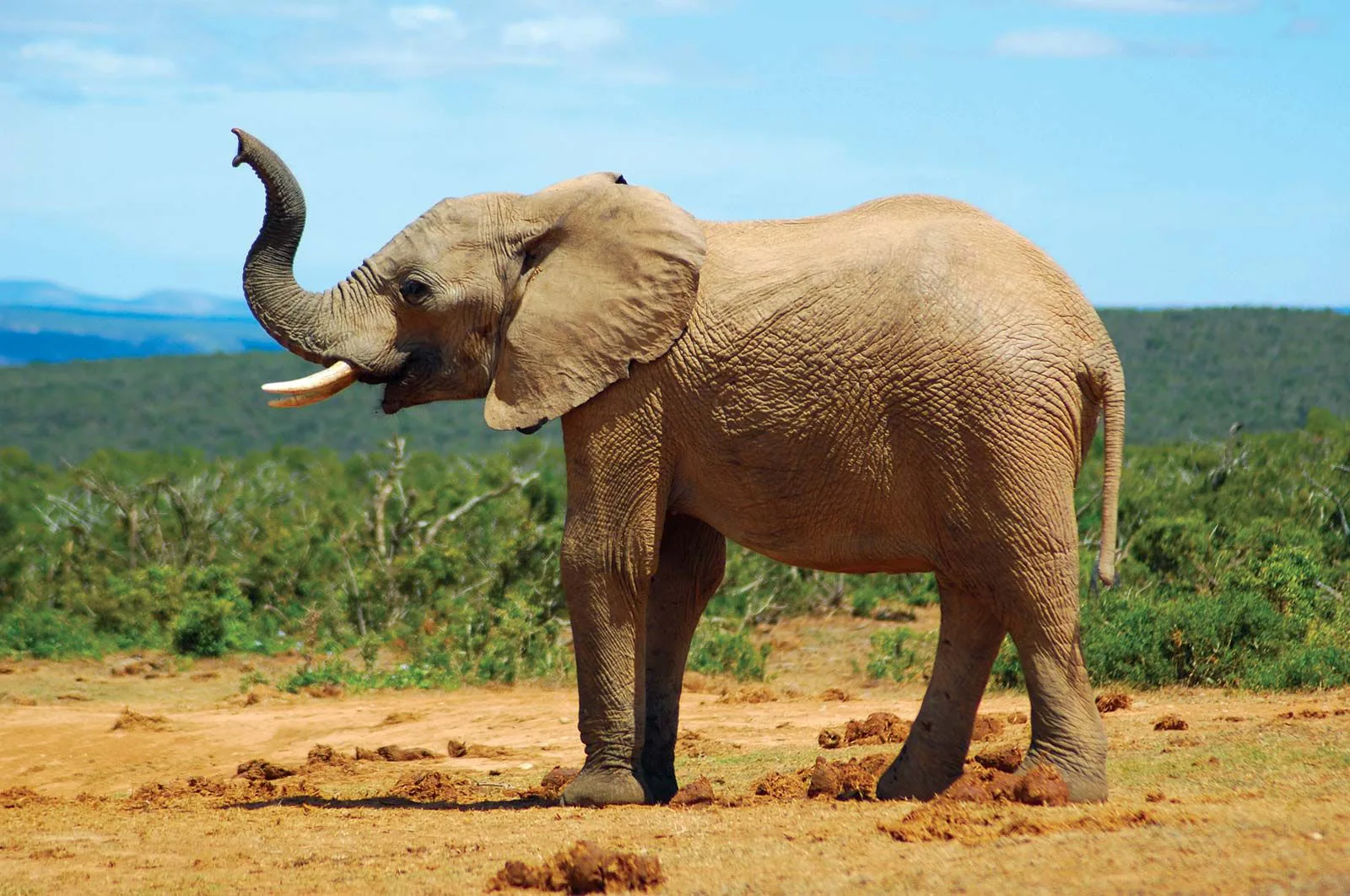
Elephant
Goat

Cow

Sheep
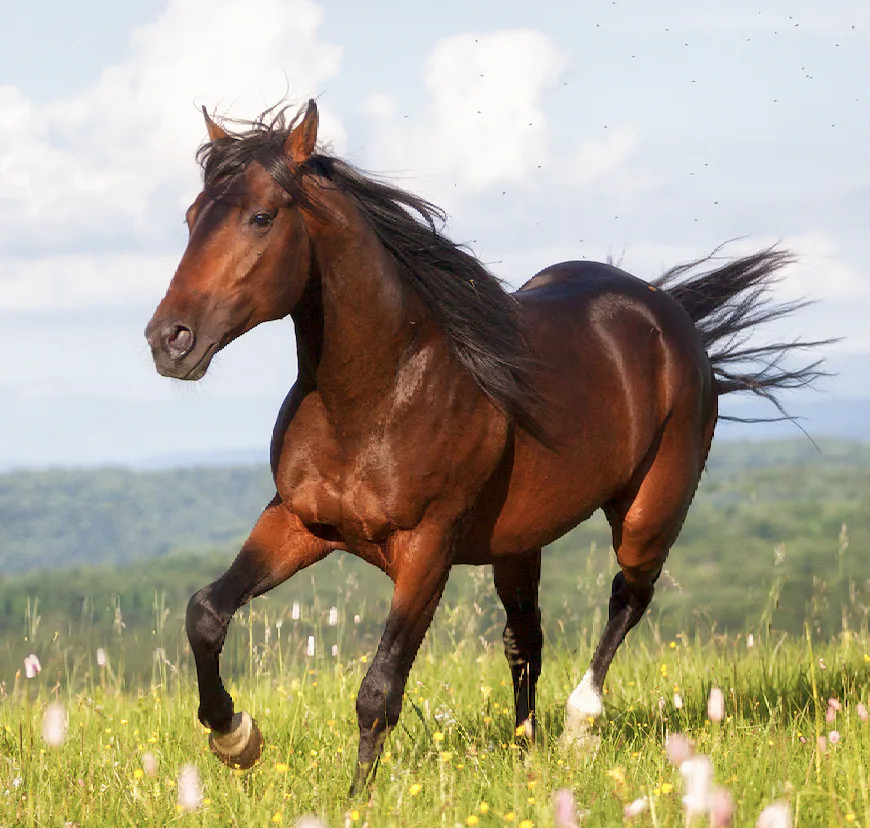
Horse

Deer

Giraffe

Tiger

Wolf

Hyena

Bear

Alligator

Falcon
Put the animal into the correct category
14
Multiple Choice
What is a Carnivore?
15
Multiple Choice
What is easier to digest?
Plant
Meat
16
Reorder
Reorder the following in the correct order for the path of food in the Digestive system
Mouth
Oesophagus
Stomach
Intestines
Anus
17
Signs of Digestive Health
Healthy Signs :)
Good appetite and eagerness to eat.
Firm, well-formed faeces.
Maintained weight.
Warning Signs :(
Vomiting or diarrhoea.
Refusal to eat (Anorexia).
Weight loss or a swollen belly.
18
Task time!
Create a list of 10 carnivores and 10 omnivores
Pick one of the omnivores and one of the carnivores and create a fact sheet with a picture of their skeletons and digestive track, then label the bones and digestive organs- you can use your computers to find pictures to copy.
Write a few facts about each animal underneath e.g breed, lifespan, what it eats (diet)

19
Lesson Summary
Framework
The skeletal system provides support, protection, and enables movement.
Fuel
The digestive system breaks down food to power the body, differing between species.
Observation
Monitoring movement and appetite are key daily tasks for animal carers.


Animal Biology:
Introduction to Body Systems
By Courtney Sweet
Show answer
Auto Play
Slide 1 / 19
SLIDE
Similar Resources on Wayground

14 questions
Properties of Ionic Compounds
Presentation
•
10th Grade
14 questions
ENGLISH
Presentation
•
10th Grade
15 questions
Pasado simple verbo TO BE.
Presentation
•
10th Grade
15 questions
Dehydration Synthesis and Hydrolysis
Presentation
•
10th Grade
15 questions
Supplementary & Complementary Angles
Presentation
•
10th Grade
16 questions
Nationalism In Europe
Presentation
•
10th Grade
14 questions
Preposition or Adverb?
Presentation
•
10th Grade
14 questions
EXERCISE VS DIET
Presentation
•
10th Grade
Popular Resources on Wayground
6 questions
Secondary Safety Quiz
Presentation
•
9th - 12th Grade
10 questions
MyPath Diagnostic Overview
Presentation
•
6th - 8th Grade
20 questions
Lab Safety Quiz

Quiz
•
6th Grade
21 questions
Continents and Oceans
Quiz
•
6th Grade
20 questions
Adding and Subtracting Decimals
Quiz
•
5th Grade
20 questions
Parts of Speech
Quiz
•
5th Grade
16 questions
Subject & Predicate
Quiz
•
5th Grade
21 questions
Lab Safety
Quiz
•
10th Grade
Discover more resources for Other
6 questions
Secondary Safety Quiz
Presentation
•
9th - 12th Grade
21 questions
Lab Safety
Quiz
•
10th Grade
10 questions
Fact Check Ice Breaker: Two truths and a lie
Quiz
•
5th - 12th Grade
20 questions
Bloom Day School Community Quiz
Quiz
•
10th Grade
20 questions
Characteristics of Life
Quiz
•
9th - 10th Grade
9 questions
Scientific method

Interactive video
•
9th - 12th Grade
10 questions
Lab Safety Essentials
Interactive video
•
6th - 10th Grade
20 questions
Flinn Lab Safety Quiz
Quiz
•
9th - 12th Grade