Search Header Logo
Unit 2: Skeletal System Revision

Unit 2: Skeletal System Revision

Assessment

Presentation

•

Physical Ed

•

11th Grade

•

Practice Problem

•

Hard

Created by

Jade Burke

Used 3+ times

FREE Resource

30 Slides • 24 Questions

1

media

2

media

3

media

4

media

5

media

6

media

7

media

8

media

9

media

10

media

11

Fill in the Blanks

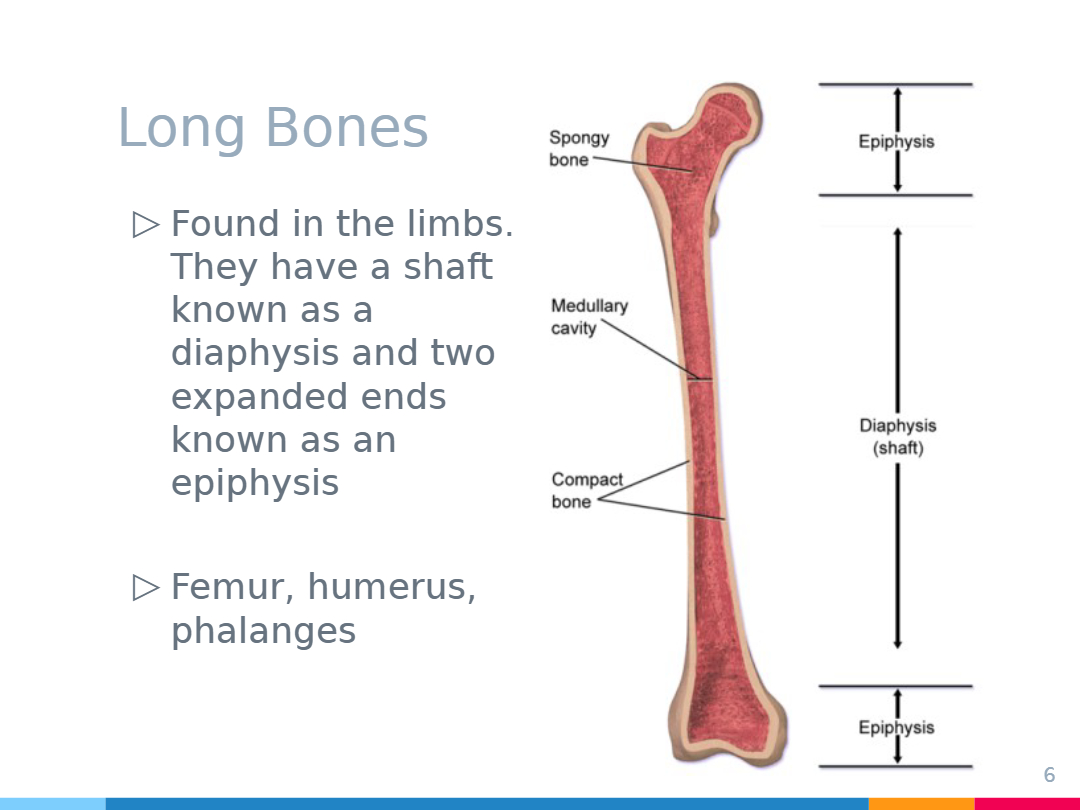
The shaft of a long bone is called the

.

12

Multiple Choice

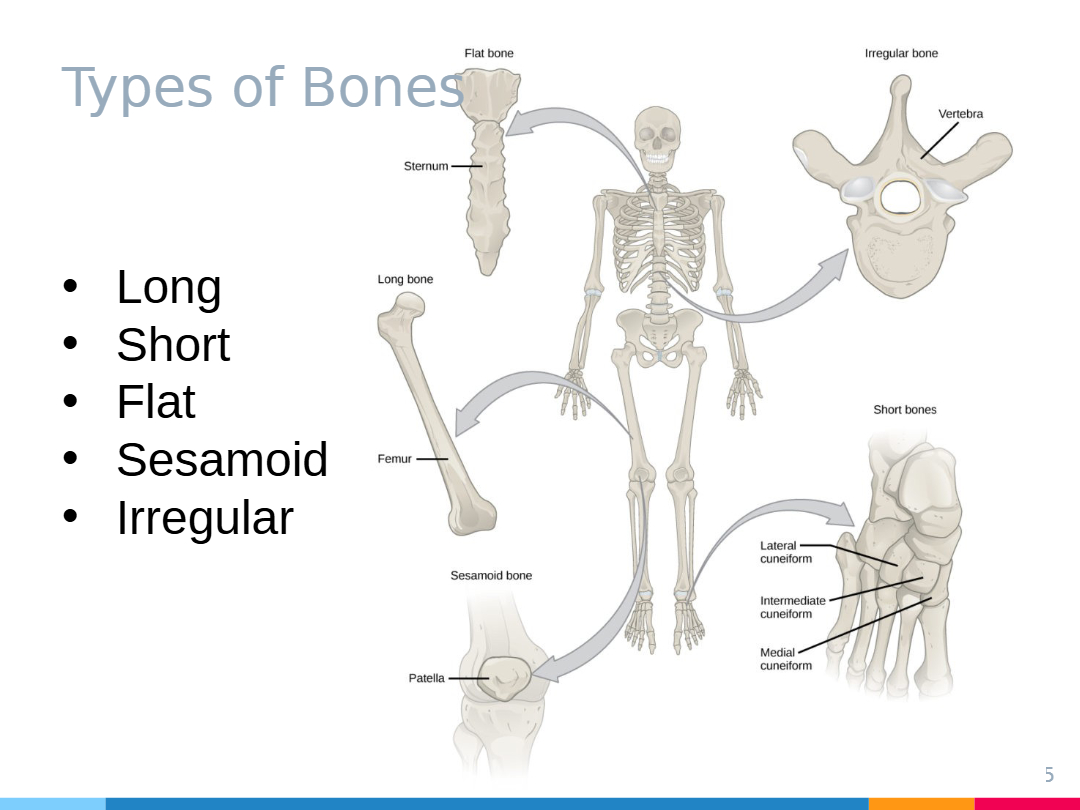
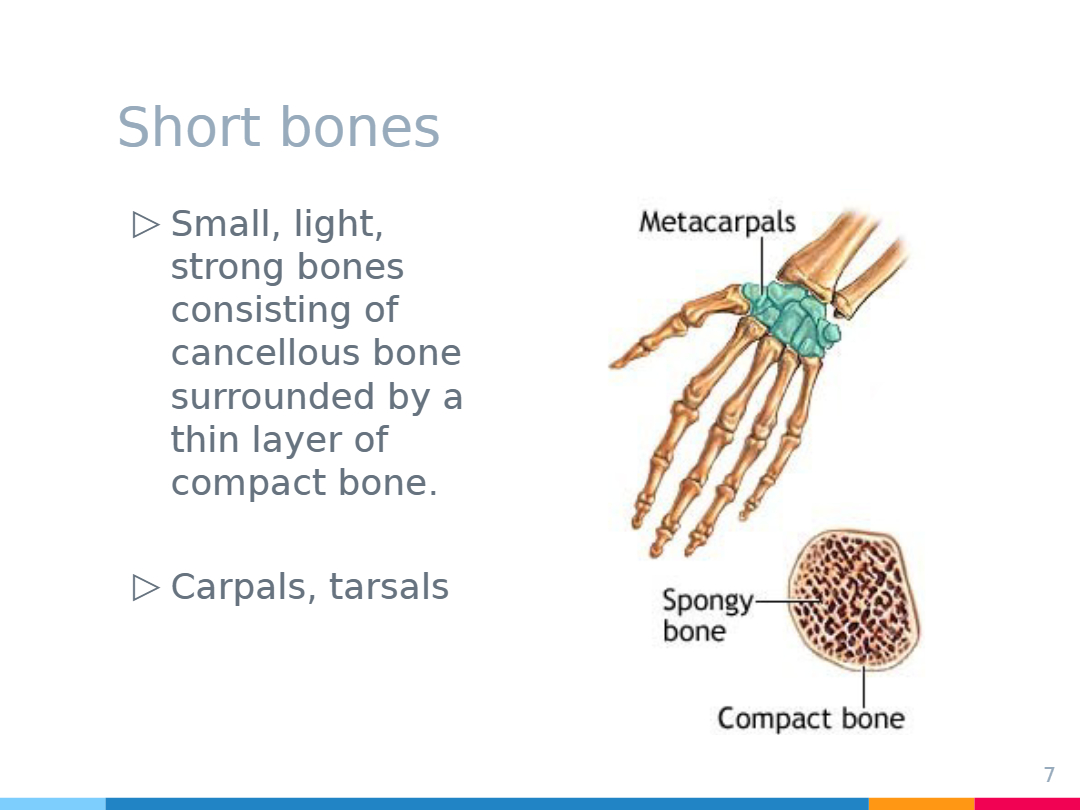
Which type of bone is characterized by being small, light, and strong, consisting of cancellous bone surrounded by a thin layer of compact bone?

1

Short bone

2

Long bone

3

Flat bone

4

Irregular bone

13

Open Ended

Explain the structural differences between long bones and short bones.

14

Multiple Choice

Which of the following bones is classified as a long bone?

1

Femur

2

Cranium

3

Sternum

4

Scapula

15

Open Ended

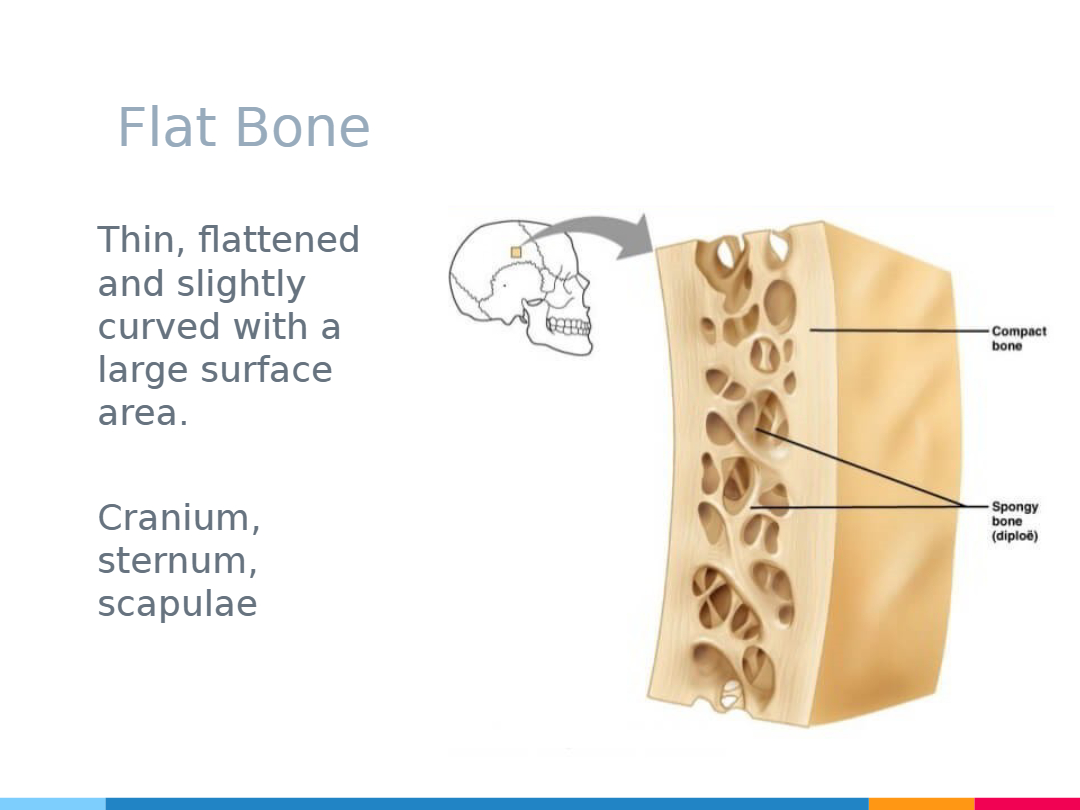
Describe the function and location of spongy bone in flat bones.

16

Multiple Select

Select all bones that are considered flat bones.

1

Cranium

2

Femur

3

Sternum

4

Scapula

17

Multiple Choice

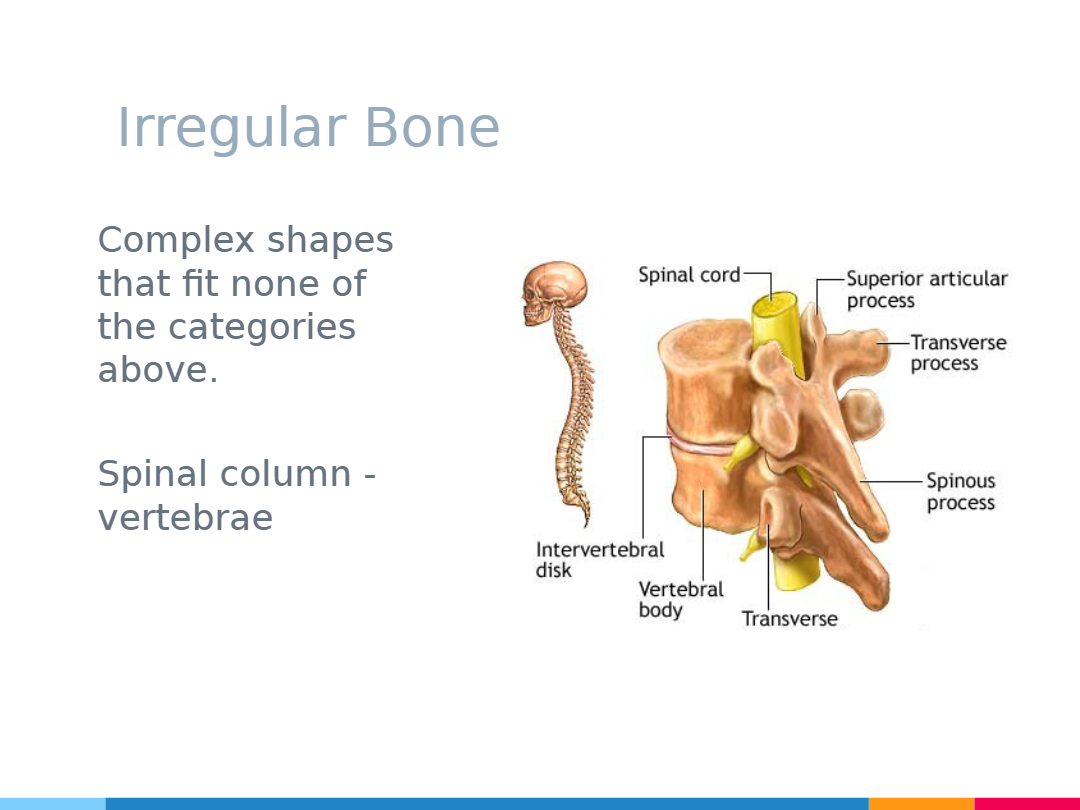
Which type of bone is found in the spinal column and is characterized by complex shapes that fit none of the standard bone categories?

1

Irregular bone

2

Sesamoid bone

3

Long bone

4

Flat bone

18

Open Ended

Explain how sesamoid bones contribute to joint function and movement.

19

media

20

Multiple Select

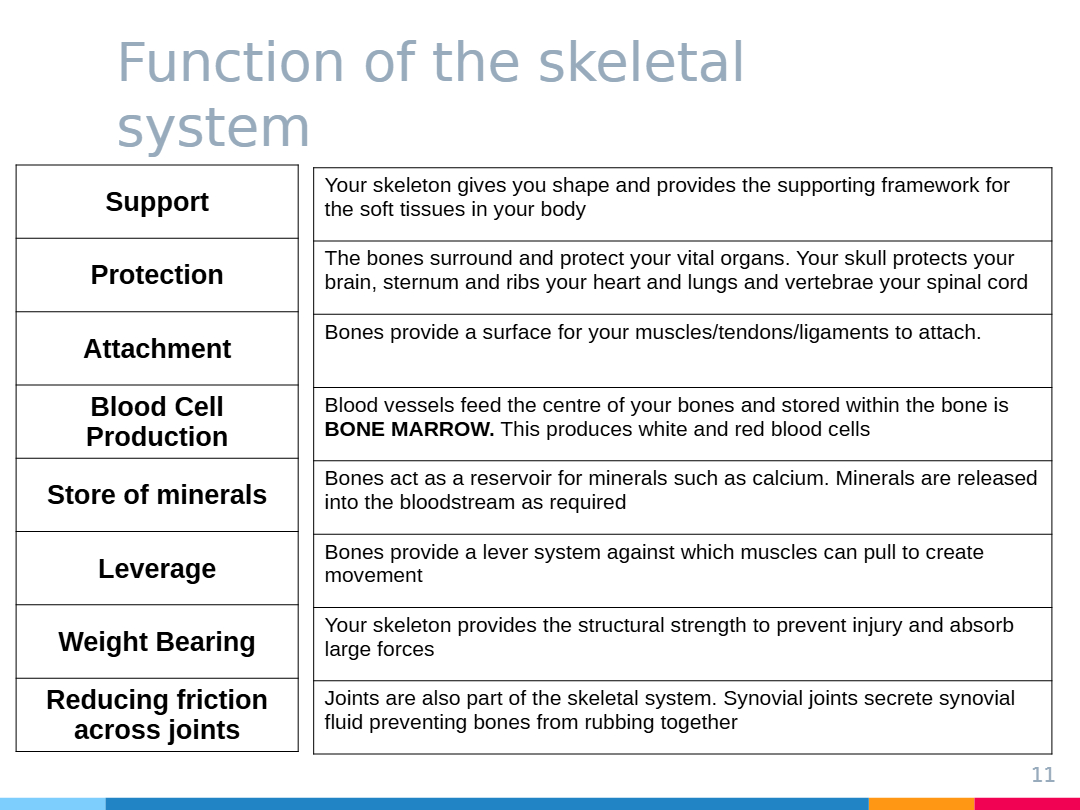
Which of the following are functions of the skeletal system?

1

Support

2

Blood Cell Production

3

Store of minerals

4

Digestion

21

media

22

media

23

media

24

Fill in the Blanks

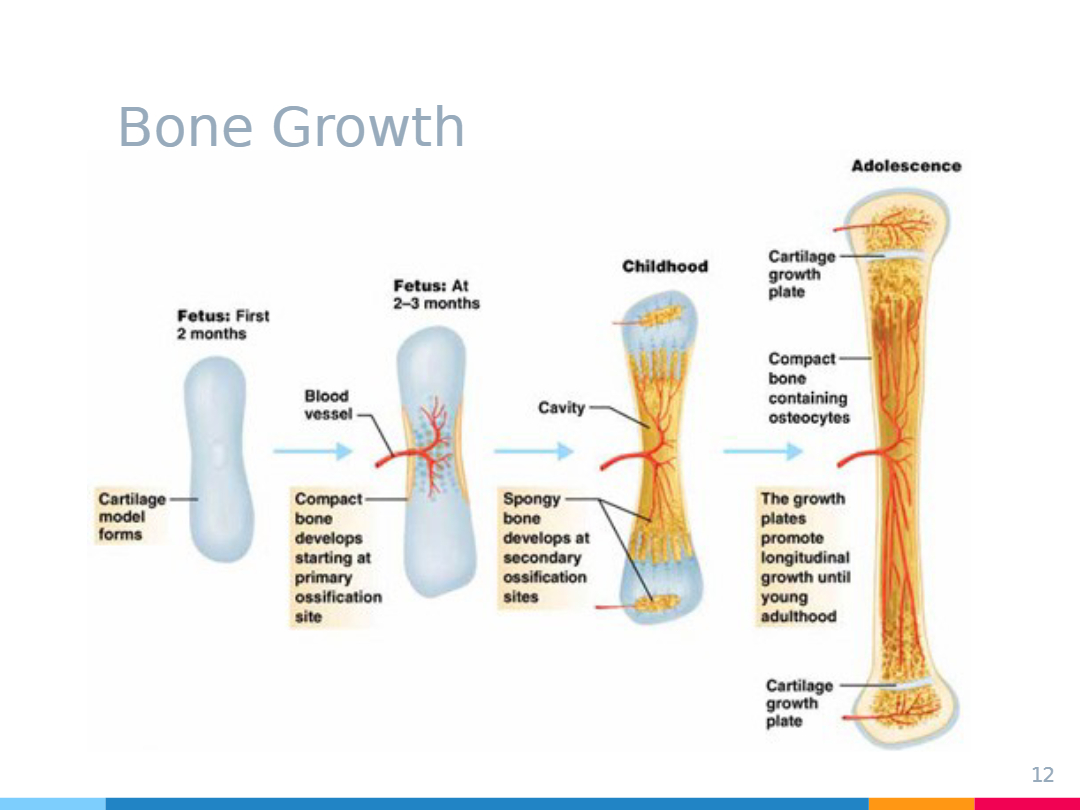
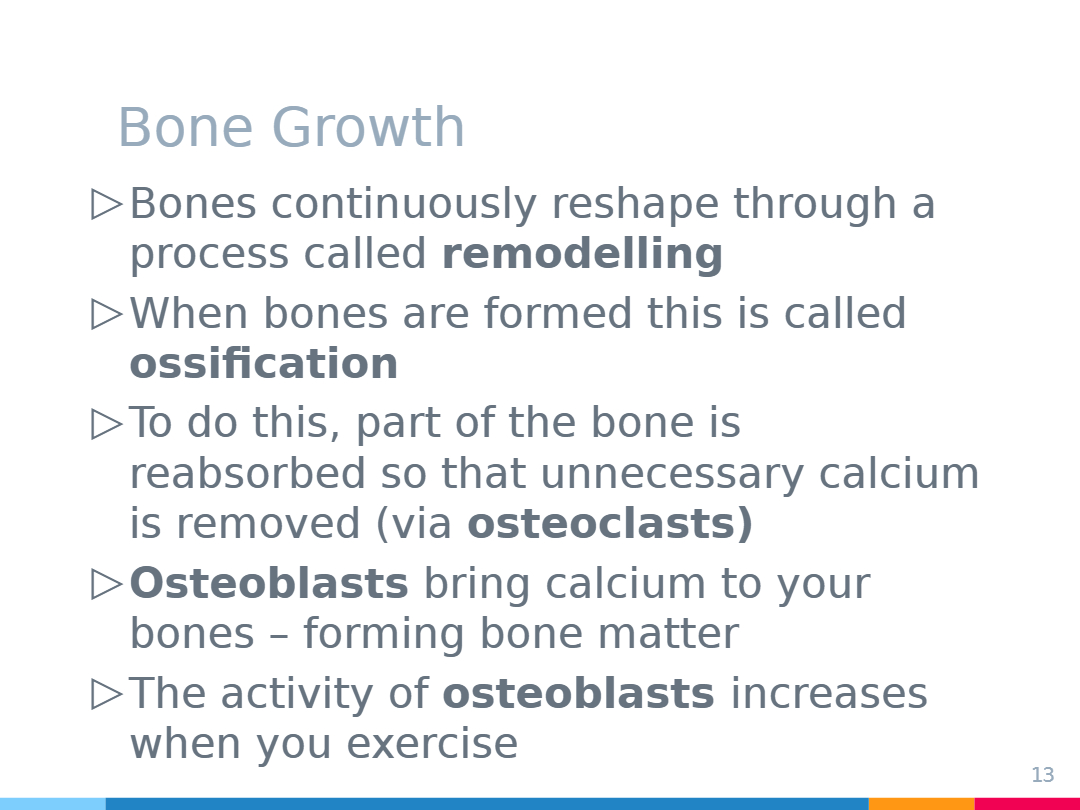
The process by which bones are formed is called

.

25

Fill in the Blanks

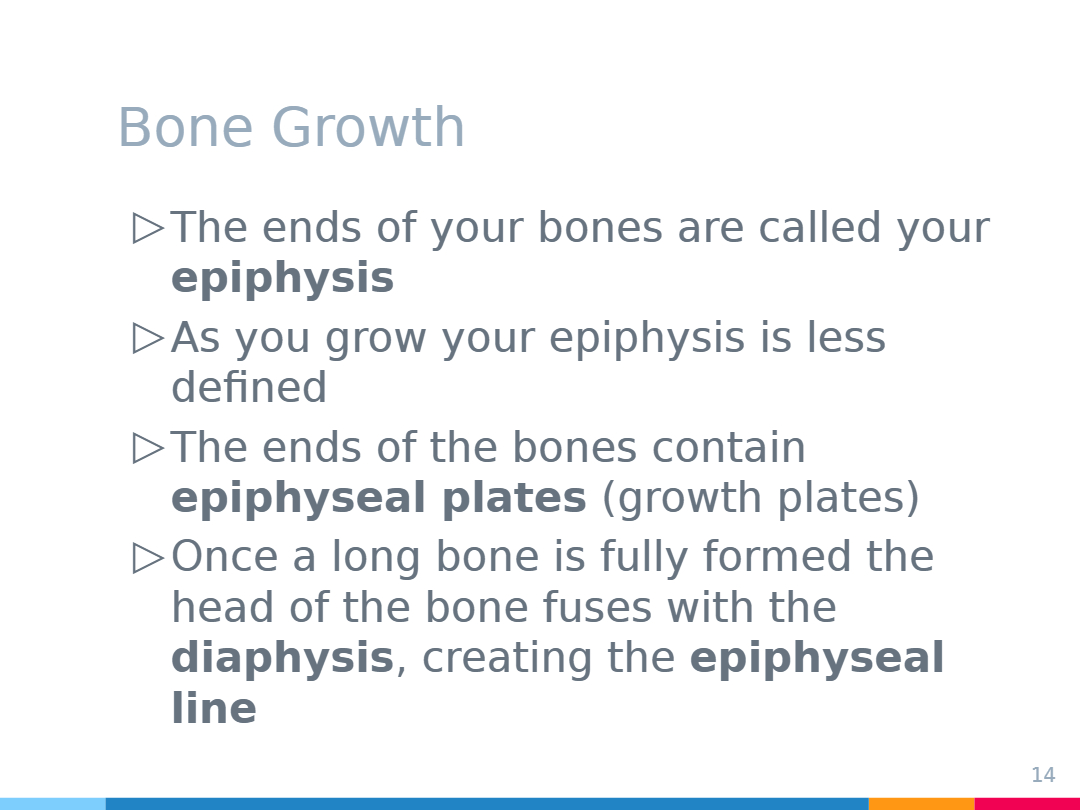
The ends of your bones are called

.

26

Open Ended

Describe the changes that occur in bone structure from fetal development to adolescence.

27

media

28

media

29

Multiple Choice

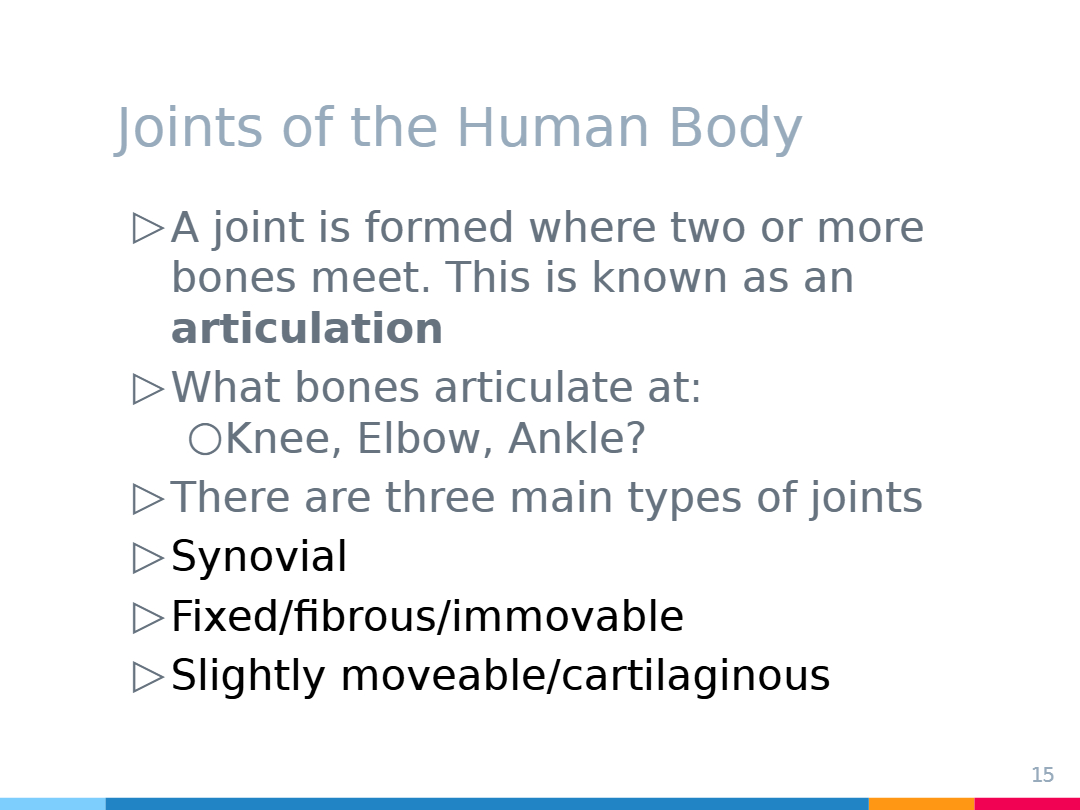
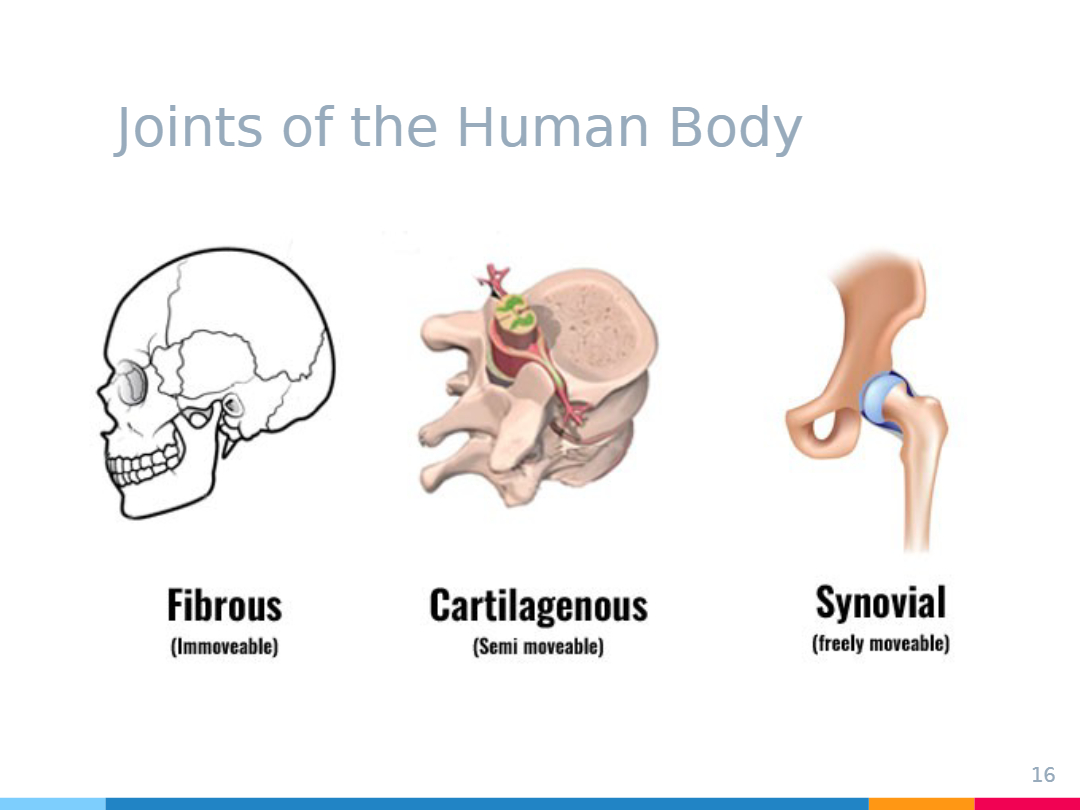
Which type of joint in the human body is freely moveable?

1

Fibrous

2

Cartilaginous

3

Synovial

4

Fixed

30

media

31

media

32

media

33

media

34

media

35

media

36

media

37

media

38

media

39

media

40

media

41

Fill in the Blanks

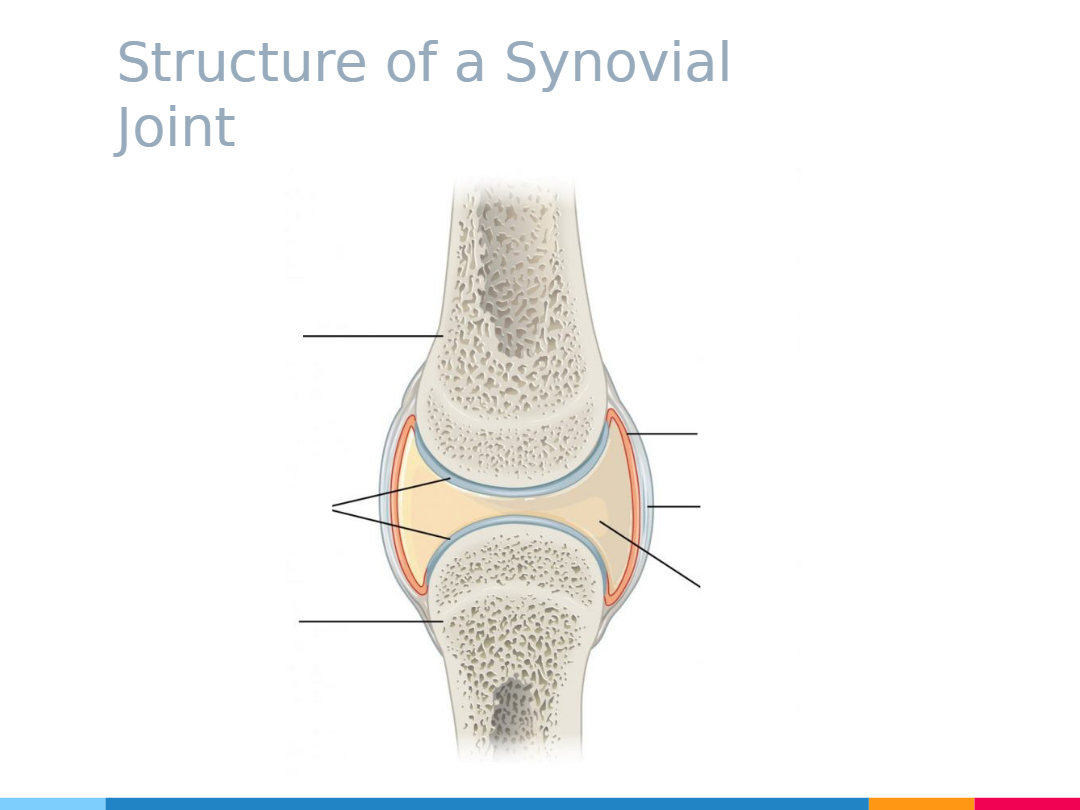
The structure of a synovial joint includes the synovial cavity, articular cartilage, and

.

42

Multiple Choice

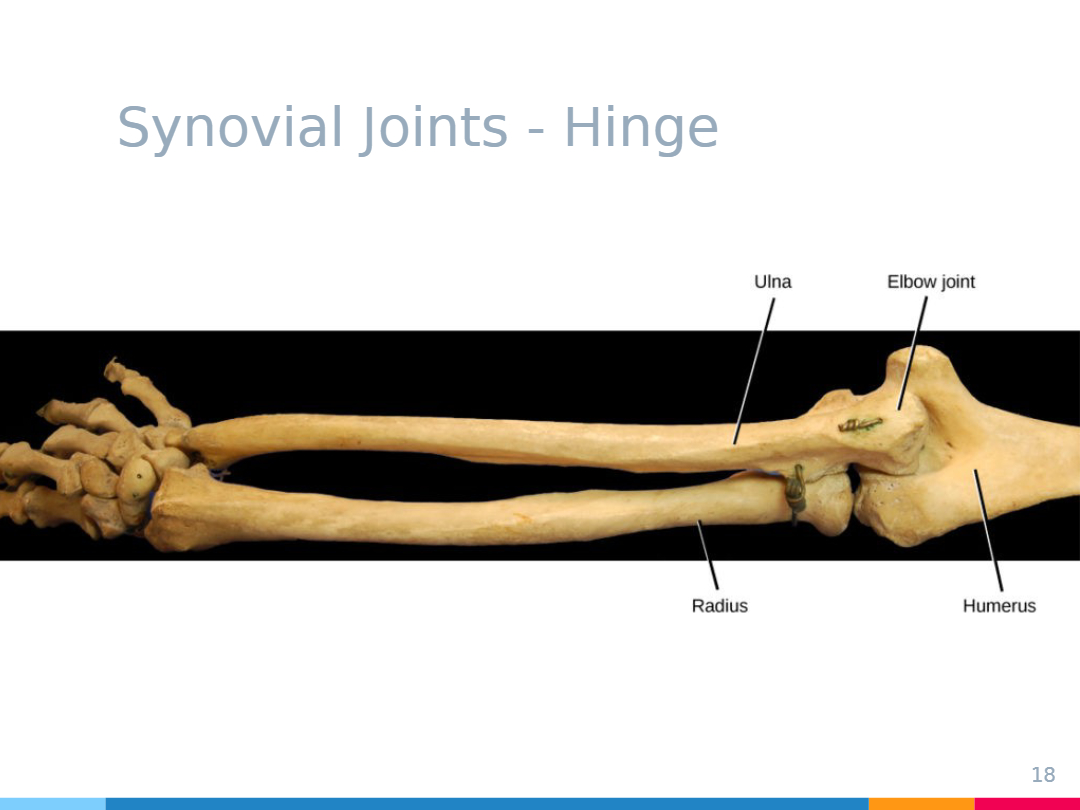
Which of the following bones are involved in forming the elbow joint?

1

Ulna and Radius

2

Humerus and Scapula

3

Femur and Tibia

4

Clavicle and Humerus

43

Multiple Select

Which of the following are features of synovial joints?

1

Presence of synovial fluid

2

Immovable structure

3

Articular cartilage

4

Freely moveable

44

Multiple Choice

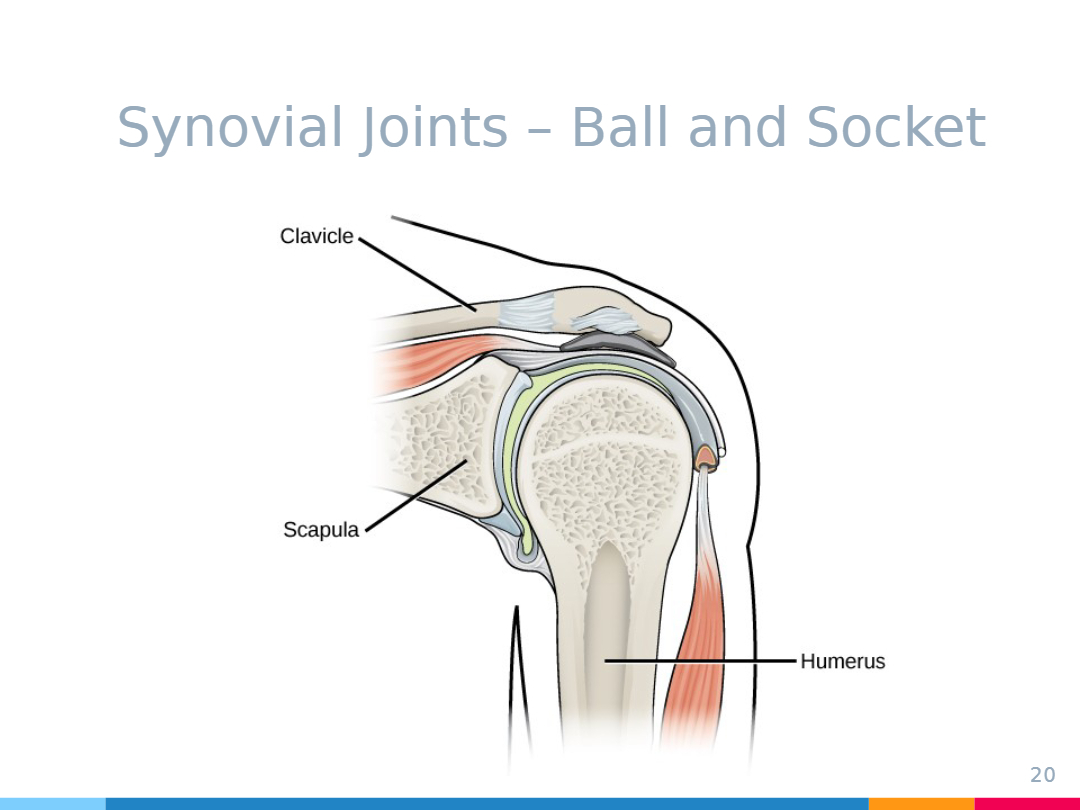
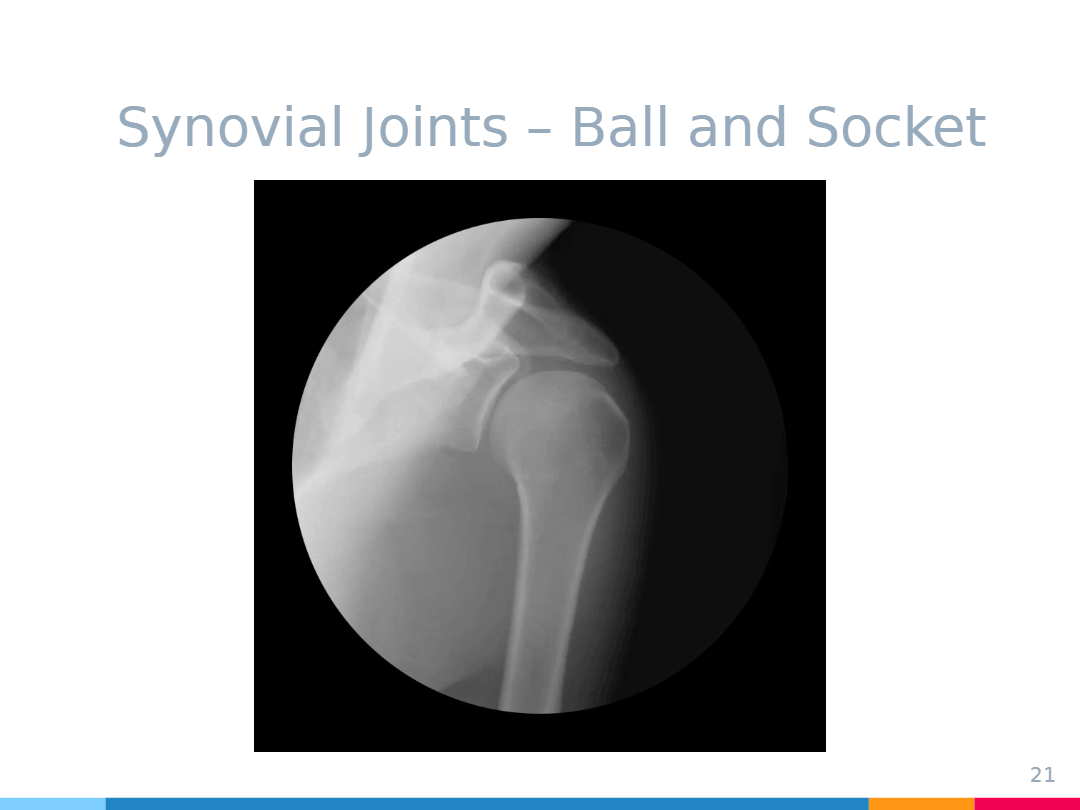
Which type of synovial joint allows for the greatest range of movement?

1

Ball and socket joint

2

Condyloid joint

3

Gliding joint

4

Pivot joint

45

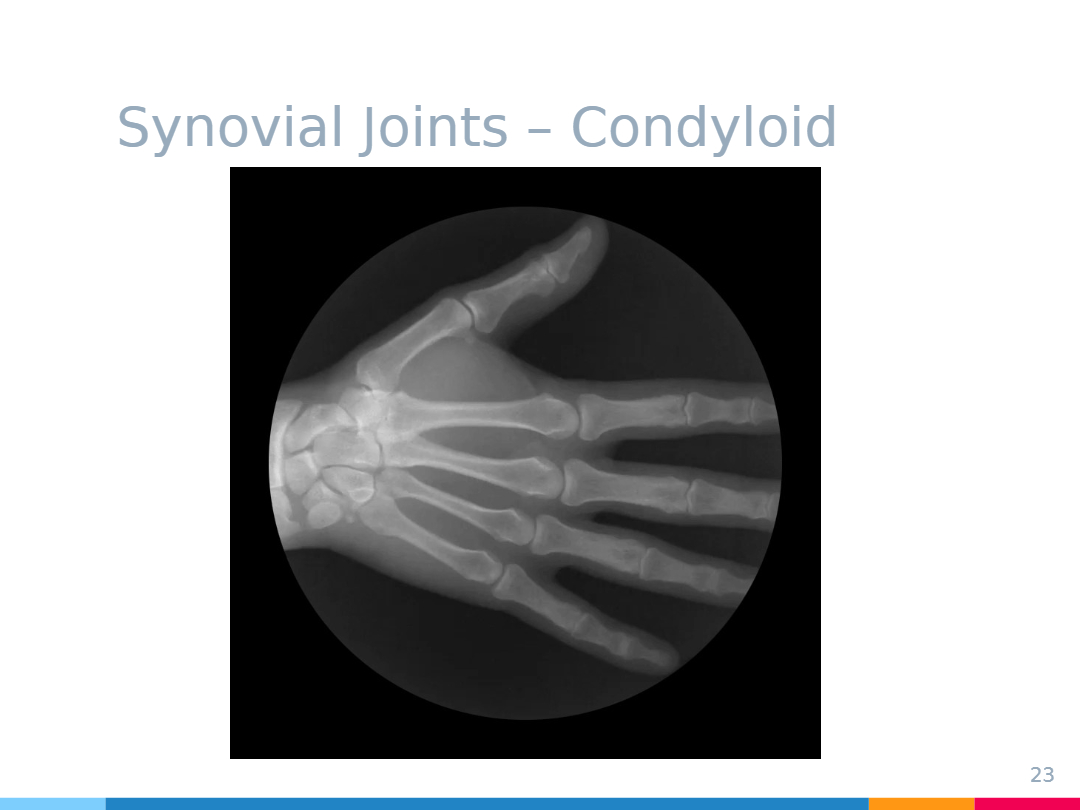
Multiple Choice

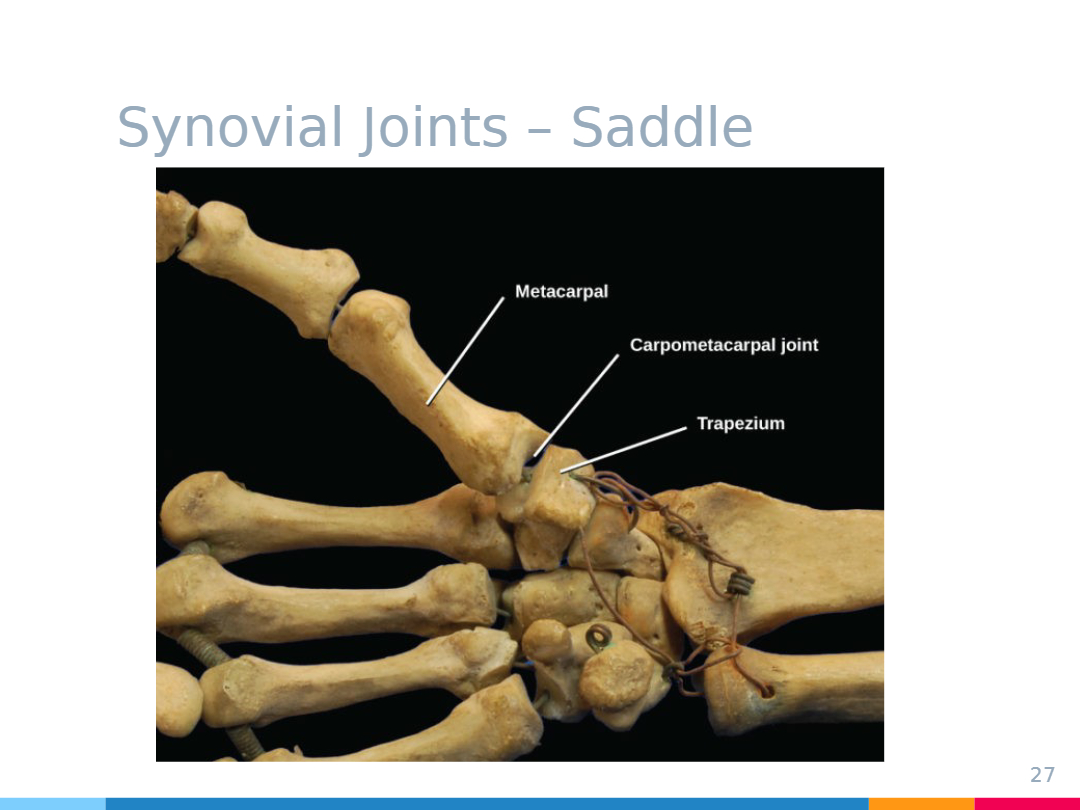
Which bones are involved in the condyloid joint of the hand as shown in the images?

1

Metacarpals and phalanges

2

Radius and ulna

3

Carpals and metacarpals

4

Tibia and fibula

46

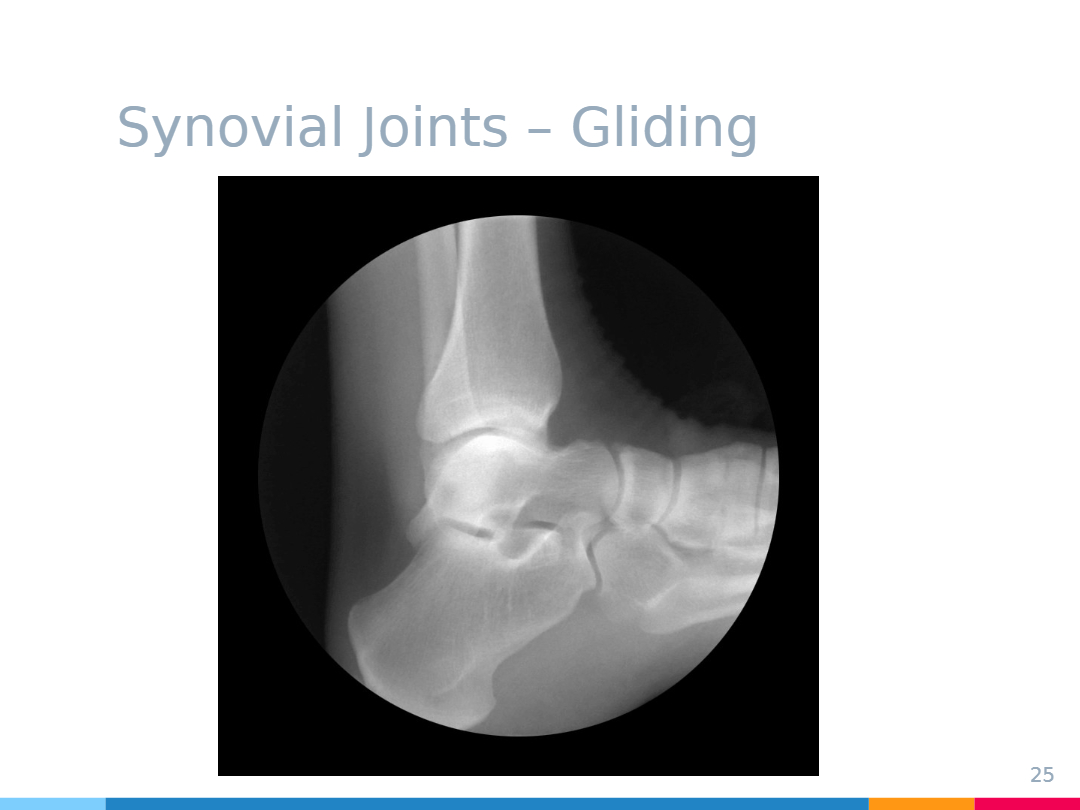
Multiple Select

Select all the correct statements about gliding joints based on the images.

1

They allow bones to slide past each other.

2

They are found in the carpals of the wrist.

3

They permit rotational movement only.

4

They are a type of synovial joint.

47

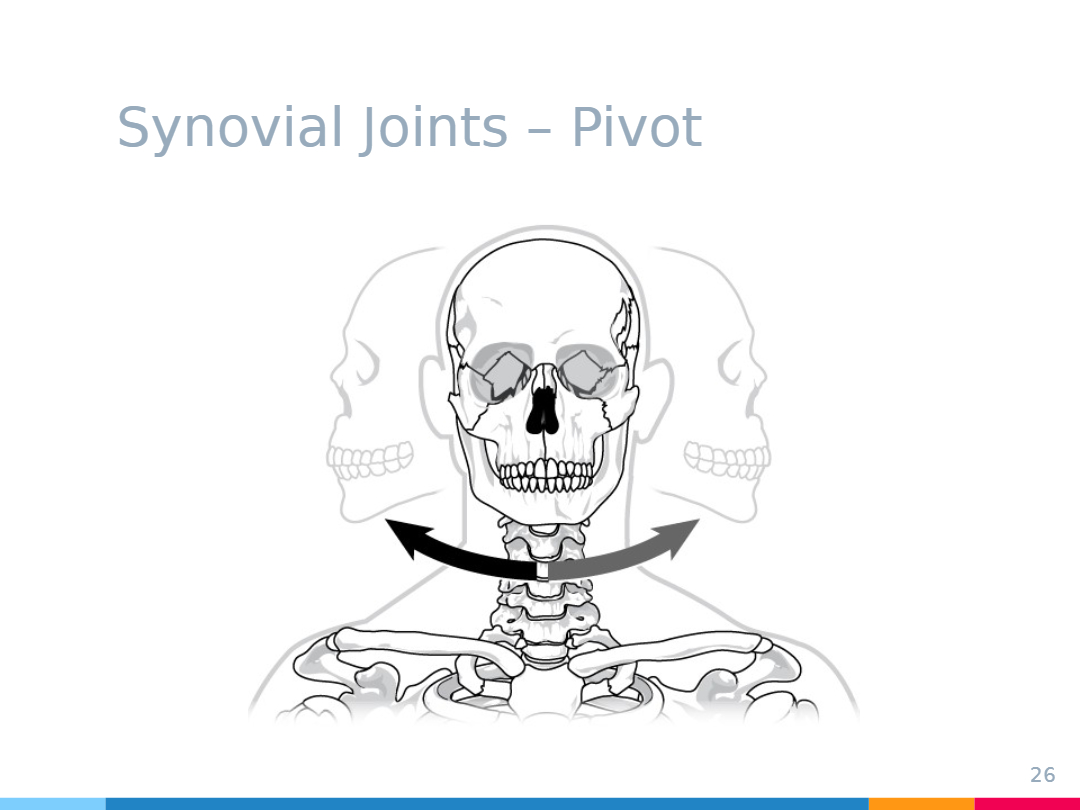
Fill in the Blanks

The joint that allows the head to rotate from side to side is called the

joint.

48

Open Ended

Describe how the structure of a ball and socket joint allows for a greater range of movement compared to a hinge joint.

49

Open Ended

Explain how the structure of the ball and socket joint contributes to its function in the human body.

50

Open Ended

Compare the movement allowed by condyloid joints and gliding joints. How do their structures relate to their functions?

51

media

52

media

53

media

54

Open Ended

Reflecting on today's lesson about the anatomy of the skeletal system, what is one question you still have or one concept you would like to explore further?

pattern-tertiary
media

Show answer

Auto Play

Slide 1 / 54

SLIDE