Search Header Logo
Covalent bonds (properties and drawing)

Covalent bonds (properties and drawing)

Assessment

Presentation

Chemistry

10th Grade

Practice Problem

Easy

NGSS
HS-PS1-1, HS-PS1-4, HS-PS1-2

+1

Standards-aligned

Created by

Eric Peterson

Used 1+ times

FREE Resource

22 Slides • 22 Questions

1
media

2

Reminder

This is a learning tool, so you can go back on slides and get information if you don't know the answers

3

media

4

Multiple Choice

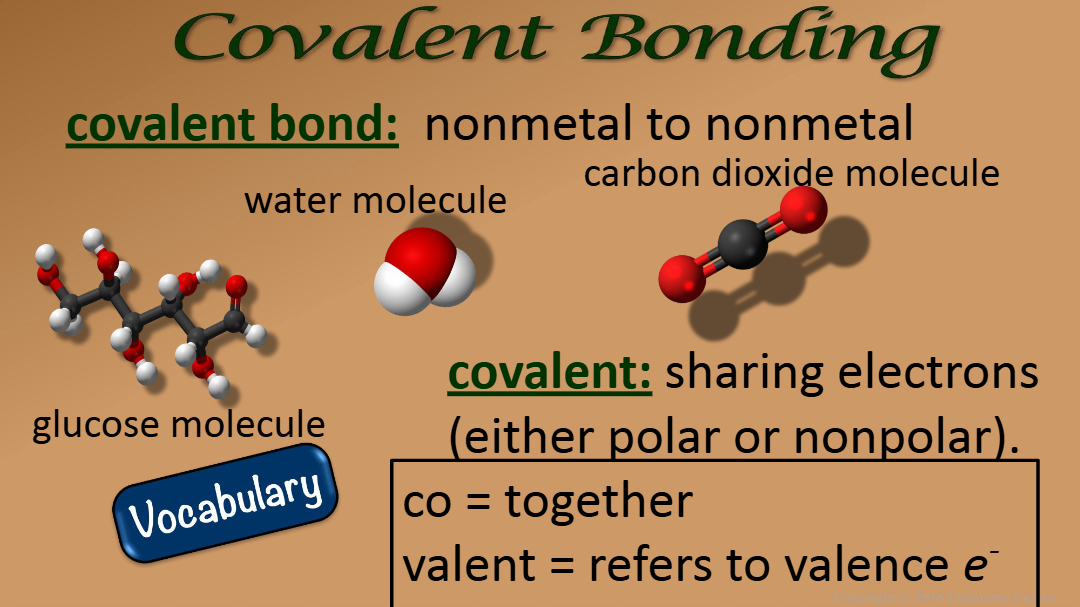
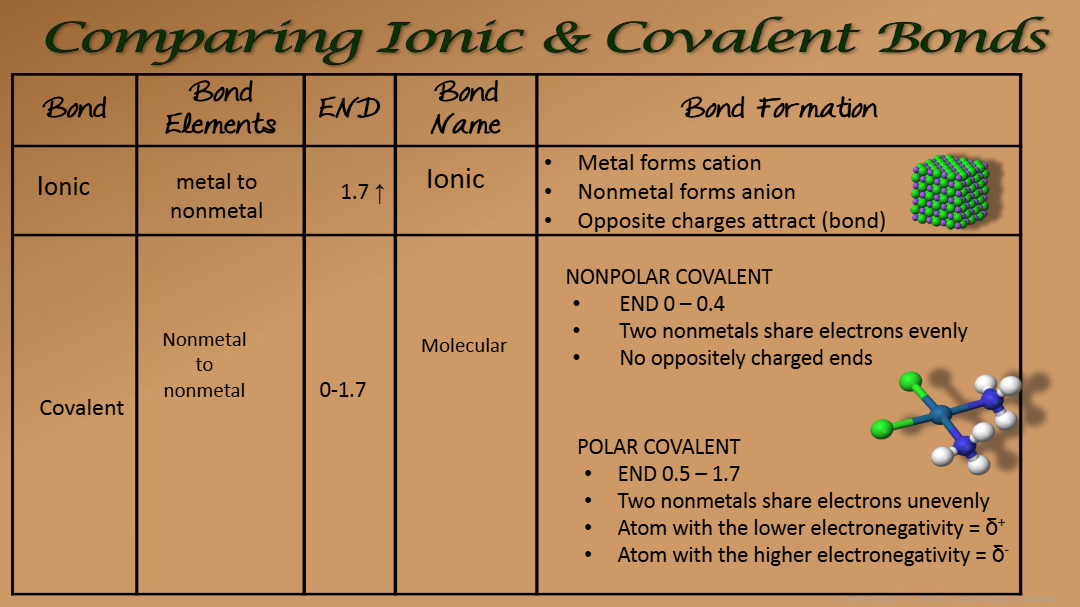
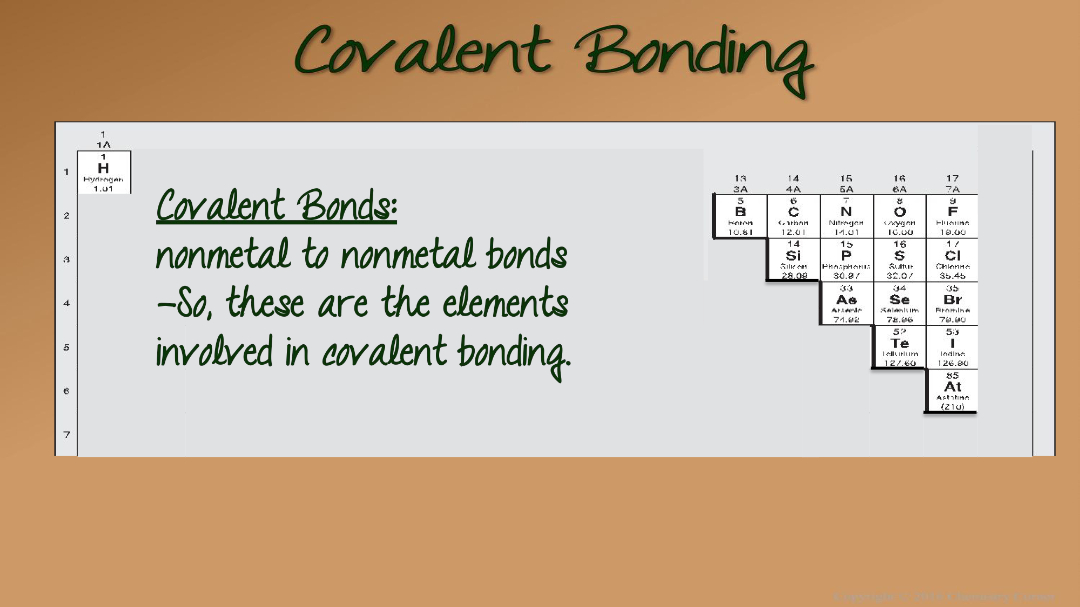
Which of the following best describes a covalent bond?

1

A bond between a metal and a nonmetal

2

A bond formed by sharing electrons between nonmetals

3

A bond formed by transferring electrons

4

A bond found only in ionic compounds

5

media

6

media

7

Open Ended

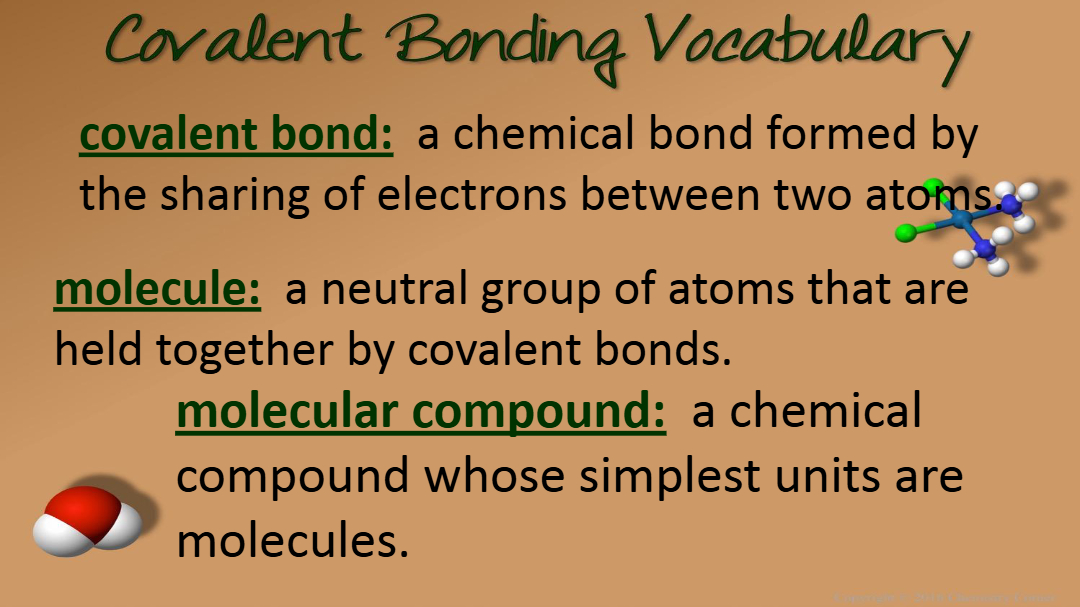
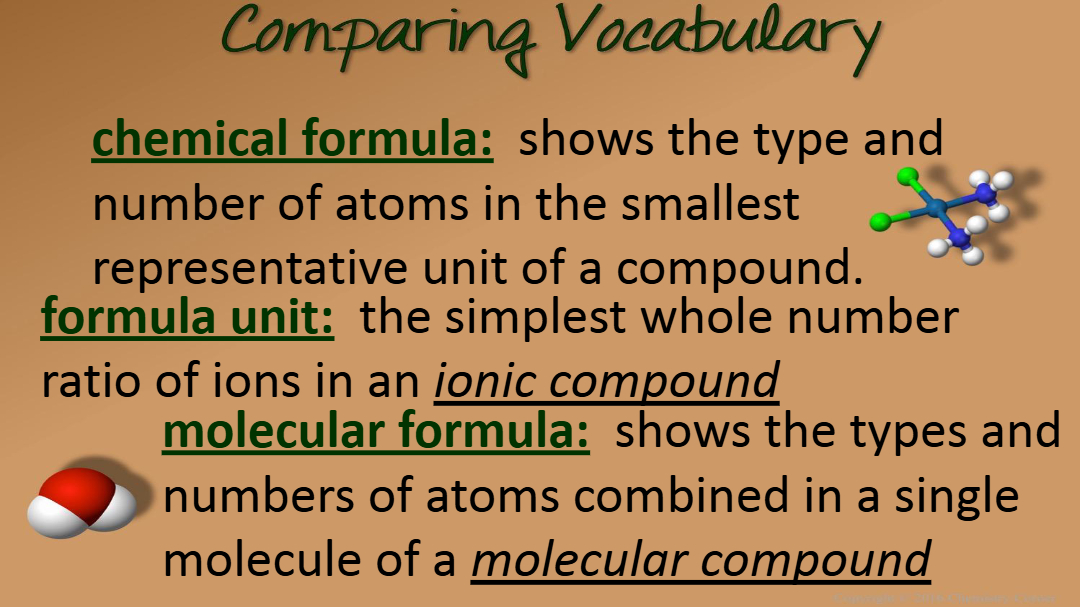
Explain the difference between a molecular compound and a formula unit, using examples from the vocabulary provided.

8

Multiple Choice

Question image

You have a compound that does NOT melt on the hot plate and is a GOOD conductor of electricity when dissolved in water. Which type of compound is it?

1

Ionic

2

Molecular (Covalent)

3

Metallic

9

Categorize

Options (6)

Arranged in crystalline solids

High melting and boiling points

Can conduct electricity when dissolved in water

Makes liquids or gases

Low melting and boiling point

Cannot conduct electricity

Organize these options into properties of ionic compounds or properties of covalent compounds

Ionic Compounds
Covalent Compounds

10

media

11

Multiple Select

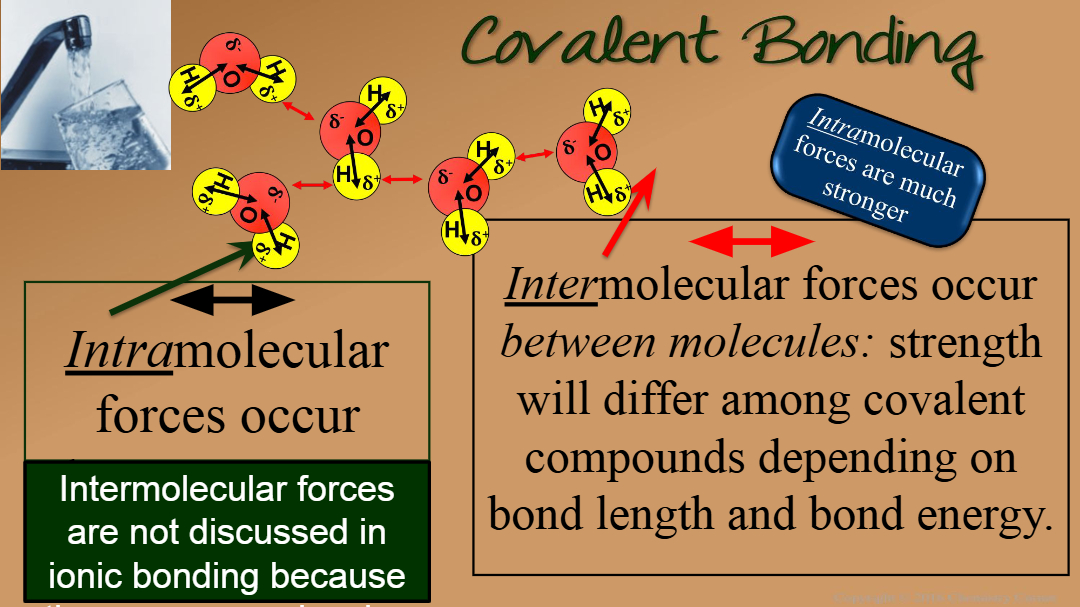
Which of the following statements are true about intermolecular and intramolecular forces?

1

Intramolecular forces occur within molecules

2

Intermolecular forces occur between molecules

3

Intramolecular forces are weaker than intermolecular forces

4

Intermolecular forces are discussed in ionic bonding

12

media

13

Fill in the Blanks

Type answer...

14

media

15

media

16

Open Ended

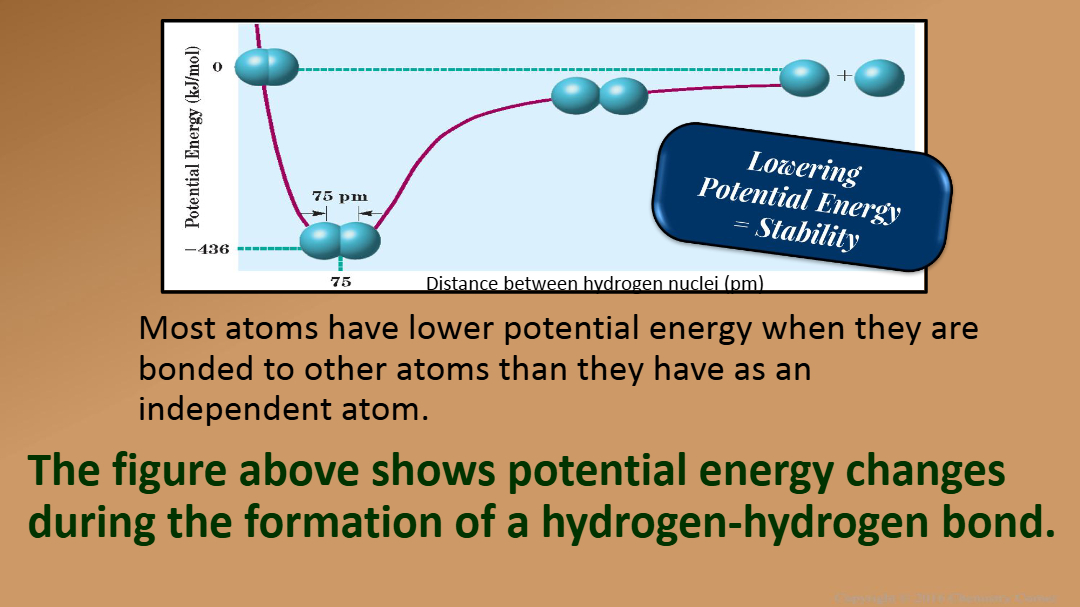
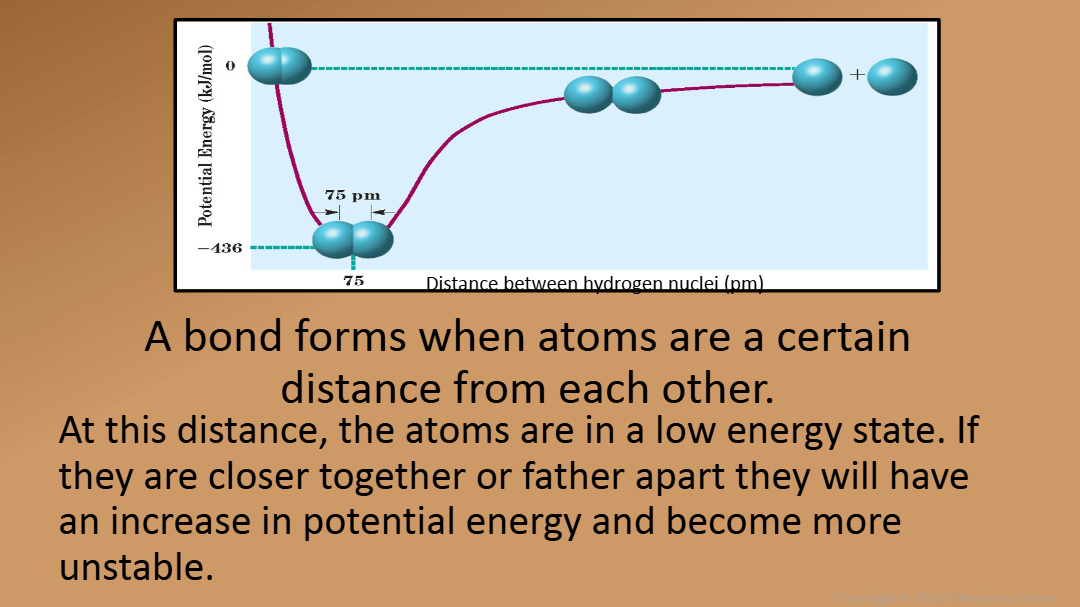
Describe how the distance between atoms affects their potential energy and stability, referencing the hydrogen-hydrogen bond example.

17

Multiple Choice

Based on the figure, what happens to the potential energy of atoms as they approach the optimal bonding distance?

1

It decreases to a minimum

2

It increases to a maximum

3

It remains constant

4

It fluctuates unpredictably

18

media

19

Multiple Choice

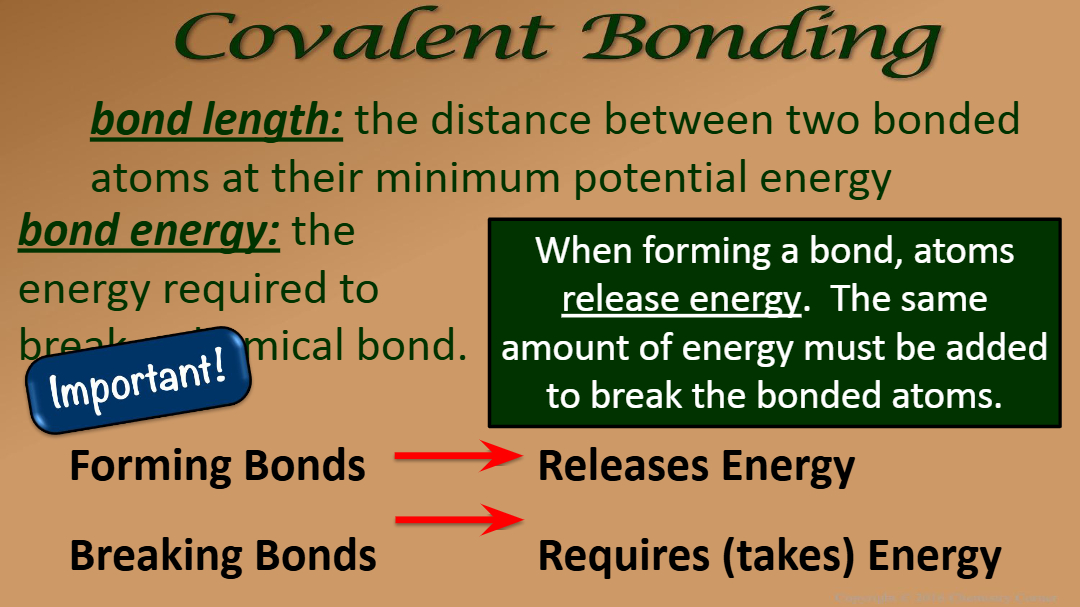
Which of the following statements best describes what happens when a chemical bond is formed between atoms?

1

Energy is released

2

Energy is required

3

Atoms lose electrons

4

Atoms gain protons

20

media

21

Multiple Select

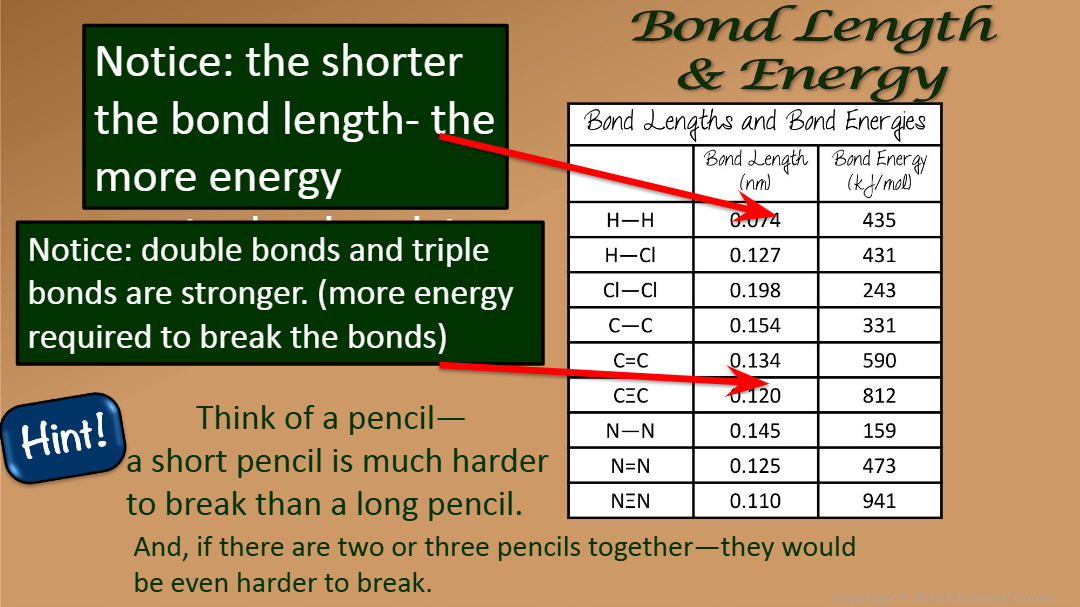
Based on the table of bond lengths and bond energies, which bonds require the most energy to break? Select all that apply.

1

Single bonds

2

Double bonds

3

Triple bonds

4

Bonds with longer bond lengths

22

media

23

Open Ended

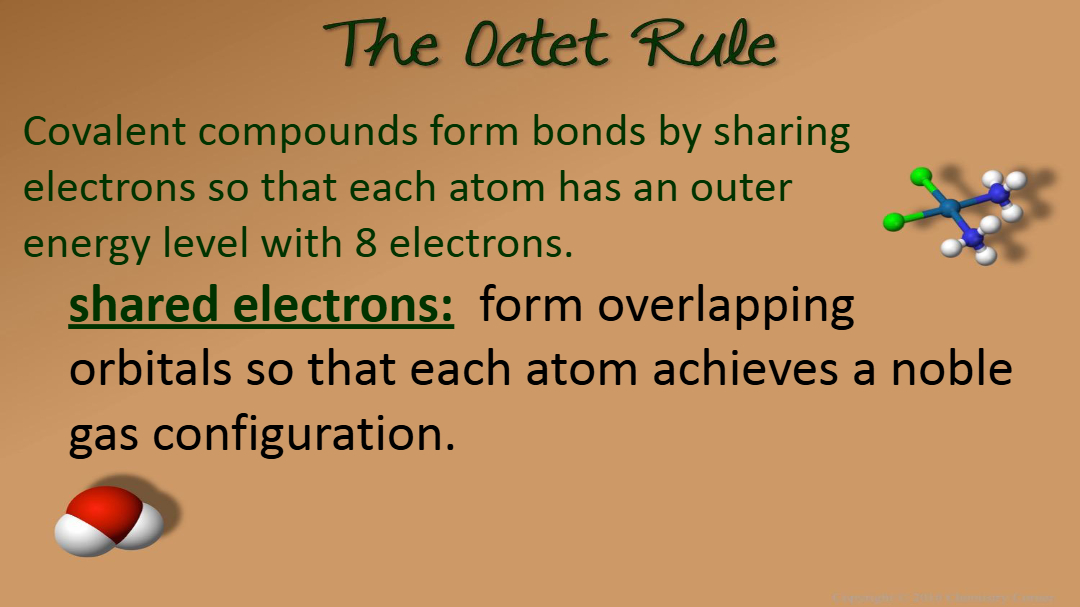
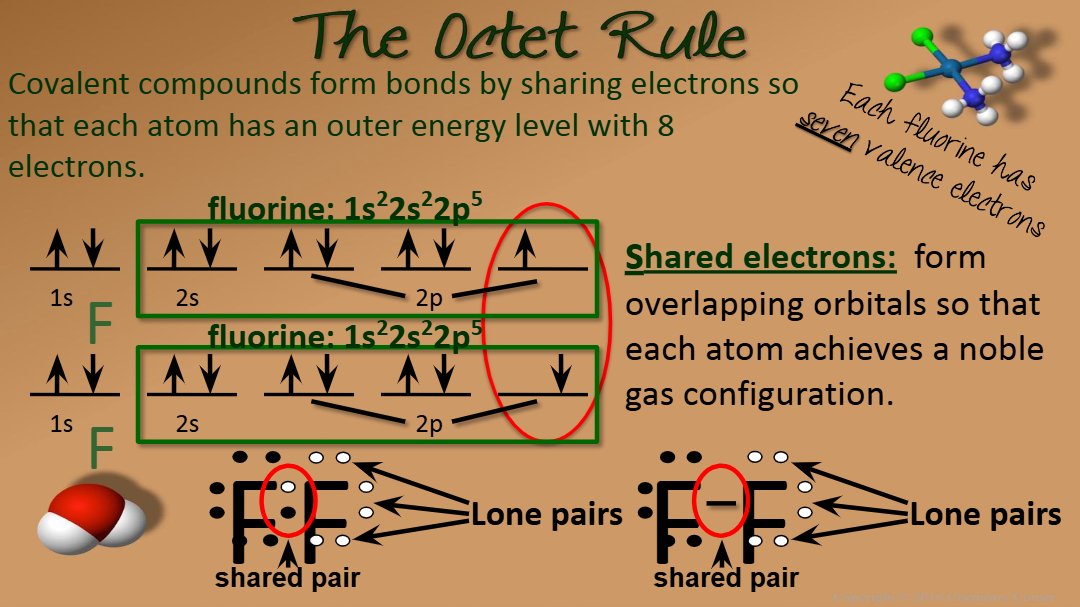
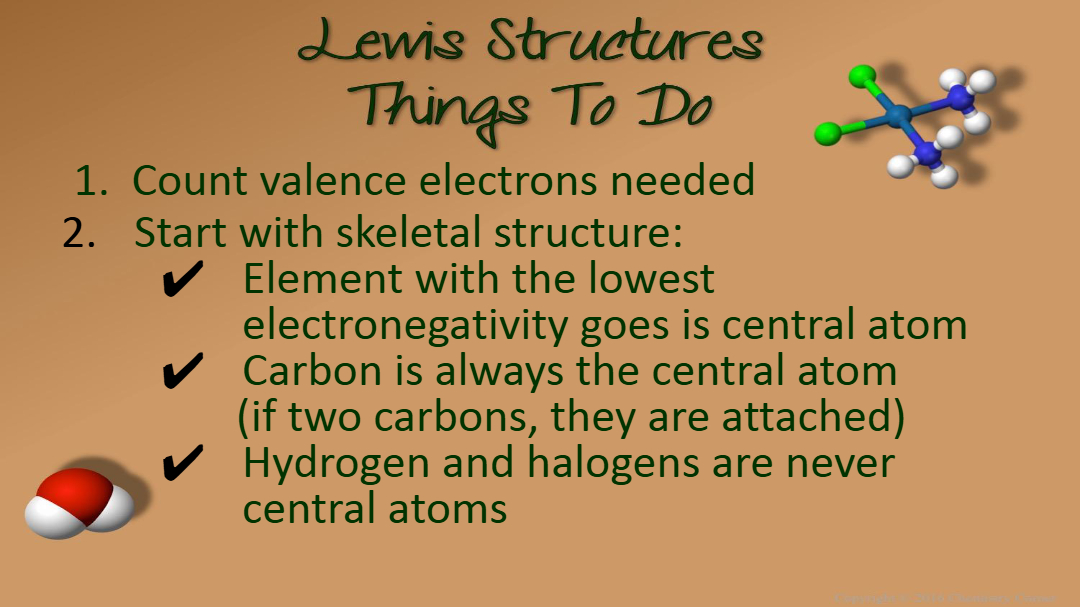
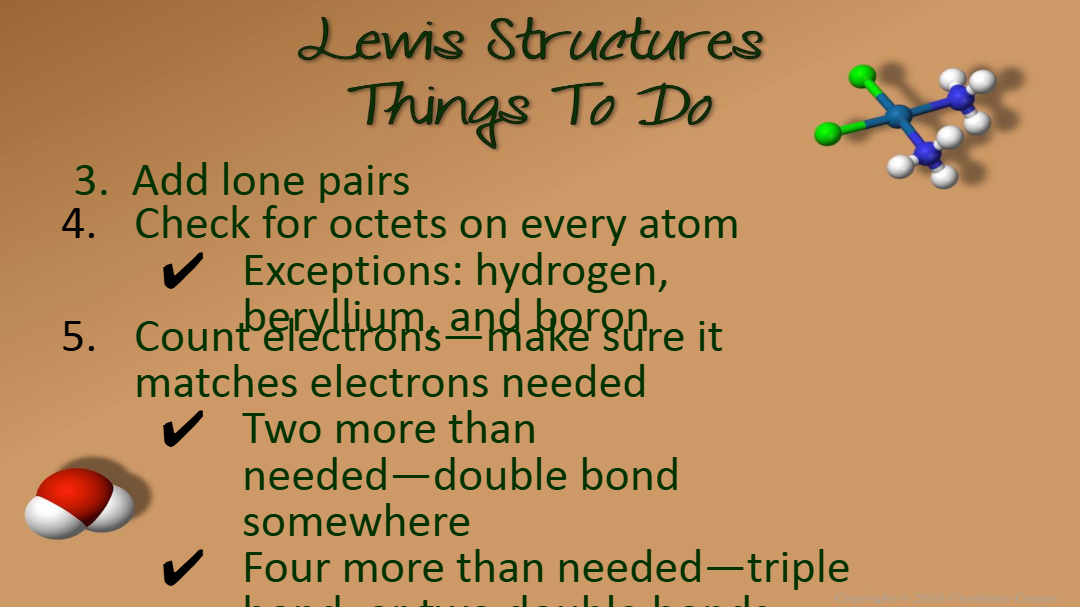
Explain how the octet rule influences the formation of covalent bonds in molecules.

24

Labelling

Which of these molecules is joined by an ionic bond vs a covalent bond?

Drag labels to their correct position on the image

Ionic Bond

Covalent Bond

25

media

26

Fill in the Blanks

Type answer...

27

media

28

Open Ended

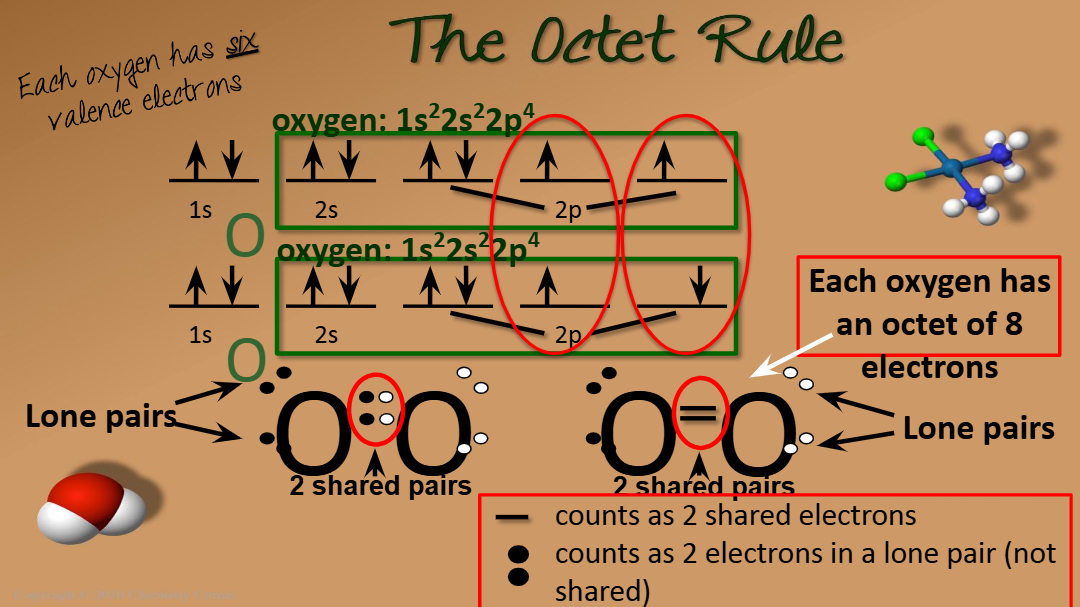
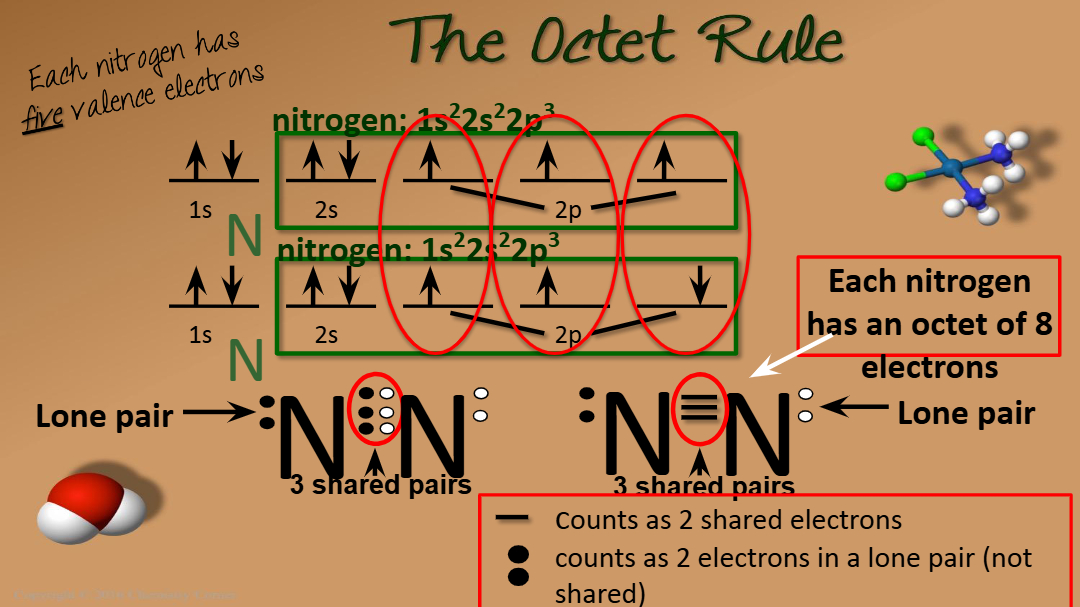
How do lone pairs and shared pairs of electrons contribute to the octet rule in oxygen molecules?

29

media

30

Multiple Choice

Question image

In a nitrogen molecule (N2), how many electrons are shared between the two nitrogen atoms?

1

3

2

2

3

6

4

4

31

media

32

Multiple Choice

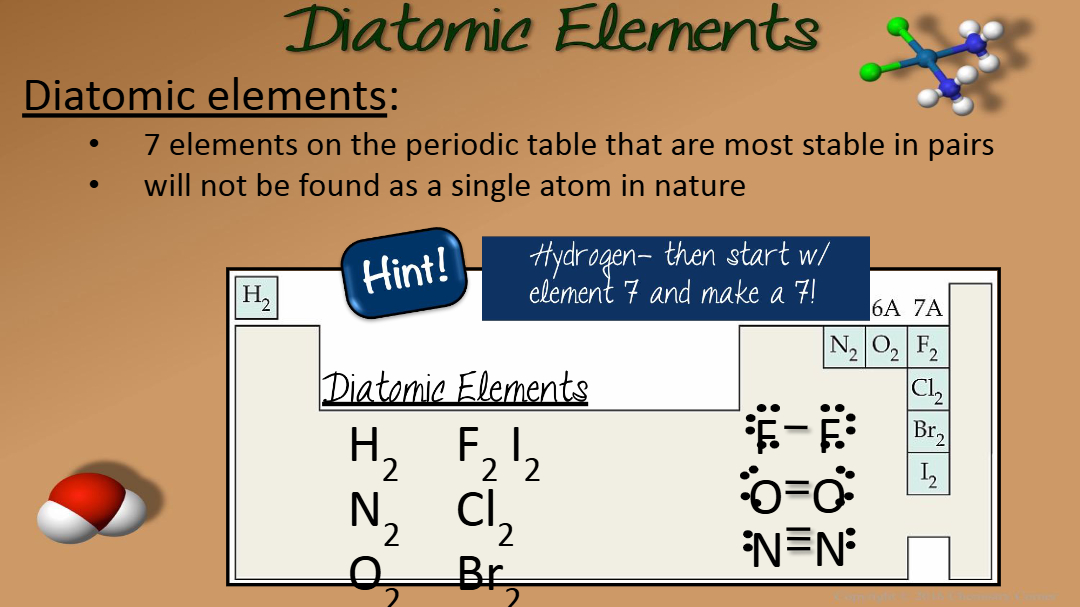
Which of the following elements is NOT a diatomic element?

1

Oxygen

2

Nitrogen

3

Chlorine

4

Carbon

33

media

34

Multiple Select

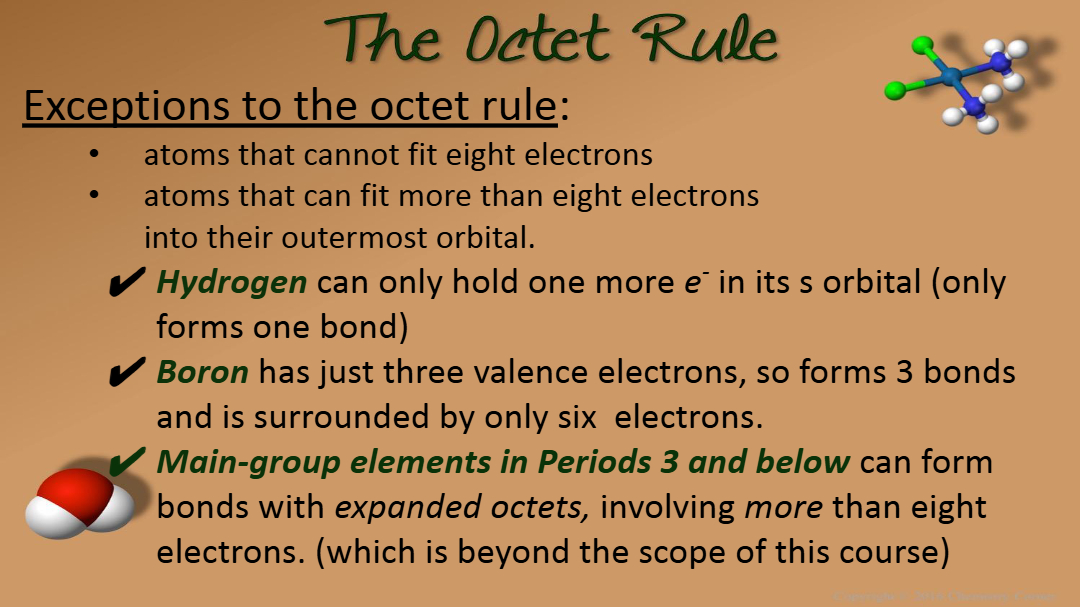
Which of the following are exceptions to the octet rule?

1

Hydrogen

2

Boron

3

Carbon

4

Main-group elements in Periods 3 and below

35

media

36

Fill in the Blanks

Type answer...

37

Multiple Select

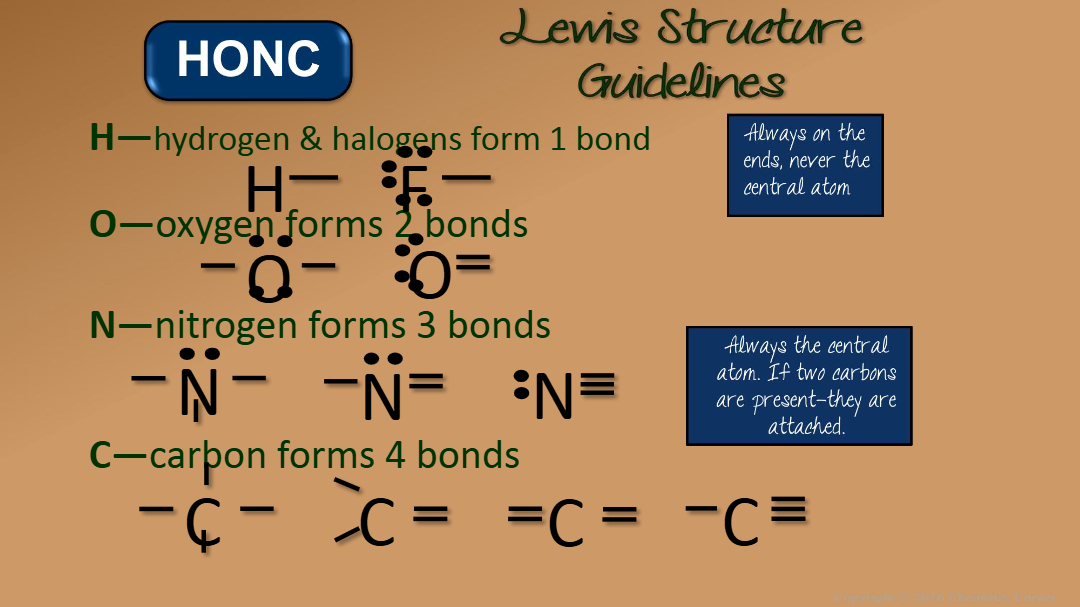
Which of the following elements can form double bonds according to Lewis structure guidelines?

1

Carbon

2

Nitrogen

3

Oxygen

4

Hydrogen

38

media

39

media

40

media

41

media

42

Fill in the Blanks

Type answer...

43

Multiple Choice

Question image
What molecule is this?
1
CO
2
CO2
3
C2O
4
C2O2

44

Open Ended

Reflecting on what you learned about covalent bonding, what is one question you still have or something you would like to know more about?

media

Show answer

Auto Play

Slide 1 / 44

SLIDE