

Rights & Courts

Presentation
•
Social Studies
•
9th - 12th Grade
•
Practice Problem
•
Hard

Leah Cook
FREE Resource
30 Slides • 20 Questions
1
2
Open Ended
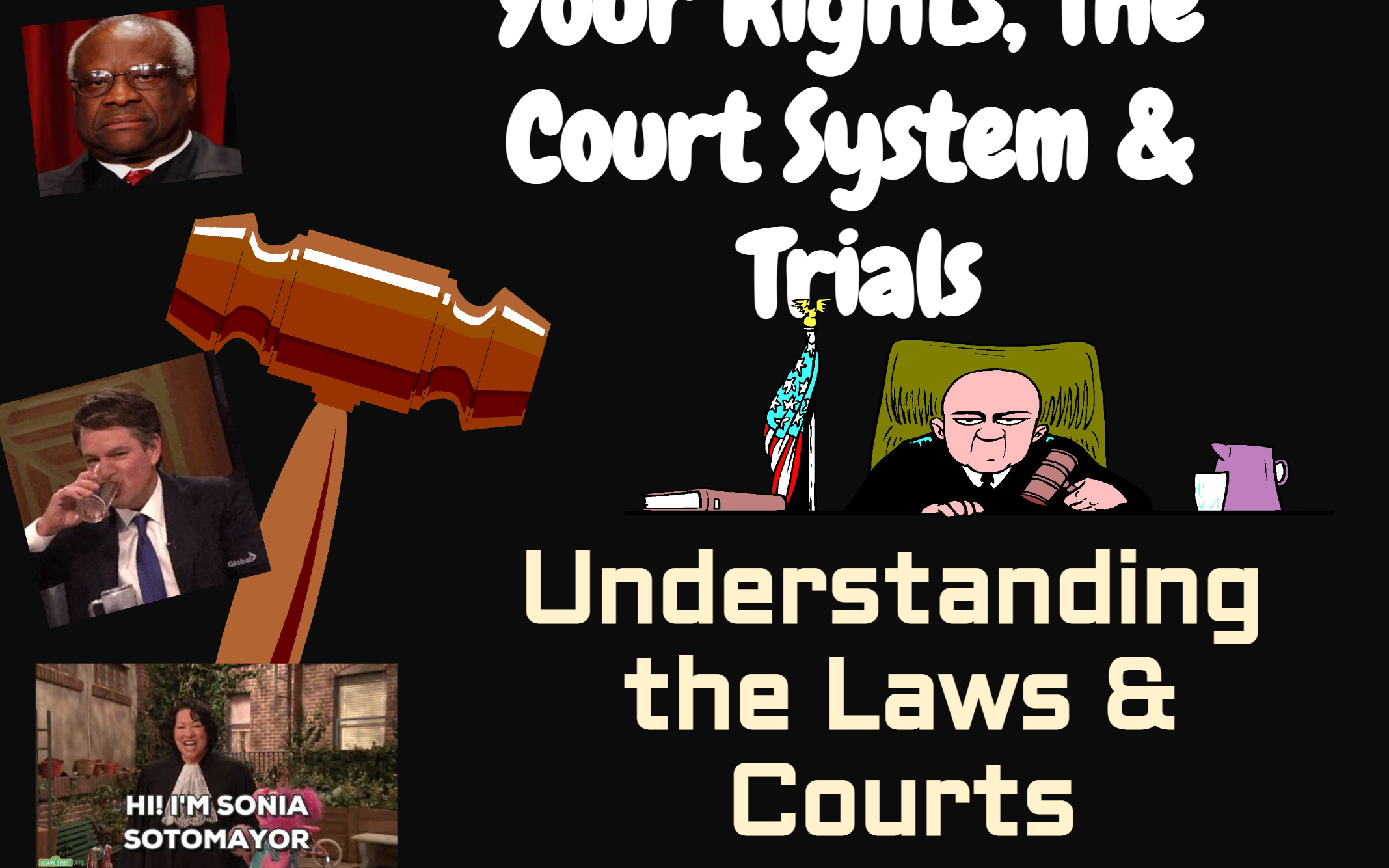
Why is it important for citizens to understand their rights and the court system?
3
4
Multiple Choice
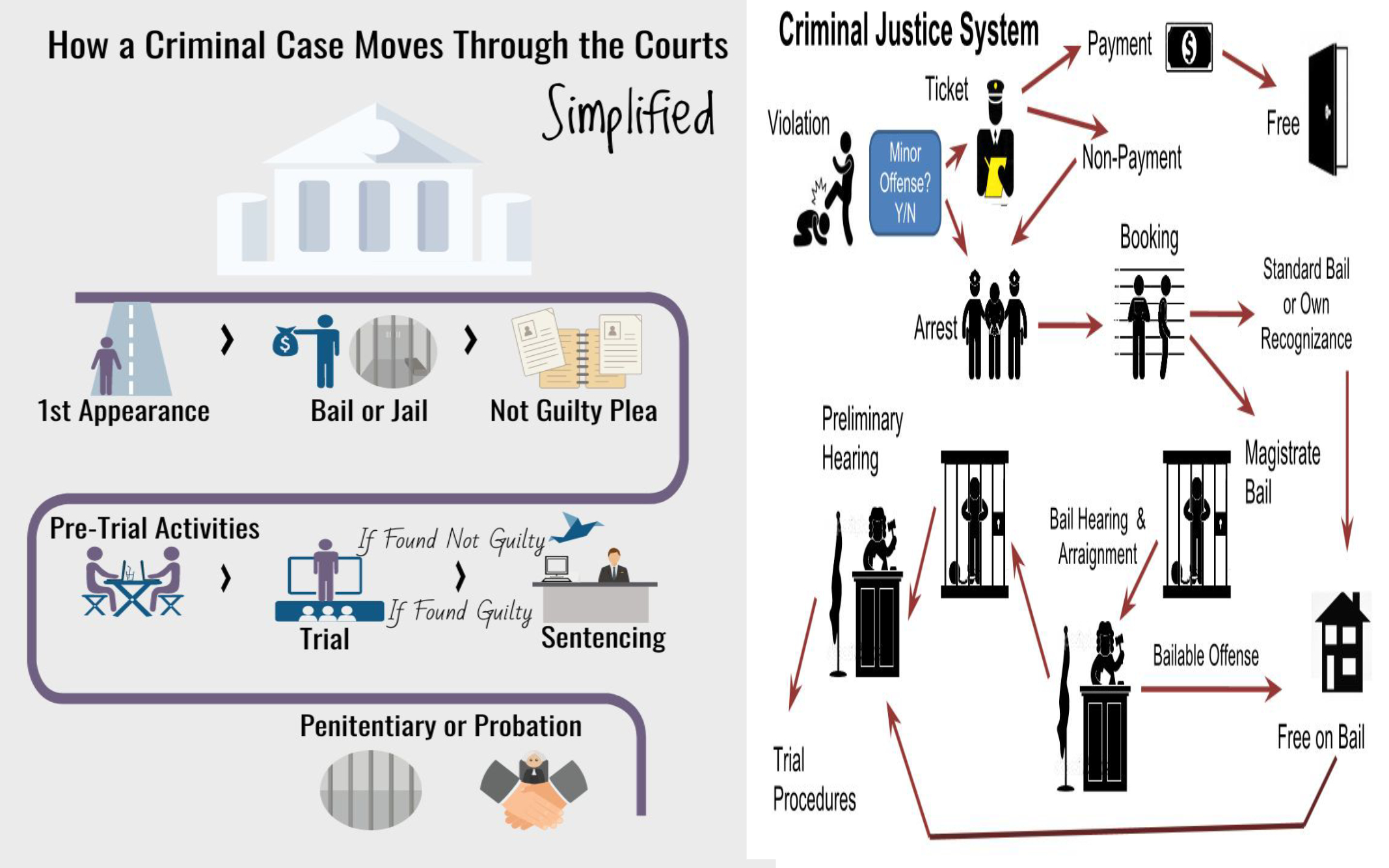
Which of the following is typically the first step in how a criminal case moves through the courts?
Sentencing
Bail or Jail
1st Appearance
Preliminary Hearing
5
6
Multiple Choice
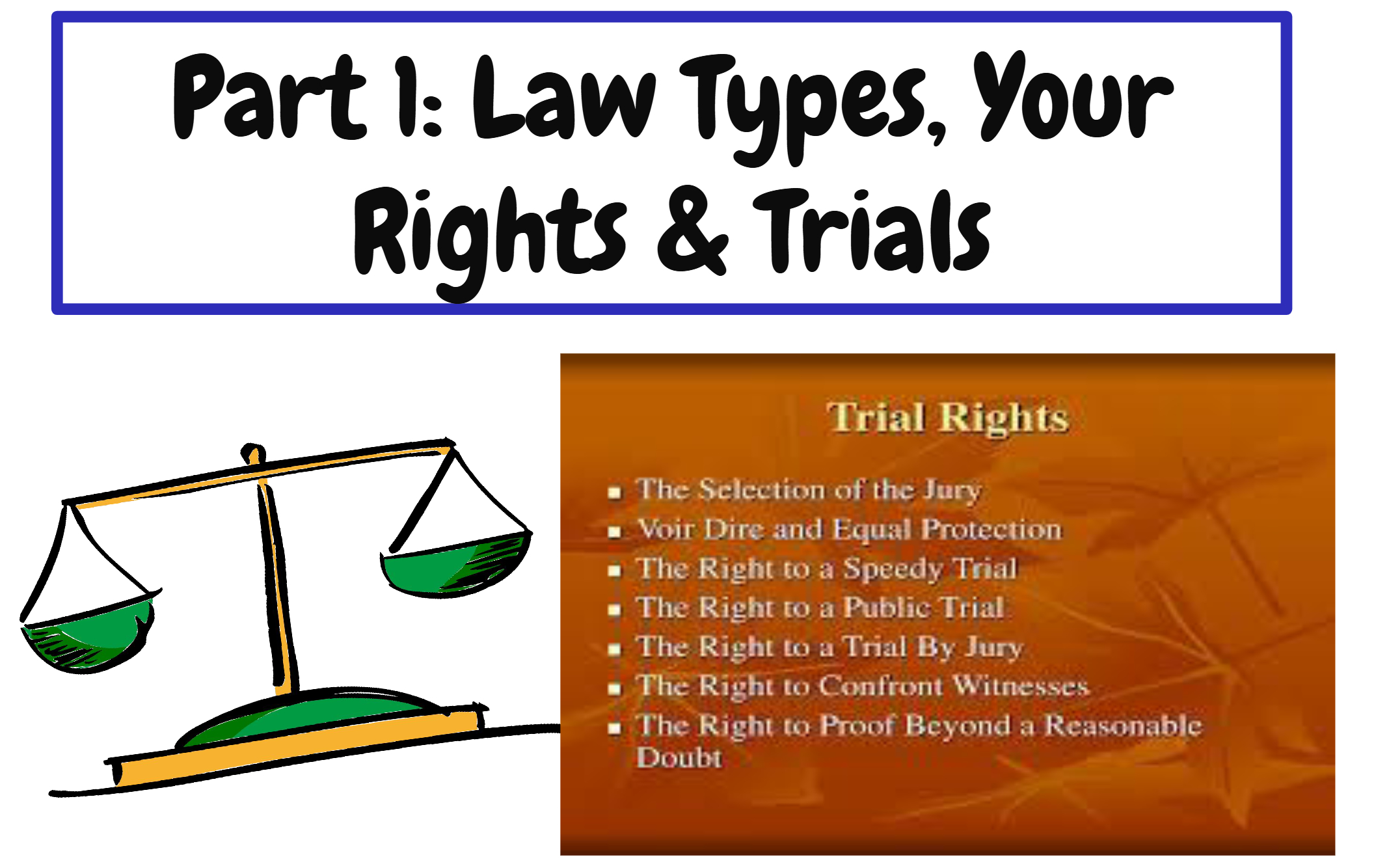
Which of the following is a right guaranteed during a trial?
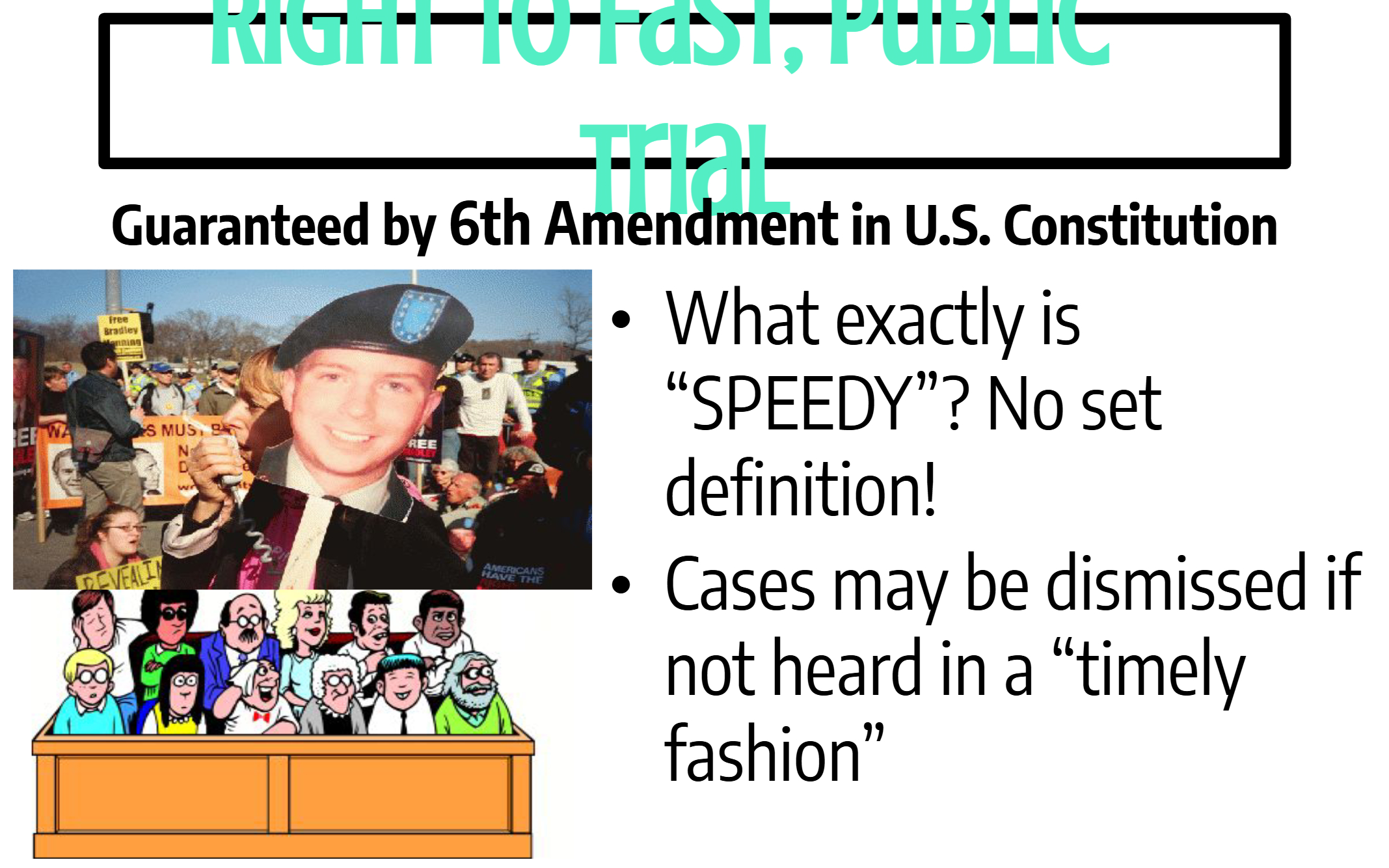
The right to a speedy trial
The right to make laws
The right to vote
The right to create statutes
7
8
Open Ended
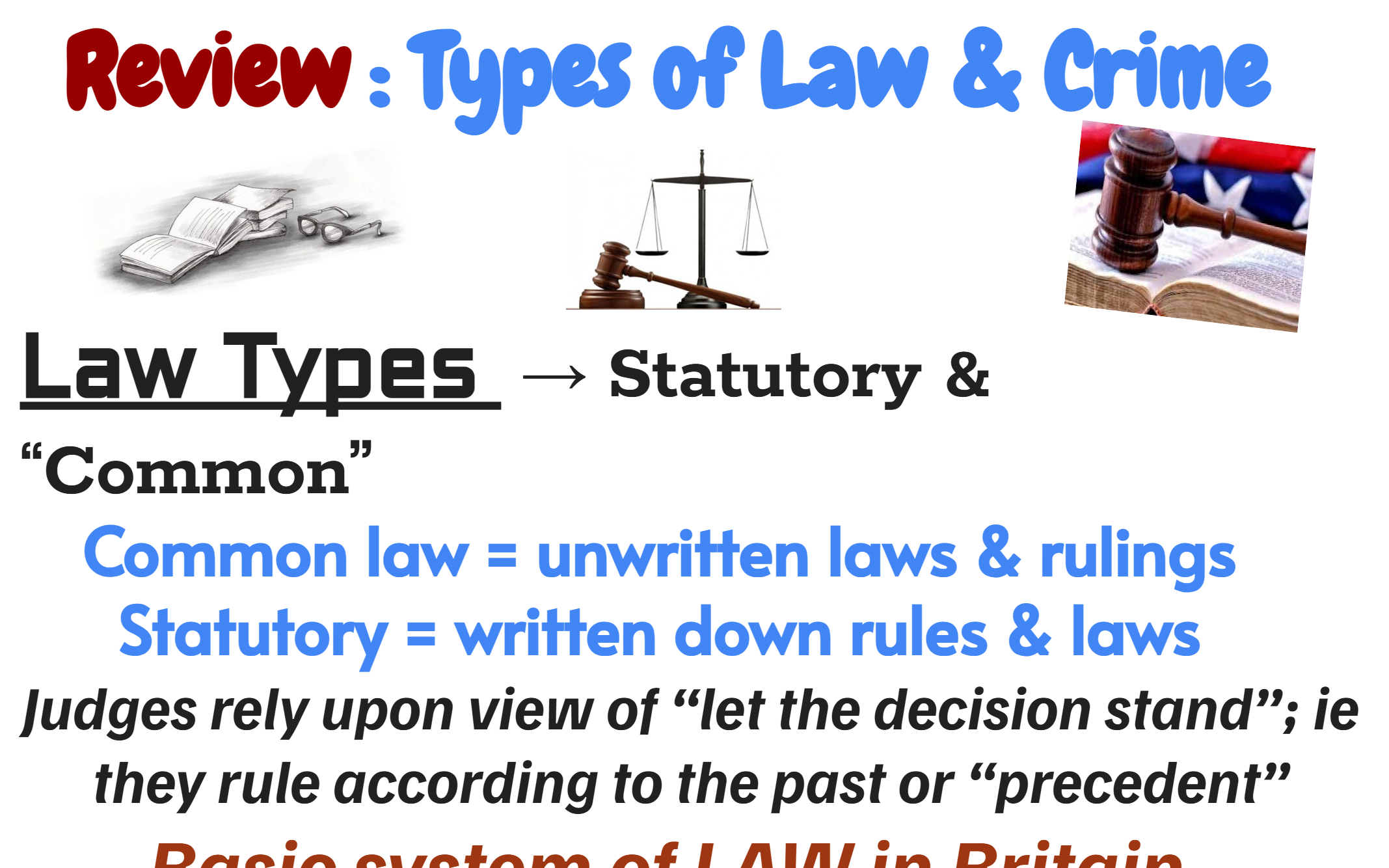
Explain the difference between common law and statutory law.
9
10
11
12
Multiple Choice
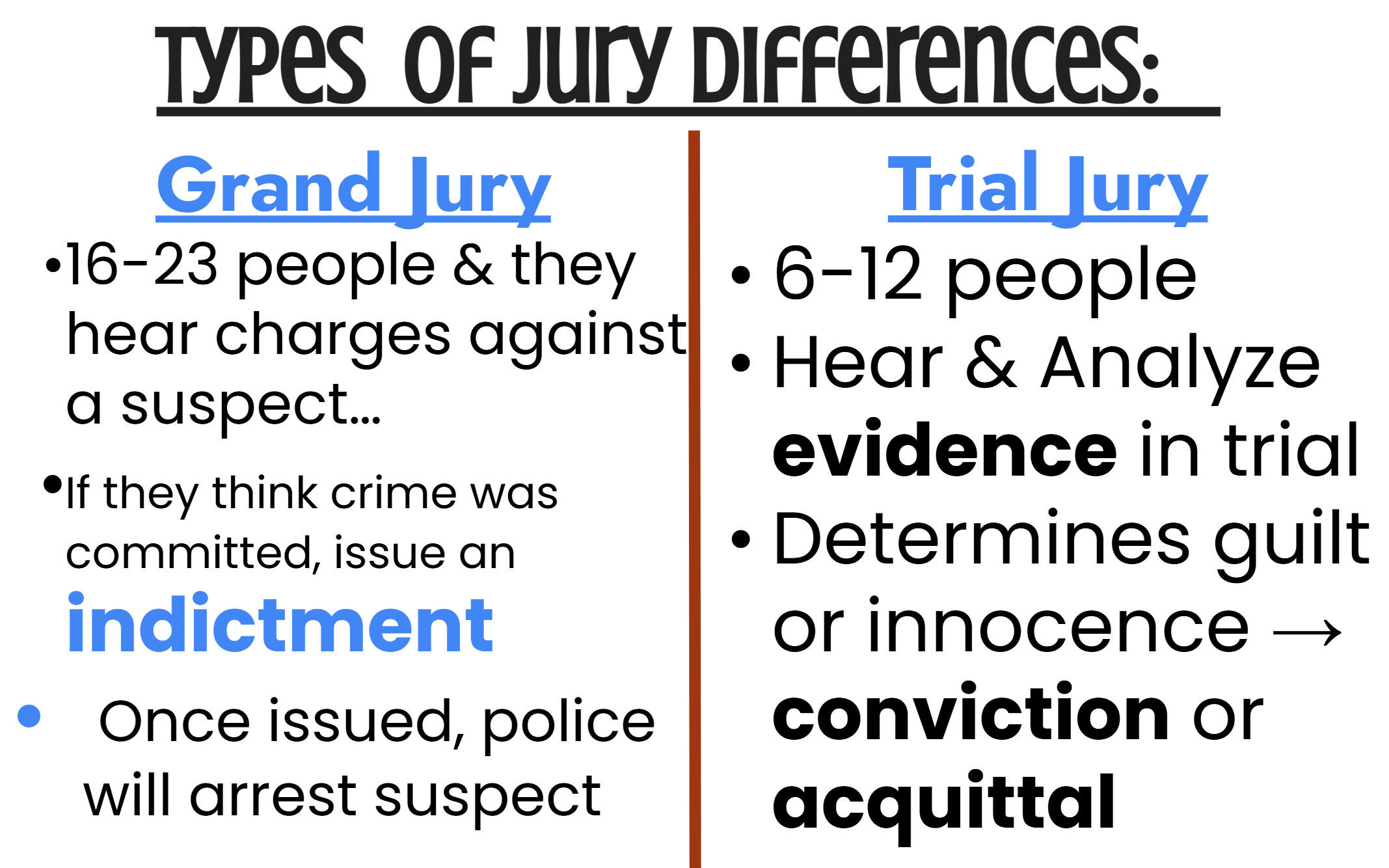
What is an indictment in a criminal case?
a sentencing recommendation
a legal defense strategy
a type of plea bargain
a formal charge in a criminal case
13
14
Multiple Choice
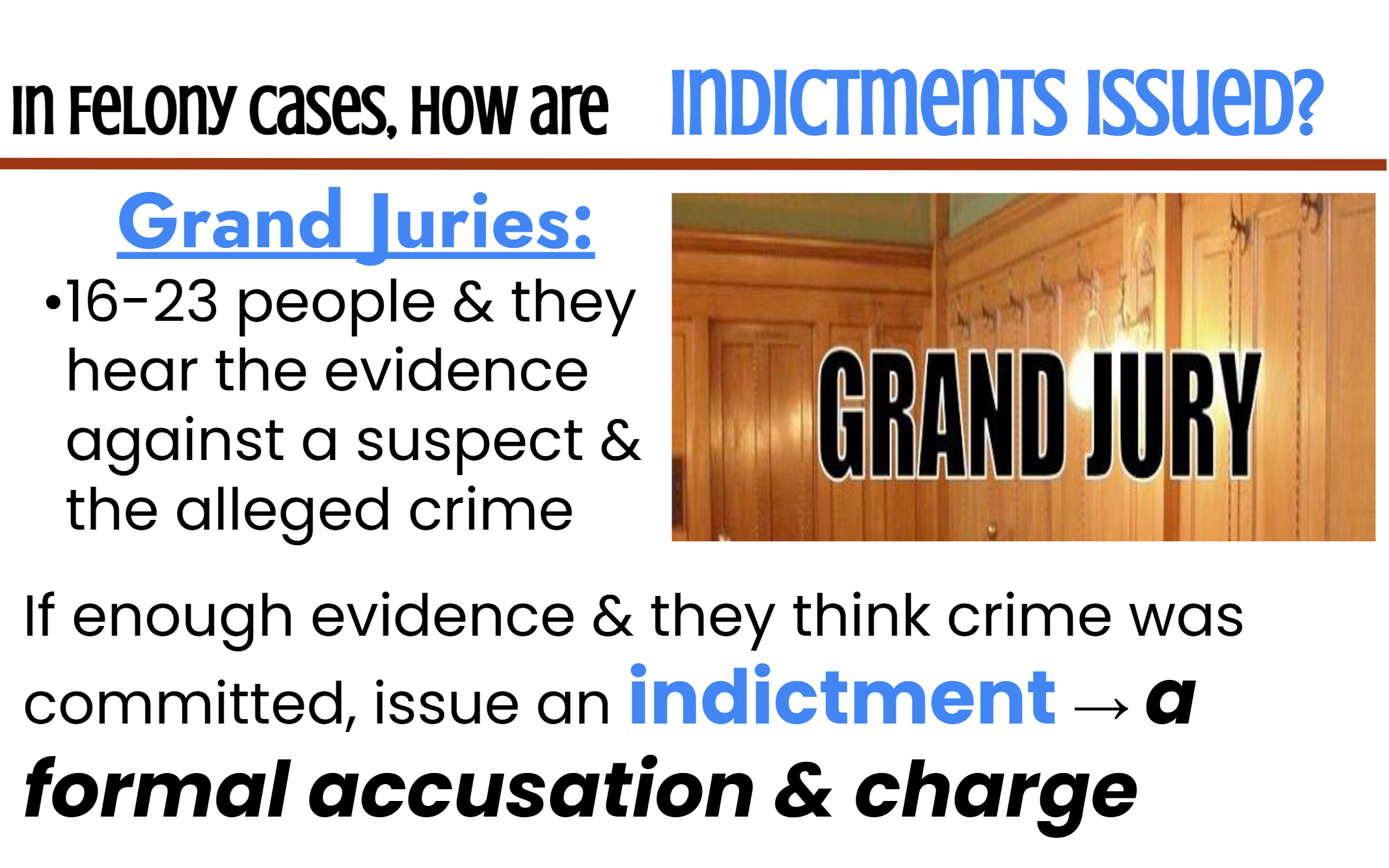
Describe the role of a grand jury in issuing indictments in felony cases.
15
16
Multiple Choice
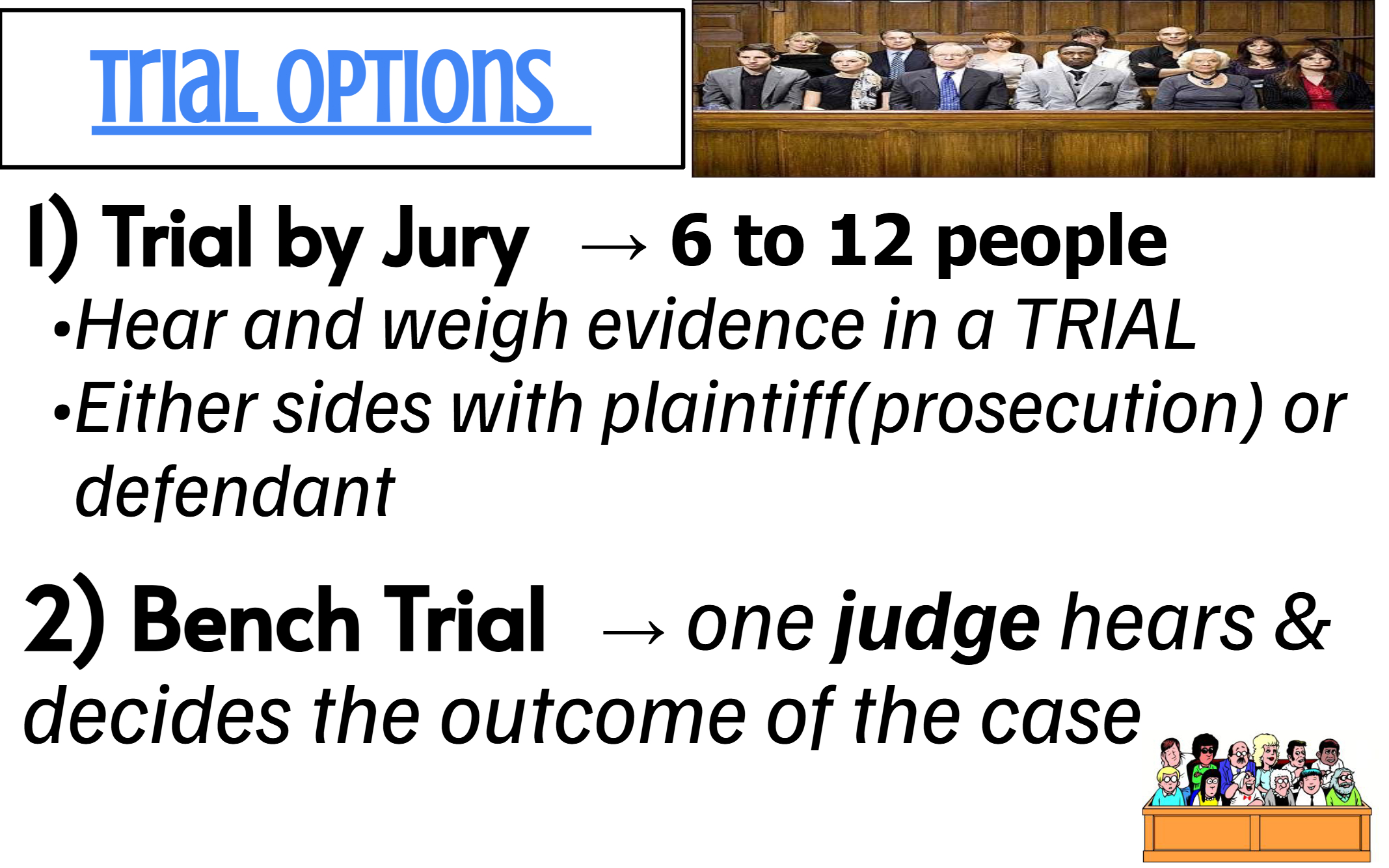
Which type of jury determines guilt or innocence in a trial?
Grand Jury
Trial Jury
Civil Jury
Appellate Jury
17
18
19
20
Multiple Choice
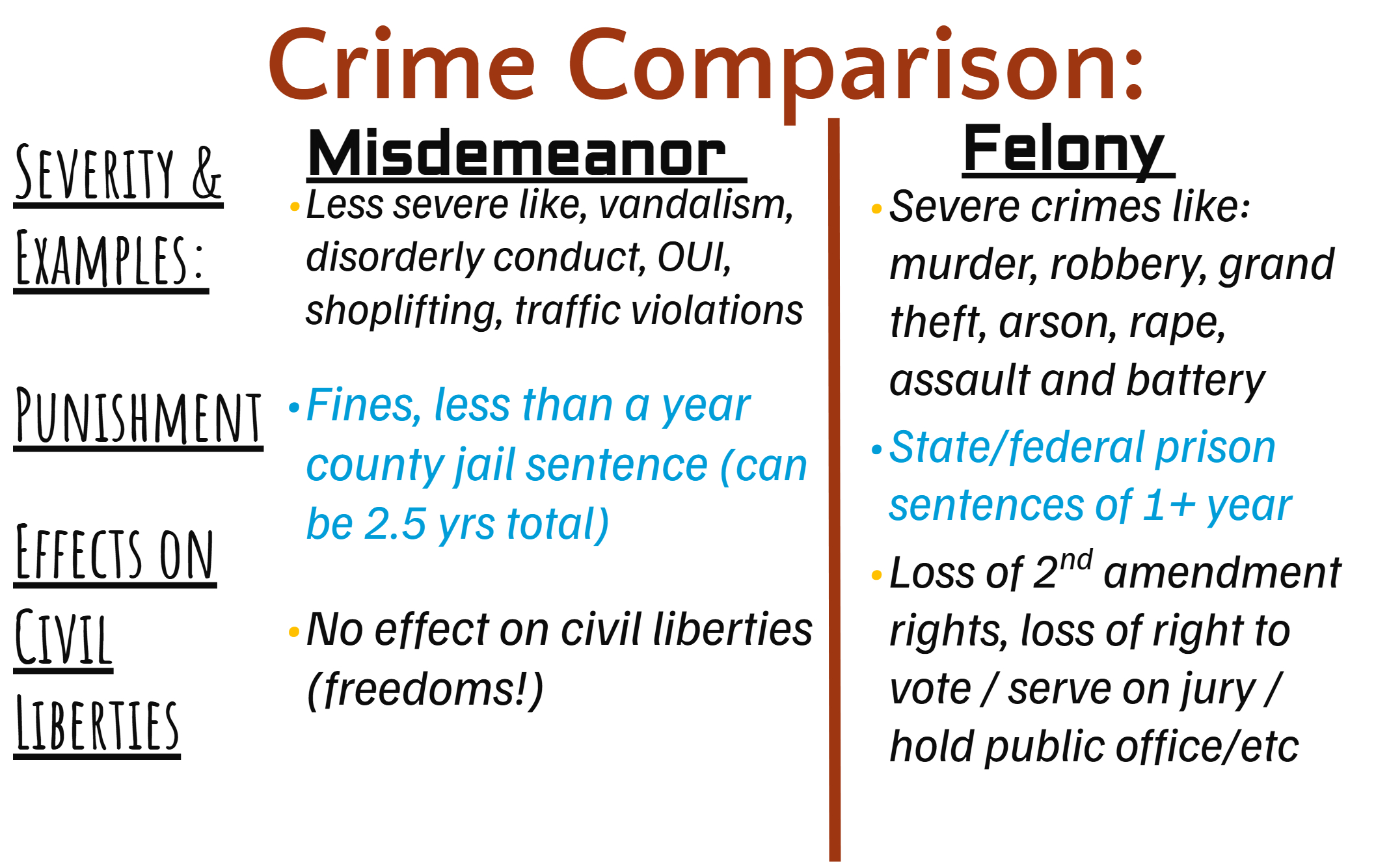
Which of the following crimes is considered a felony?
Shoplifting
Vandalism
Murder
Traffic violation
21
22
Fill in the Blanks
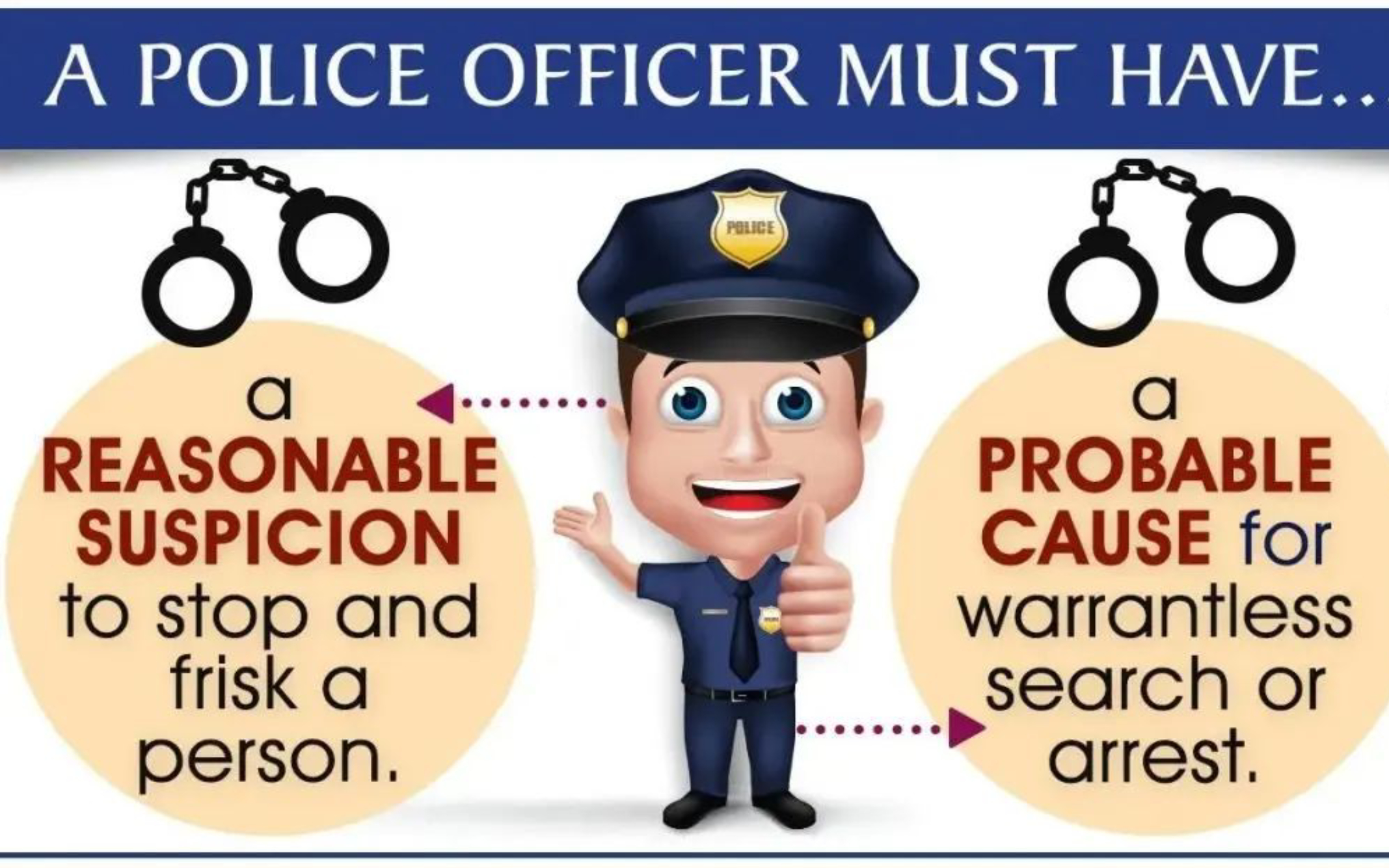
A police officer must have
23
24
Multiple Choice
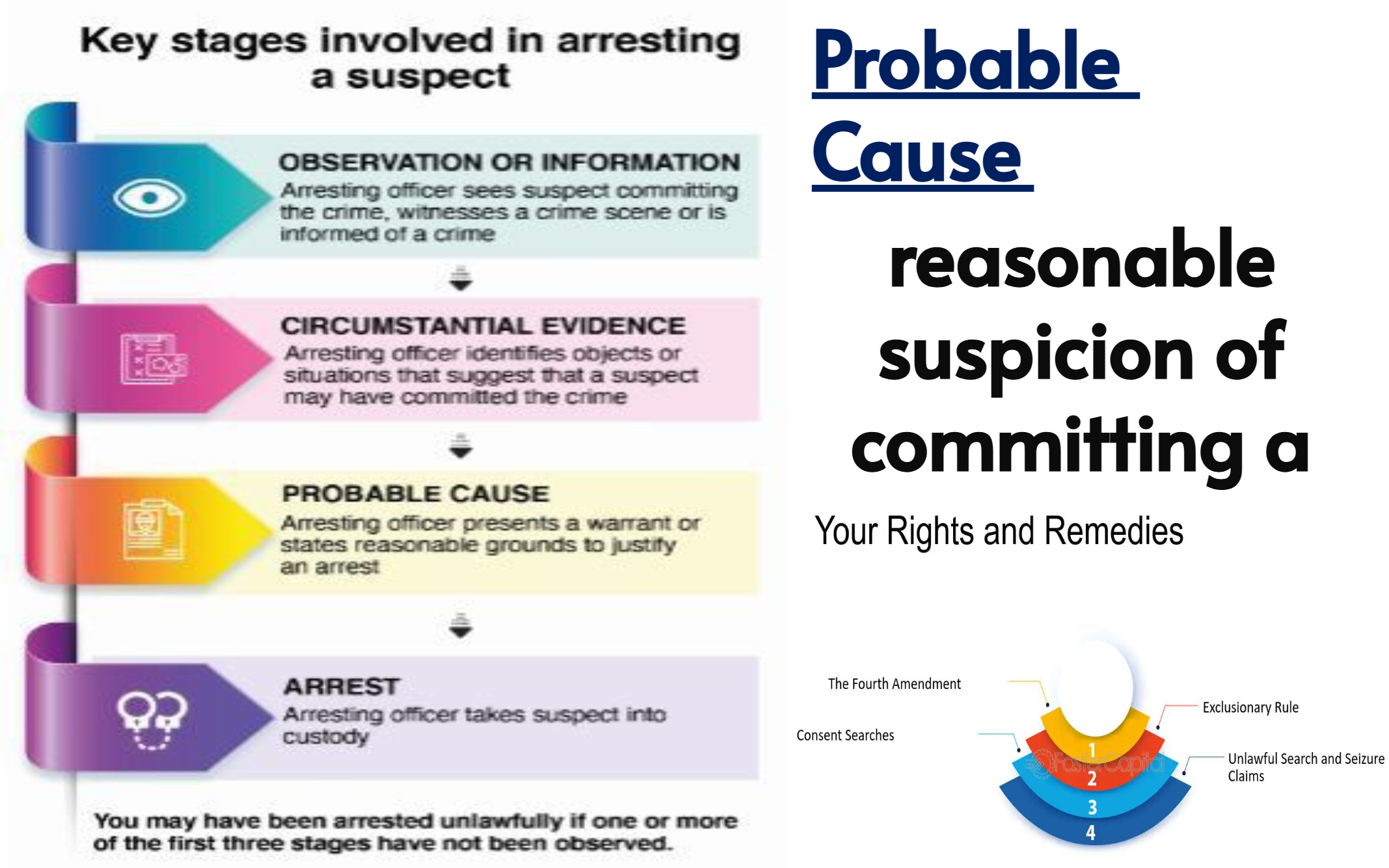
How does probable cause differ from reasonable suspicion in police procedures?
25
26
Multiple Choice
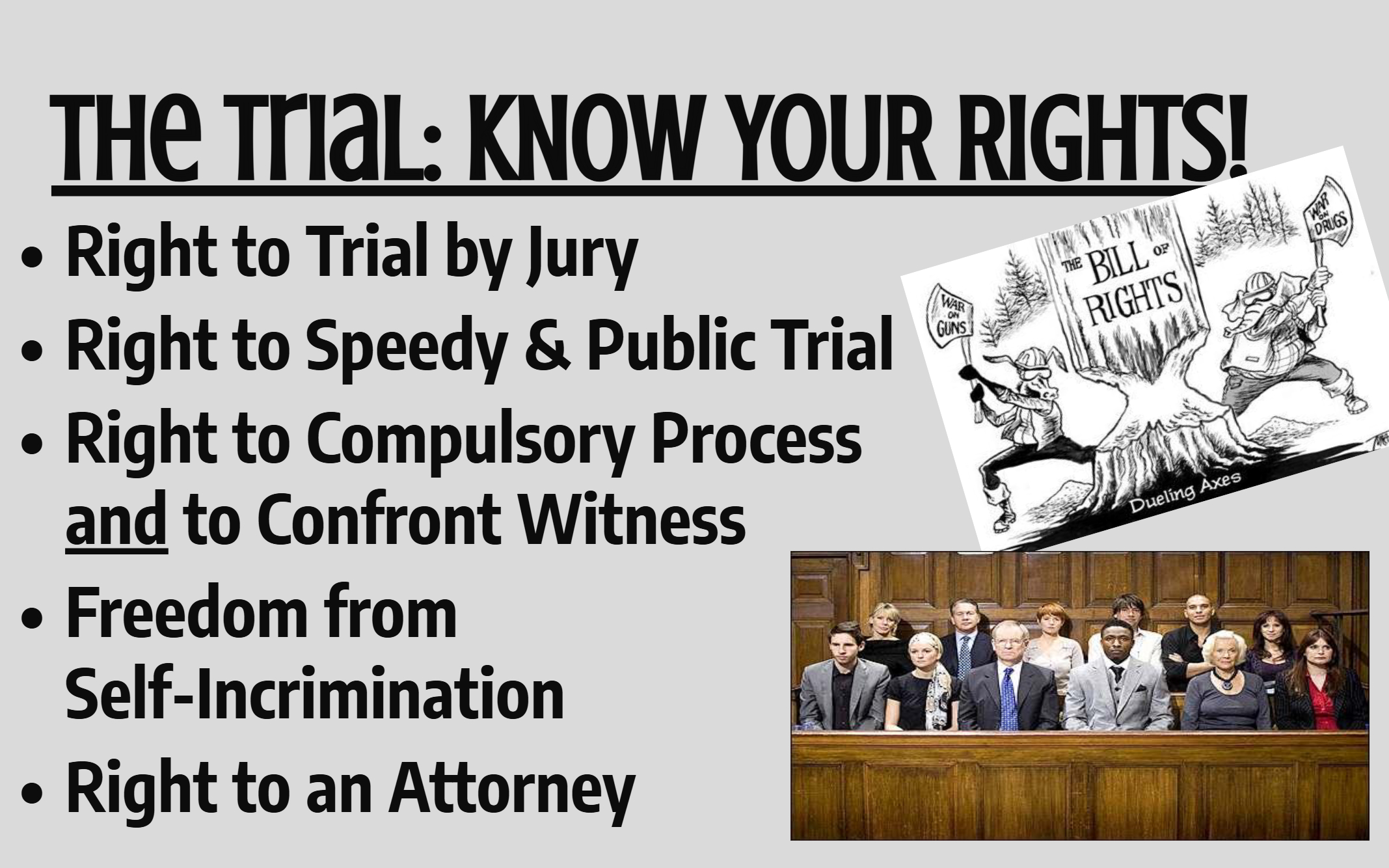
Which of the following is NOT a right guaranteed during a trial according to the Bill of Rights?
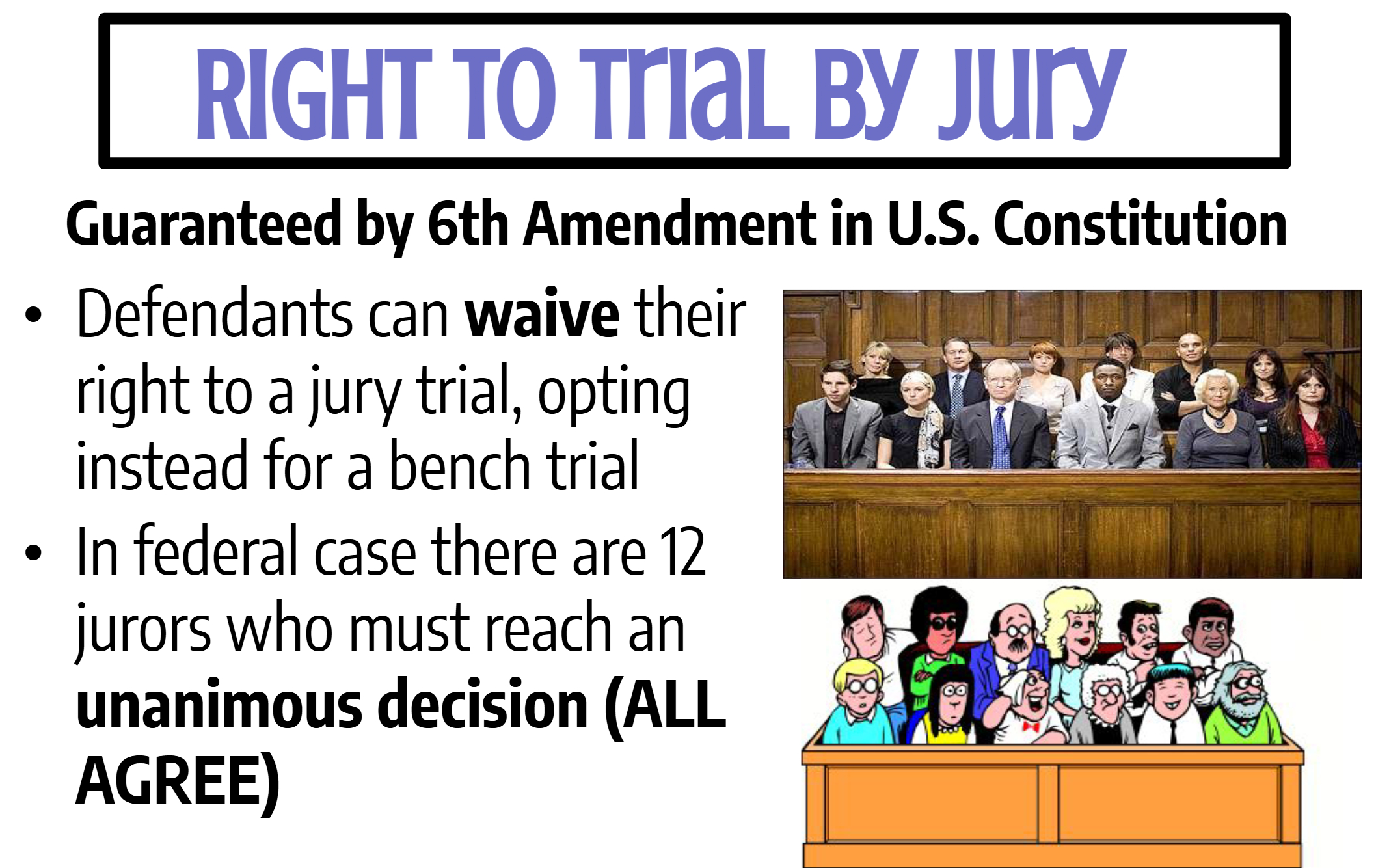
Right to Trial by Jury
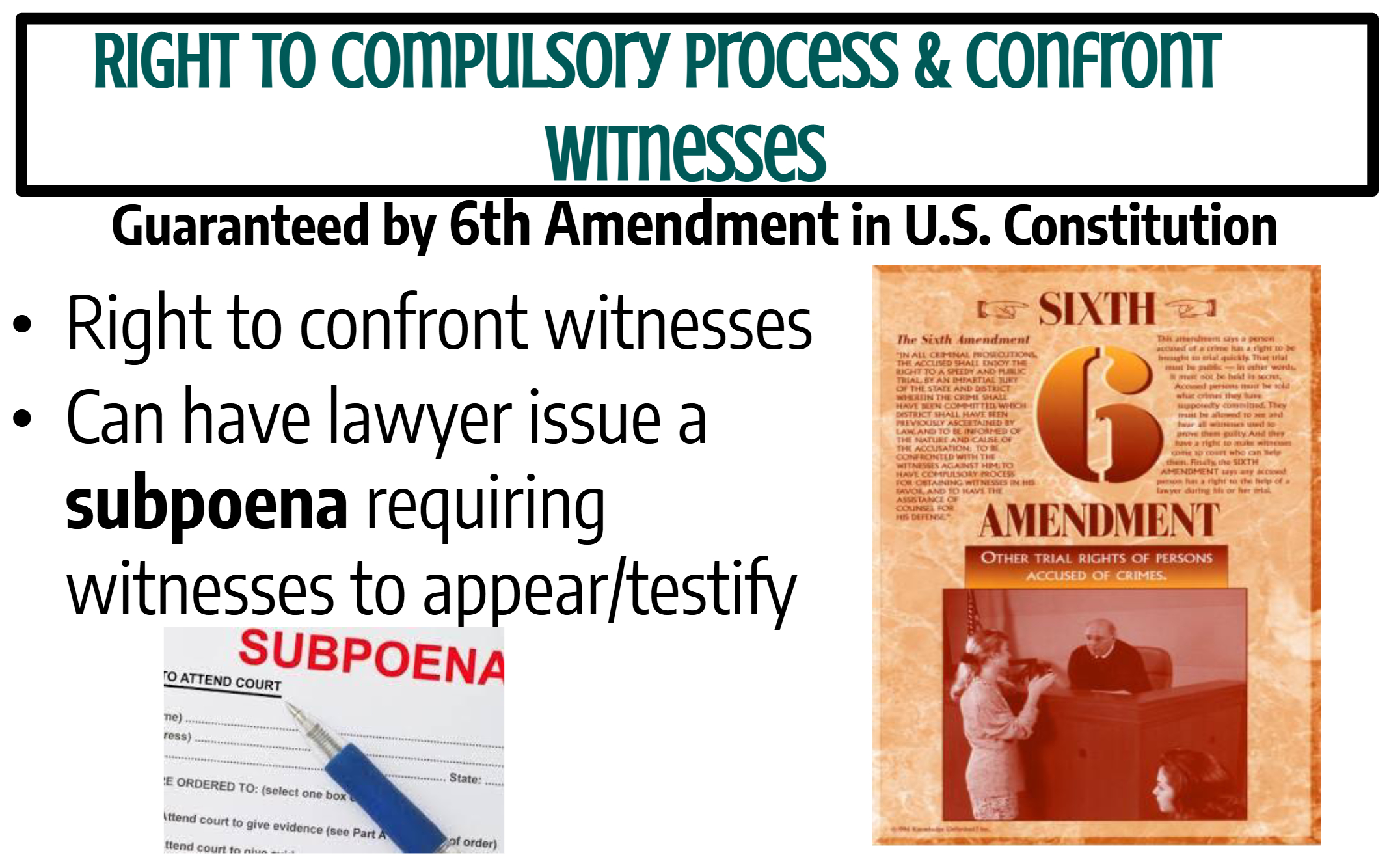
Right to Compulsory Process and to Confront Witness
Right to Vote
27
28
Multiple Choice
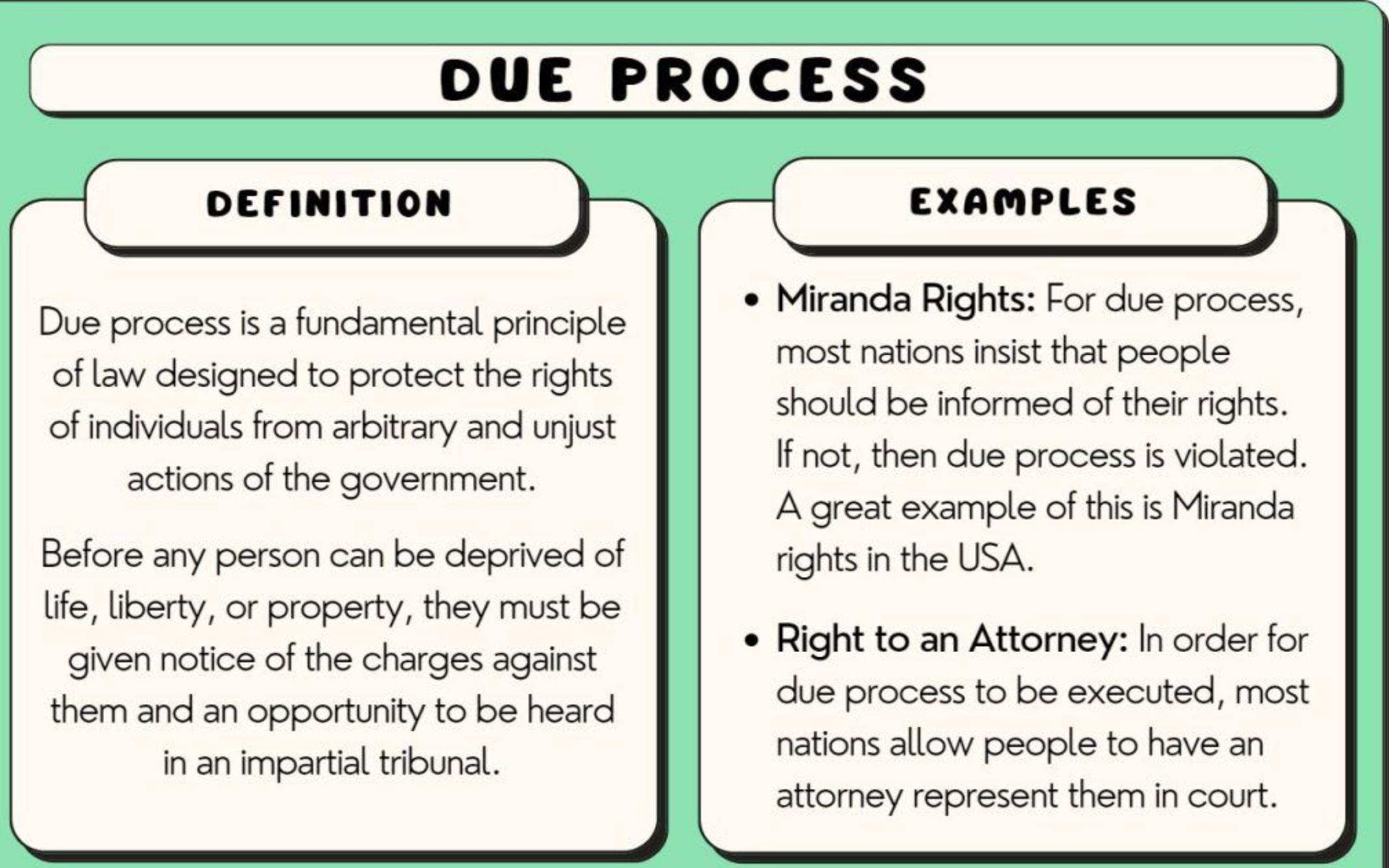
How does due process protects individuals from arbitrary actions by the government?
Due process allows the government to act without any legal consequences
Due process protects individuals by ensuring fair legal procedures and preventing unfair government actions
29
30
31
Open Ended
Compare and contrast a trial by jury and a bench trial. What are the key differences in how the outcome is decided?
32
33
34
Multiple Choice
Which amendment guarantees the right to confront witnesses and to have a lawyer issue a subpoena?
Fourth Amendment
Fifth Amendment
Sixth Amendment
Eighth Amendment
35
36
Multiple Choice
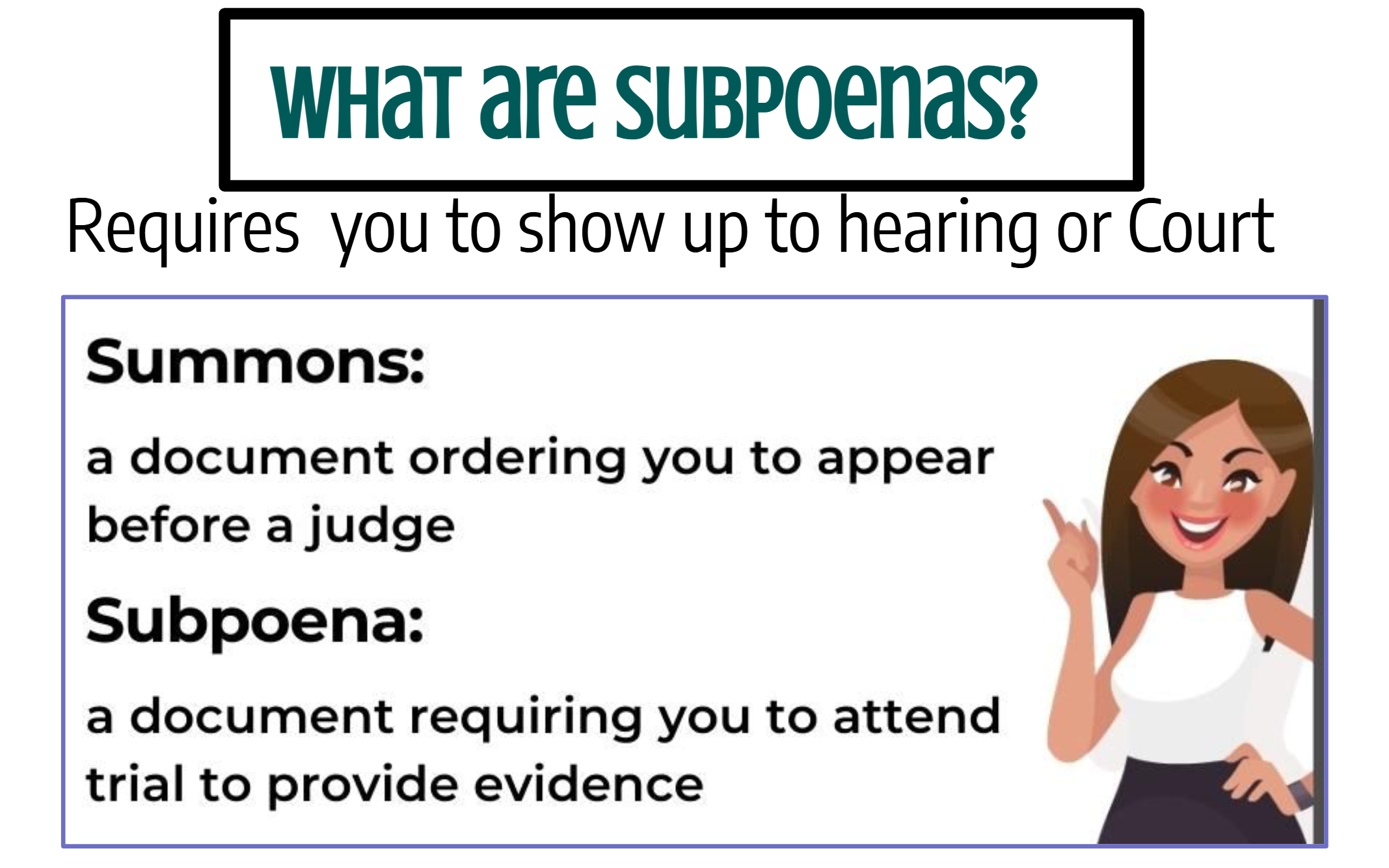
What is the difference between a summons and a subpoena?
A summons requires you to provide evidence, while a subpoena requires you to appear before a judge.
A summons requires you to appear before a judge, while a subpoena requires you to attend trial to provide evidence.
A summons is only for civil cases, while a subpoena is for criminal cases.
A summons is voluntary, while a subpoena is mandatory.
37
38
39
Open Ended
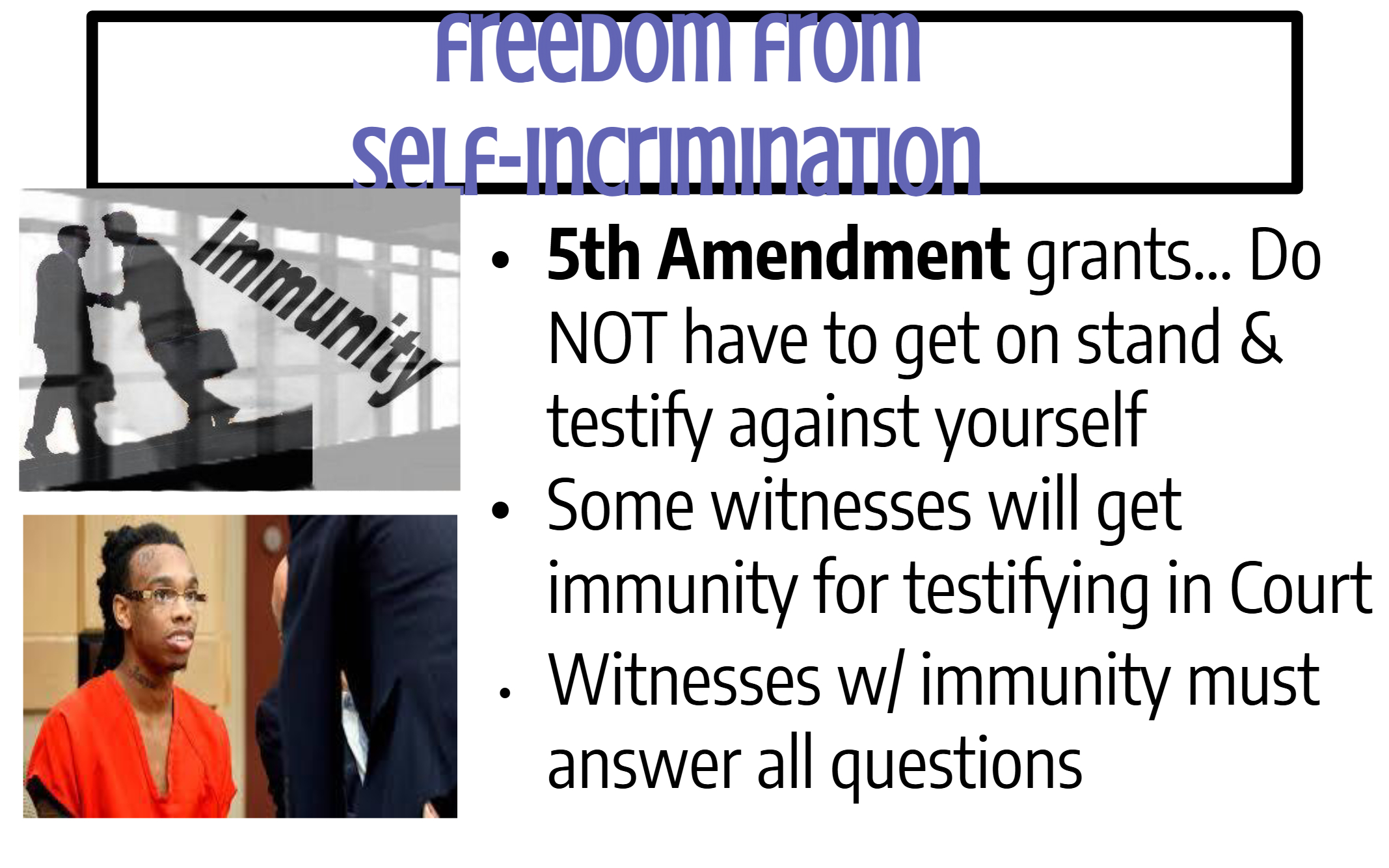
Explain how the 5th Amendment protects individuals during court proceedings.
40
41
Multiple Choice
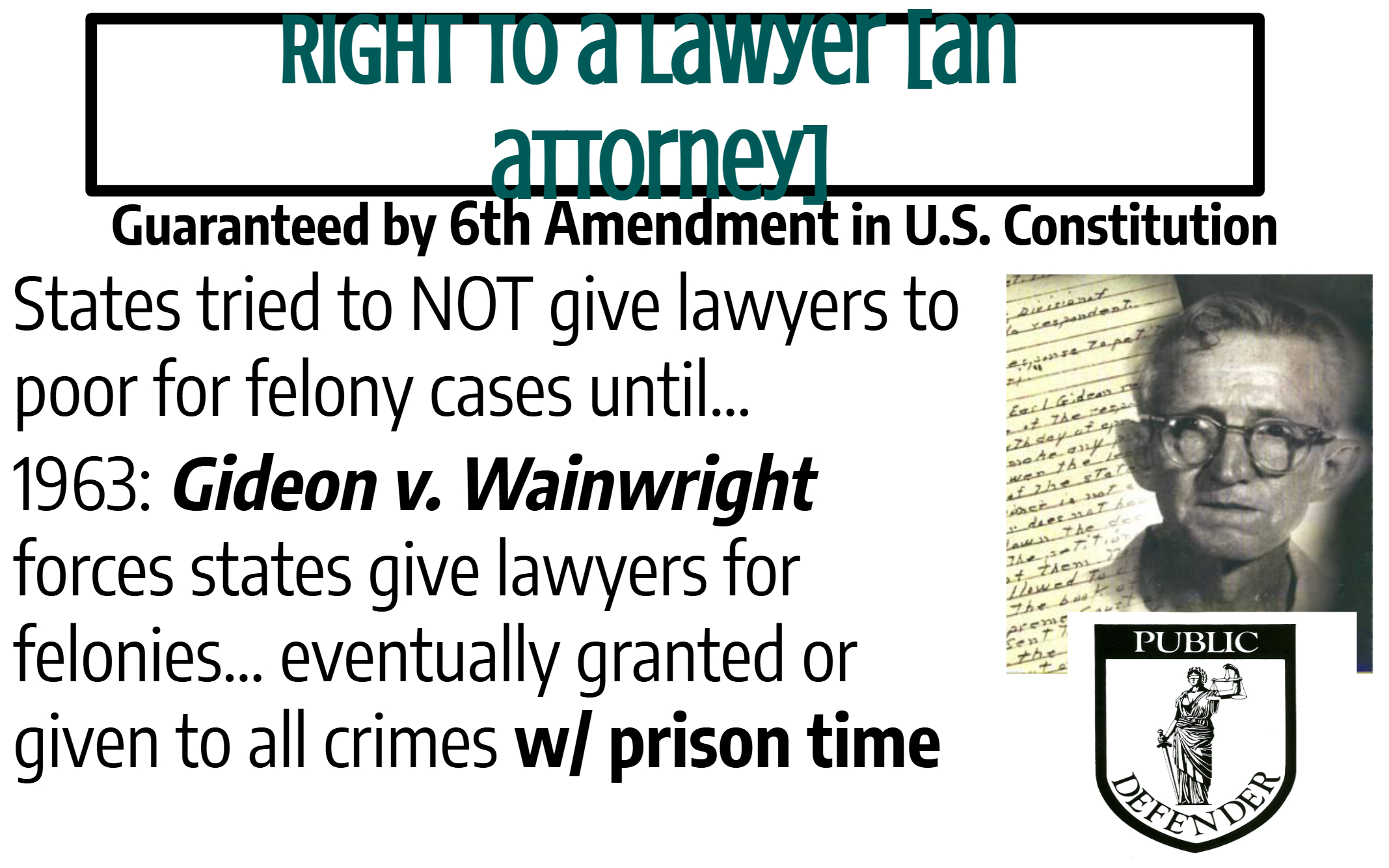
Which of the following rights are guaranteed by the 6th Amendment according to the images?
Right to remain silent
Right to a lawyer for felony cases
Right to immunity for witnesses
Right to appeal court decisions
42
43
Multiple Choice
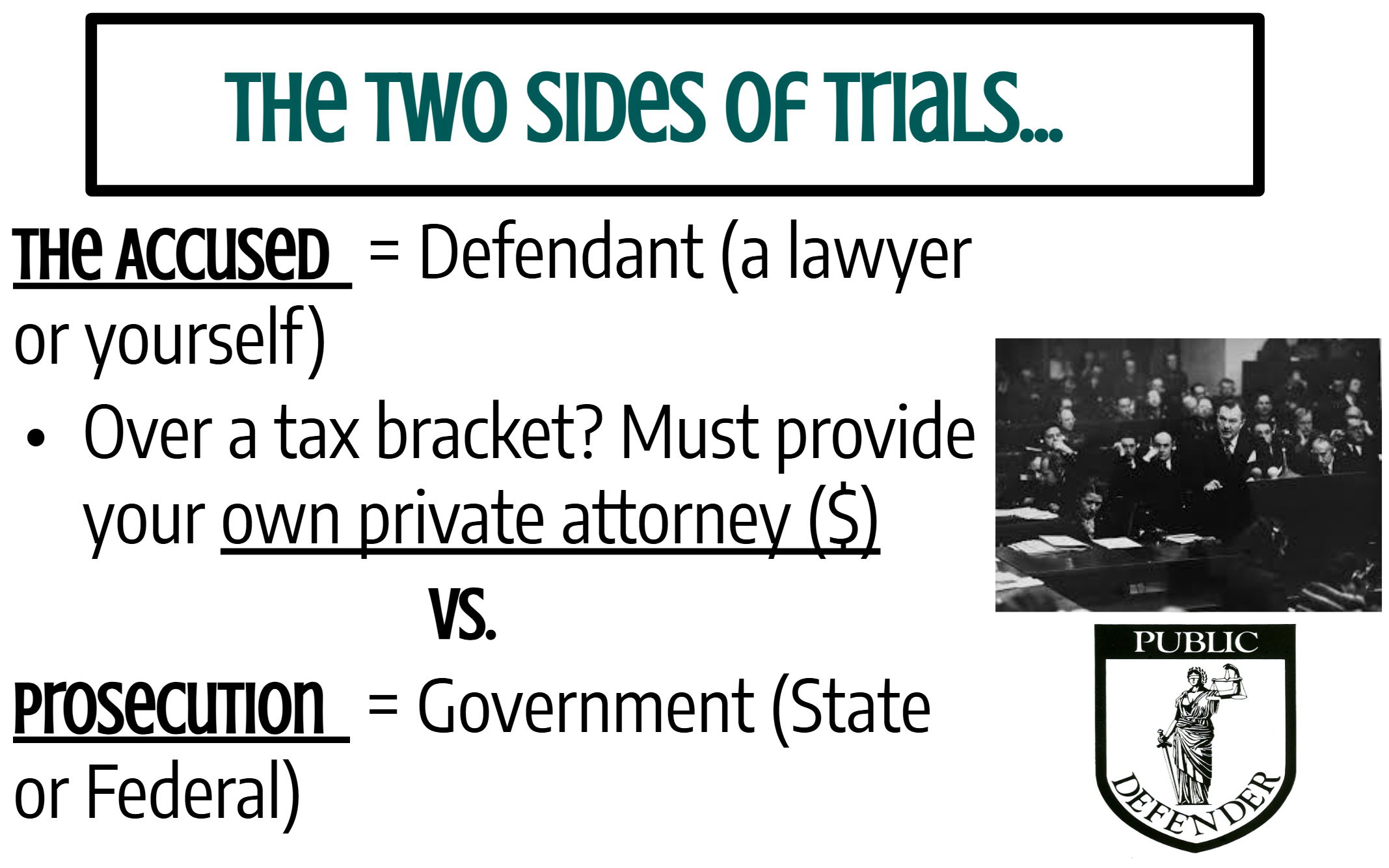
Who are the two sides in a criminal trial, and what is the main difference between them?
Prosecution and the defense; main difference is that the prosecution represents the state, while the defense represents the accused
The two sides are the investigator and the witness; the main difference is that the investigator gathers evidence
44
45
Multiple Choice
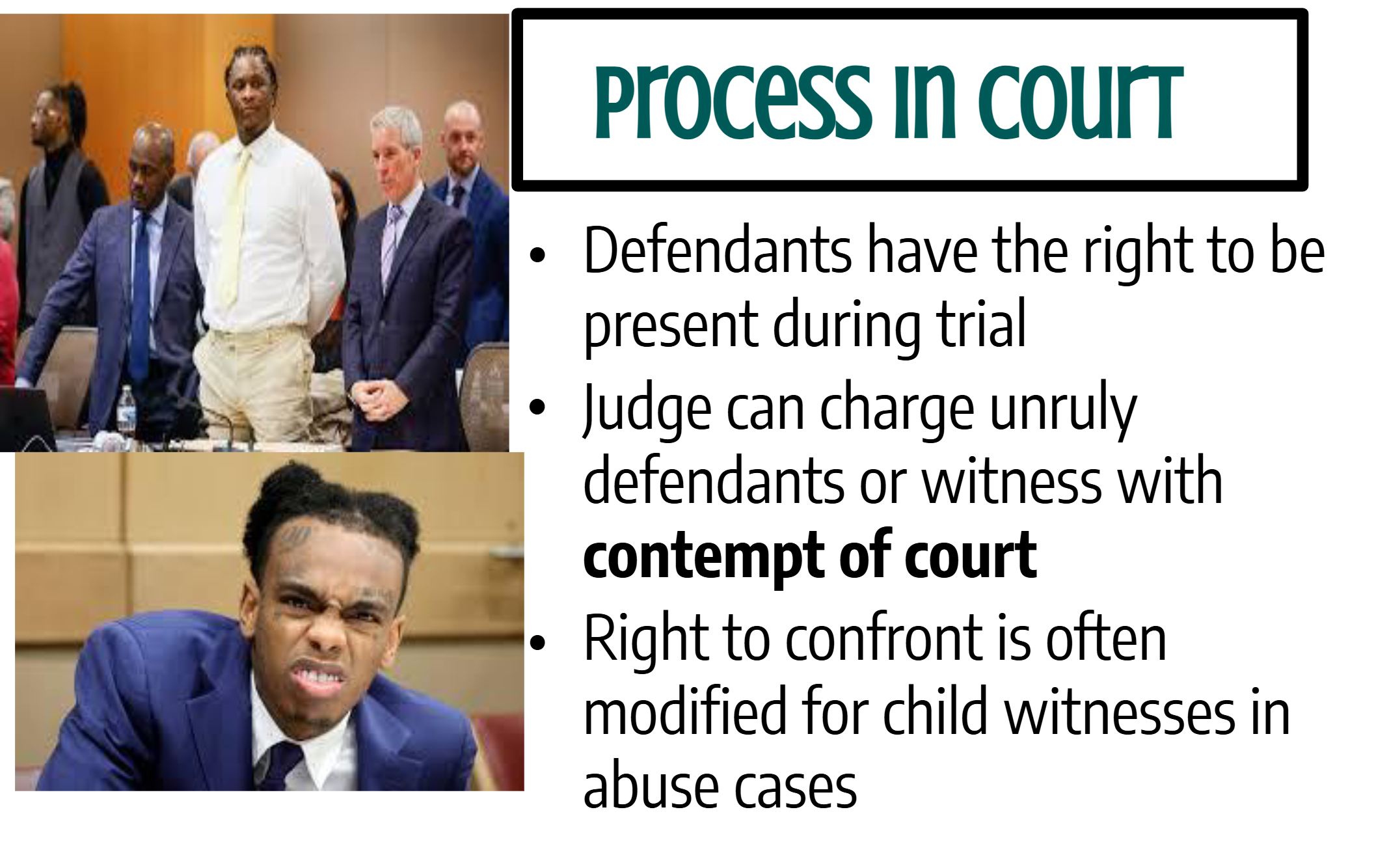
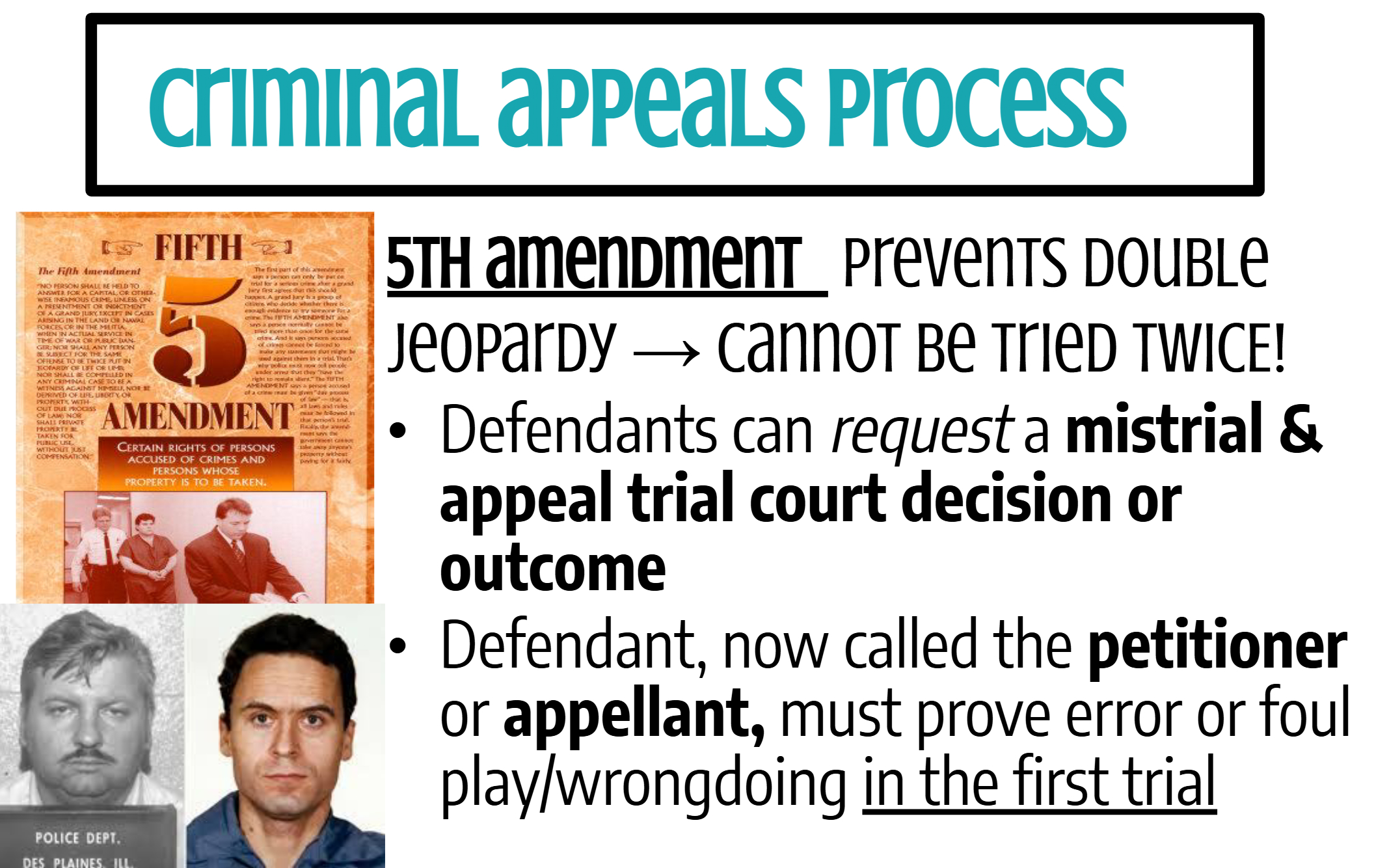
Which amendment prevents double jeopardy and allows defendants to appeal trial court decisions?
4th Amendment
5th Amendment
6th Amendment
8th Amendment
46
47
48
49
50
Multiple Choice

The graph below illustrates juvenile arrest rates for motor vehicle theft.
Which type of law is illustrated by the graph?
civil
constitutional
criminal
military
Show answer
Auto Play
Slide 1 / 50
SLIDE
Similar Resources on Wayground

42 questions
African Economics
Presentation
•
9th - 12th Grade
47 questions
Elkhorn History Images
Presentation
•
KG
45 questions
Purpose of Government
Presentation
•
9th - 12th Grade
44 questions
Rise of Mao and Communism in China
Presentation
•
10th - 12th Grade
44 questions
Social Stratification
Presentation
•
9th - 12th Grade
41 questions
Termenii
Presentation
•
9th - 12th Grade
41 questions
Nixon, Ford, Carter
Presentation
•
9th - 12th Grade
46 questions
Trigonometric Ratios
Presentation
•
9th - 12th Grade
Popular Resources on Wayground
10 questions
How much do you know about our Portrait of an Eagle?

Quiz
•
10th Grade
10 questions
Fast Food Slogans
Quiz
•
6th - 8th Grade
21 questions
Continents and Oceans
Quiz
•
6th Grade
20 questions
Parts of Speech
Quiz
•
5th Grade
16 questions
Subject & Predicate
Quiz
•
5th Grade
25 questions
Multiplication Facts
Quiz
•
5th Grade
12 questions
Map Skills
Quiz
•
3rd Grade
22 questions
Continents and Oceans
Quiz
•
5th Grade
Discover more resources for Social Studies
10 questions
Exploring the Age of Exploration: Key Events and Figures

Interactive video
•
6th - 10th Grade
17 questions
1.3 Review
Presentation
•
11th Grade
10 questions
Exploring the 13 Colonies Regions
Interactive video
•
6th - 10th Grade
8 questions
Smith Unit 5 Quick Check #1 Big Business, Monopolies &Technology
Quiz
•
11th Grade
46 questions
Unit 1 Test REVIEW Ancient Greece and Rome
Quiz
•
9th - 12th Grade
10 questions
Exploring Ancient Mesopotamia Through Song
Interactive video
•
6th - 10th Grade
27 questions
Supply & Demand Test Review
Quiz
•
12th Grade
36 questions
Unit 5 Key Terms
Quiz
•
11th Grade - University