

PHS: Vital Signs WG PPT Part #1

Presentation
•
Health Sciences
•
10th Grade
•
Practice Problem
•
Medium

Deandrea Giles
Used 1+ times
FREE Resource
27 Slides • 30 Questions
1

2
3
Open Ended
In what ways can monitoring vital signs impact patient outcomes in healthcare settings?
4
Multiple Select
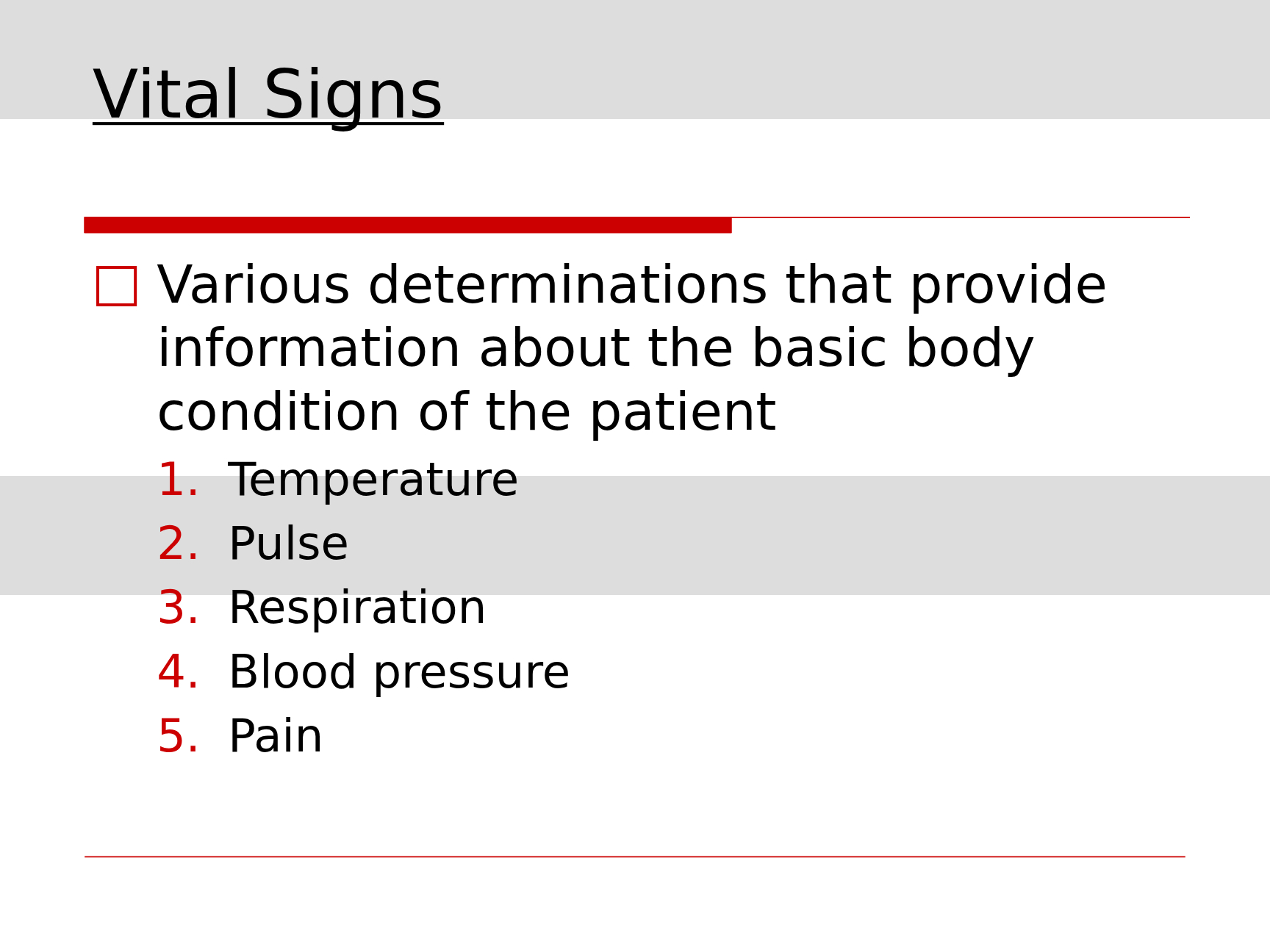
the main vital signs include
blood pressure
respirations and pulse
temperature
blood sugar
5
Multiple Choice
Why are vital signs considered essential in the field of health science?
They provide information about basic body conditions of a patient.
They are only used in emergency situations.
They are not important for patient care.
They are only measured in hospitals.
6
7
Multiple Choice
Which of the following is NOT considered a vital sign used to assess the basic body condition of a patient?
Temperature
Pulse
Respiration
Height
8
9
Open Ended
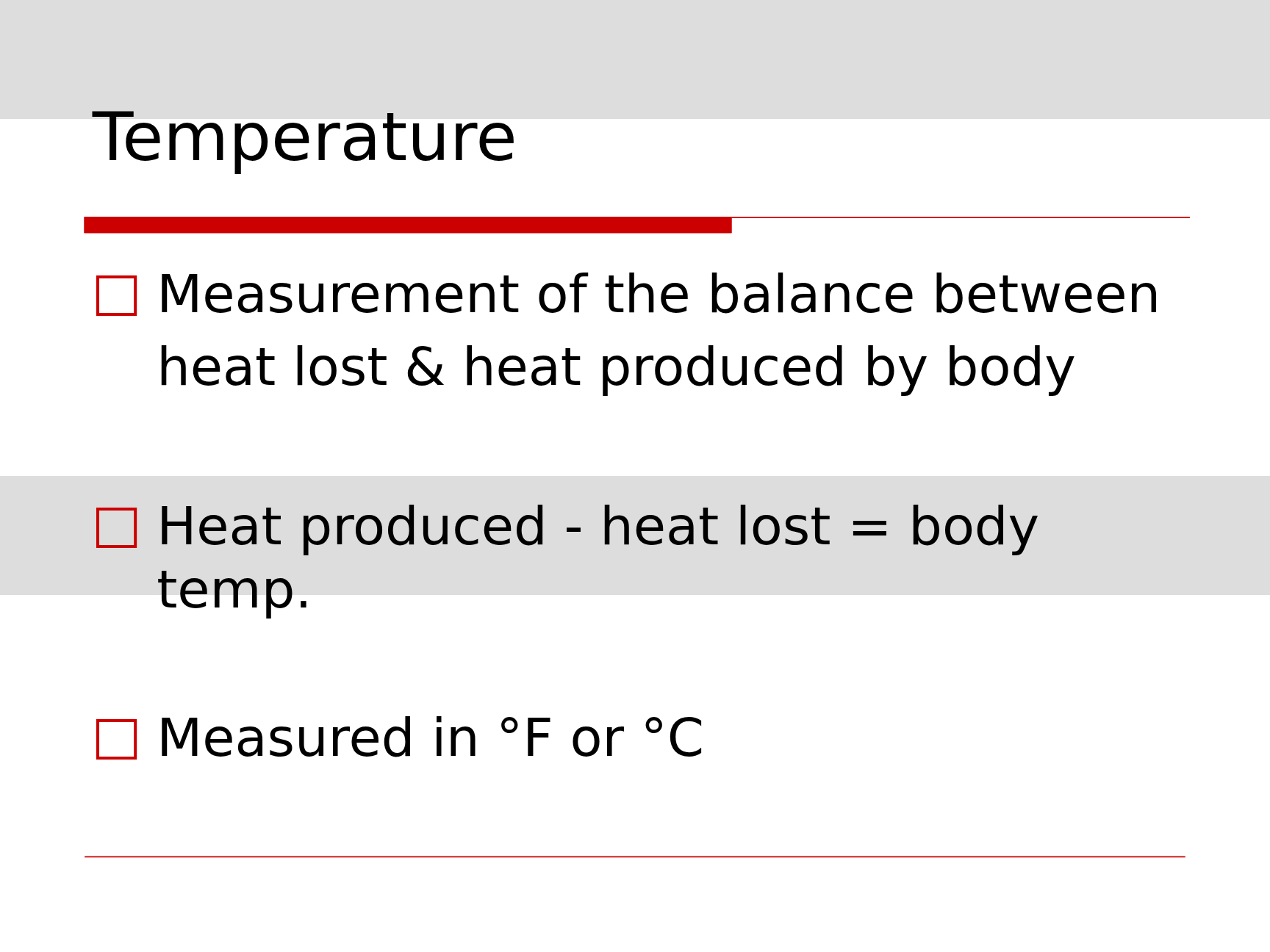
Explain how body temperature is regulated and measured in the human body.
10
11
Multiple Select
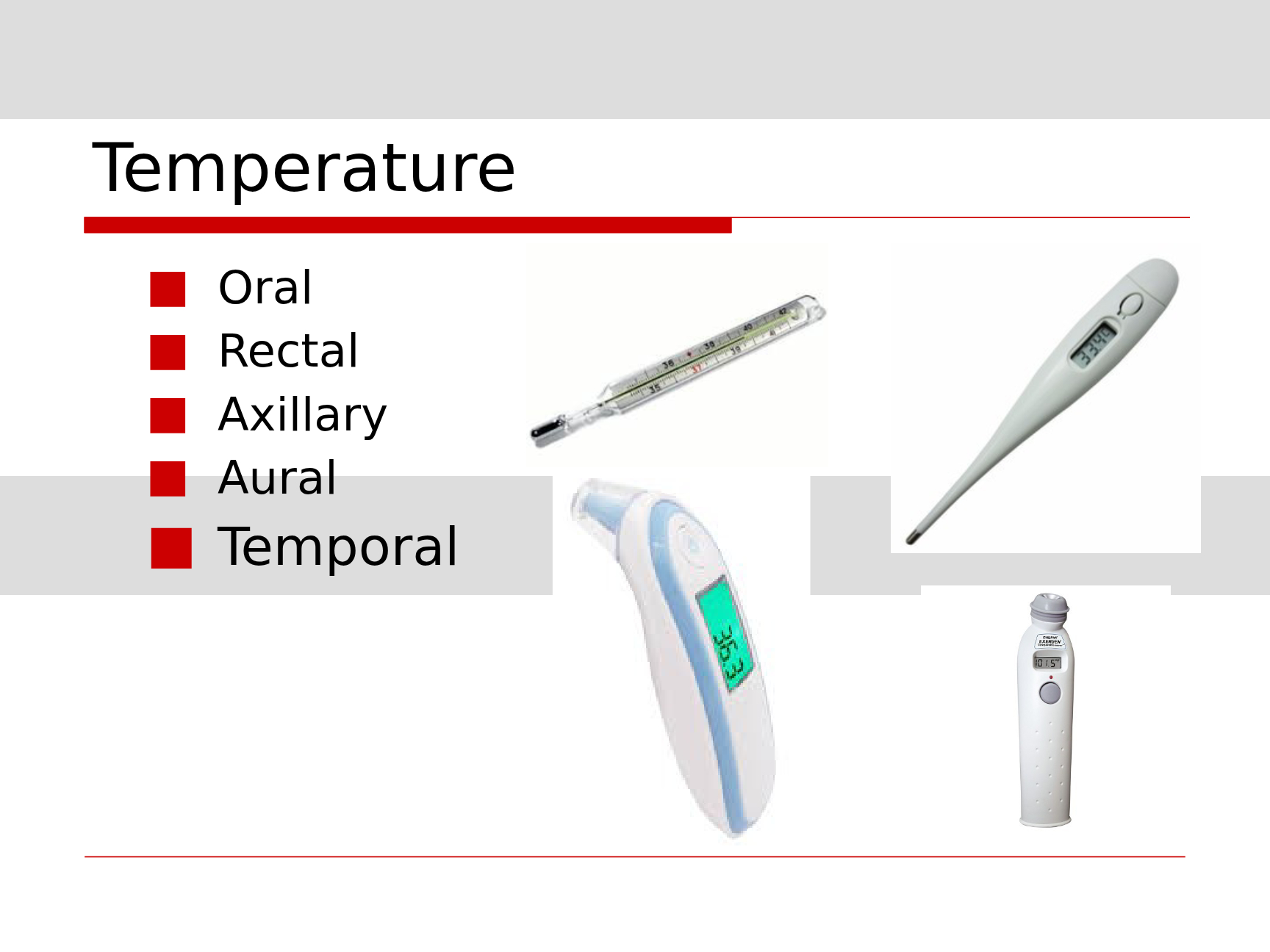
Which of the following are methods for measuring body temperature?
Oral
Rectal
Axillary
Blood pressure
12
13
Fill in the Blanks
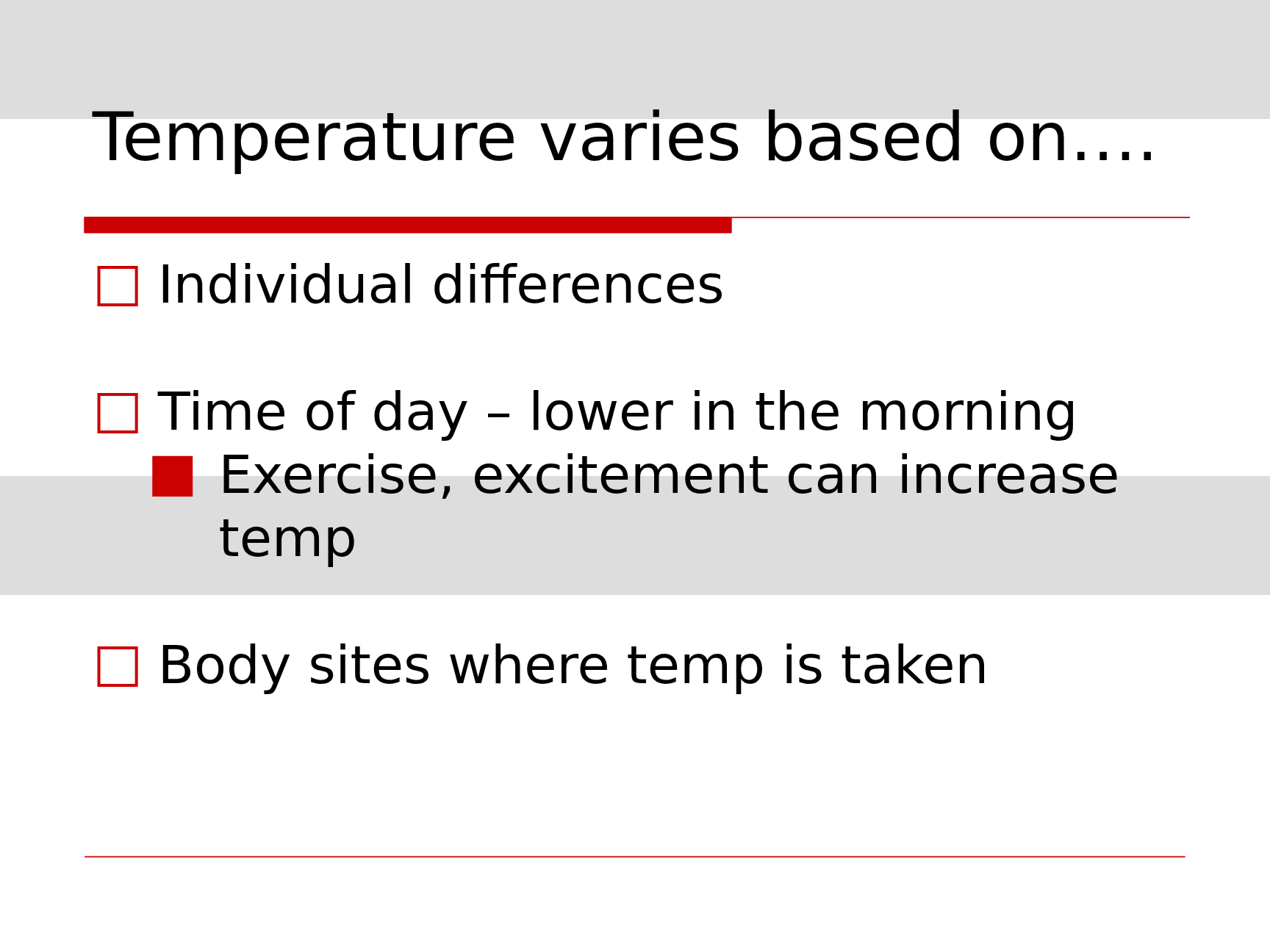
Temperature varies based on individual differences, time of day, and
14
15
Multiple Choice
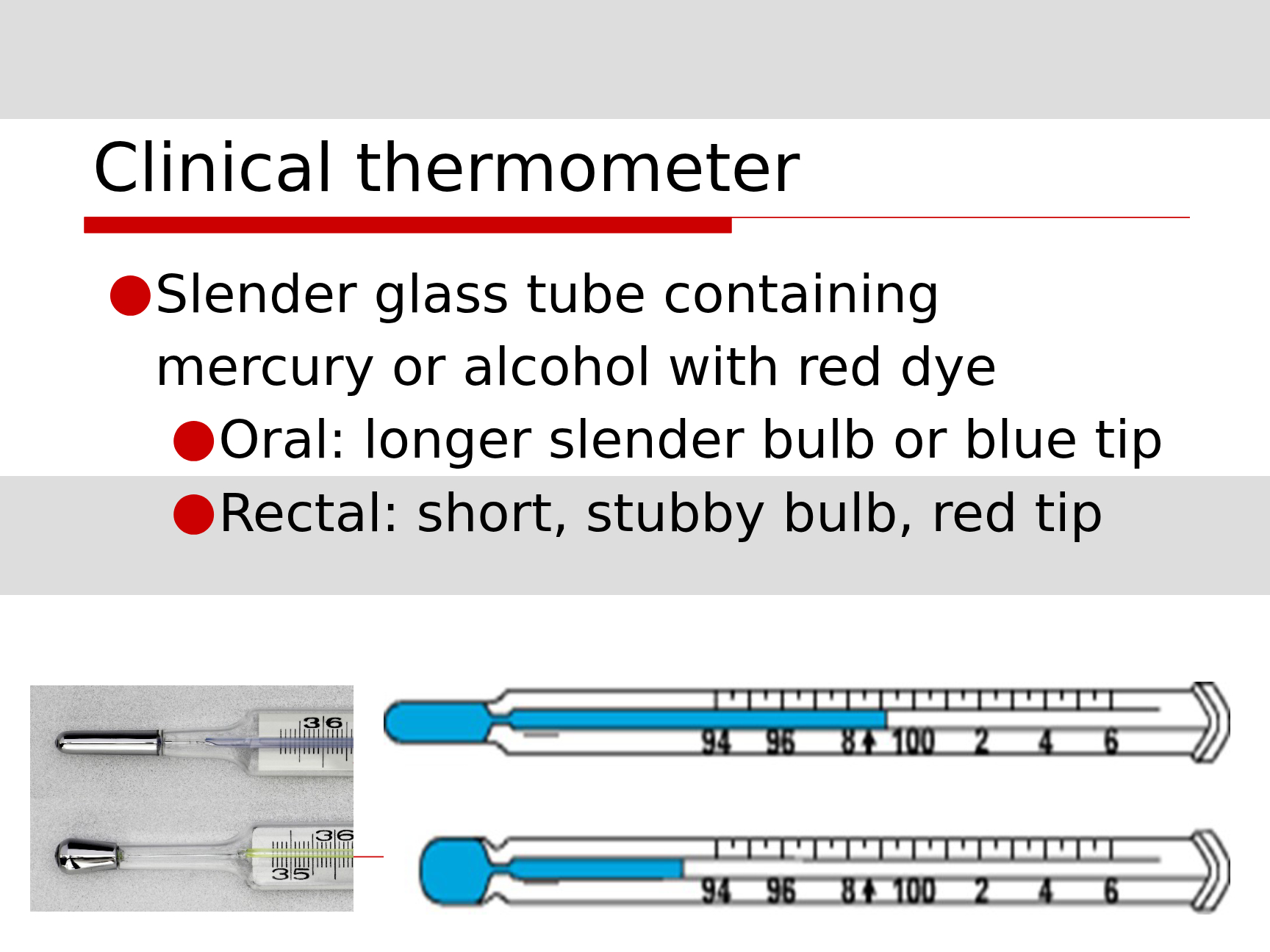
What is the main difference between an oral and a rectal clinical thermometer?
Oral thermometers have a longer slender bulb or blue tip, while rectal thermometers have a short, stubby bulb with a red tip.
Oral thermometers are digital, while rectal thermometers are analog.
Oral thermometers measure pulse, while rectal thermometers measure temperature.
Oral thermometers are only used for children, while rectal thermometers are only used for adults.
16
17
Open Ended
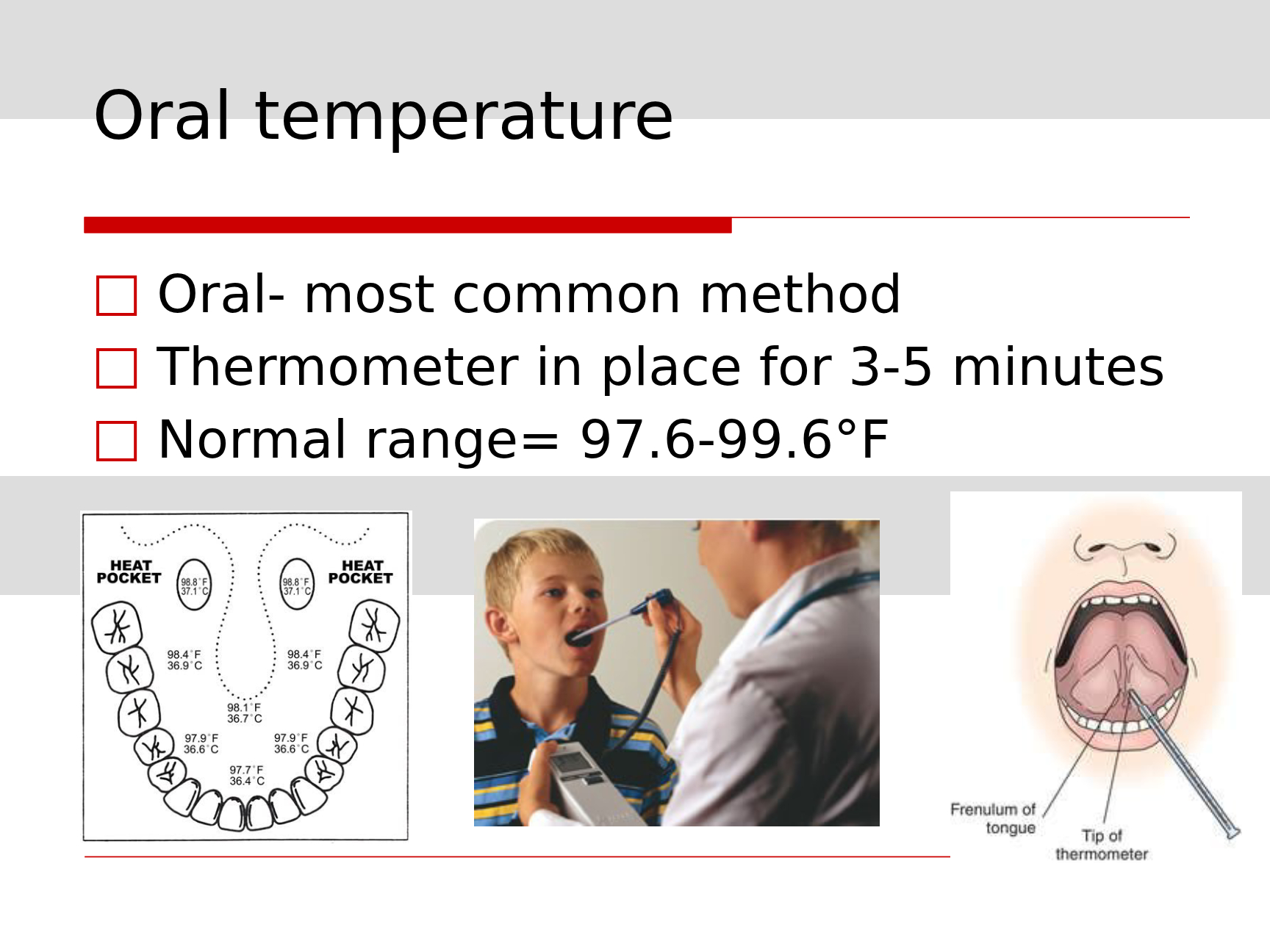
Describe the correct procedure for measuring oral temperature and state the normal range for oral temperature.
18
19
Open Ended
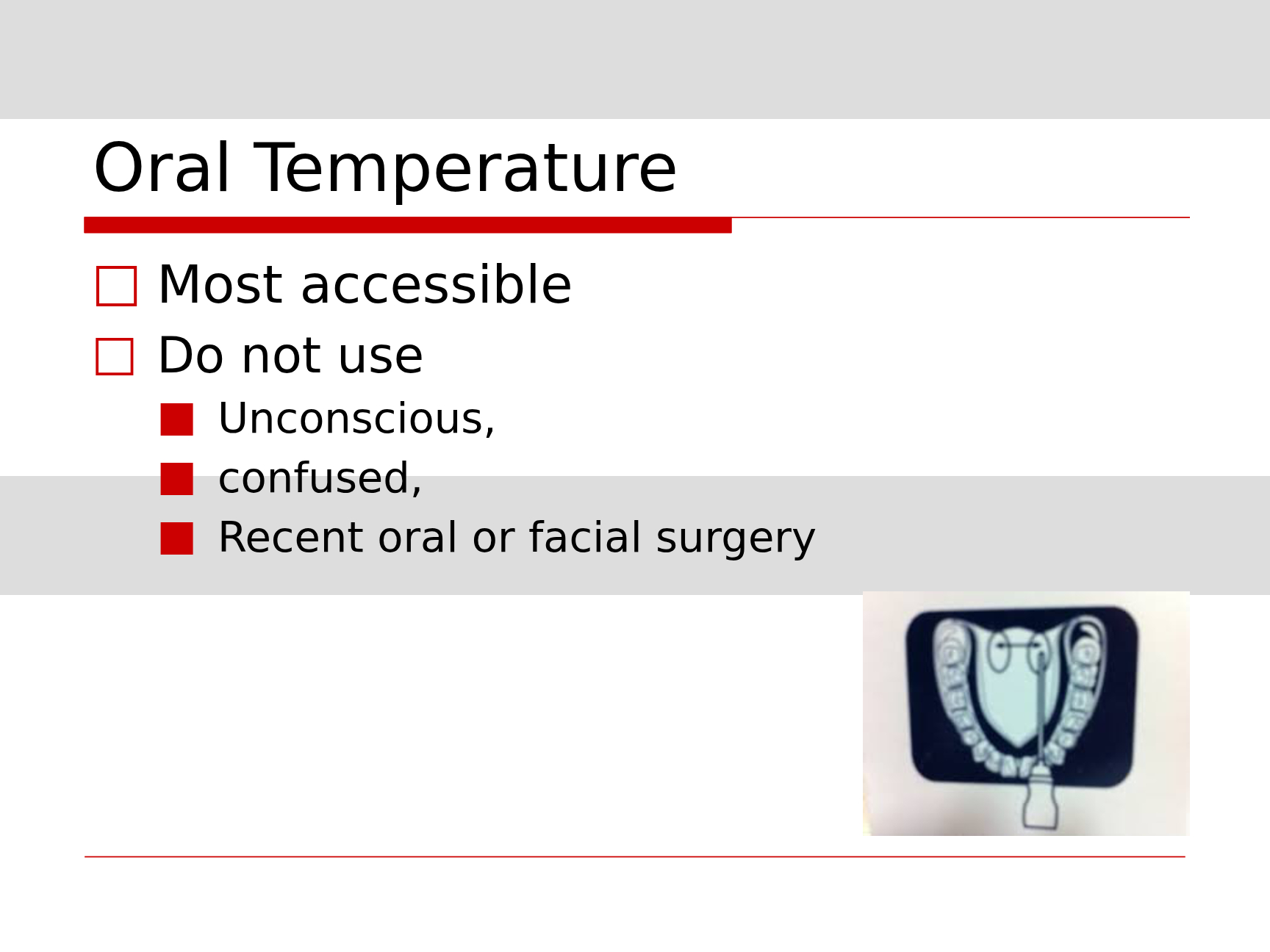
List two situations when oral temperature measurement should not be used.
20
21
Fill in the Blanks
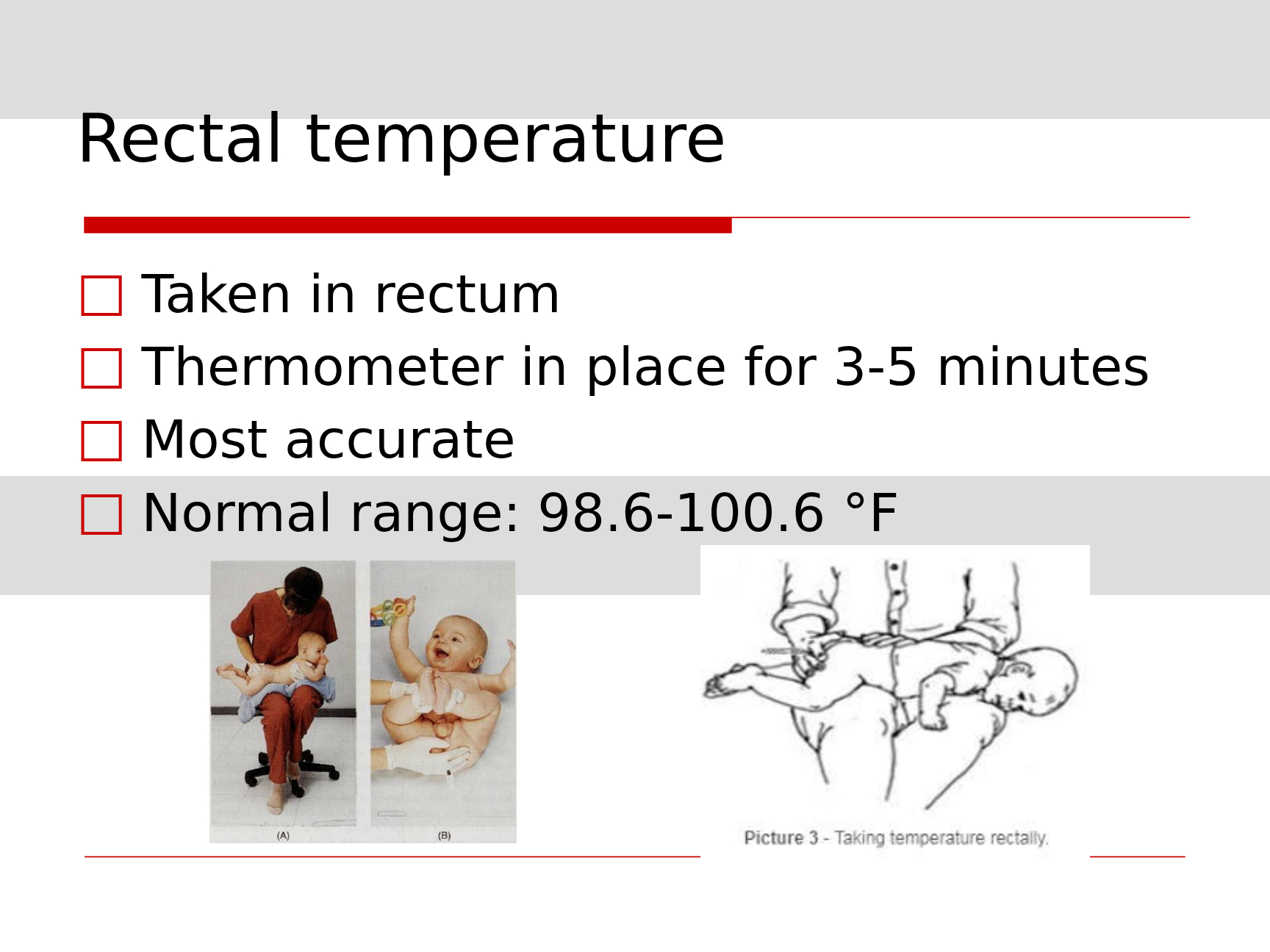
Fill in the blank: The normal range for rectal temperature is
22
23
Multiple Select
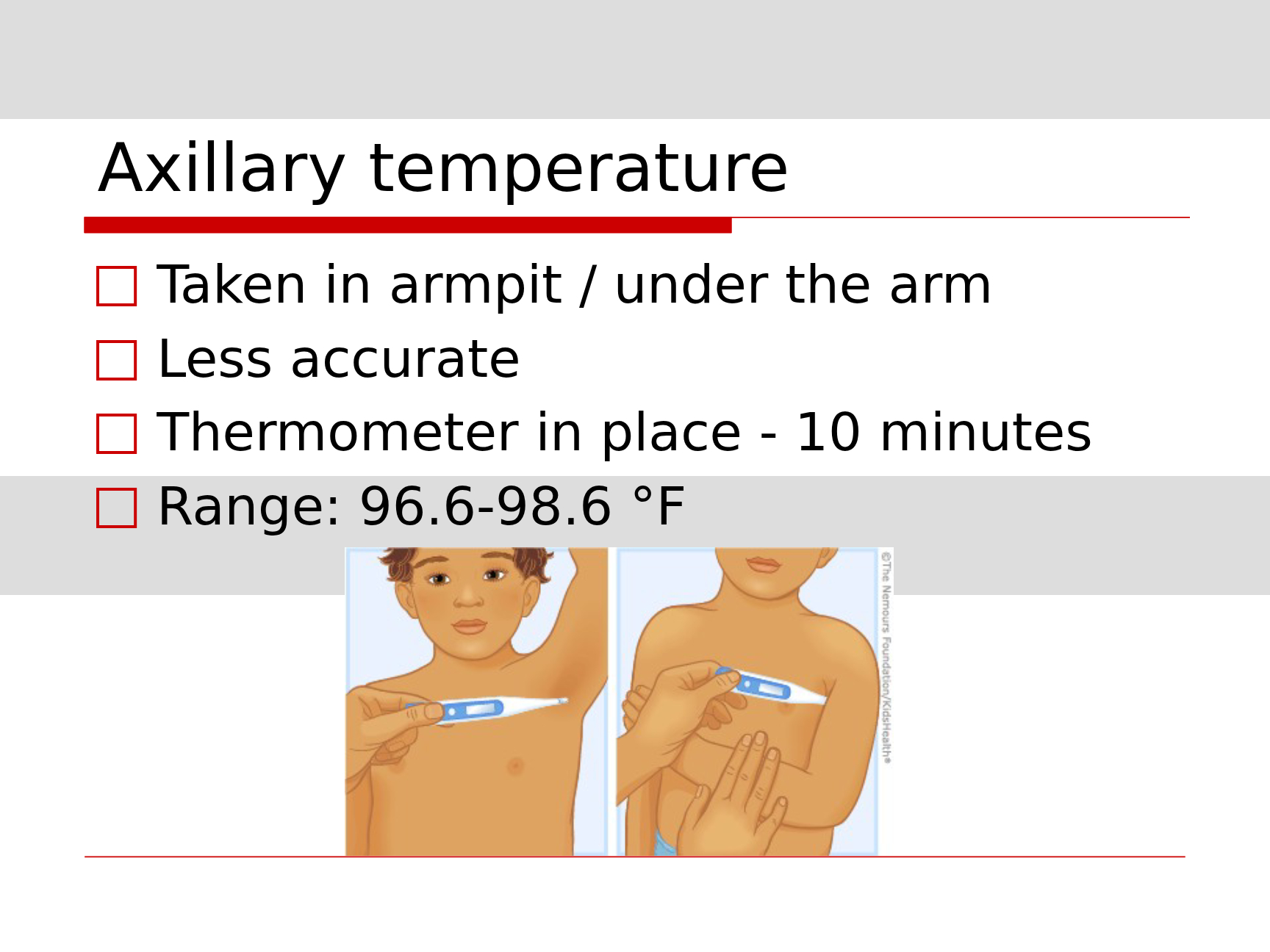
Which of the following are characteristics of axillary temperature measurement?
Taken in armpit
Most accurate
Thermometer in place for 10 minutes
Range: 96.6-98.6 °F
24
25
Open Ended
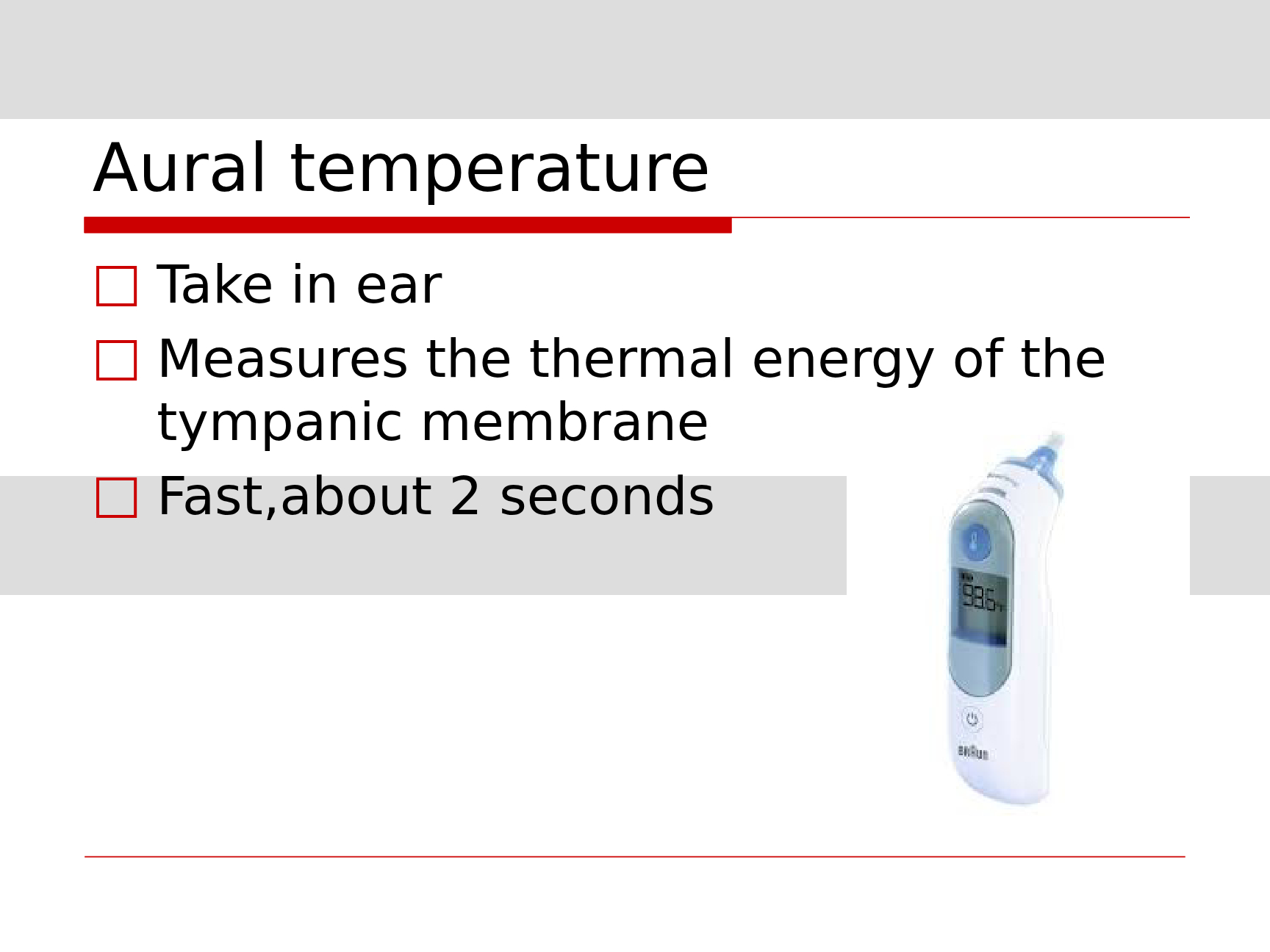
What does an aural thermometer measure and how quickly does it provide a reading?
26
27
Multiple Choice
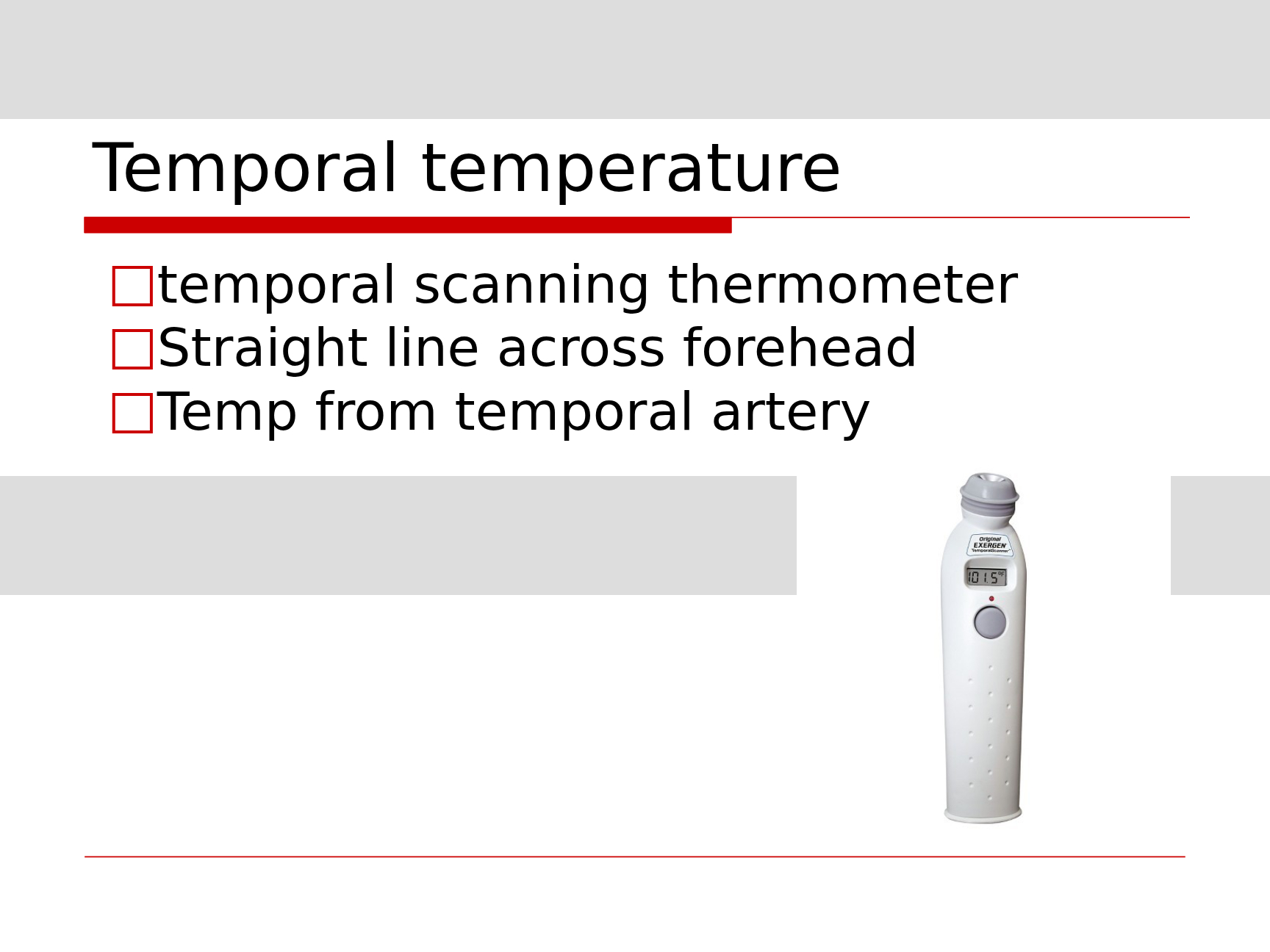
Which method of measuring body temperature is considered the most accurate?
Oral temperature
Rectal temperature
Axillary temperature
Aural temperature
28
29
Multiple Select
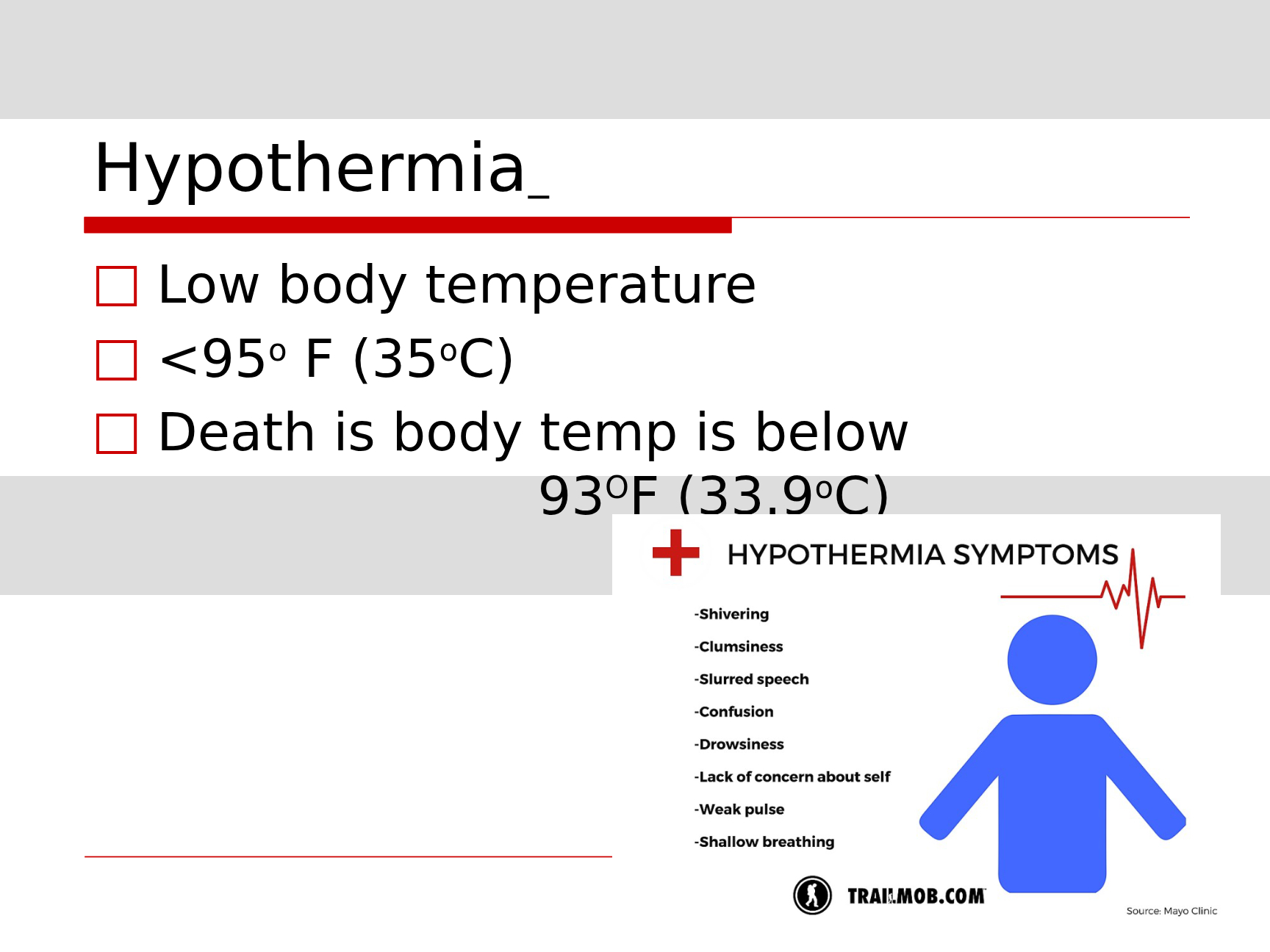
Which symptoms are commonly associated with hypothermia?
Shivering
High fever
Slurred speech
Weak pulse
30
31
Multiple Choice
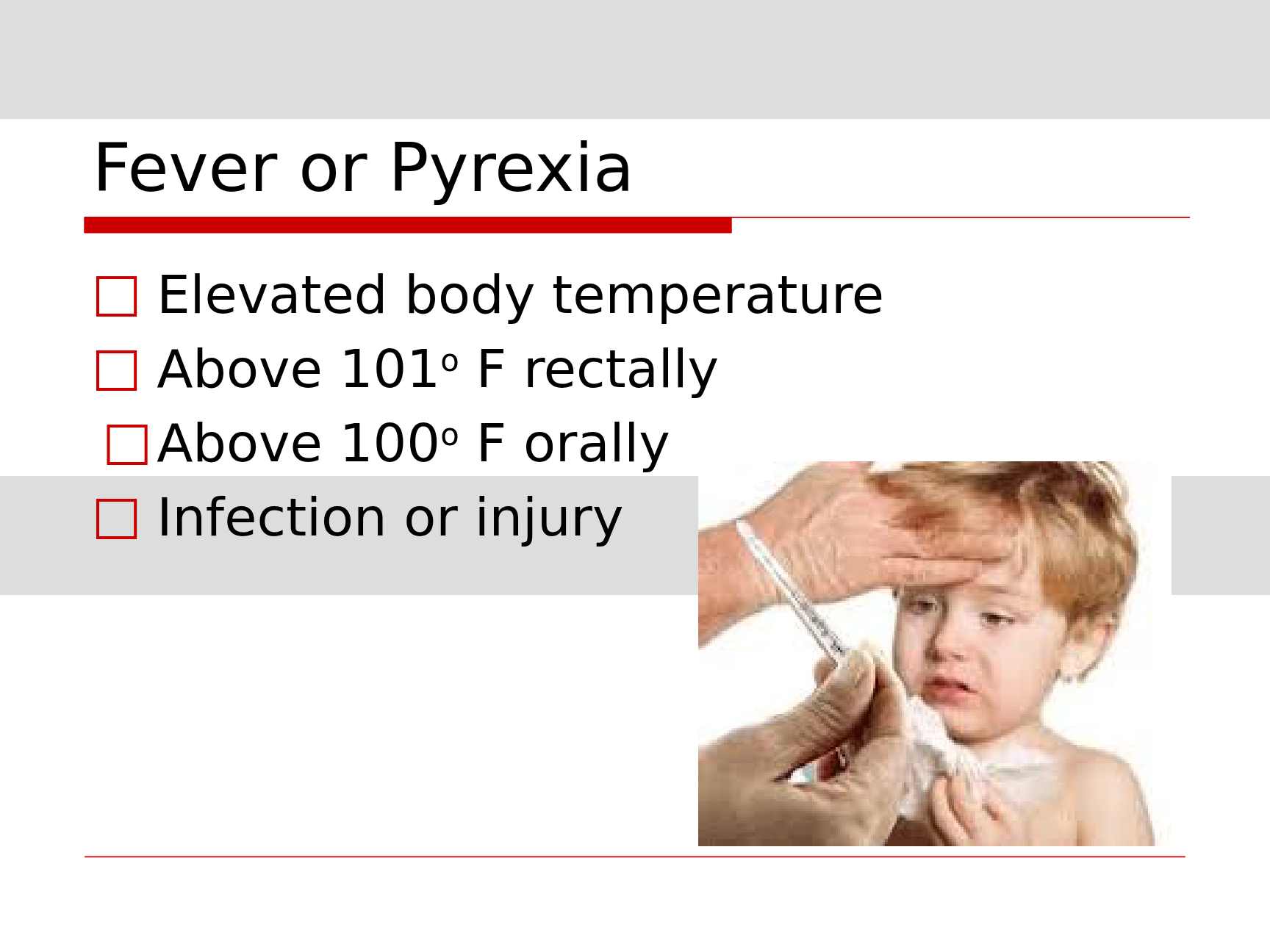
Which of the following is a possible cause of fever or pyrexia?
Dehydration
Infection or injury
Low blood sugar
Lack of sleep
32
33
Open Ended
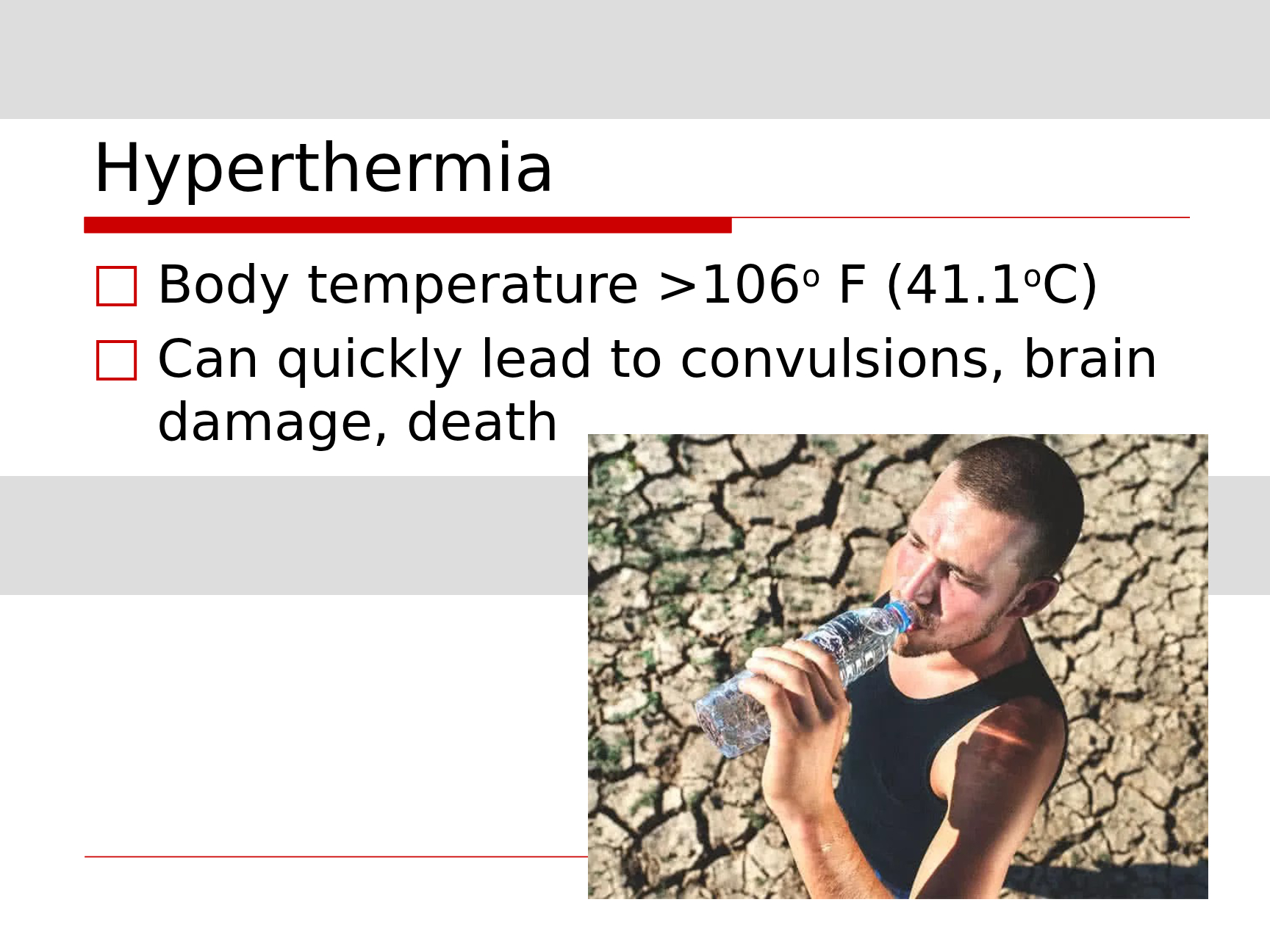
Compare and contrast fever (pyrexia) and hyperthermia in terms of their causes and potential consequences.
34

35
36
Multiple Select
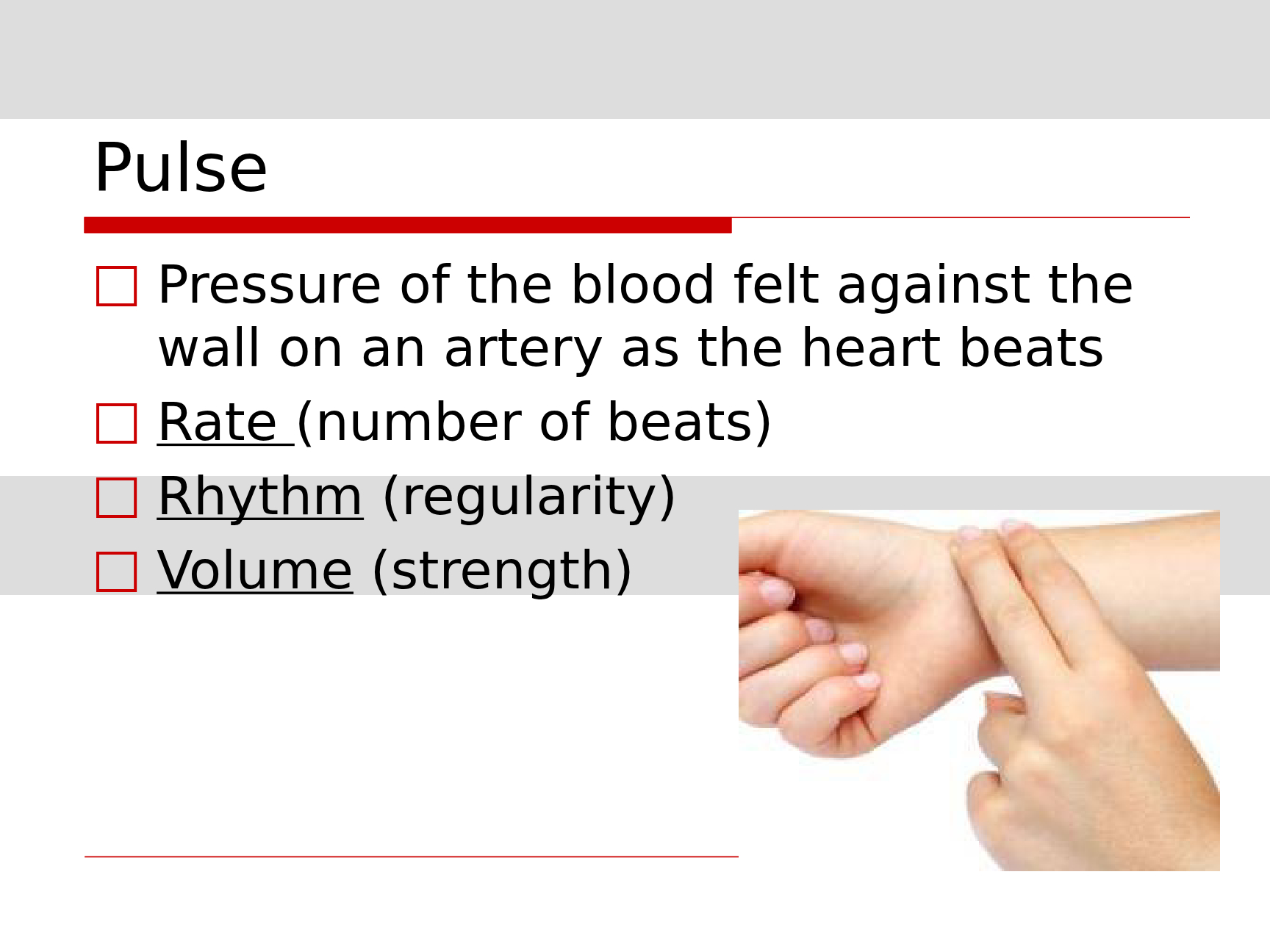
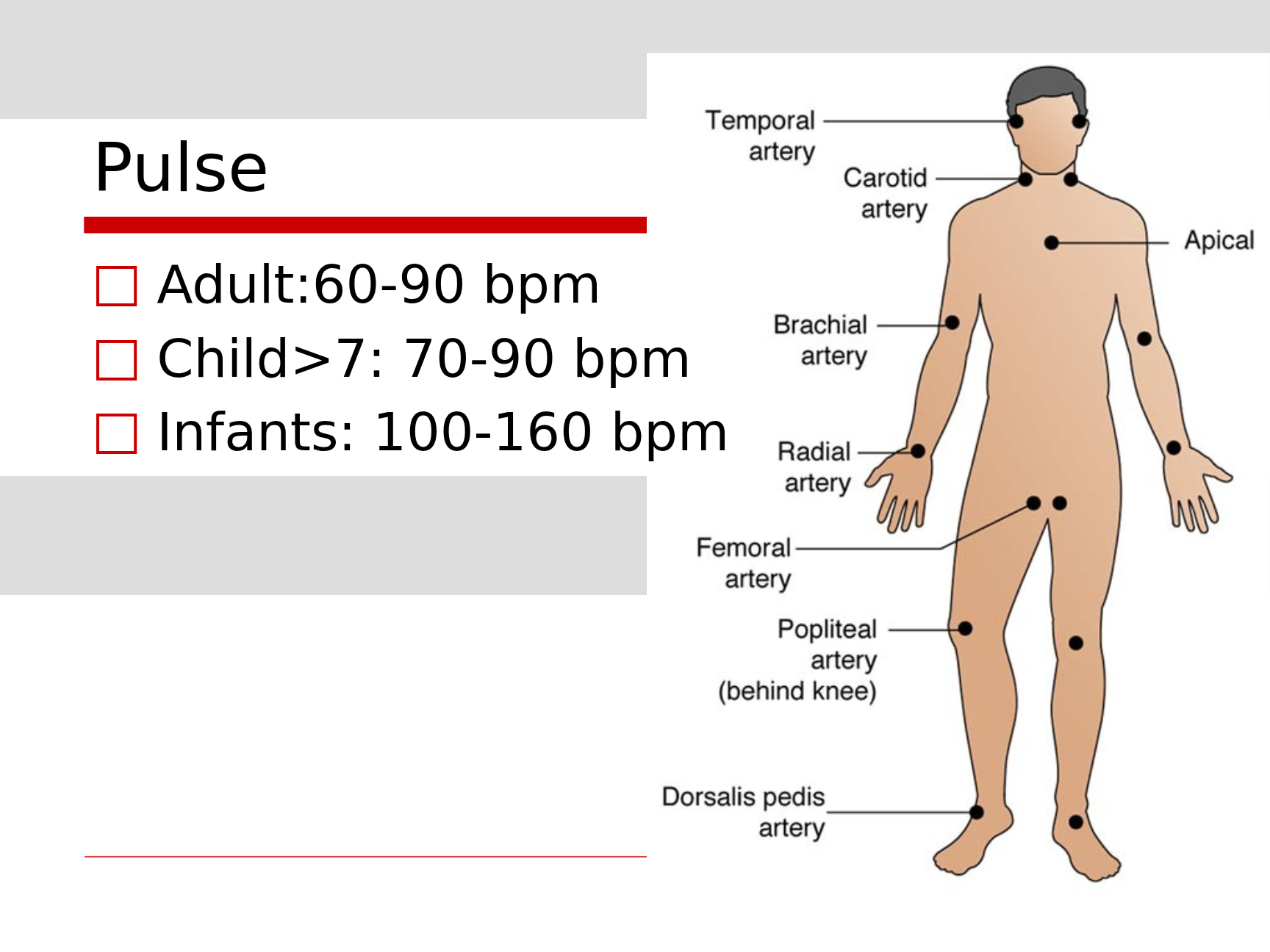
Pulse is the pressure of the blood felt against the wall on an artery as the heart beats. Which of the following are characteristics used to assess pulse?
Rate
Rhythm
Volume
Temperature
37
38
Fill in the Blanks
The normal pulse rate for an adult is
39
40
Open Ended
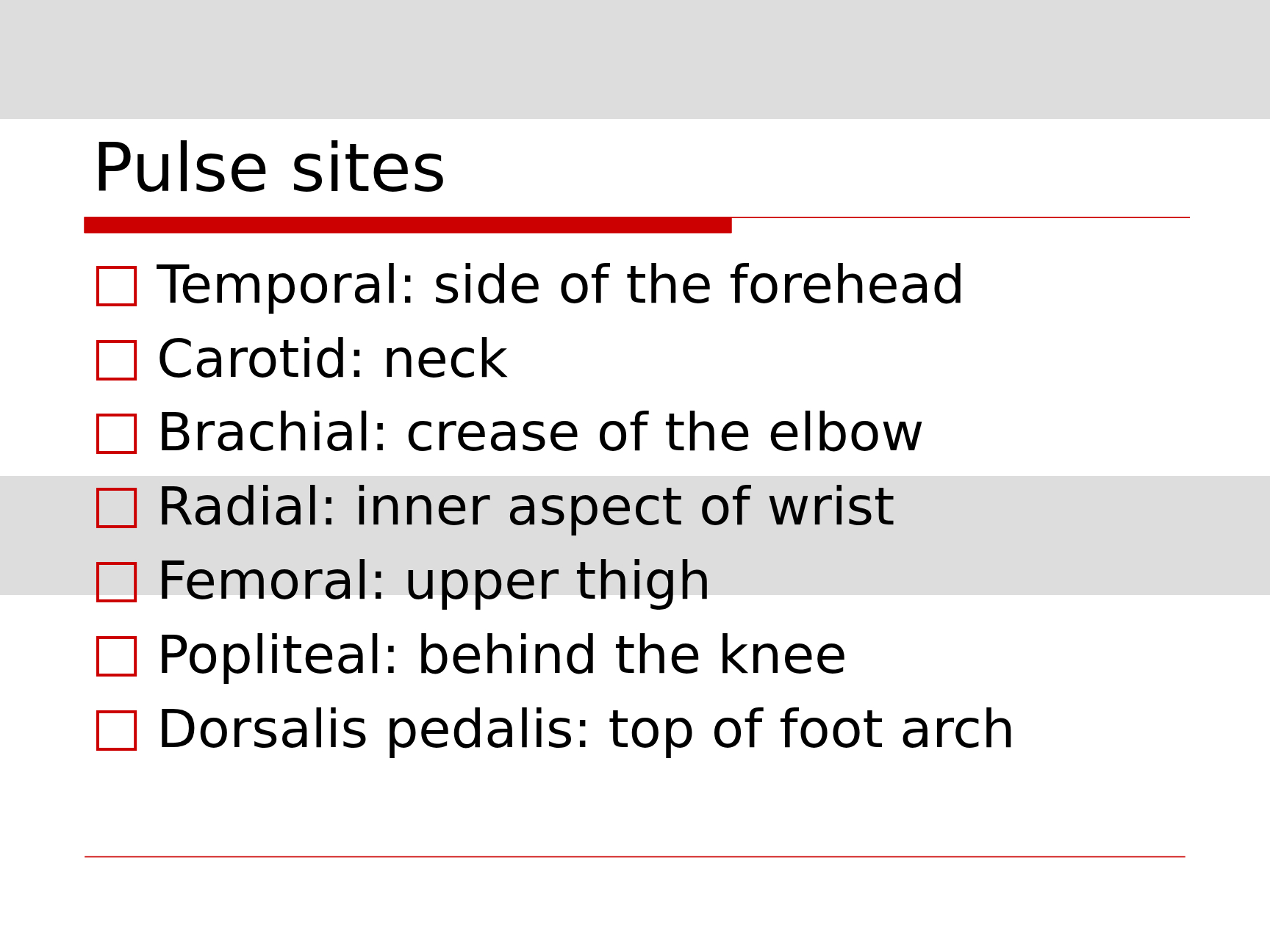
Explain why it is important to assess the pulse at different sites on the body. Provide examples of when specific sites might be preferred.
41
Multiple Choice
Which of the following pulse sites is located at the inner aspect of the wrist?
Temporal
Radial
Femoral
Carotid
42
43
Multiple Choice
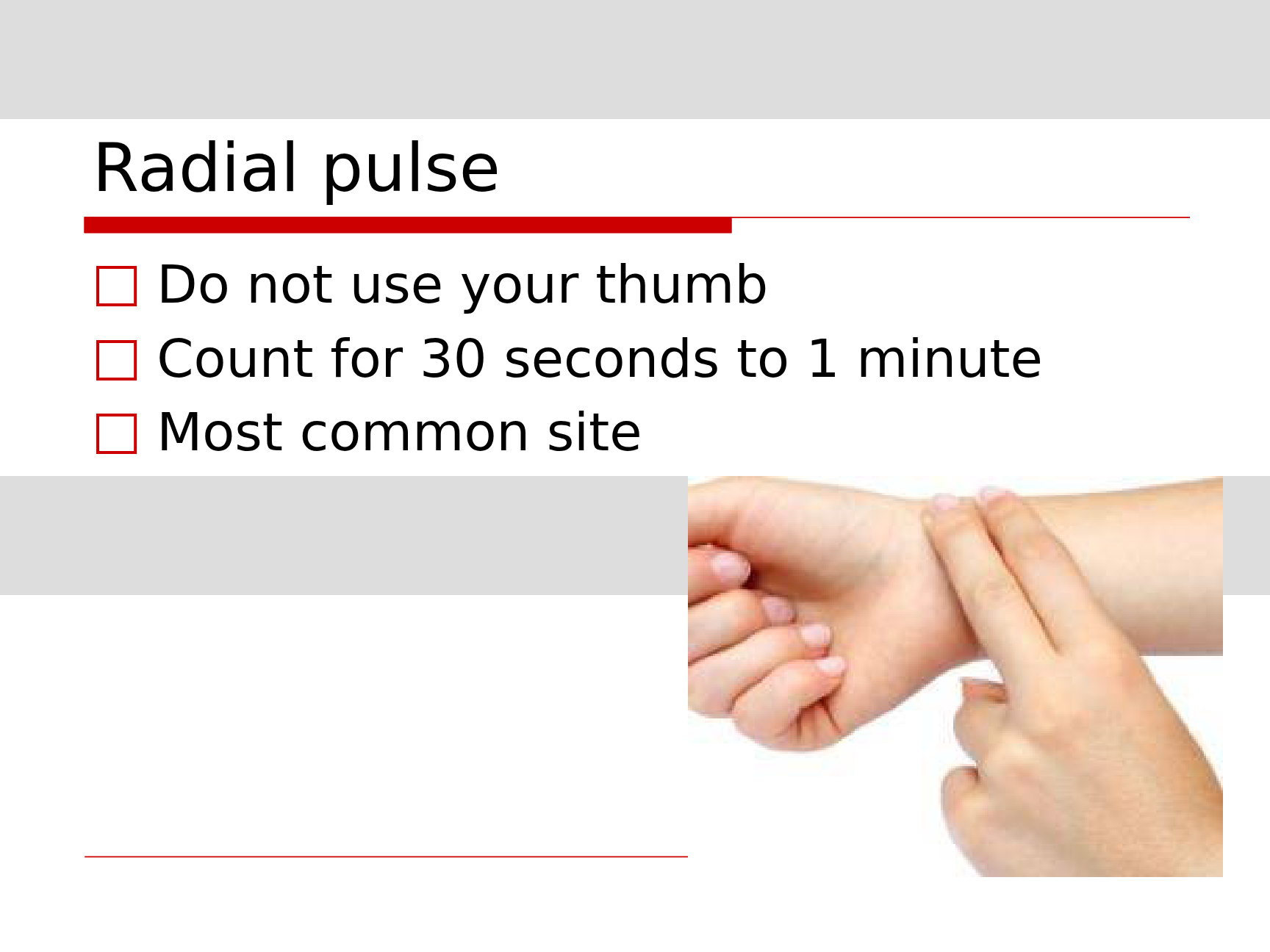
Which of the following is the most common site for measuring pulse?
Radial artery
Carotid artery
Femoral artery
Popliteal artery
44
45
Multiple Choice
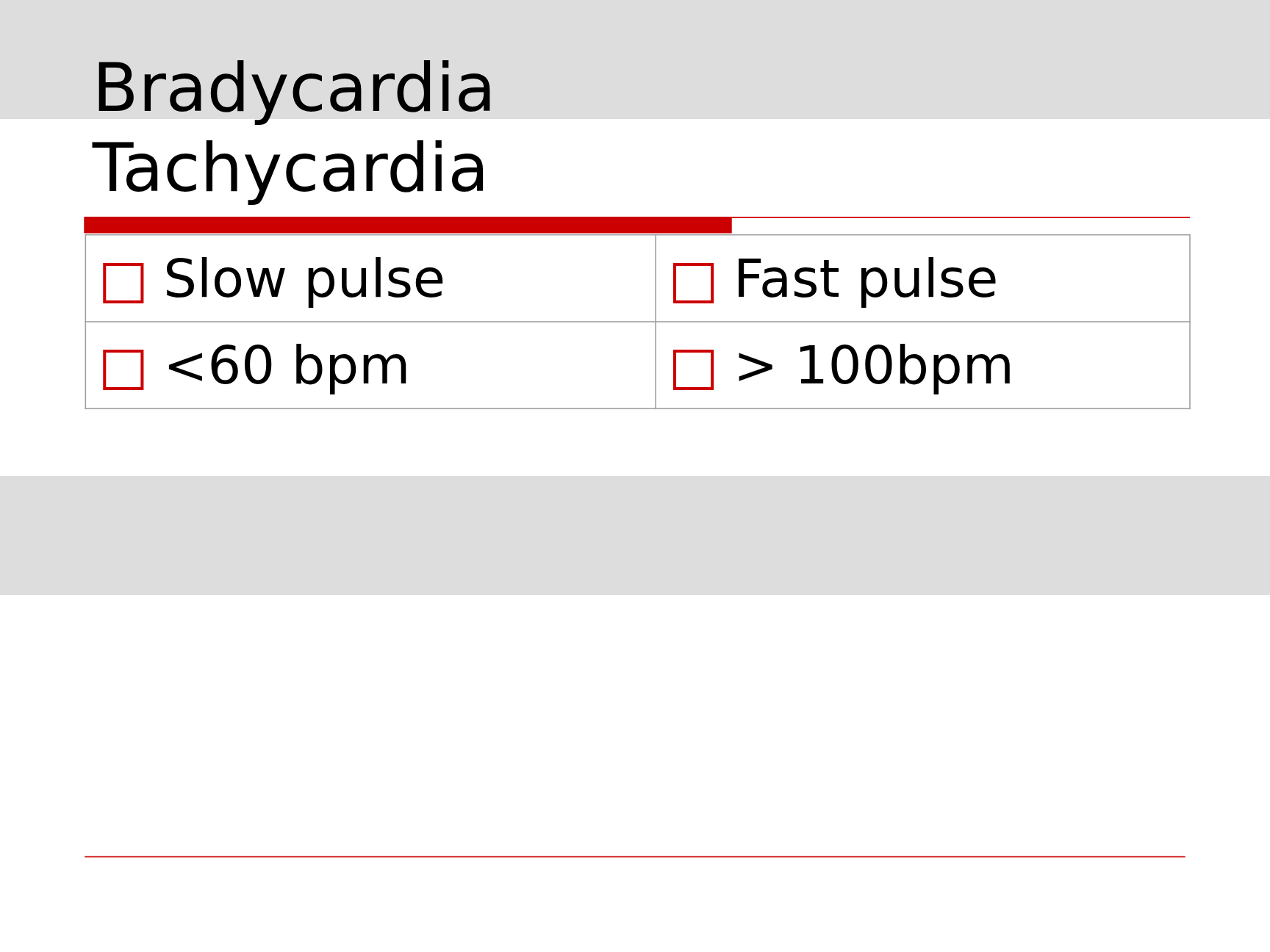
What is the difference between bradycardia and tachycardia?
Bradycardia is a slow pulse, tachycardia is a fast pulse
Bradycardia is a fast pulse, tachycardia is a slow pulse
Both are types of arrhythmia
Bradycardia is always dangerous, tachycardia is not
46
47
Open Ended
Describe what an arrhythmia is and how it might be detected during pulse assessment.
48
49
Fill in the Blanks
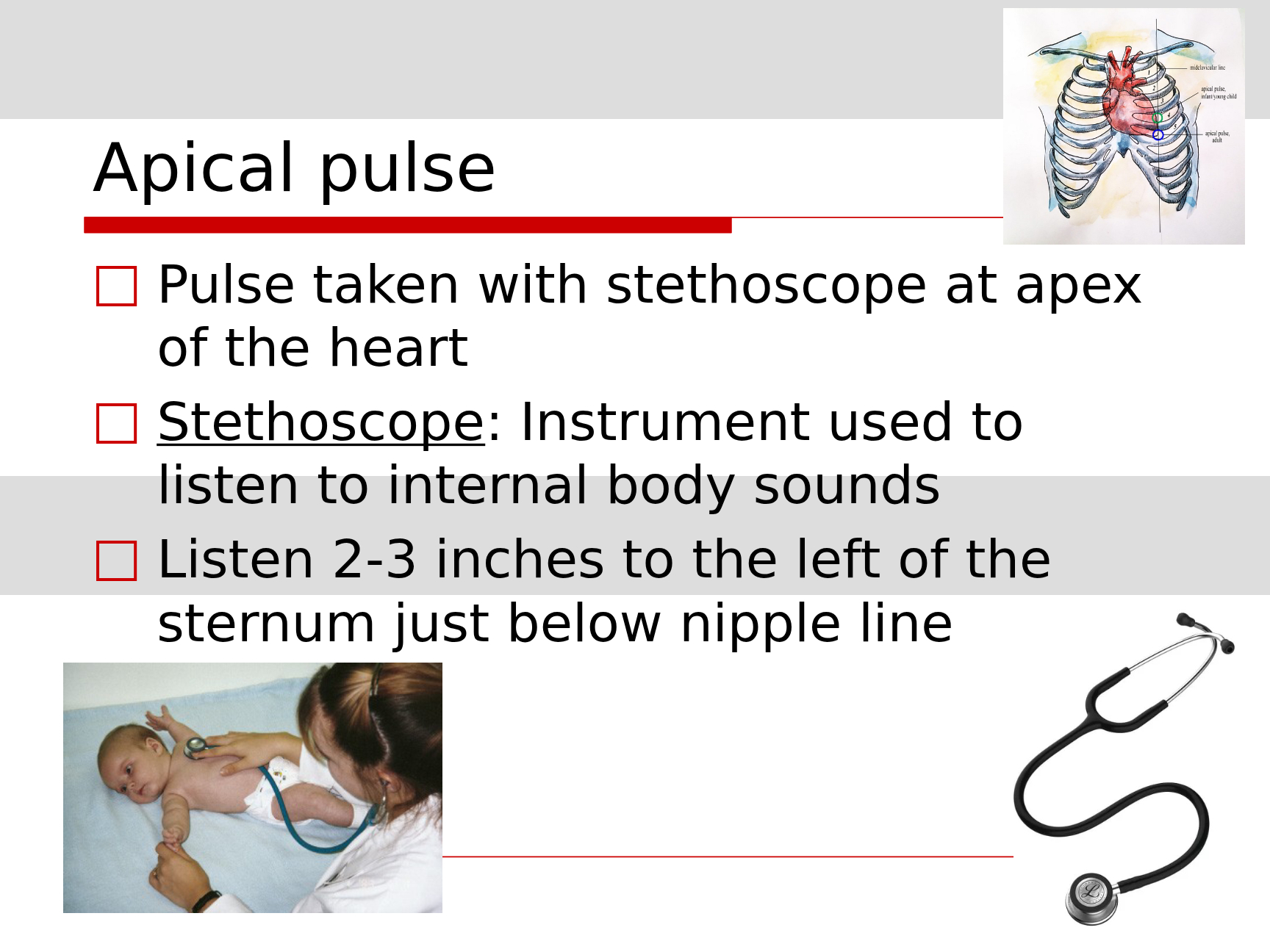
Fill in the blank: The instrument used to listen to internal body sounds is called a
50
51
Multiple Choice
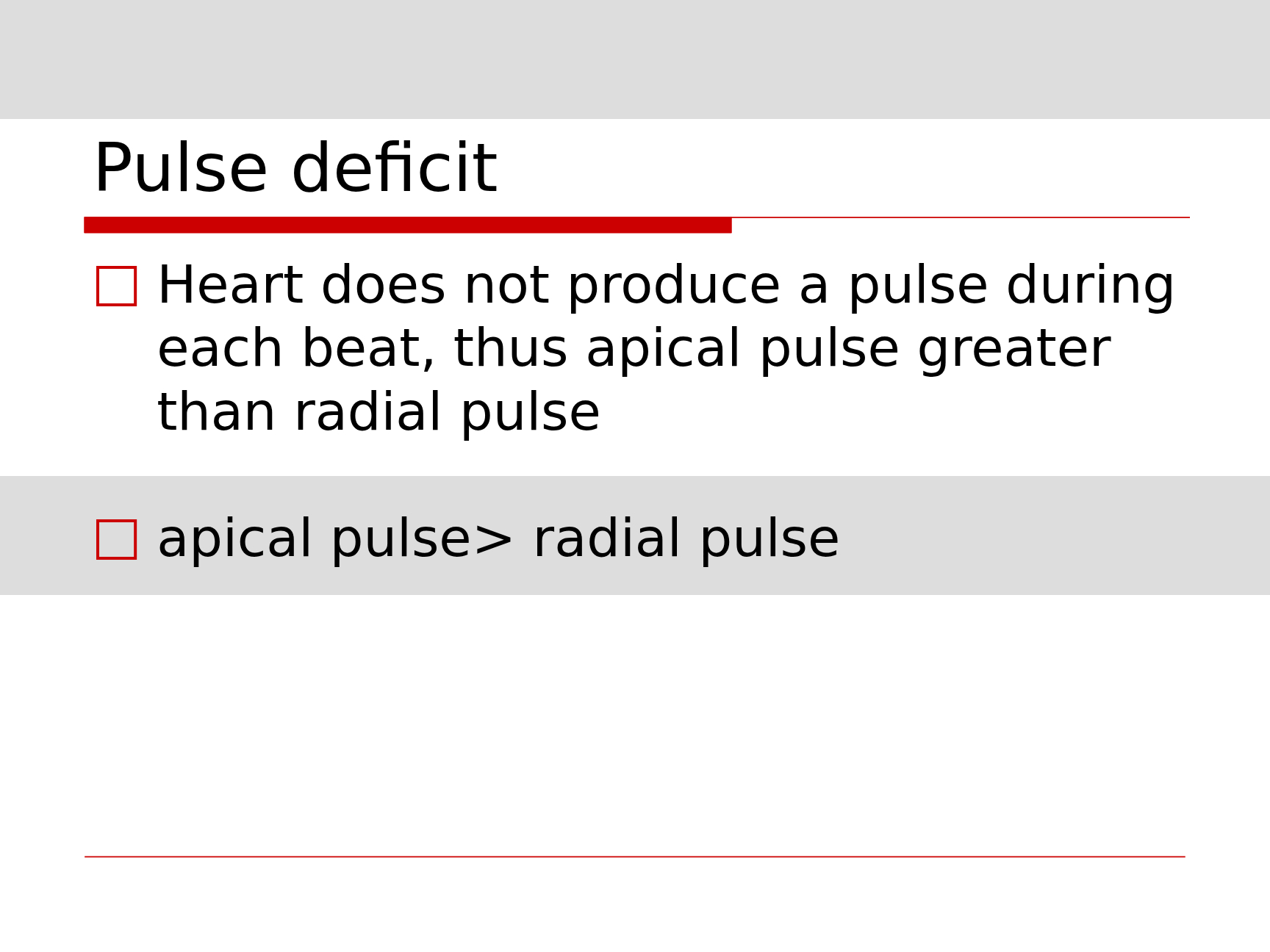
Which of the following statements about pulse deficit is correct?
Apical pulse is greater than radial pulse
Radial pulse is greater than apical pulse
Both pulses are always equal
Pulse deficit means absence of pulse
52
53
Multiple Select
Select all that apply: Which of the following terms are correctly matched with their definitions?
Bradycardia - Slow pulse
Tachycardia - Fast pulse
Arrhythmia - Regular rhythm
Apnea - Absence of respirations
54
55
Fill in the Blanks
Vital signs are various determinations that provide information about basic body conditions of
56
Open Ended
How would you explain the importance of vital signs in assessing a patient's health?
57
Multiple Choice
What is the definition of tachypnea?
A fast respiratory rate, RR > 25 respirations per minute
A slow respiratory rate, RR < 10 respirations per minute
Normal respiratory rate, RR = 12-20 respirations per minute
Irregular breathing pattern
Show answer
Auto Play
Slide 1 / 57
SLIDE
Similar Resources on Wayground

49 questions
1 - Slope
Presentation
•
10th Grade
52 questions
Adonde Vas
Presentation
•
10th Grade
52 questions
Acid and Bases - Properties
Presentation
•
10th Grade
56 questions
Biology EOC Review
Presentation
•
9th - 10th Grade
52 questions
9 Emerging Europe and the Byzantine Empire
Presentation
•
10th Grade
51 questions
Día de los Muertos Lesson
Presentation
•
10th Grade
50 questions
Colors in Spanish
Presentation
•
9th Grade
54 questions
Part 4 EOC Review
Presentation
•
10th Grade
Popular Resources on Wayground
10 questions
Safety Day 2026 – Student Review

Quiz
•
9th Grade
21 questions
Continents and Oceans
Quiz
•
6th Grade
20 questions
Parts of Speech
Quiz
•
5th Grade
16 questions
Subject & Predicate
Quiz
•
5th Grade
25 questions
Multiplication Facts
Quiz
•
5th Grade
12 questions
Map Skills
Quiz
•
3rd Grade
22 questions
Continents and Oceans
Quiz
•
5th Grade
15 questions
Rounding Decimals
Quiz
•
5th Grade
Discover more resources for Health Sciences
26 questions
SLIME!!!!!
Quiz
•
KG - 12th Grade
20 questions
Cell organelles and functions
Quiz
•
10th Grade
10 questions
Exploring Chemical and Physical Changes

Interactive video
•
6th - 10th Grade
20 questions
Cell Transport
Quiz
•
9th - 12th Grade
10 questions
Exploring the Basics of Exponents
Interactive video
•
6th - 10th Grade
20 questions
Budgeting
Quiz
•
9th - 12th Grade
20 questions
Investing
Quiz
•
9th - 12th Grade
20 questions
Preterite vs. Imperfect
Quiz
•
10th Grade