

PHS: Vital Signs PPT WG Part #2

Presentation
•
Health Sciences
•
10th Grade
•
Practice Problem
•
Medium

Deandrea Giles
Used 1+ times
FREE Resource
23 Slides • 25 Questions
1
2
Open Ended
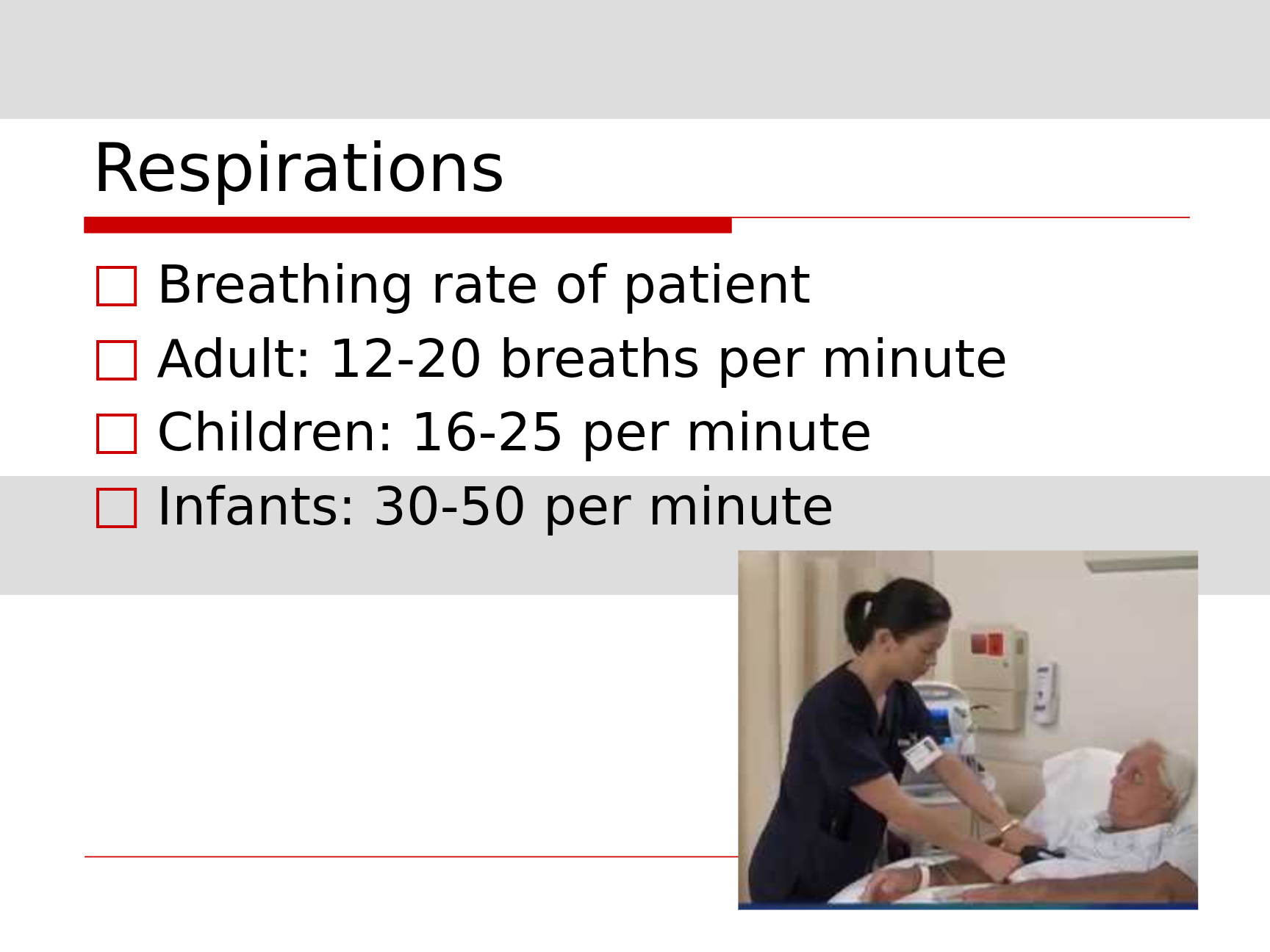
Why is it important to monitor the respiration rate in patients of different age groups?
3
4
Multiple Choice
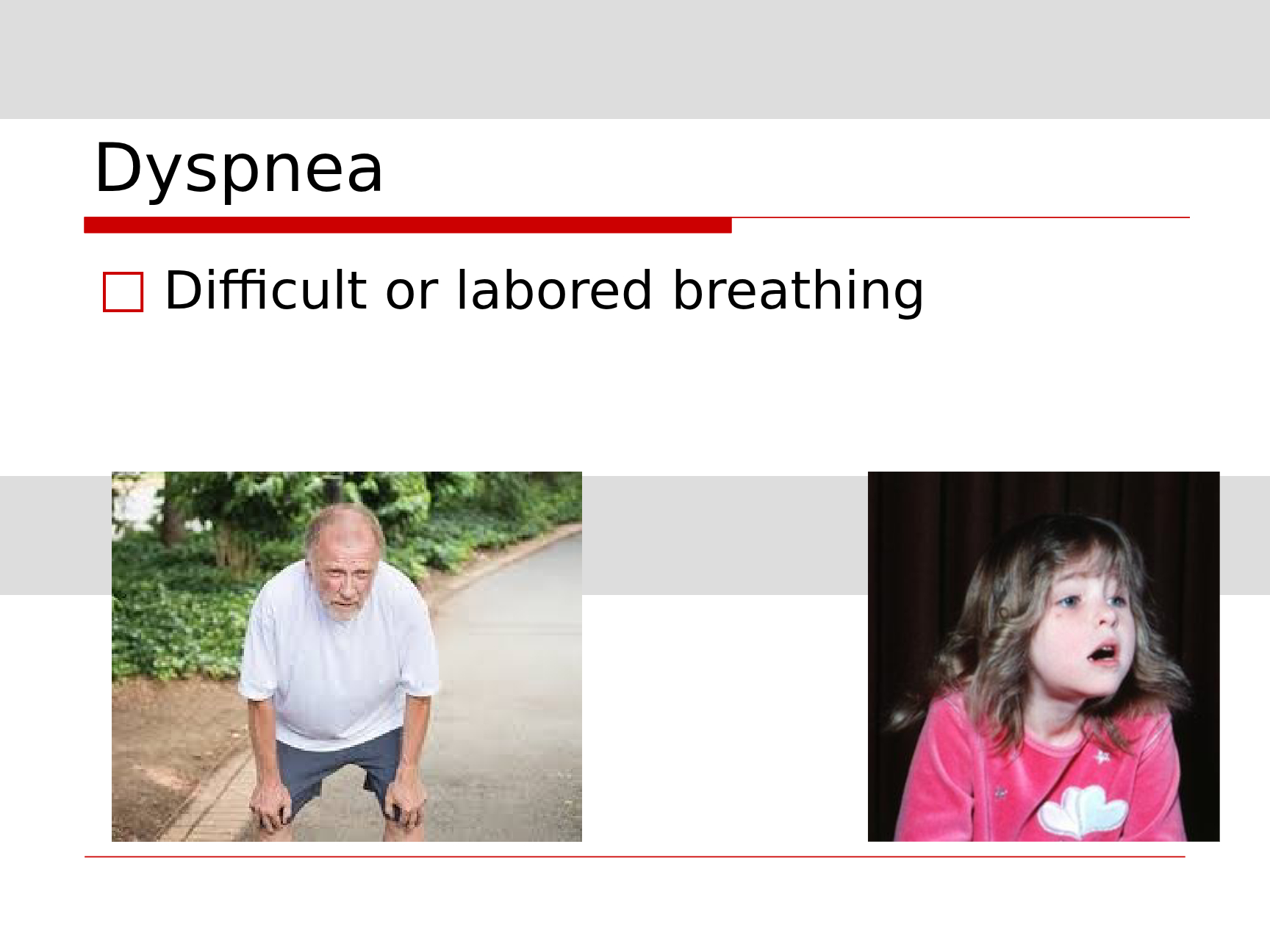
Which of the following best describes dyspnea?
Rapid breathing without difficulty
Difficult or labored breathing
Normal breathing rate
Breathing only during sleep
5
6
7
Multiple Choice
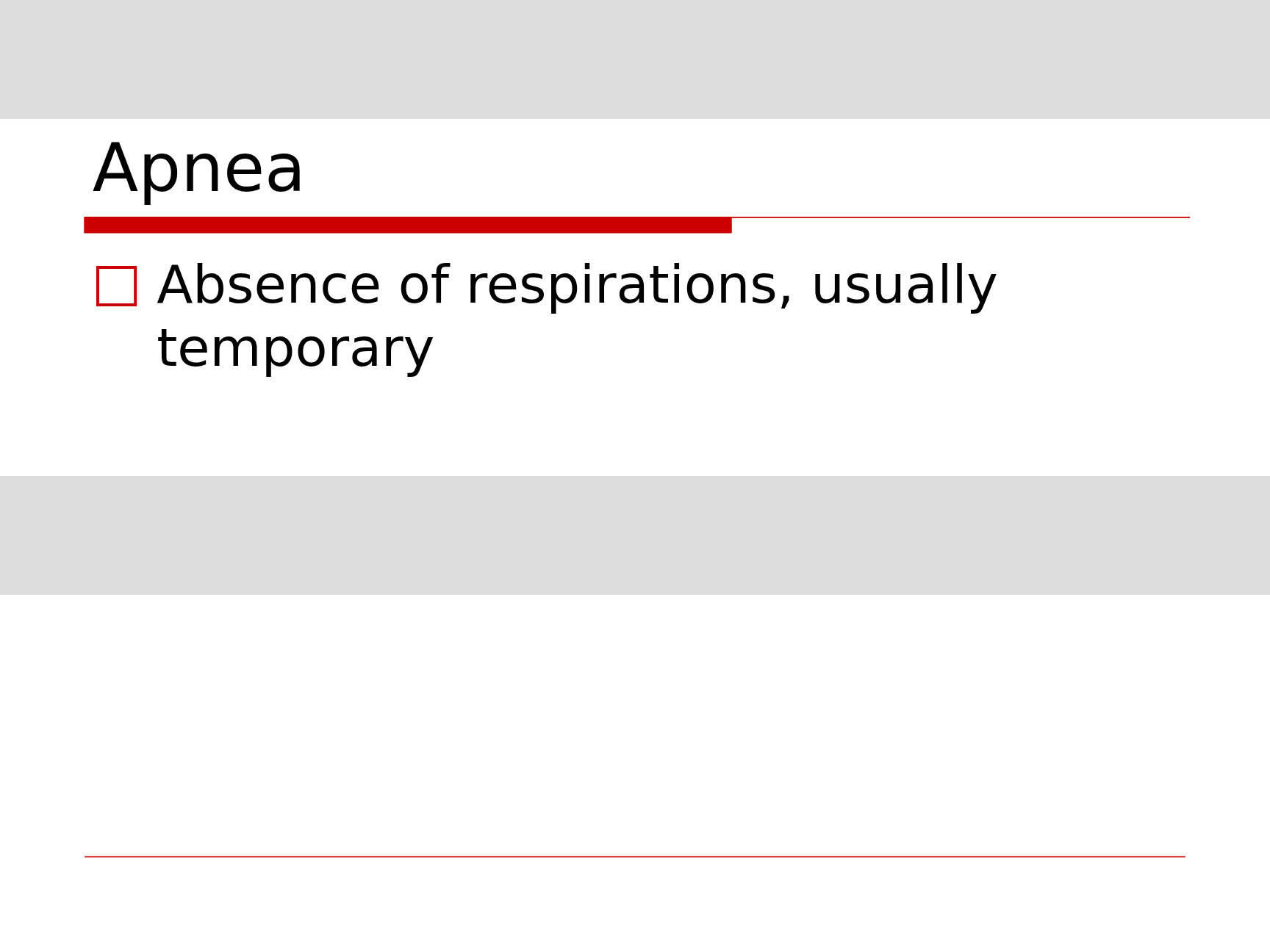
Which term describes the absence of respirations, usually temporary?
Apnea
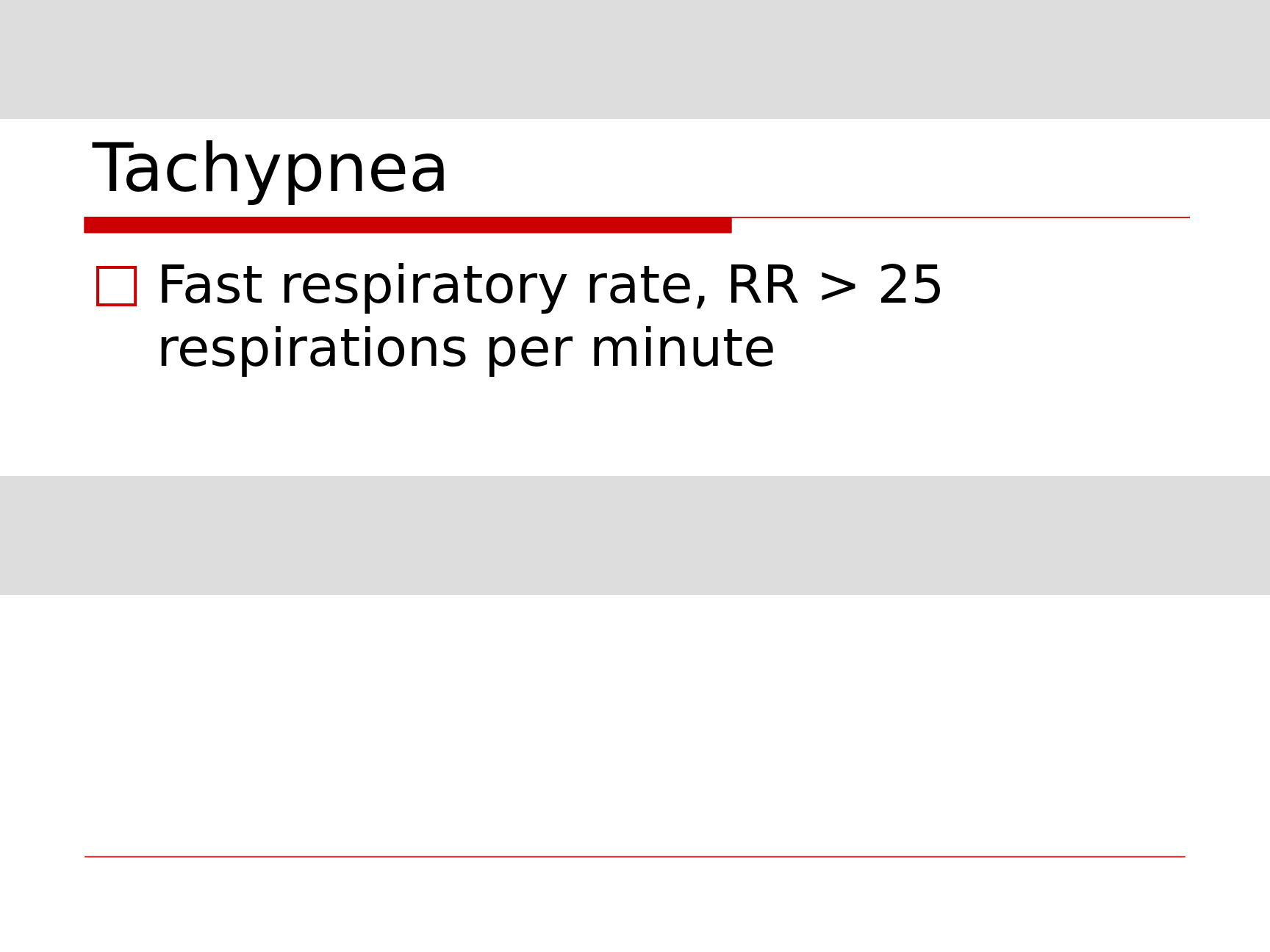
Tachypnea
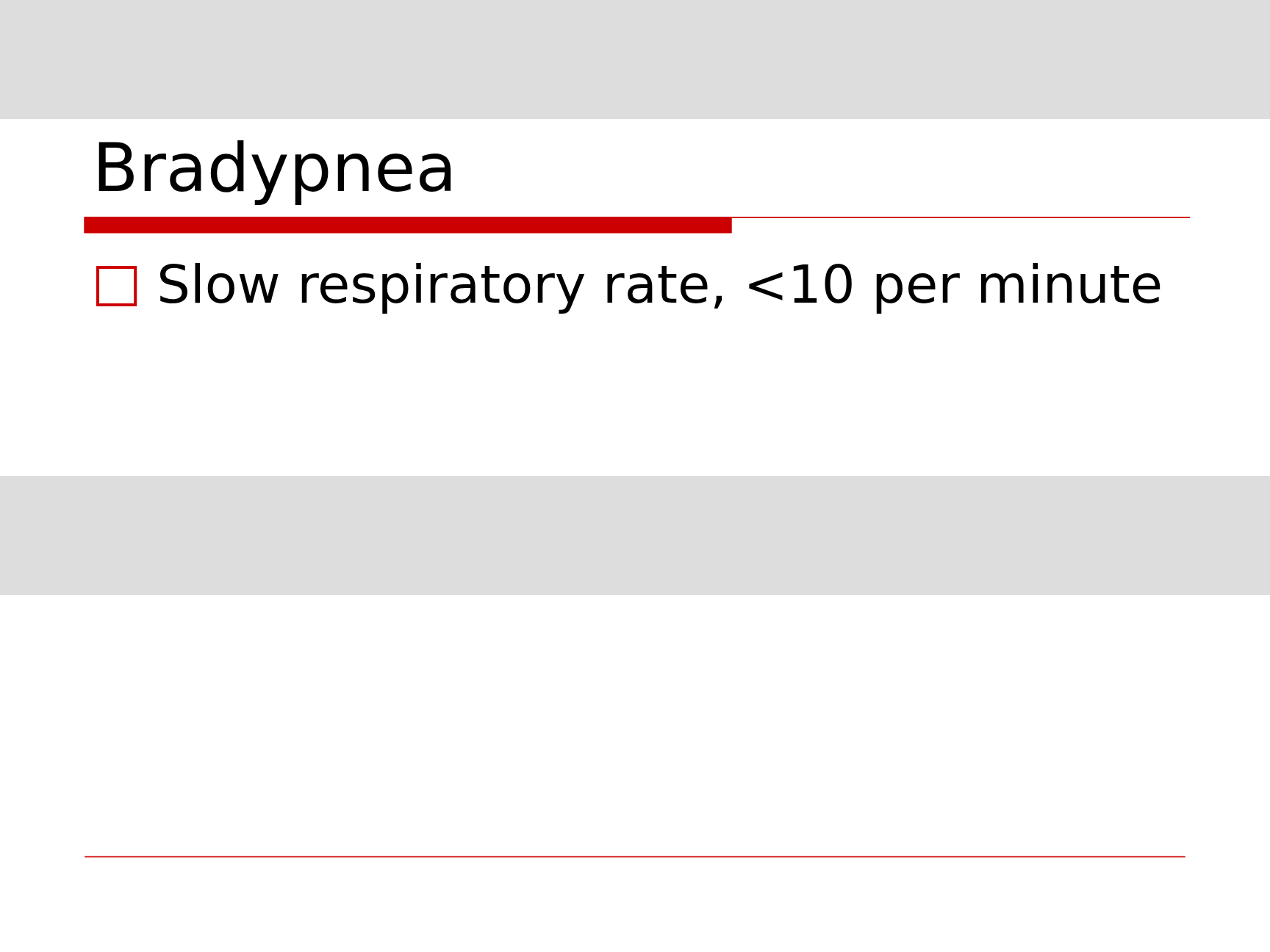
Bradynea
Orthopnea
8
9
10
Open Ended
Explain how the definitions of apnea, tachypnea, and bradypnea help in assessing a patient's respiratory status.
11
Open Ended
What is the difference between tachypnea and bradypnea?
12
13
Multiple Choice
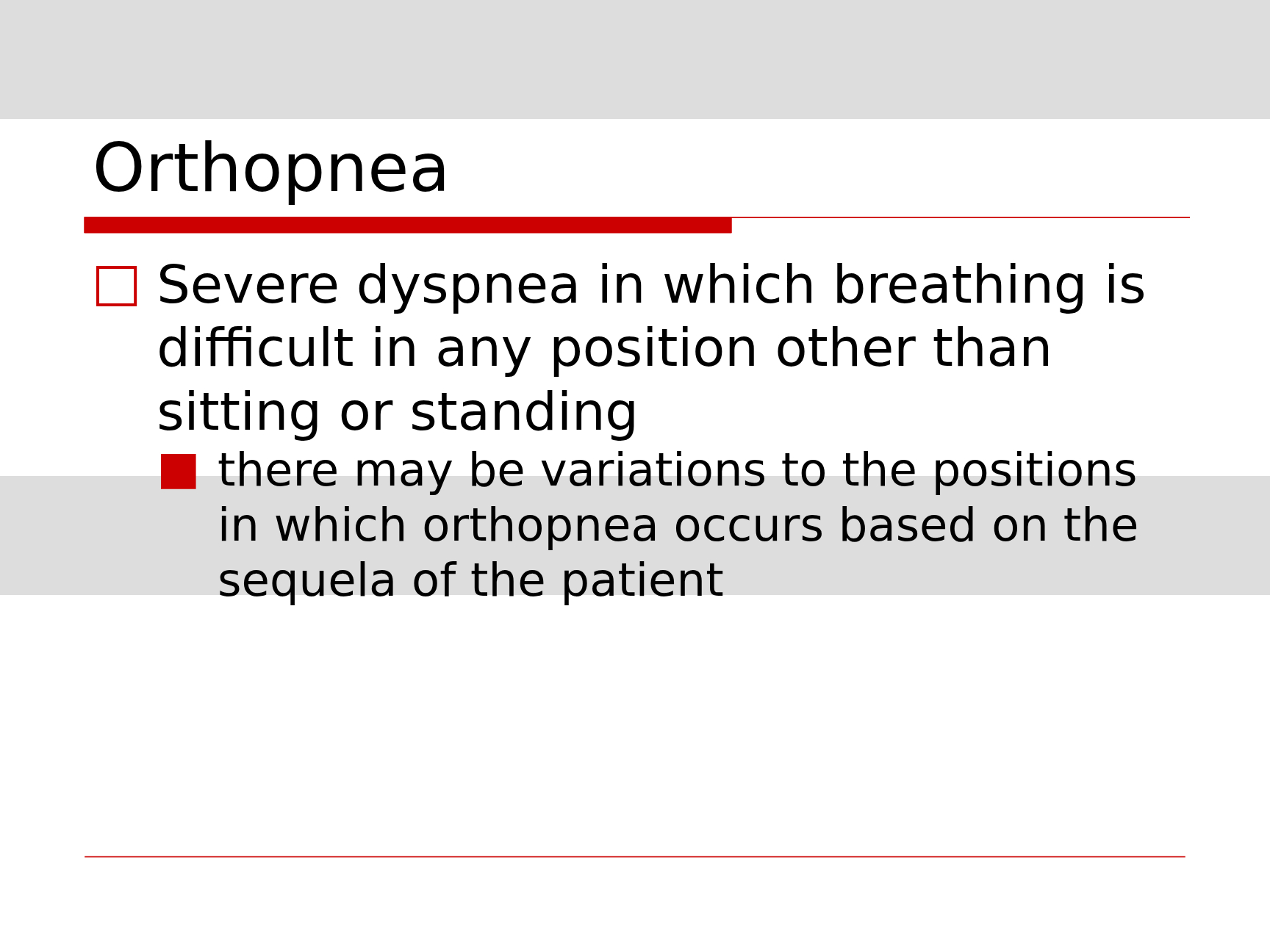
Which of the following conditions is characterized by severe dyspnea in which breathing is difficult in any position other than sitting or standing?
Orthopnea
Apnea
Cheyne-Stokes respirations
Tachypnea
14
15
Multiple Select
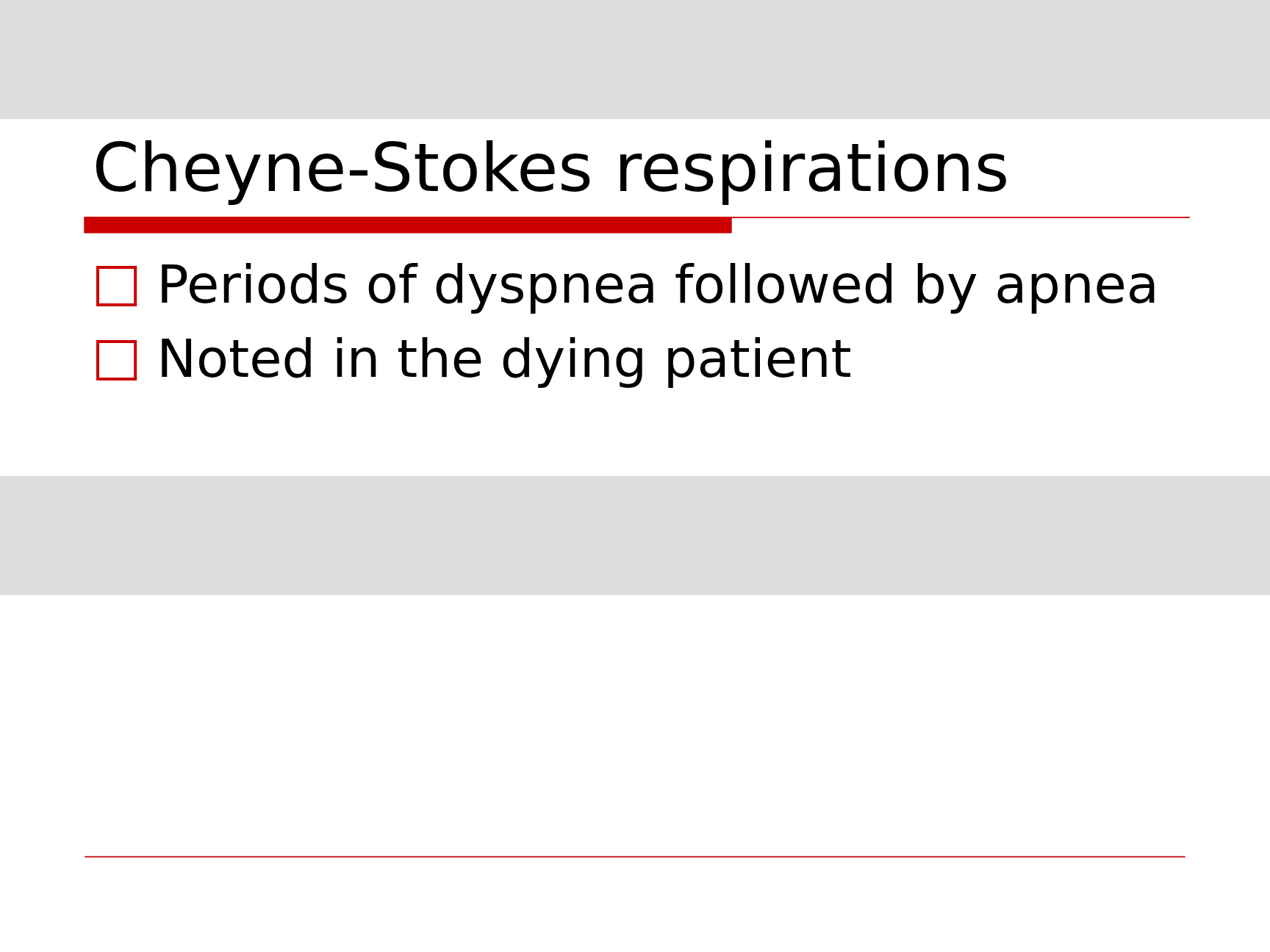
Select all that apply: Which of the following are features of Cheyne-Stokes respirations?
Periods of dyspnea followed by apnea
Noted in the dying patient
Fast respiratory rate
Absence of respirations
16
Fill in the Blanks
17
18
Multiple Choice
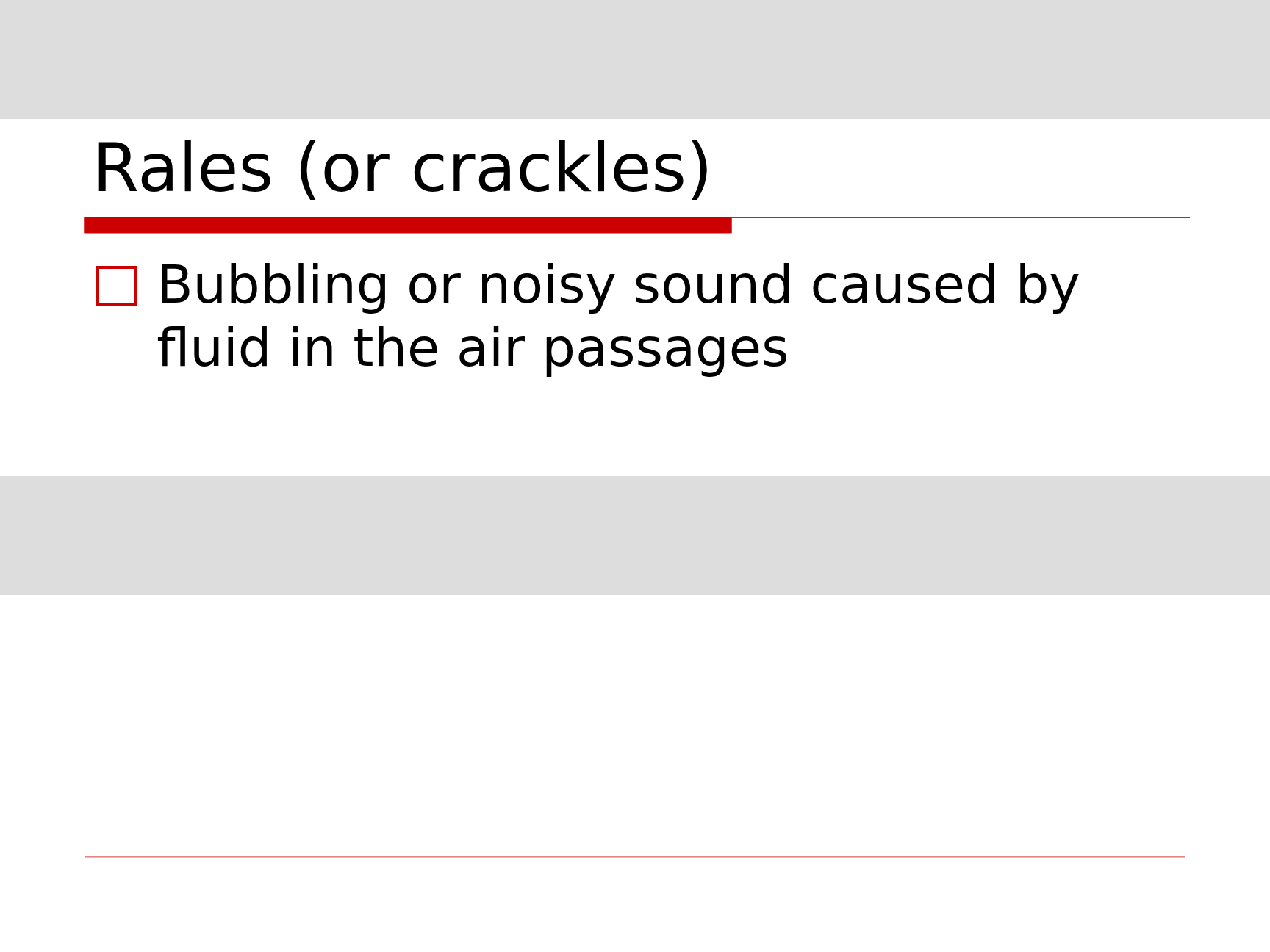
Which respiratory condition is characterized by a bubbling or noisy sound caused by fluid in the air passages?
Rales (crackles)
Wheezing
Cyanosis
Stridor
19
20
Open Ended
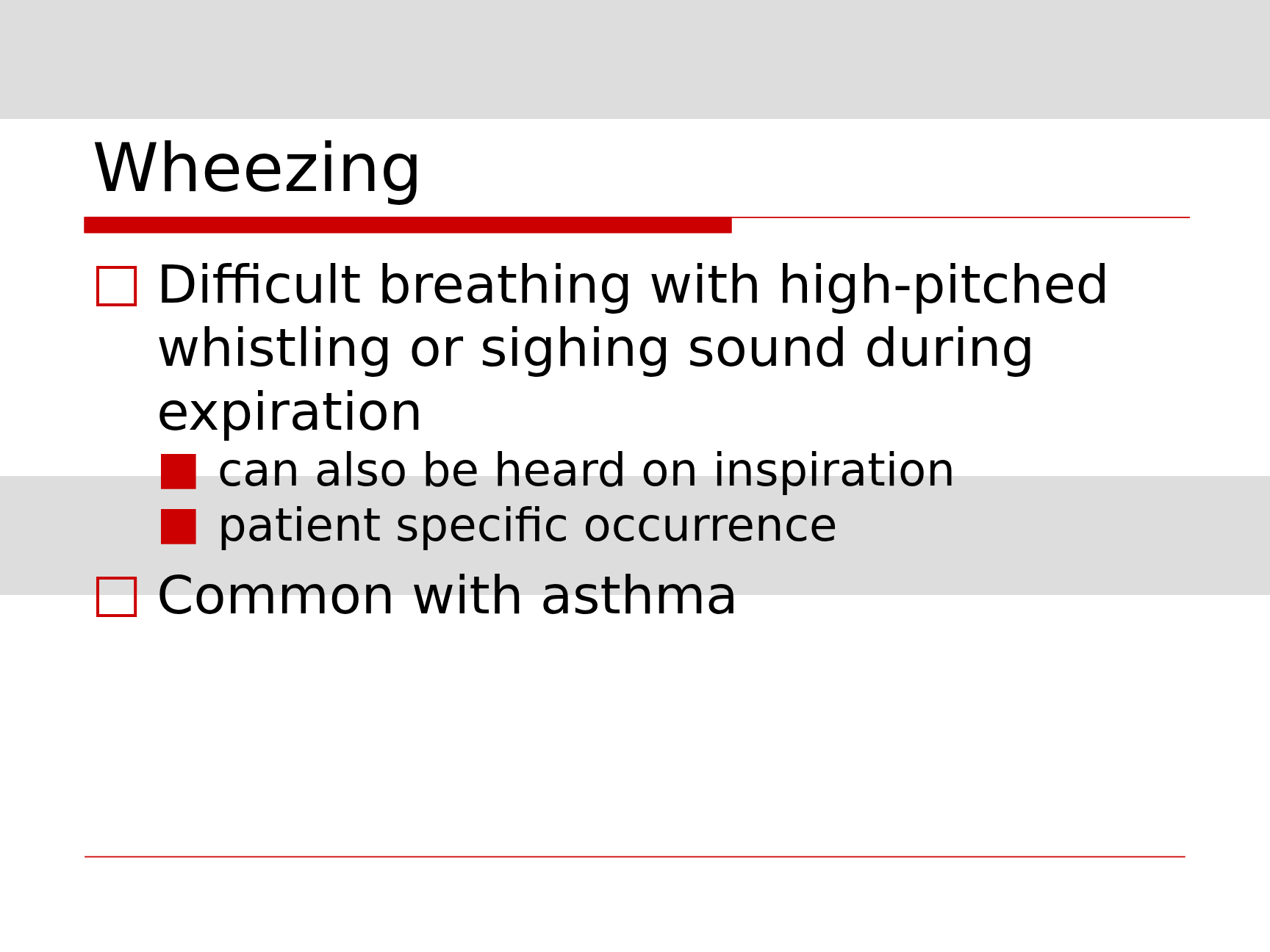
What are the key differences between rales (crackles) and wheezing in terms of their causes and sounds?
21
22
Fill in the Blanks
23
Multiple Choice
Which of the following symptoms is most commonly associated with asthma?
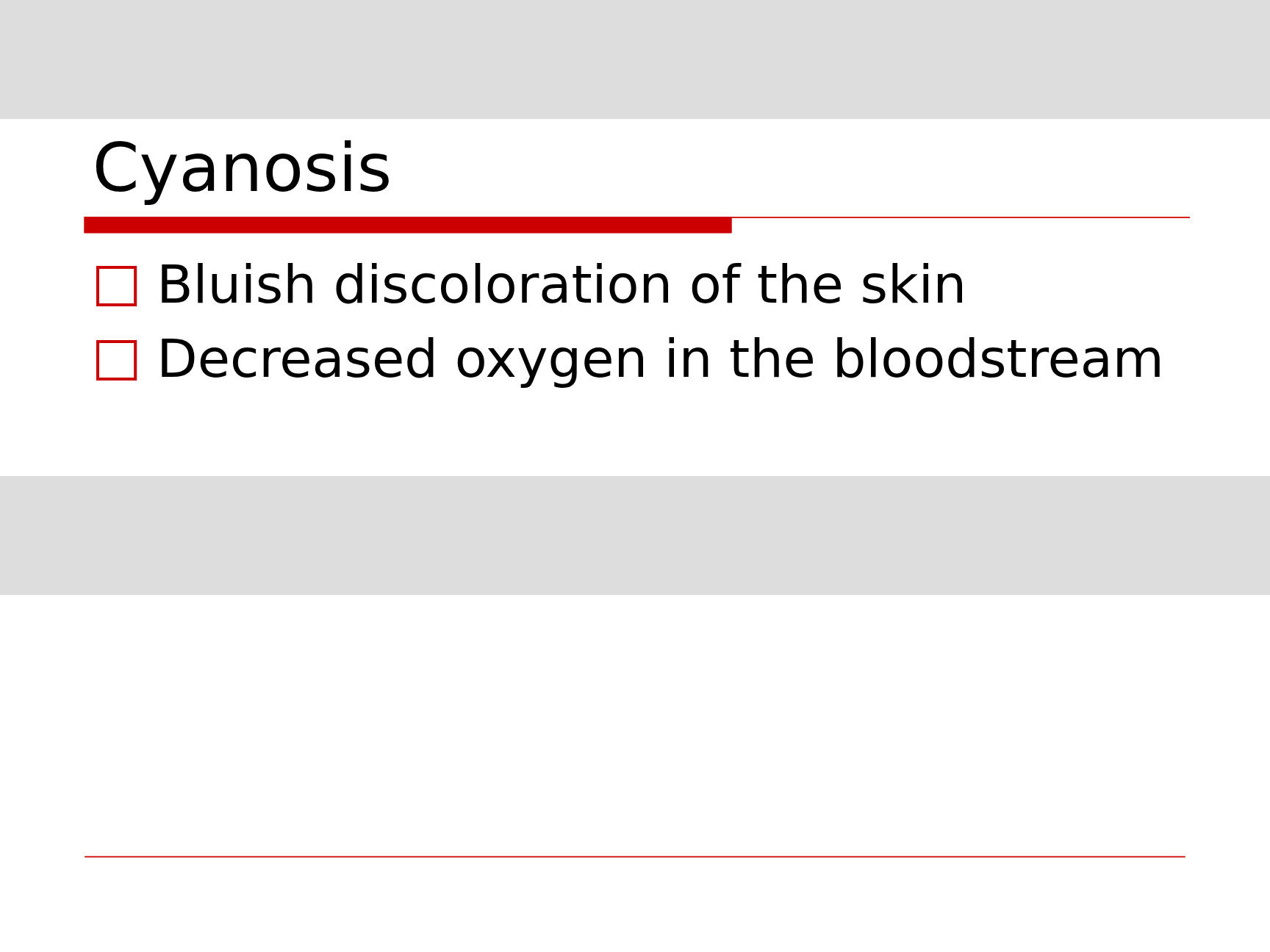
Bluish discoloration of the skin
Bubbling sound in air passages
High-pitched whistling sound during expiration
Decreased oxygen in the bloodstream
24
25
Multiple Select
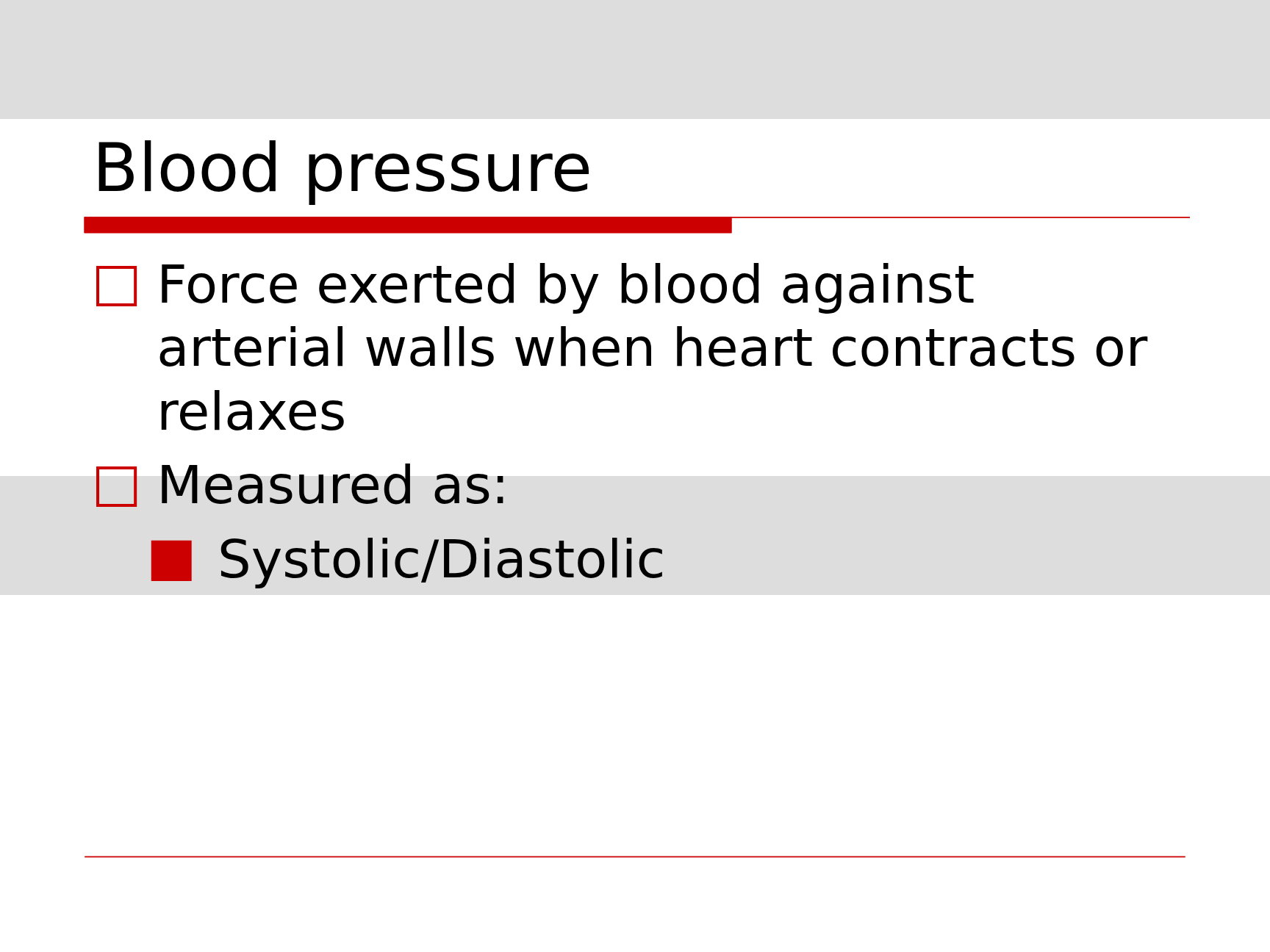
Which of the following statements about blood pressure is/are correct?
It is the force exerted by blood against arterial walls.
It is measured as systolic/diastolic.
It is only measured when the heart contracts.
It is unrelated to heart relaxation.
26
27
28
Open Ended
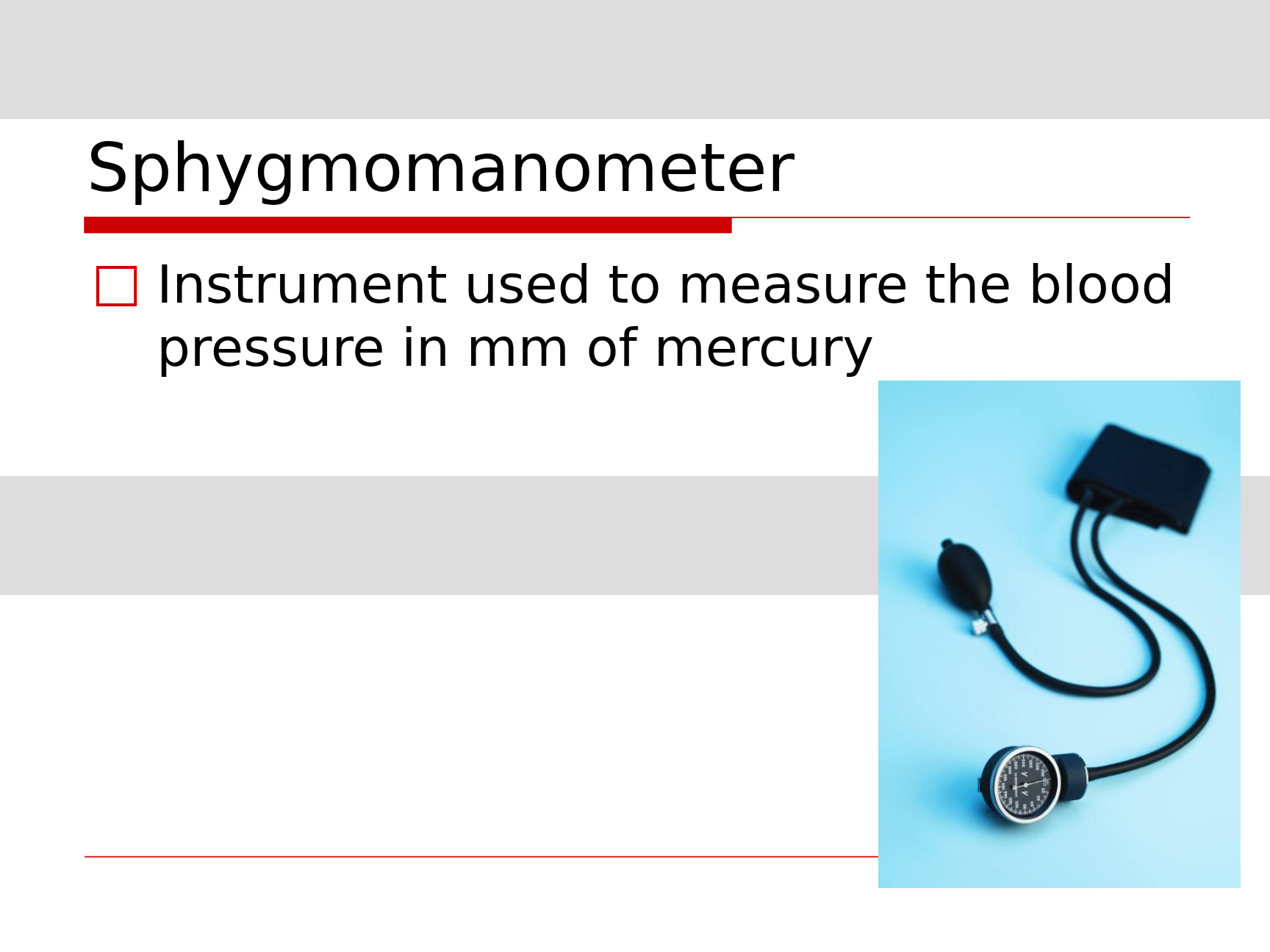
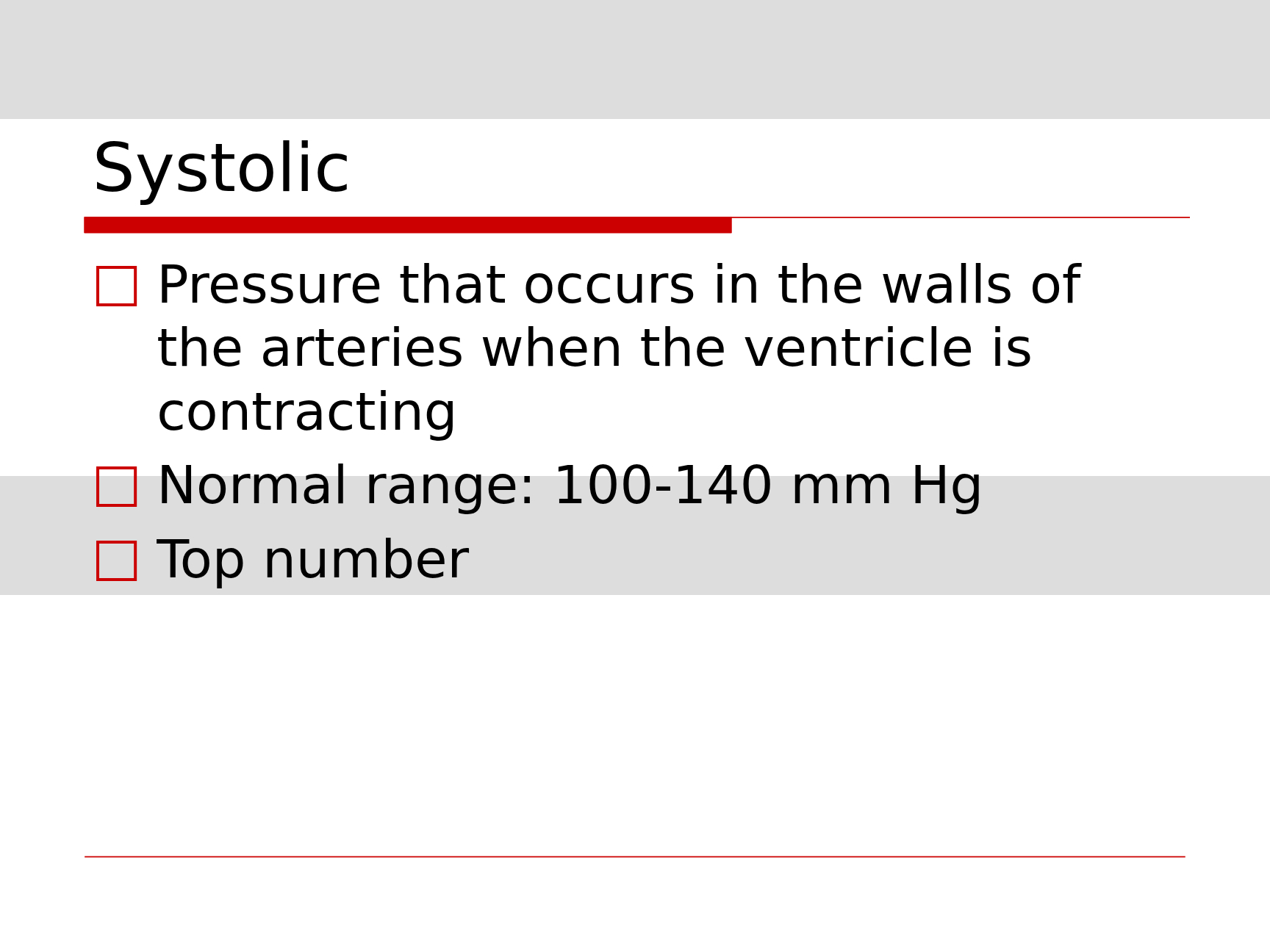
Explain the role of a sphygmomanometer in measuring blood pressure and describe what the systolic value represents.
29
30
Multiple Choice
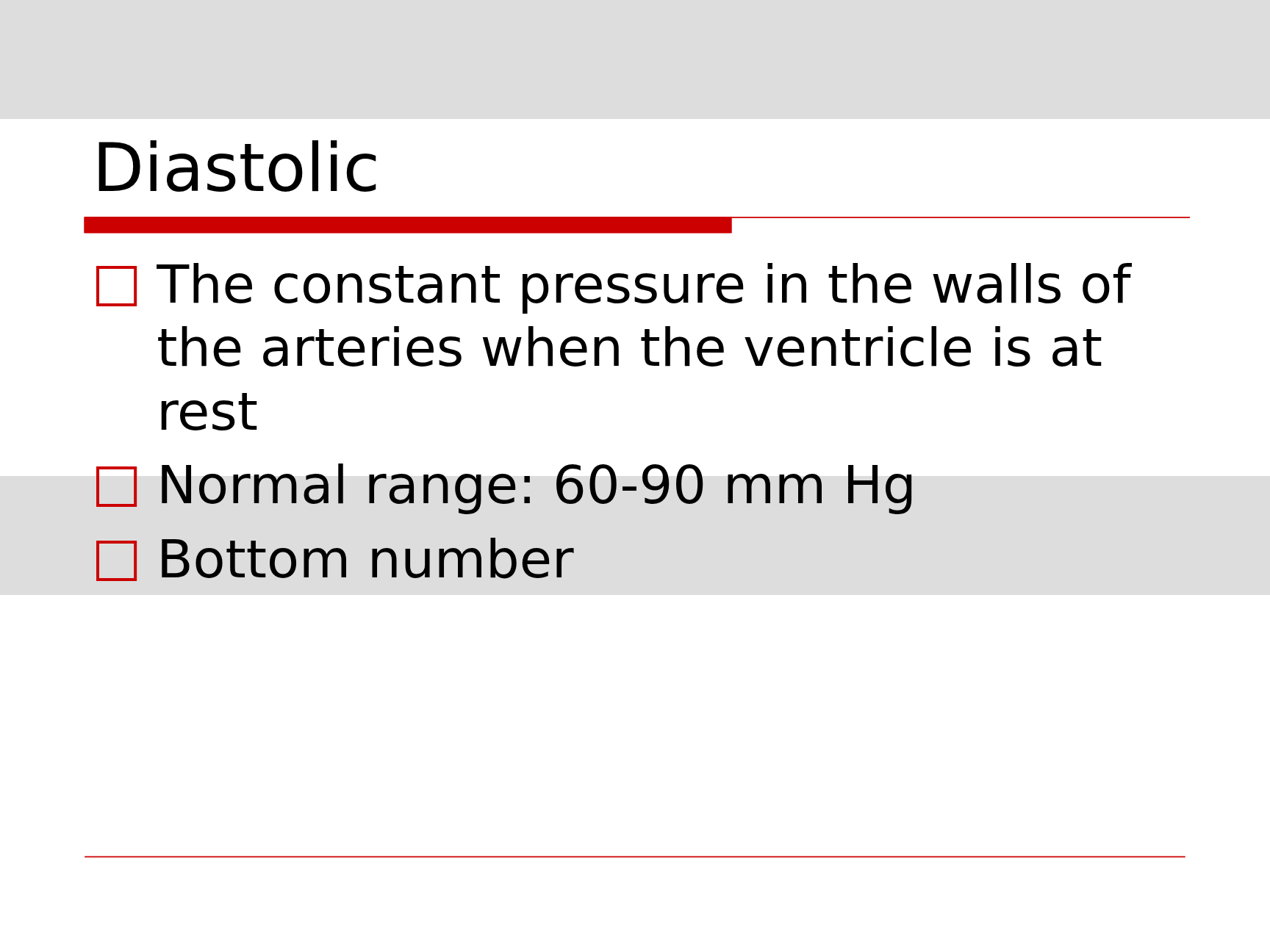
Which of the following best describes diastolic pressure?
The pressure in the arteries when the ventricle contracts
The constant pressure in the walls of the arteries when the ventricle is at rest
The difference between systolic and diastolic pressure
The top number in a blood pressure reading
31
32
Multiple Choice
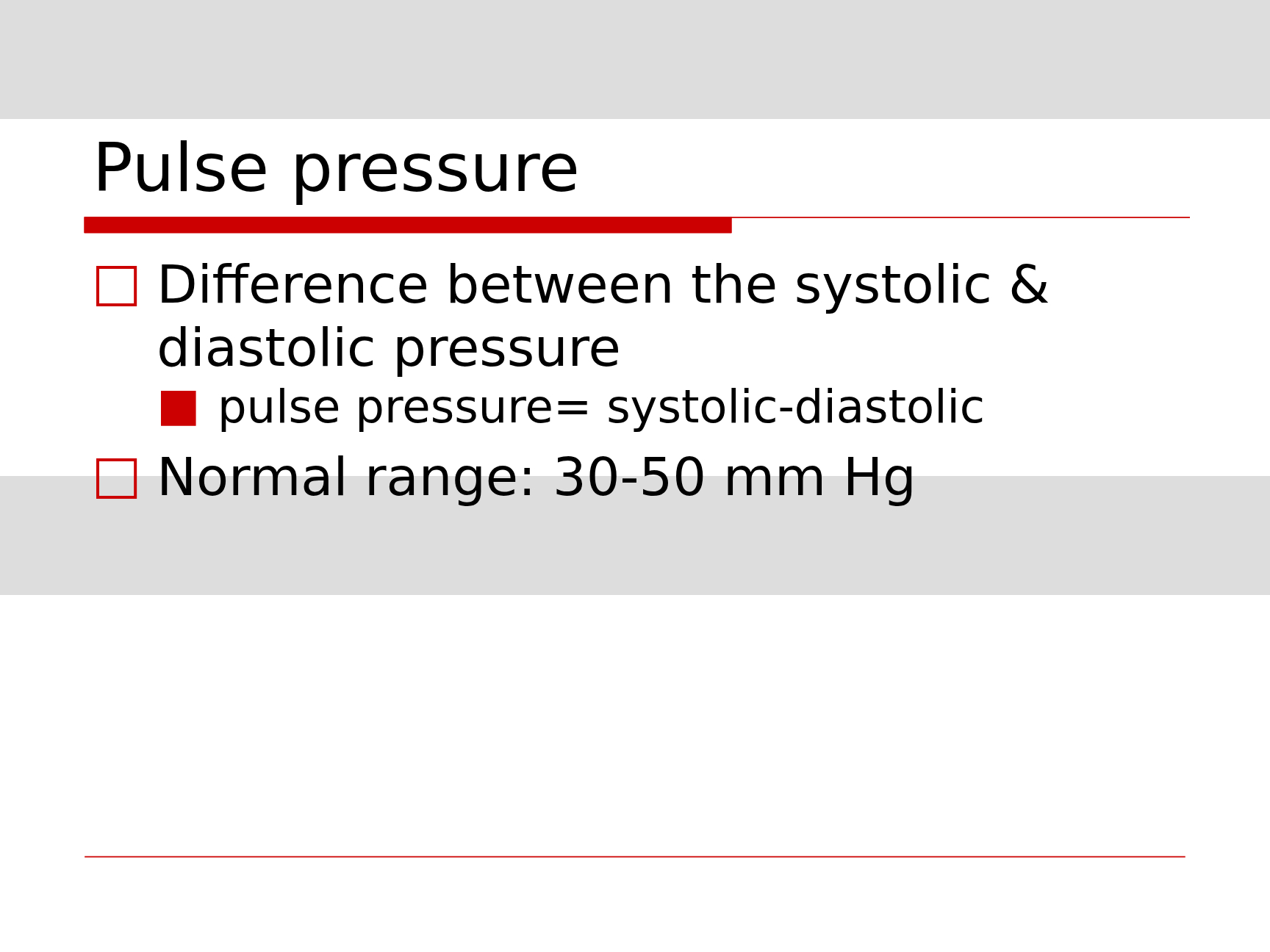
What is the normal range for pulse pressure?
10-20 mm Hg
30-50 mm Hg
60-90 mm Hg
100-120 mm Hg
33
34
Open Ended
Explain the process and significance of measuring blood pressure.
35
36
Multiple Select
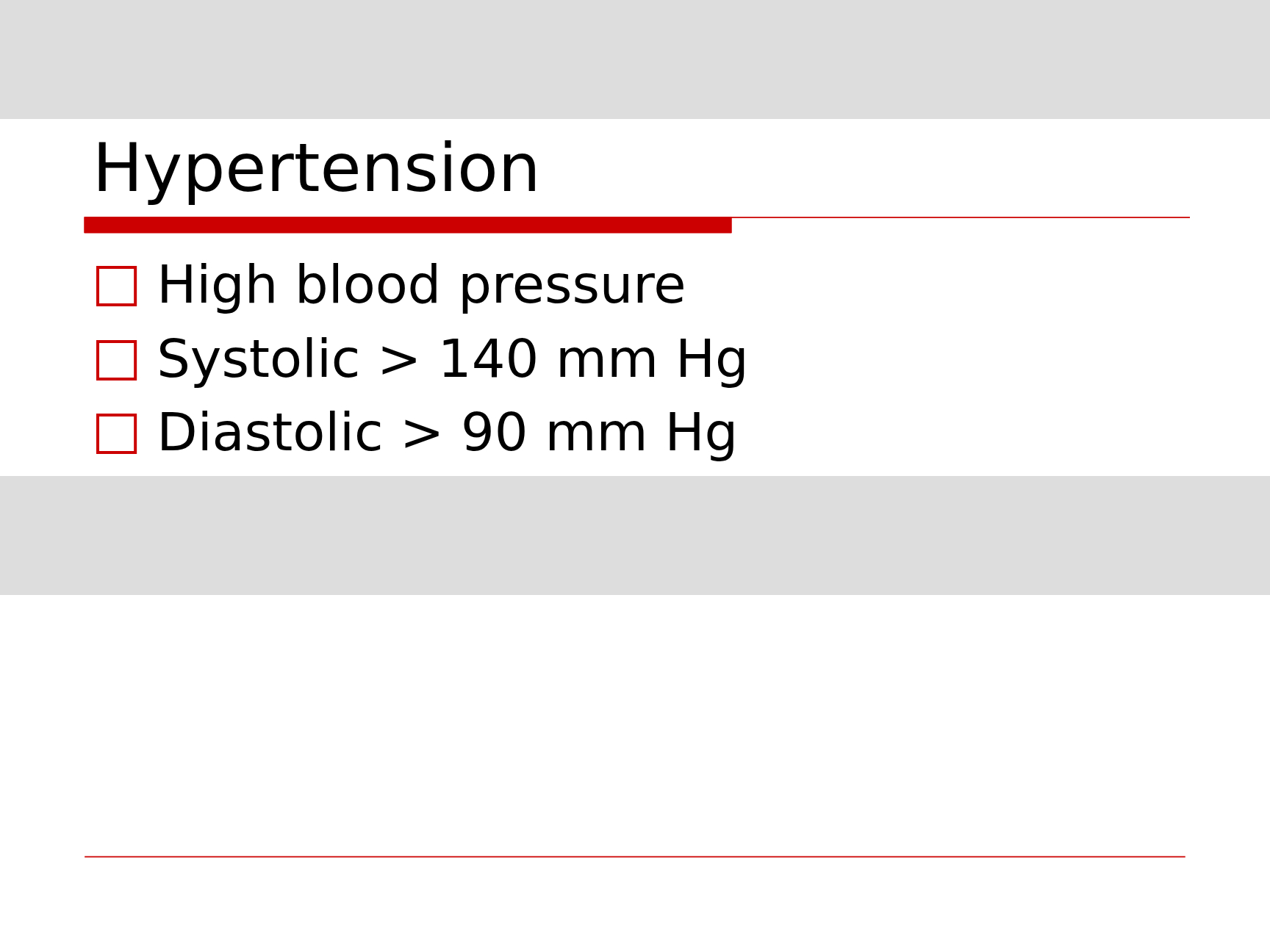
Which of the following are criteria for diagnosing hypertension?
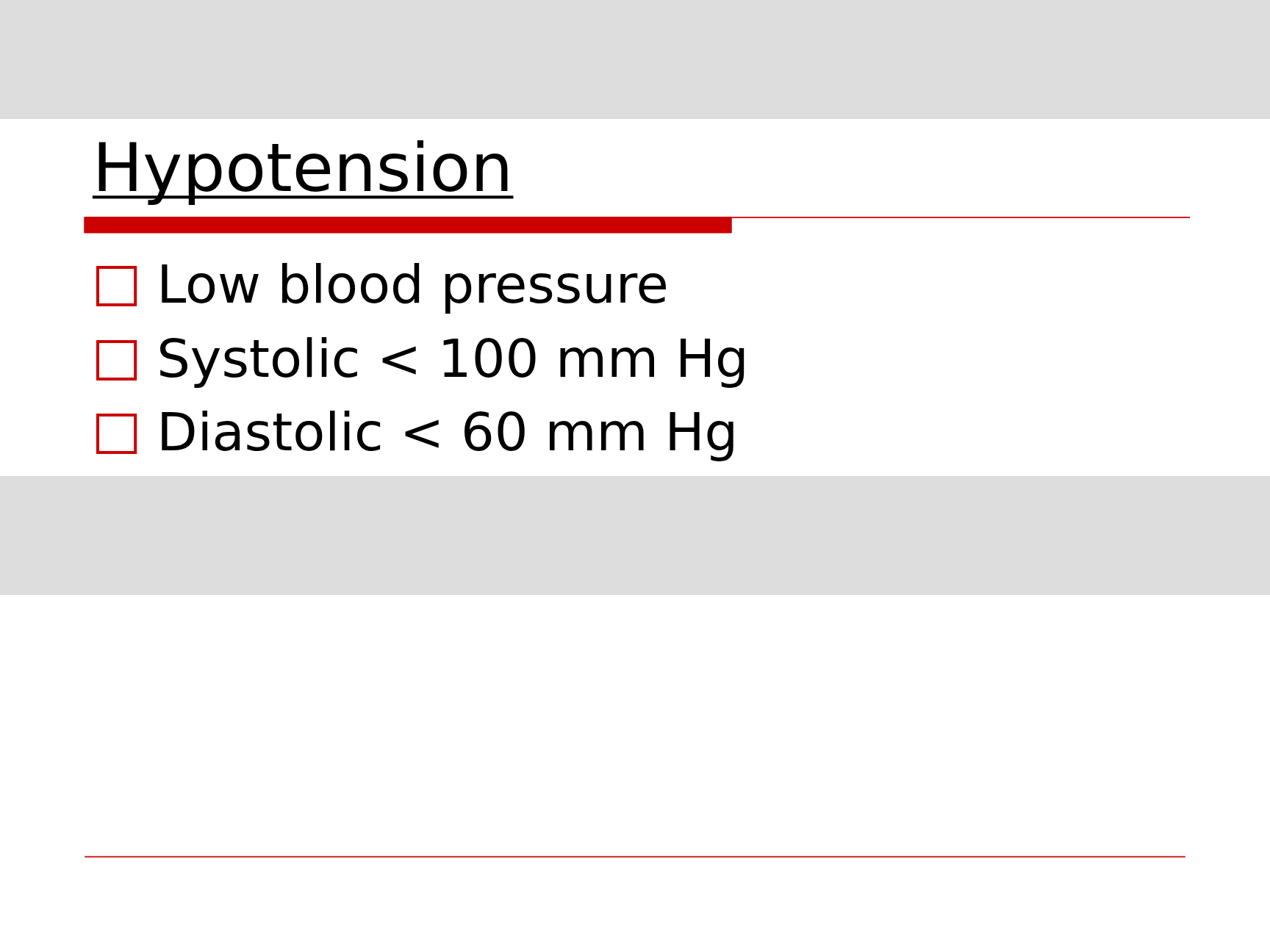
Systolic < 100 mm Hg
Diastolic < 60 mm Hg
Systolic > 140 mm Hg
Diastolic > 90 mm Hg
37
38
Fill in the Blanks
39
40
Open Ended
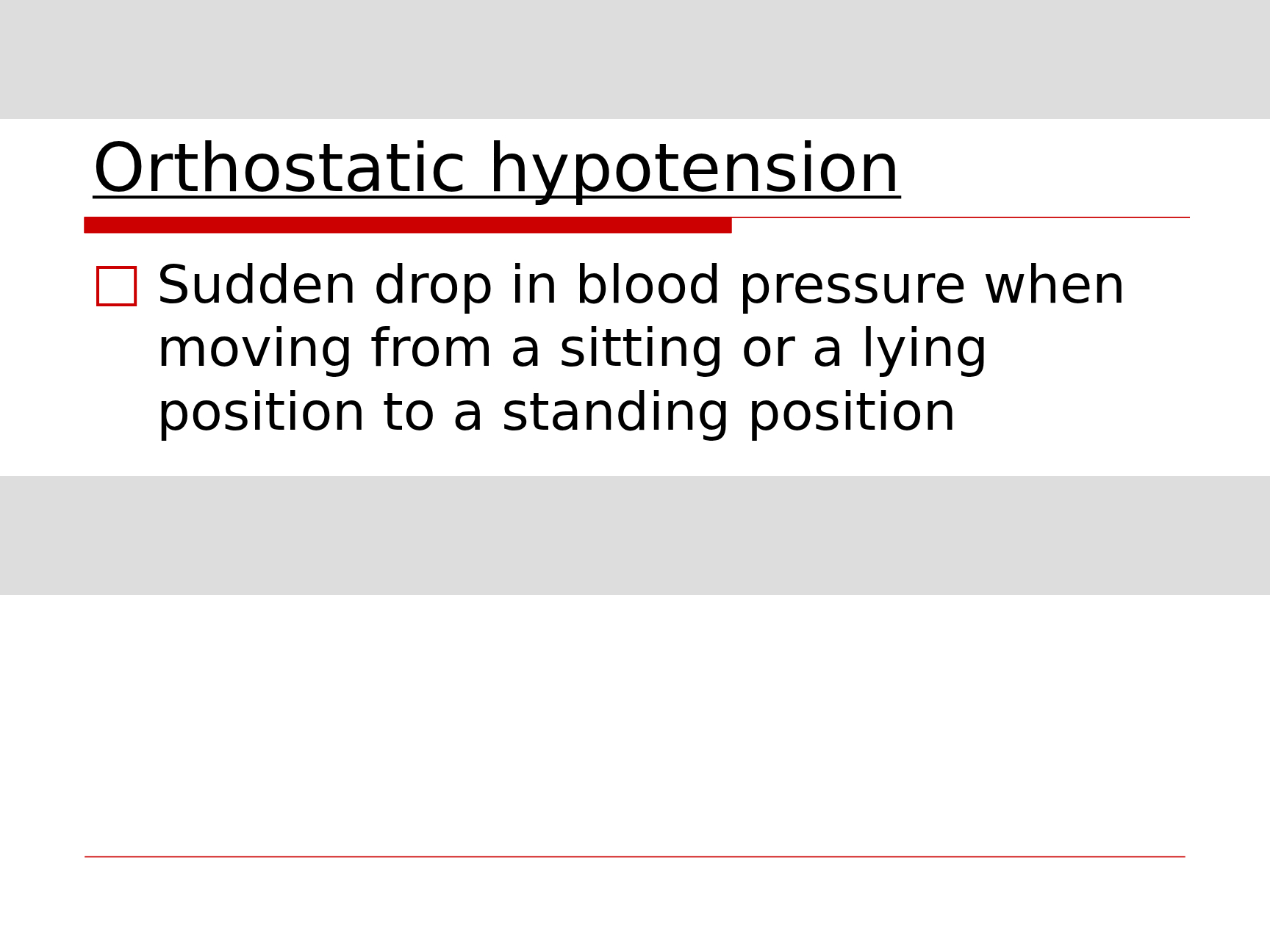
Describe what happens during orthostatic hypotension and why it occurs.
41
42
Multiple Choice
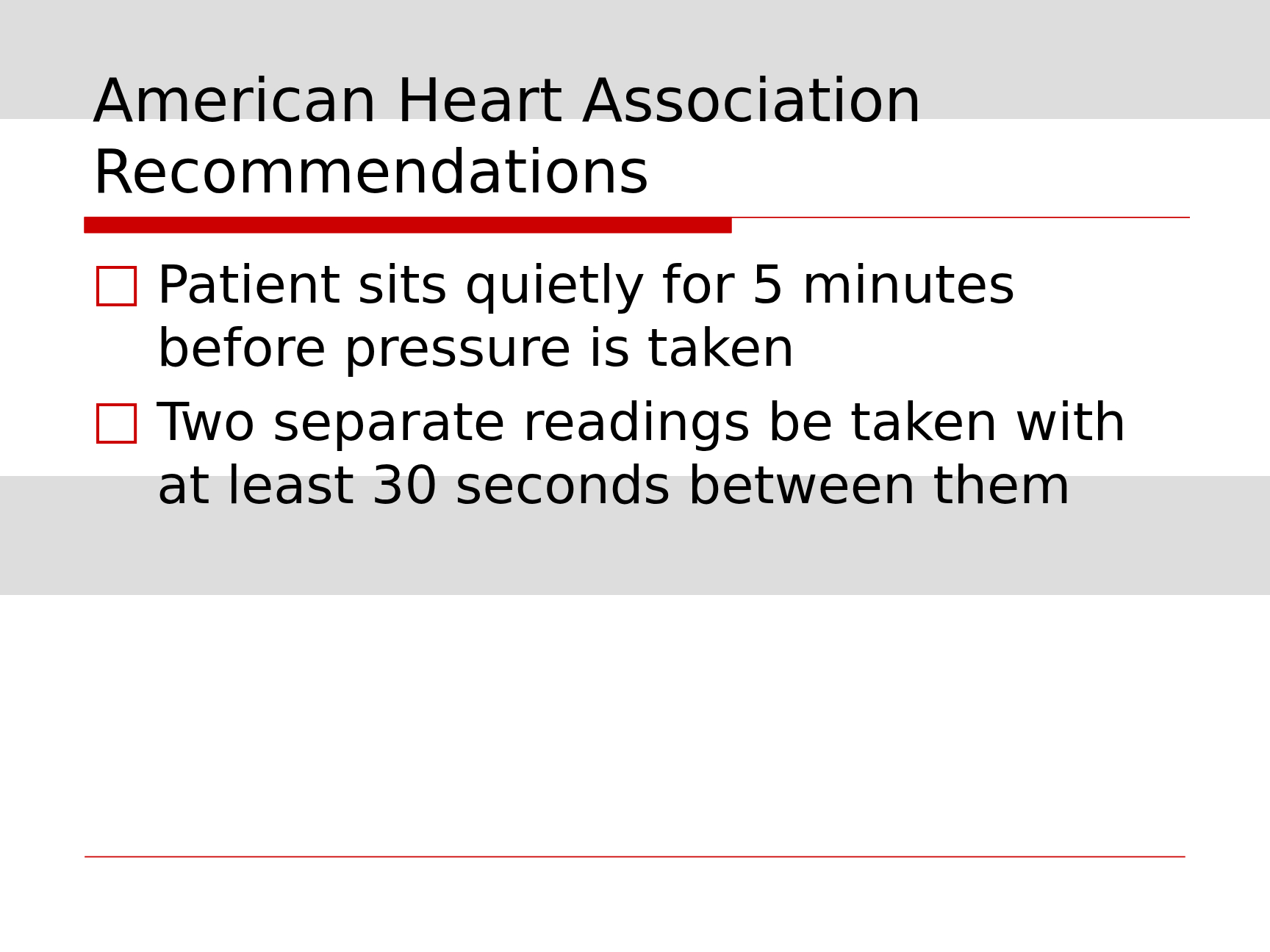
According to the American Heart Association recommendations, what should be done before taking a patient's blood pressure?
The patient should exercise for 5 minutes
The patient should sit quietly for 5 minutes
The patient should drink water
The patient should lie down for 10 minutes
43
44
45
Multiple Select
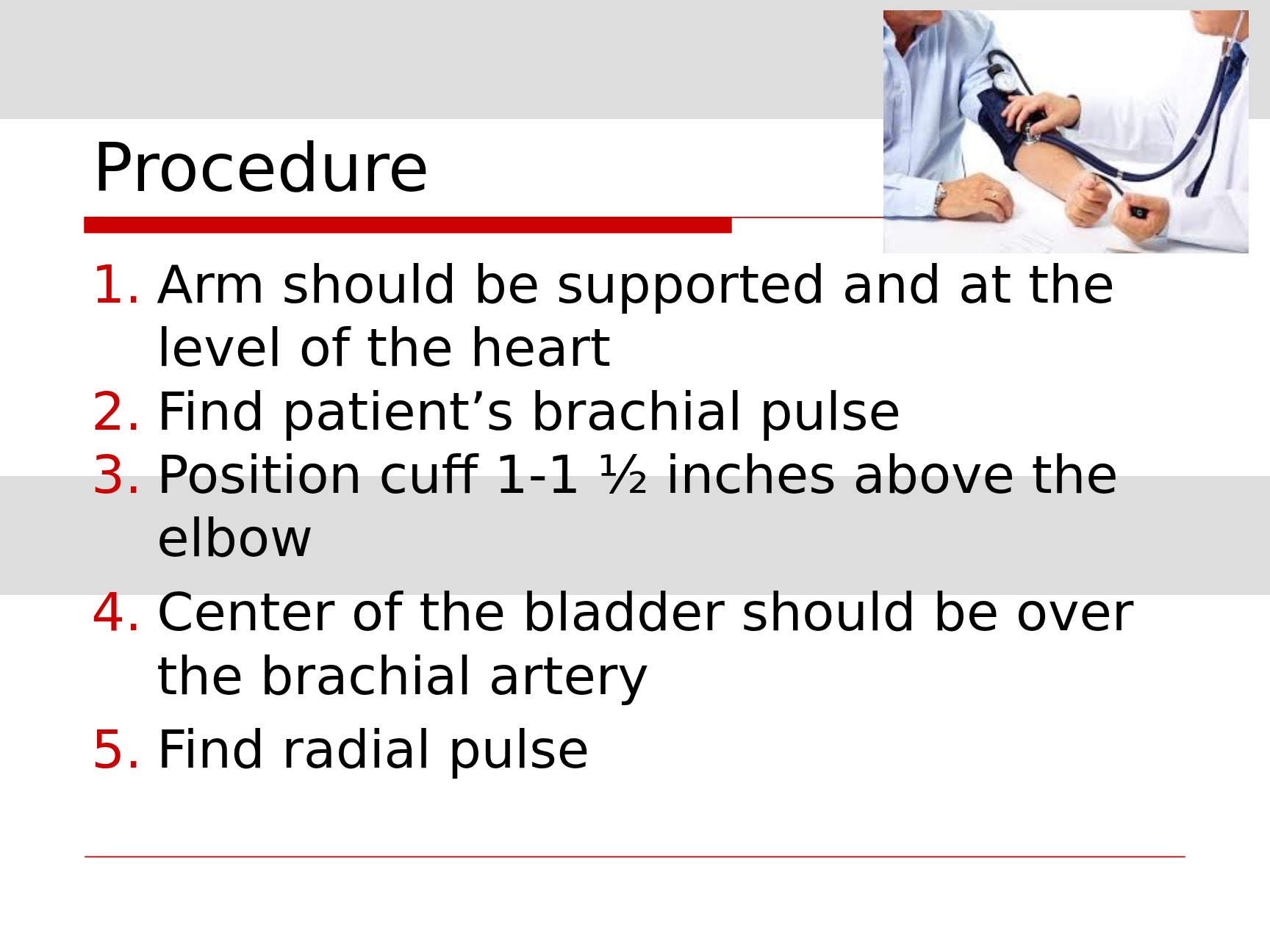
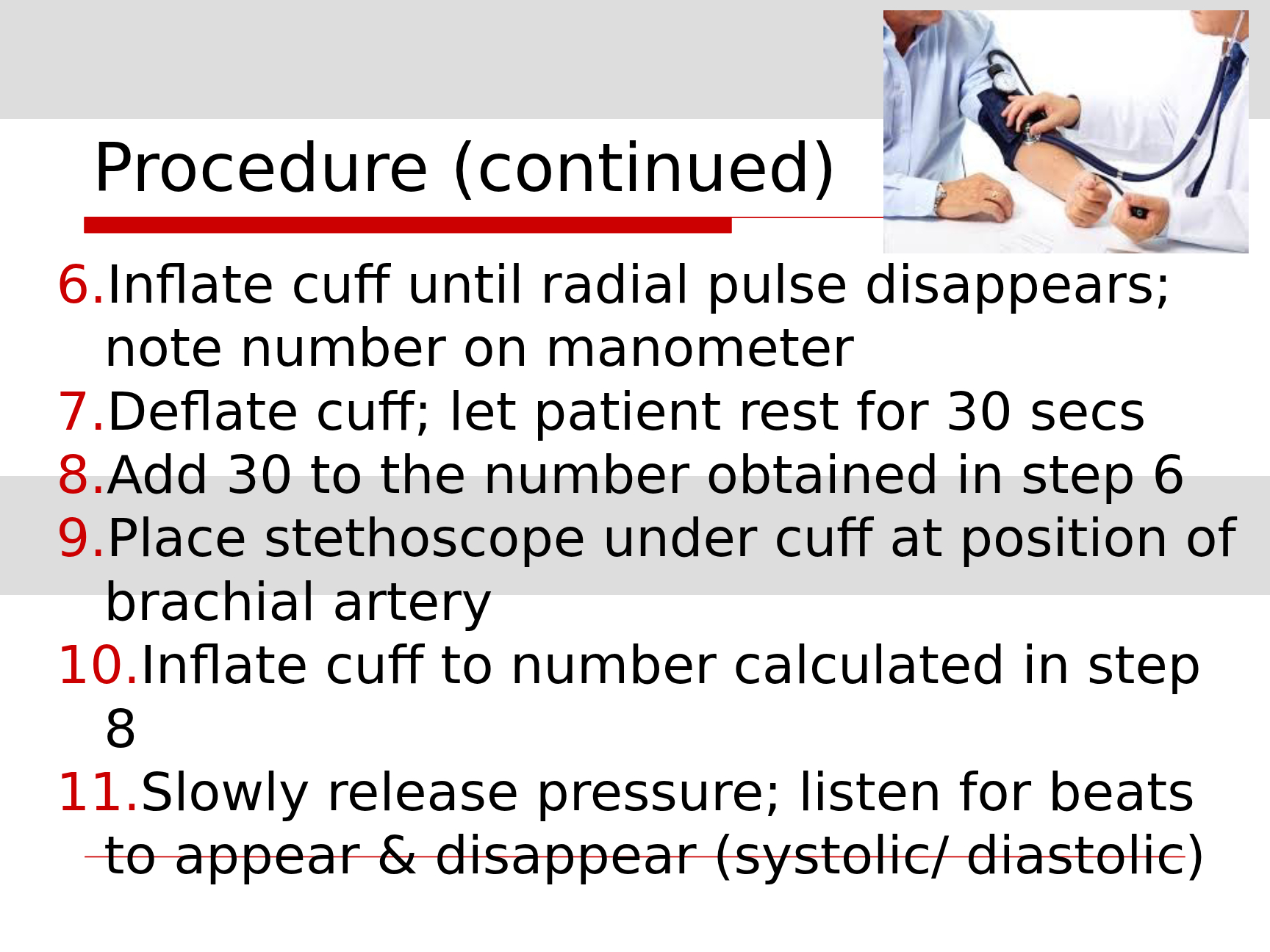
Which of the following are correct steps in the procedure for measuring blood pressure?
Find patient's brachial pulse
Position cuff 1-1 ½ inches above the elbow
Place stethoscope under cuff at position of brachial artery
Ask patient to stand up during measurement
46
Open Ended
Describe the steps involved in measuring blood pressure using a manual sphygmomanometer, starting from positioning the patient to recording the readings.
47
Open Ended
How would you explain the difference between normal respirations and dyspnea to someone unfamiliar with these terms?
48
Multiple Choice
What is the normal range of respirations per minute for infants?
12-20 breaths per minute
16-25 breaths per minute
30-50 breaths per minute
8-15 breaths per minute
Show answer
Auto Play
Slide 1 / 48
SLIDE
Similar Resources on Wayground

46 questions
Exploring Angle Pairs
Presentation
•
10th Grade
45 questions
Commonly Confused Words
Presentation
•
10th - 11th Grade
39 questions
Cyber Security Lesson 1
Presentation
•
10th Grade
44 questions
Conditionals
Presentation
•
9th Grade
44 questions
ART MOVEMENTS 2
Presentation
•
10th Grade
43 questions
Elements of Poetry
Presentation
•
10th Grade
43 questions
Circles Unit Test Review
Presentation
•
10th Grade
43 questions
GOSEA 5 - Solving One-Step Equations
Presentation
•
10th Grade
Popular Resources on Wayground
10 questions
HCS SCI 03 Summer School Review 4

Quiz
•
3rd Grade
11 questions
HSMS - Standard Response Protocol
Quiz
•
6th - 8th Grade
16 questions
1.1-1.2 Quiz Review
Quiz
•
9th - 12th Grade
12 questions
Exponent Expressions
Quiz
•
6th Grade
20 questions
Adding and Subtracting Integers
Quiz
•
6th - 7th Grade
11 questions
Northeast States
Quiz
•
3rd - 4th Grade
10 questions
Characterization
Quiz
•
3rd - 7th Grade
10 questions
Common Denominators
Quiz
•
5th Grade