

Cell Transport

Presentation
•
Science
•
9th - 12th Grade
•
Practice Problem
•
Medium
Standards-aligned

Bryson Delbridge
Used 3+ times
FREE Resource
17 Slides • 18 Questions
1

2
Open Ended
Try and remember back when we looked at homeostasis a couple weeks ago, what is homeostasis? Give a brief description of homeostasis.
3

4
Multiple Choice
Which of the following is an example of a stimulus that could disrupt homeostasis in the human body?
A sudden drop in external temperature
Maintaining a stable blood sugar level
Balanced pH in the blood
Constant internal temperature
5

6
7
Multiple Choice
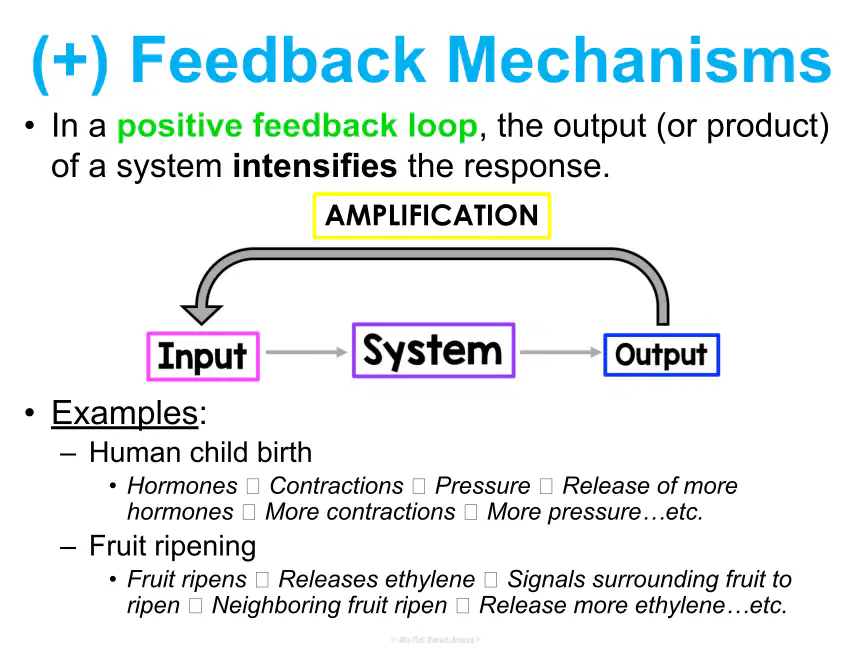
Which type of feedback mechanism amplifies the response of a system?
Negative feedback
Positive feedback
Passive feedback
Neutral feedback
8

9
Multiple Select
Which of the following are examples of negative feedback mechanisms in the human body?
Blood sugar regulation
Fruit ripening
Human body temperature regulation
Human child birth
10
Open Ended
Explain how negative feedback mechanisms help maintain homeostasis in the human body. Provide an example.
11
12

13
Fill in the Blanks
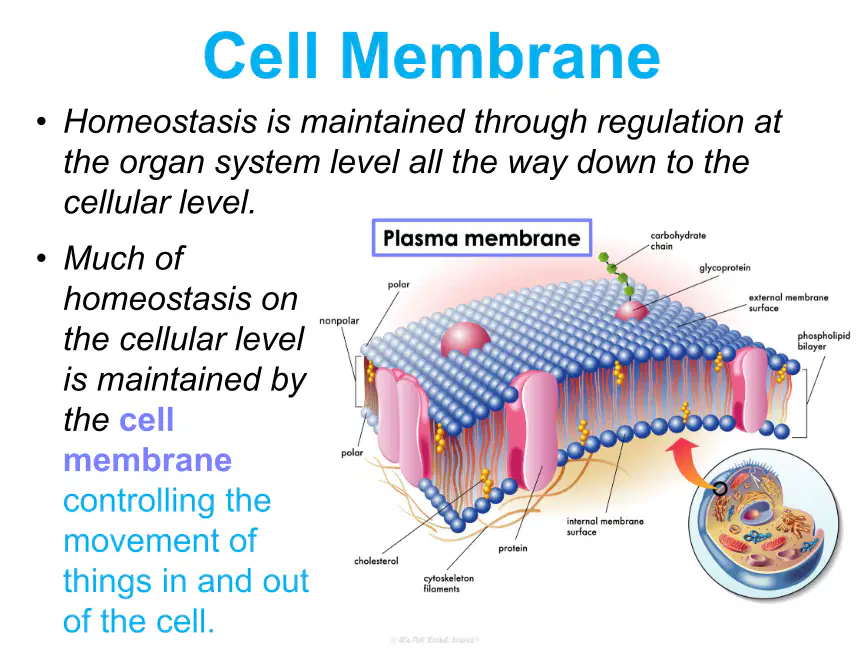
The cell membrane is selectively
14

15
Multiple Choice
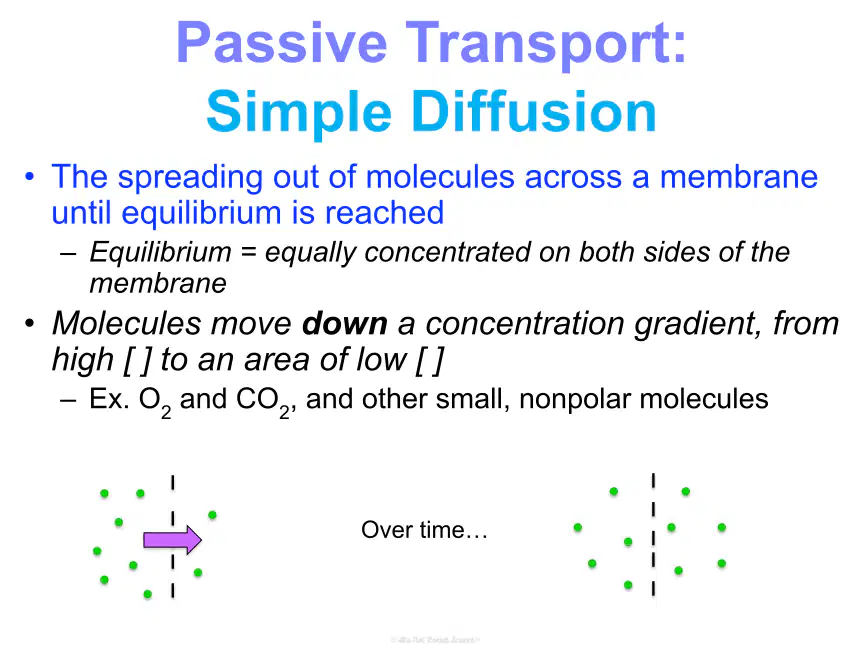
Which of the following statements about passive transport is correct?
It requires extra energy from the cell.
It moves molecules against the concentration gradient.
It moves molecules down the concentration gradient.
It only occurs in animal cells.
16
Open Ended
Compare and contrast passive and active transport in terms of energy requirement and direction of movement across the concentration gradient.
17
18
Multiple Choice
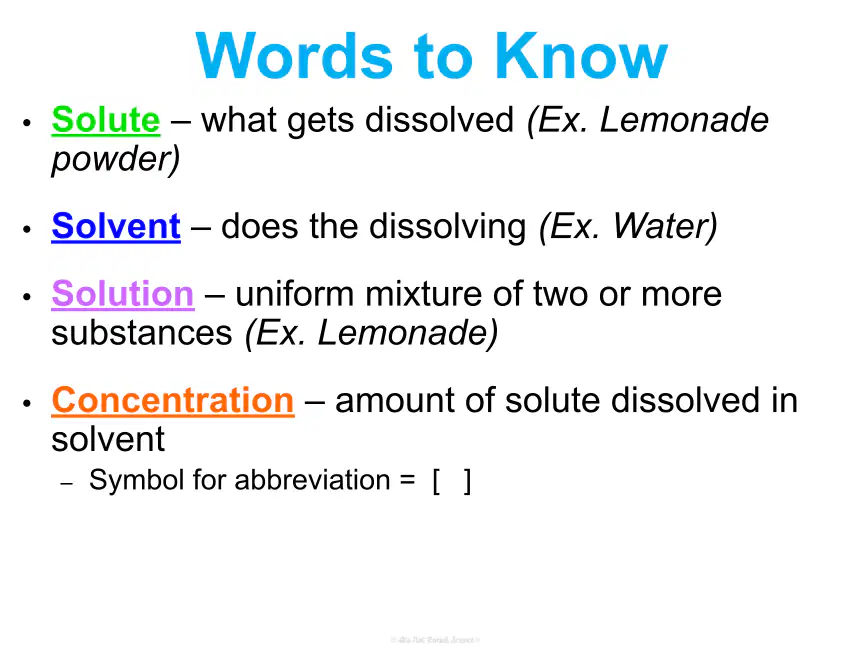
Which term describes the substance that gets dissolved in a solution?
Solute
Solvent
Solution
Concentration
19
20

21
22
Multiple Select
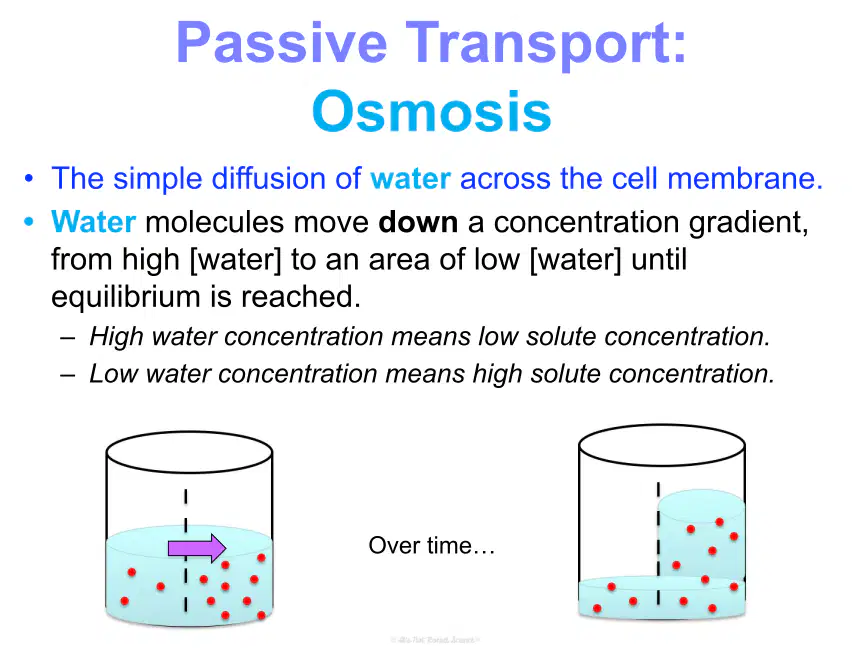
Which of the following statements about osmosis is/are correct?
Water moves from an area of high concentration to low concentration.
Osmosis involves the movement of solute molecules across the membrane.
Equilibrium is reached when water concentration is equal on both sides of the membrane.
Osmosis only occurs in plant cells.
23
Fill in the Blanks
Fill in the blank: In osmosis, water molecules move down a concentration gradient, from high ___ to an area of low ___.
24
25
Fill in the Blanks
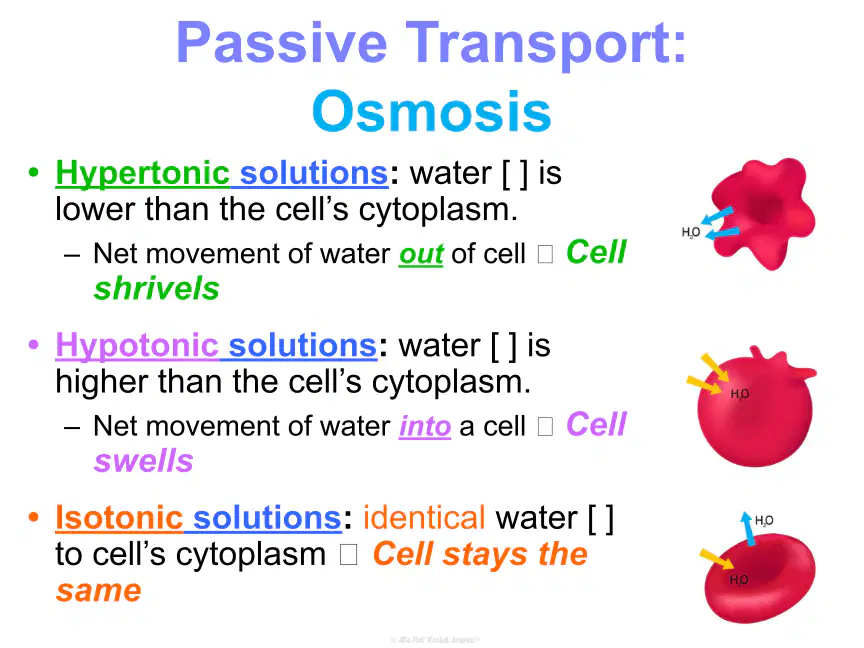
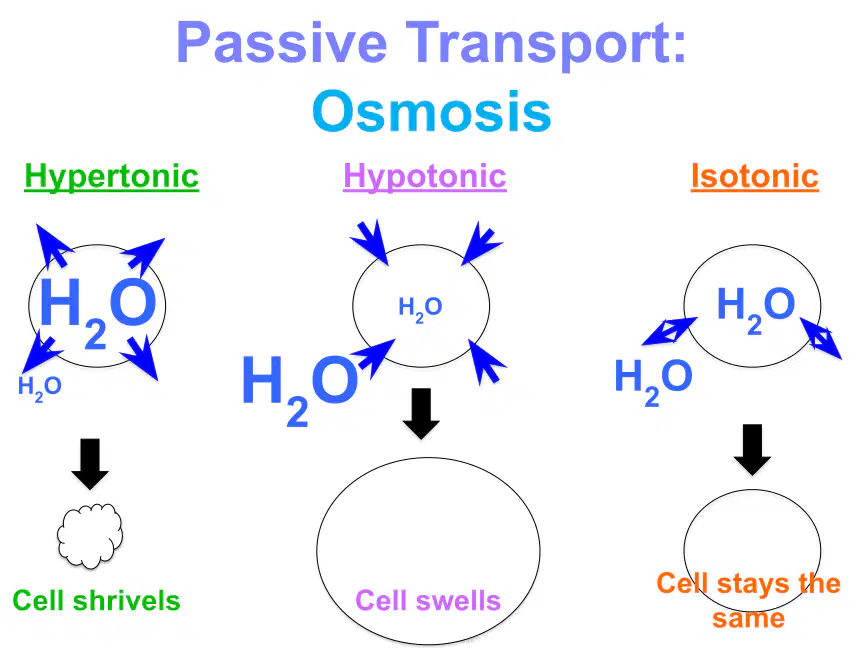
Fill in the blank: In a hypotonic solution, the cell
26
27
Open Ended
Compare and contrast the effects of hypertonic, hypotonic, and isotonic solutions on a cell.
28

29
Multiple Choice
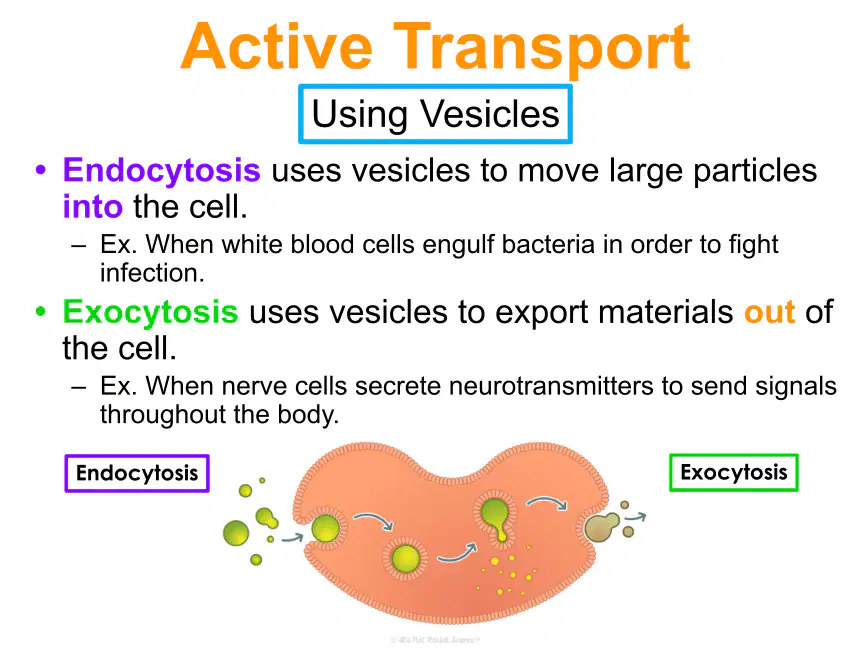
Which process allows a cell to concentrate key molecules within the cell or remove waste quickly from the cell?
Active transport using molecular pumps
Passive transport using diffusion
Facilitated diffusion
Osmosis
30
31
32
Open Ended
Why is homeostasis important for living organisms?
33
Fill in the Blanks
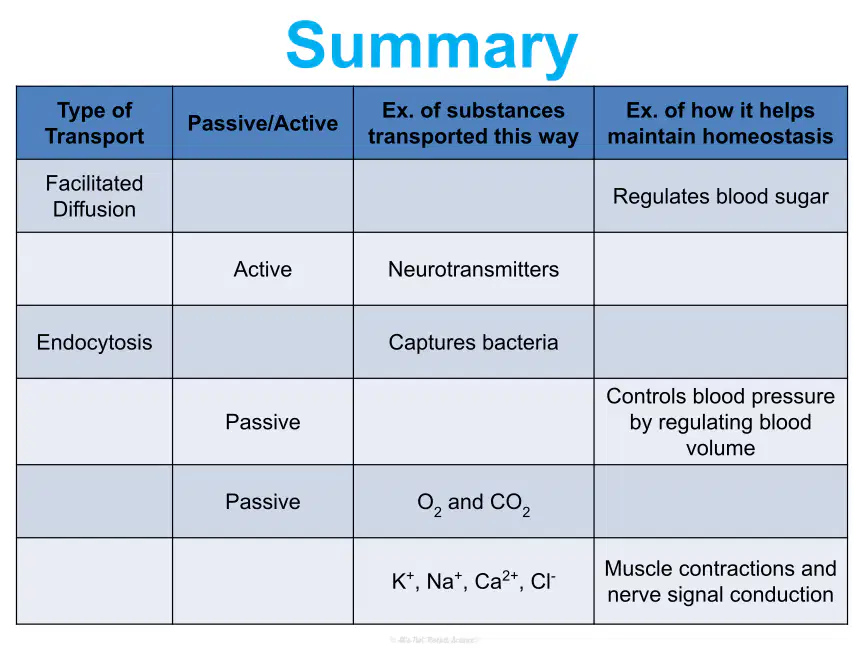
Facilitated diffusion helps regulate blood
34
Fill in the Blanks
A change in the environment that causes an organism to respond is called a
35
Open Ended
How does homeostasis help organisms maintain stability in their internal environment?
Show answer
Auto Play
Slide 1 / 35
SLIDE
Similar Resources on Wayground

28 questions
Cell Types and Specialization EOC Review
Presentation
•
9th - 12th Grade
25 questions
Periodic Trends
Presentation
•
10th - 12th Grade
28 questions
Modern Evolutionary Classification
Presentation
•
9th - 12th Grade
28 questions
Demonstrative Adjectives
Presentation
•
9th - 12th Grade
29 questions
Classification & Dichotomous Keys
Presentation
•
9th - 12th Grade
29 questions
Preterite tense of regular verbs
Presentation
•
9th - 12th Grade
31 questions
Energy Pyramids, Food Webs, and Biodiversity
Presentation
•
9th - 12th Grade
Popular Resources on Wayground
10 questions
How much do you know about our Portrait of an Eagle?

Quiz
•
10th Grade
10 questions
Fast Food Slogans
Quiz
•
6th - 8th Grade
21 questions
Continents and Oceans
Quiz
•
6th Grade
20 questions
Parts of Speech
Quiz
•
5th Grade
16 questions
Subject & Predicate
Quiz
•
5th Grade
25 questions
Multiplication Facts
Quiz
•
5th Grade
12 questions
Map Skills
Quiz
•
3rd Grade
22 questions
Continents and Oceans
Quiz
•
5th Grade
Discover more resources for Science
10 questions
Exploring Chemical and Physical Changes

Interactive video
•
6th - 10th Grade
20 questions
Atomic Structure
Quiz
•
9th Grade
10 questions
Decoding the Periodic Table of Elements
Interactive video
•
6th - 10th Grade
10 questions
Exploring the Periodic Table
Interactive video
•
6th - 10th Grade
14 questions
Physical and Chemical Changes
Quiz
•
10th Grade
22 questions
Periodic Table Review
Quiz
•
9th - 12th Grade
20 questions
Observation vs. Inference
Quiz
•
7th - 9th Grade
14 questions
Periodic Trends
Interactive video
•
11th Grade