Search Header Logo
Chemical Bonding

Chemical Bonding

Assessment

Presentation

Science

8th Grade

Easy

NGSS
HS-PS1-1, MS-PS2-3, MS-PS2-5

+1

Standards-aligned

Created by

Amy Kramer

Used 6+ times

FREE Resource

30 Slides • 16 Questions

1
media

2

media

3

Open Ended

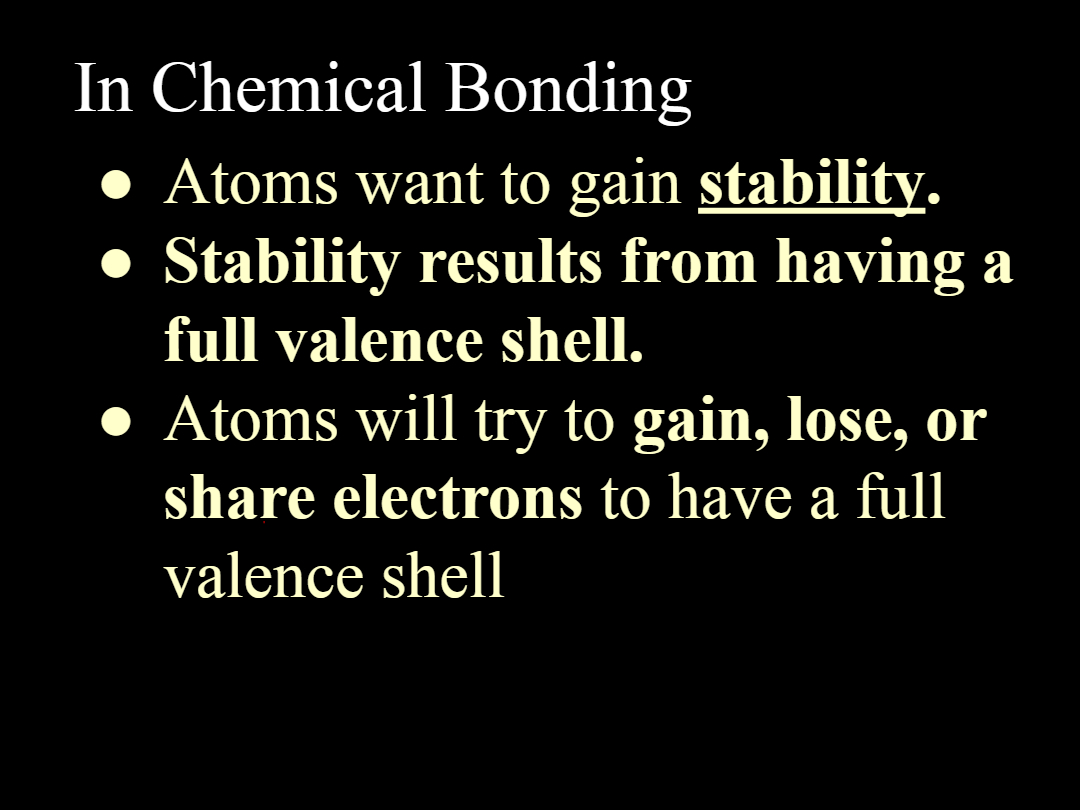
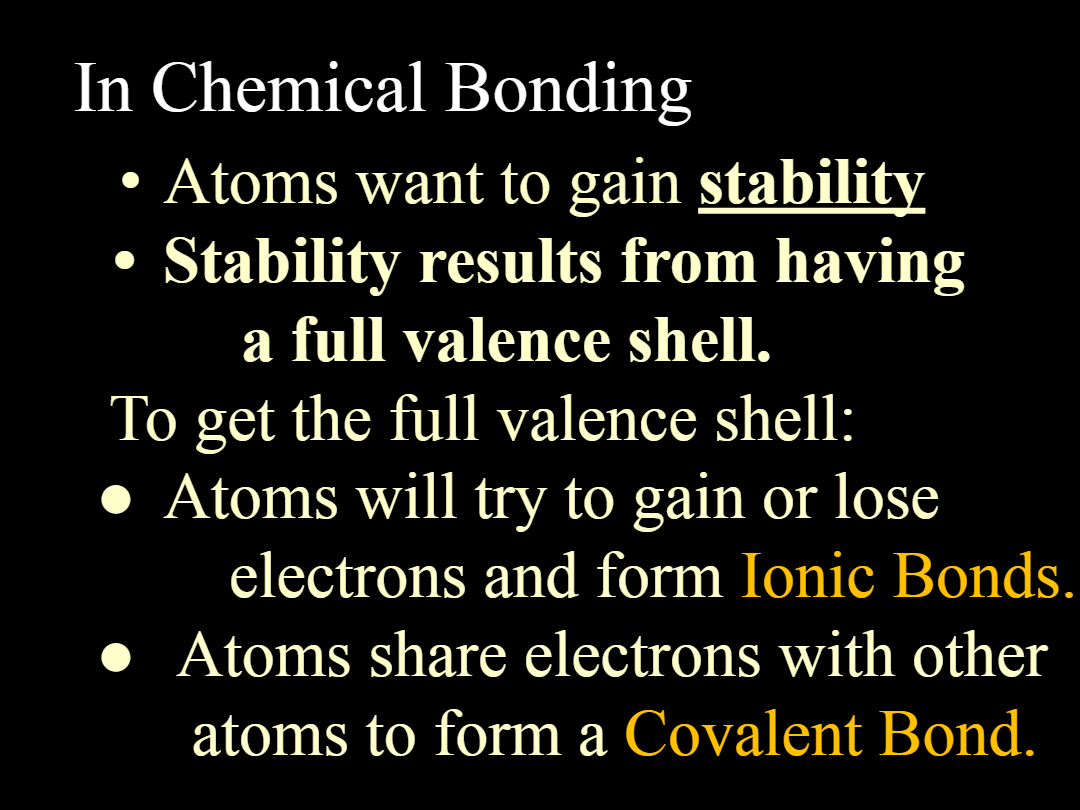
How do atoms achieve a full valence shell during chemical bonding?

4

Multiple Choice

Why is stability important for atoms in chemical bonding?

1

It allows atoms to have a full valence shell, making them less reactive.

2

It makes atoms more reactive and changes their properties.

3

It causes atoms to lose their identity, and become a molecule.

4

It increases the number of electrons in all atoms.

5

media

6

media

7

media

8

media

9

media

10

media

11

media

12

media

13

media

14

media

15

media

16

media

17

Multiple Choice

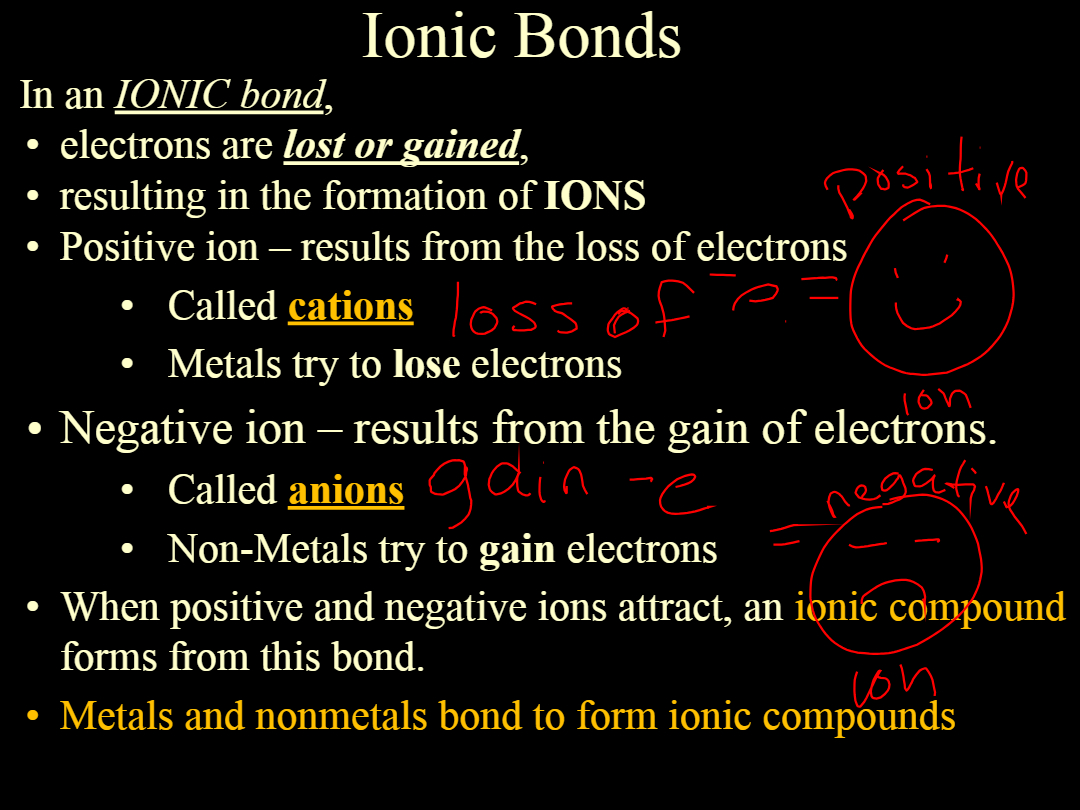
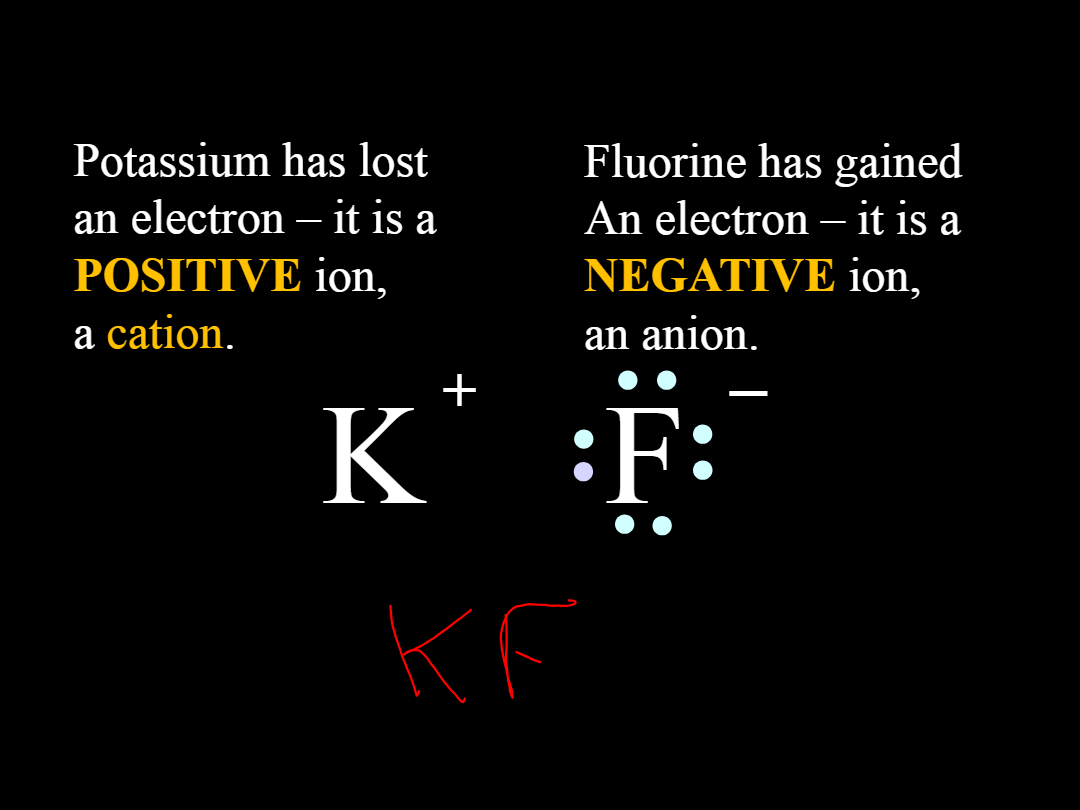
Which type of ions are formed when metals lose electrons in an ionic bond?

1

Cations

2

Anions

3

Neutrons

4

Isotopes

18

Multiple Select

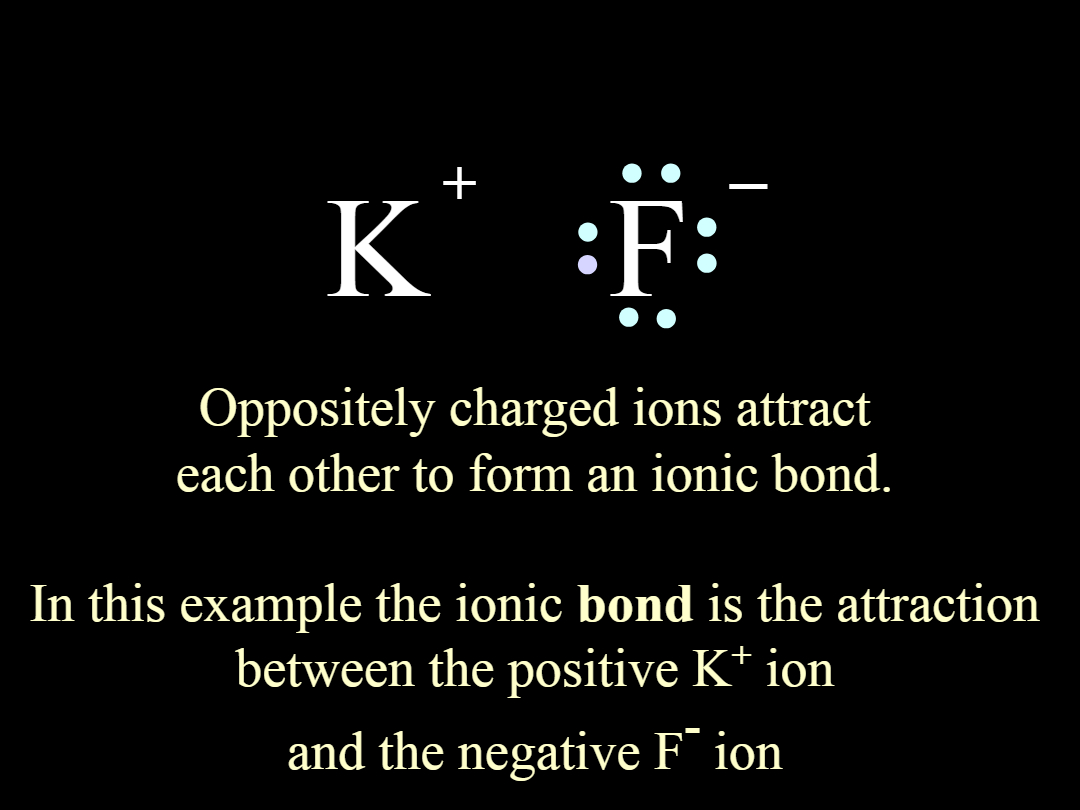
Select all statements that correctly describe the formation of ionic bonds.

1

Electrons are transferred from metals to nonmetals.

2

Both atoms share electrons equally.

3

A positive ion and a negative ion attract each other.

4

Metals gain electrons to become cations.

19

Open Ended

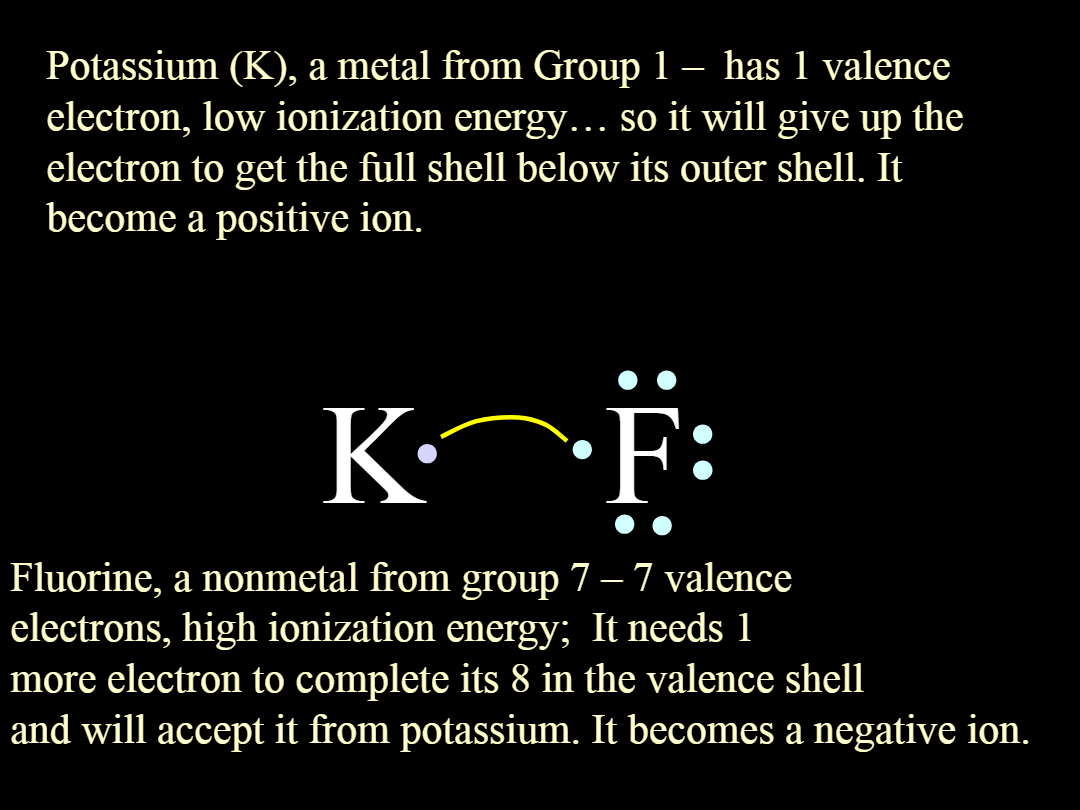
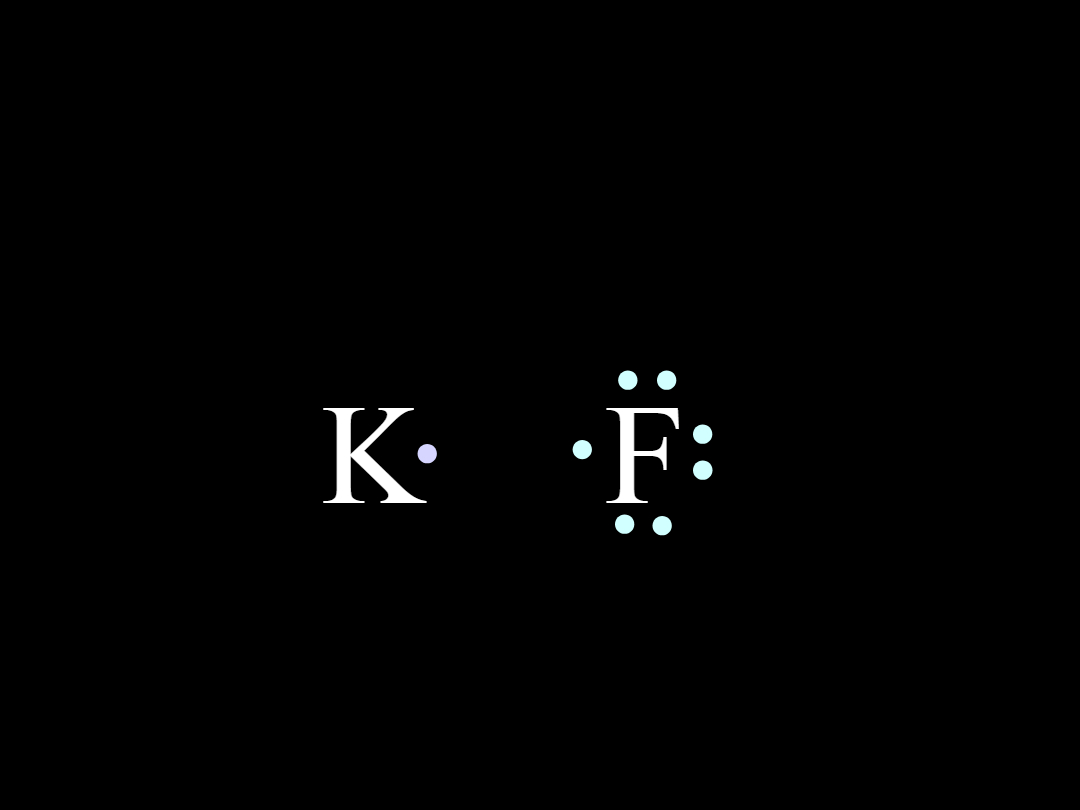
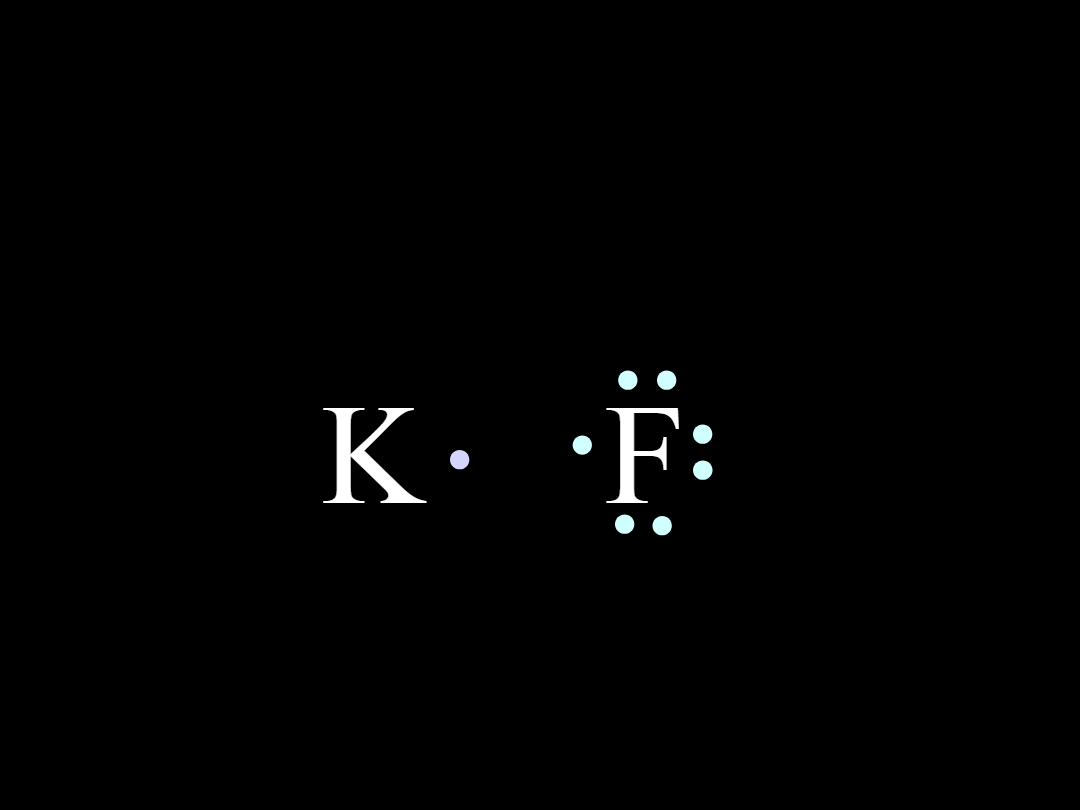
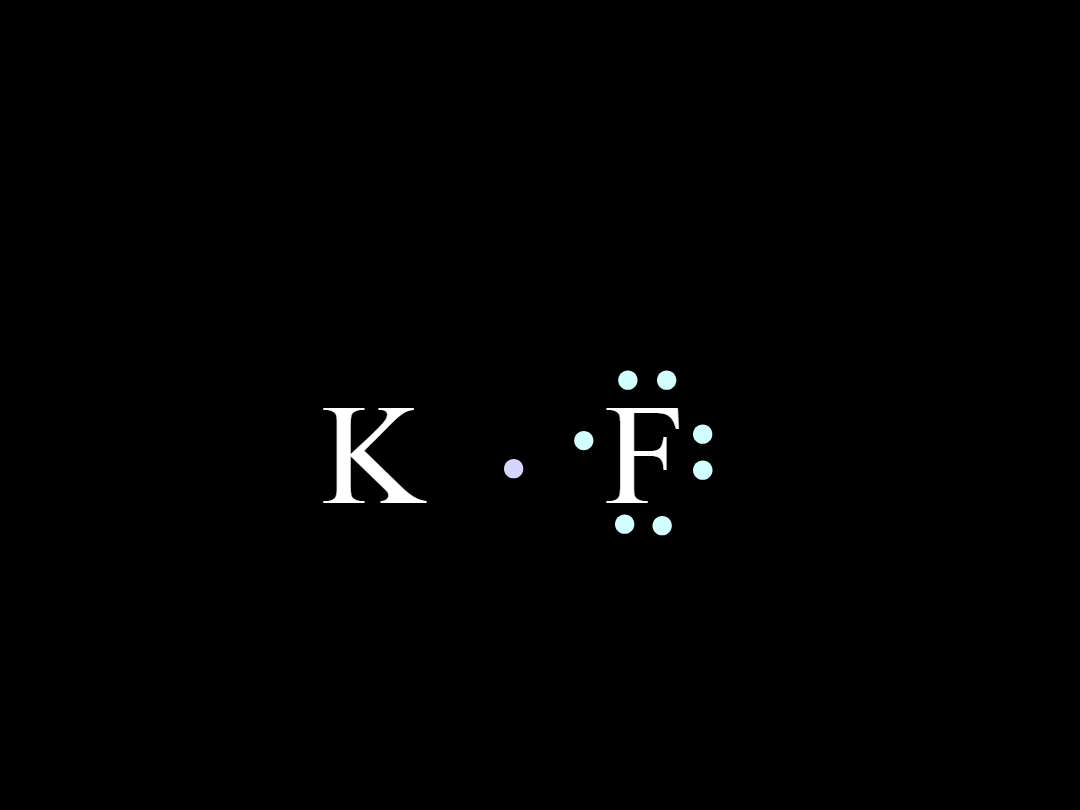
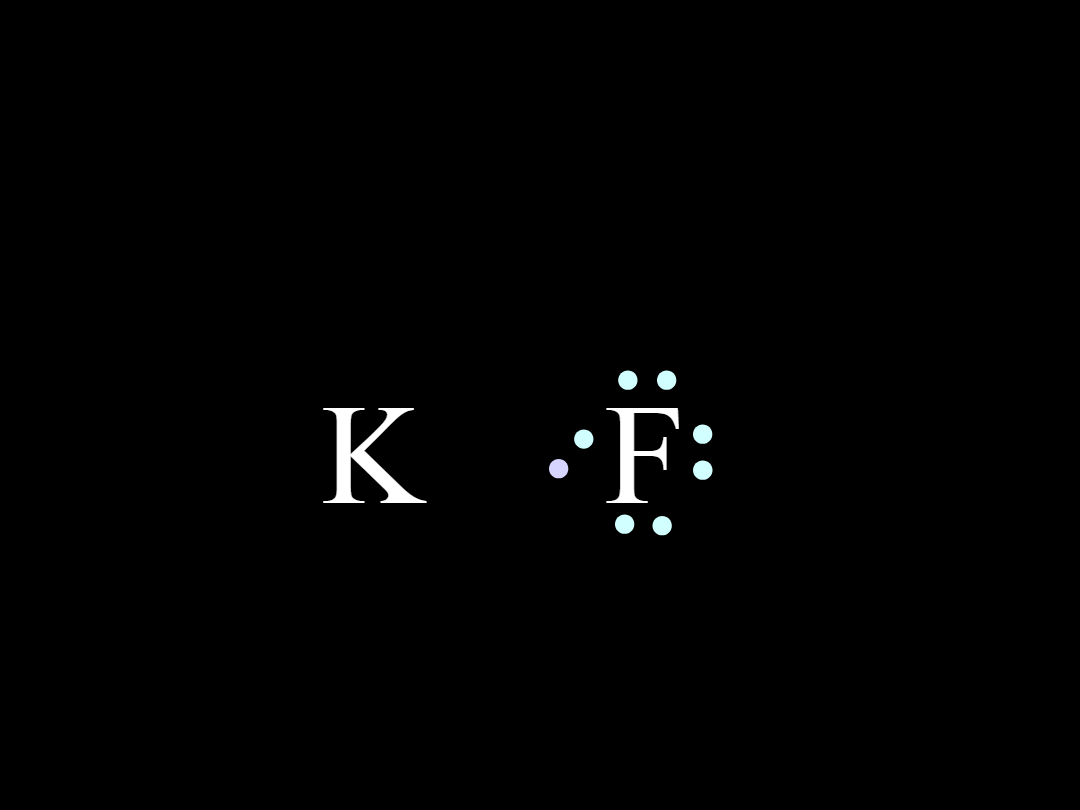
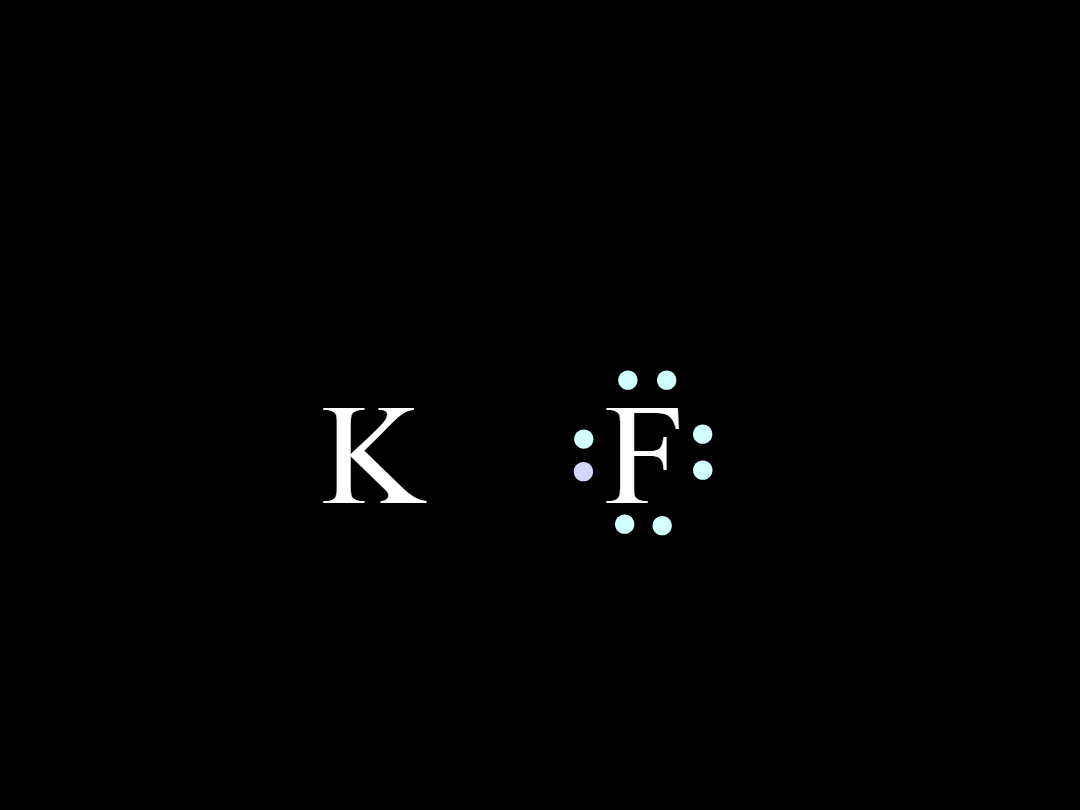
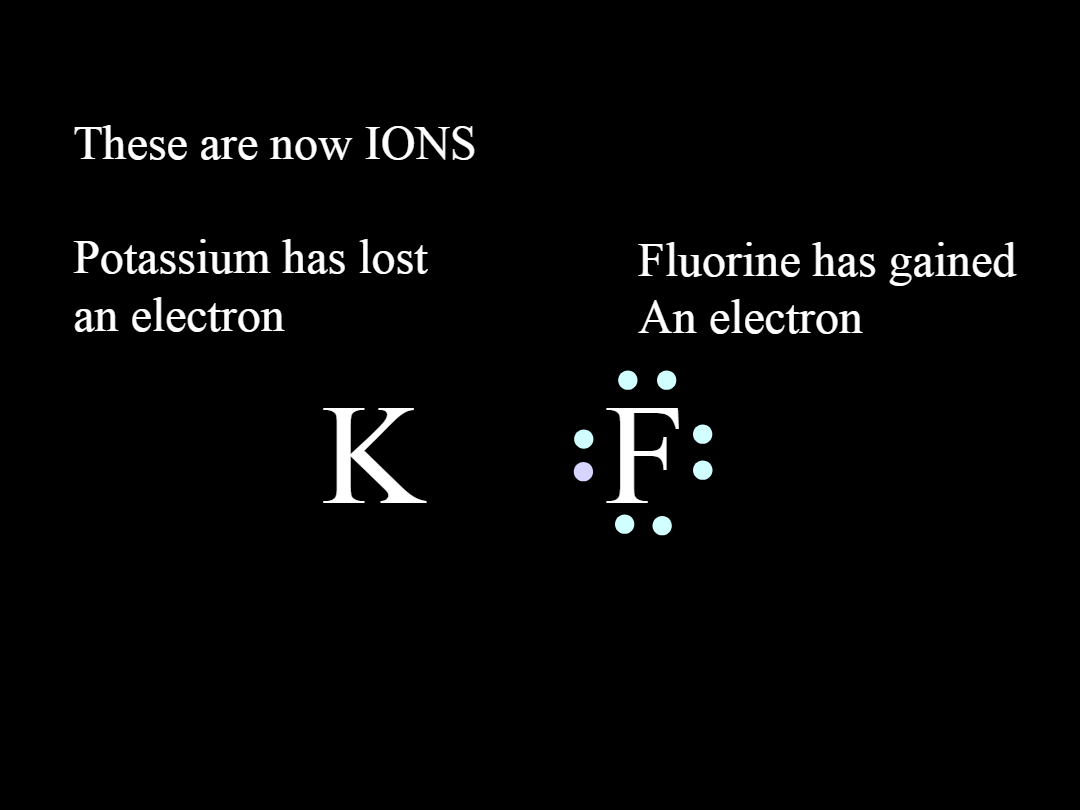
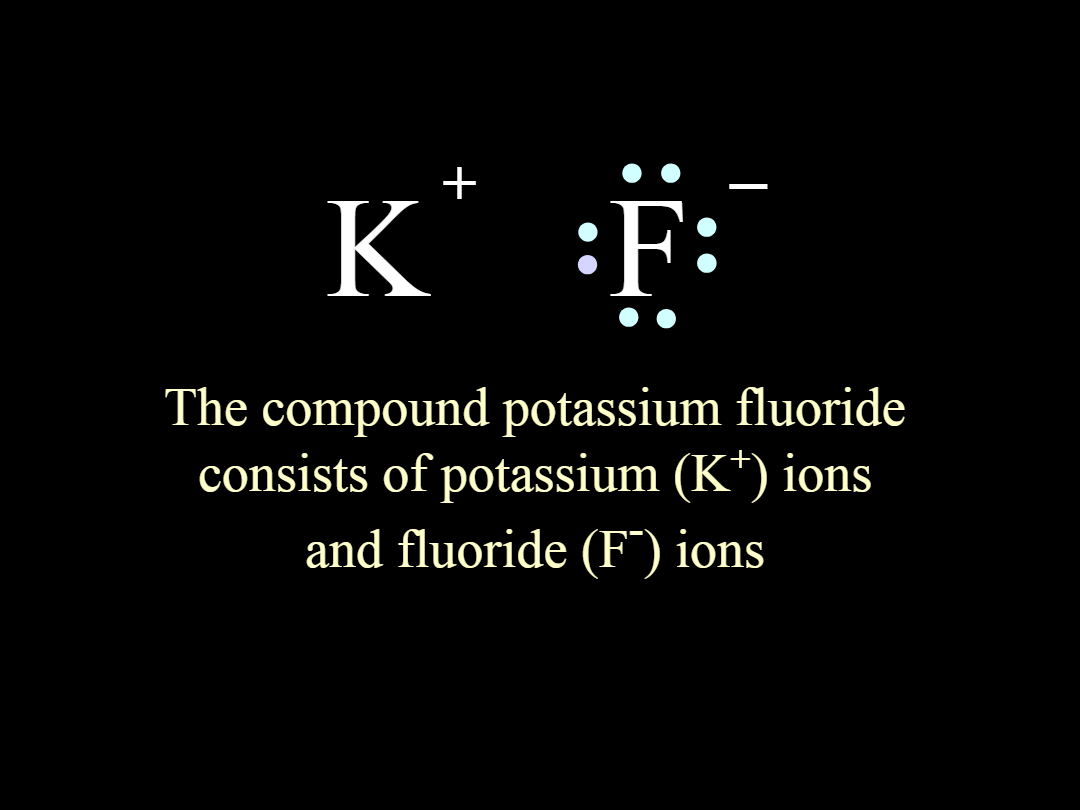
Describe what happens to the valence electrons of potassium and fluorine during the formation of potassium fluoride (KF).

20

Multiple Choice

Question image

In the Lewis dot structure for potassium fluoride, how many valence electrons does fluorine have after the transfer?

1

8

2

7

3

1

4

0

21

Multiple Choice

What is the charge on the potassium ion after it loses an electron?

1

+1

2

-1

3

0

4

+2

22

Fill in the Blanks

23

Multiple Select

Which of the following statements are correct about the ions formed in potassium fluoride?

1

Potassium forms a cation, Fluorine forms an anion

2

Potassium forms a anion, Fluorine forms an cation

3

Both ions have the same charge

4

The ions attract each other

24

media

25

Multiple Choice

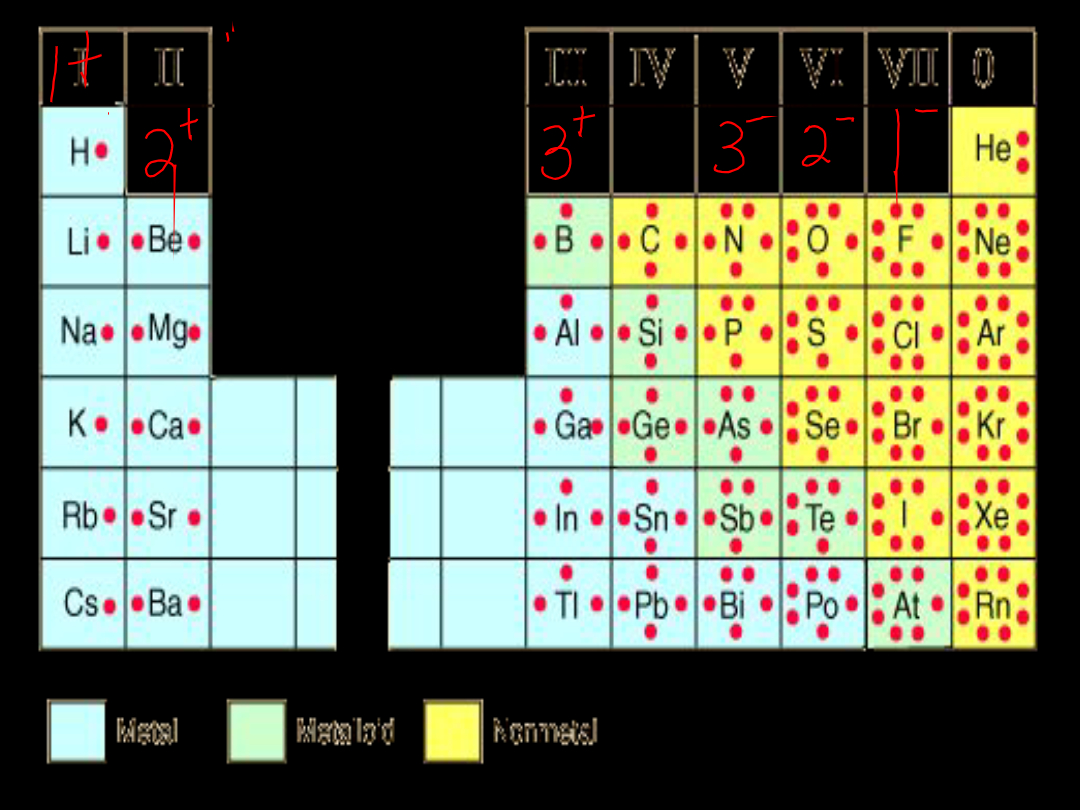
Which group in the periodic table contains elements that typically form 2+ ions?

1

Group I

2

Group II

3

Group V

4

Group VII

26

media

27

Open Ended

Explain why atoms form chemical bonds.

28

media

29

Fill in the Blanks

30

media

31

media

32

media

33

media

34

media

35

media

36

media

37

media

38

media

39

media

40

media

41

media

42

media

43

Open Ended

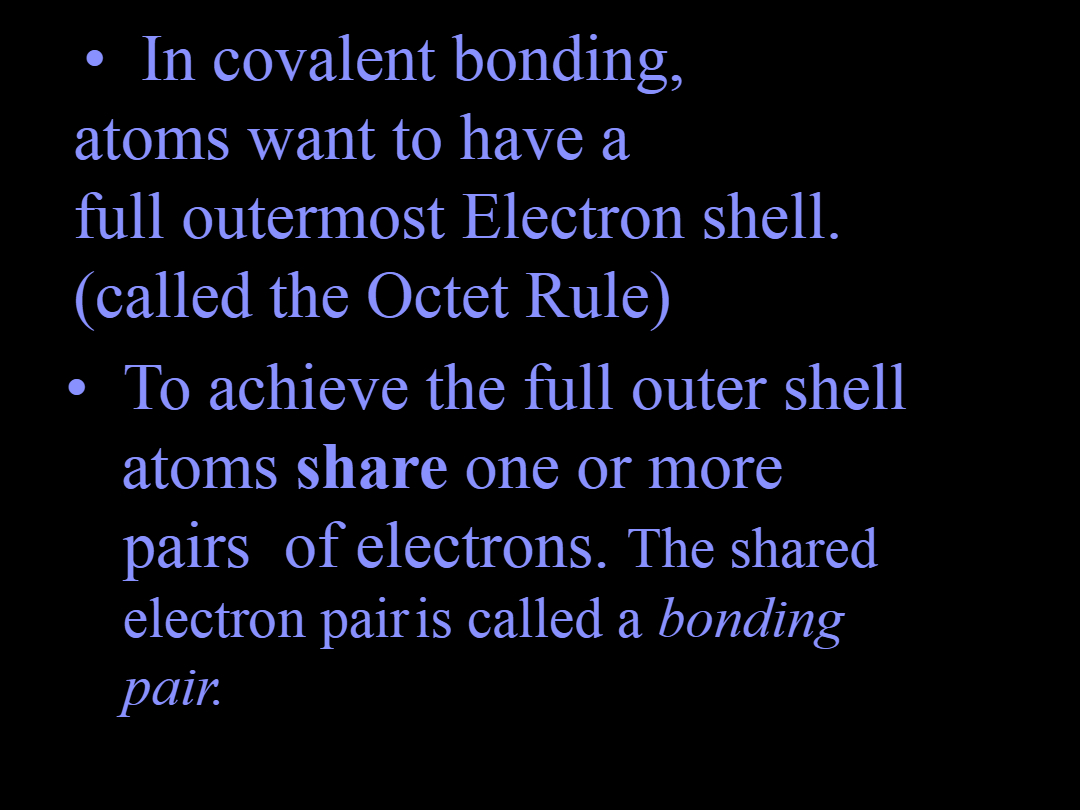
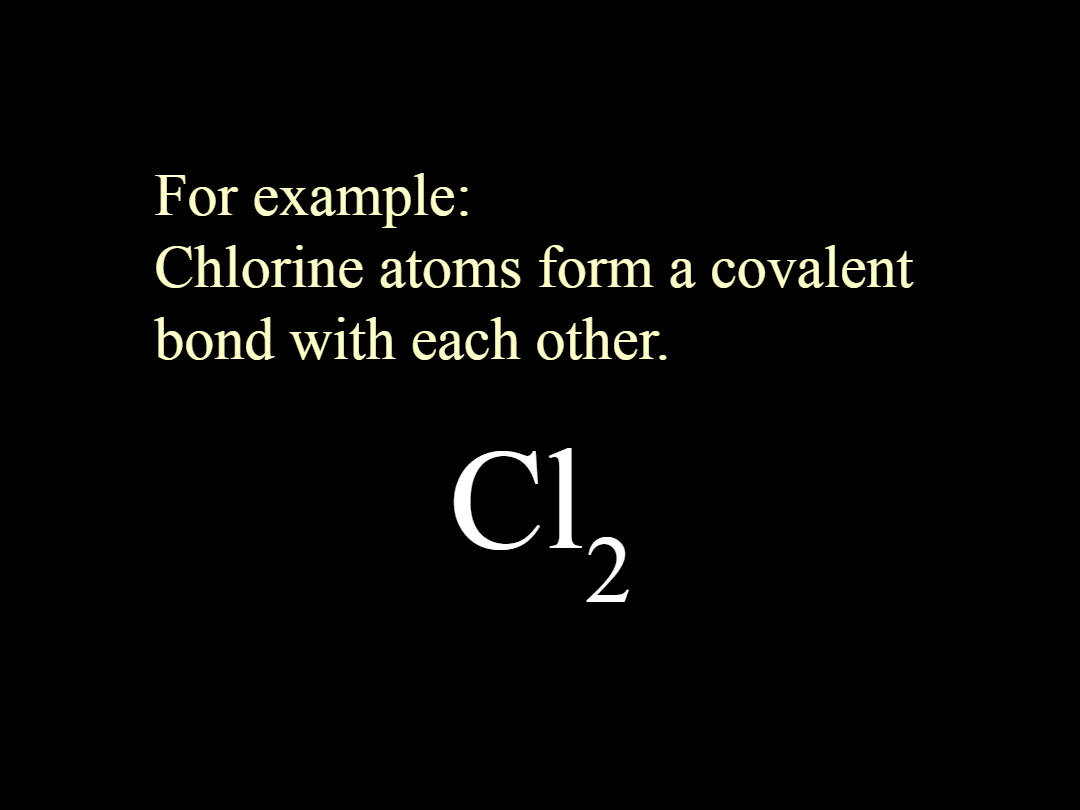
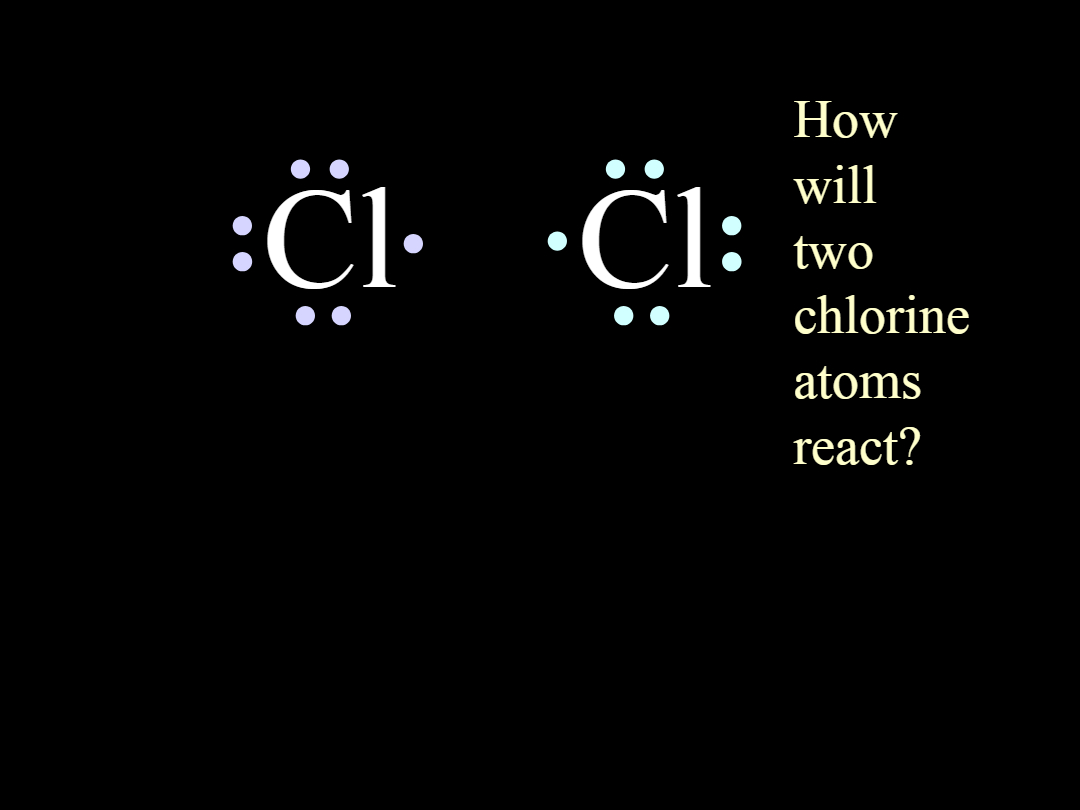
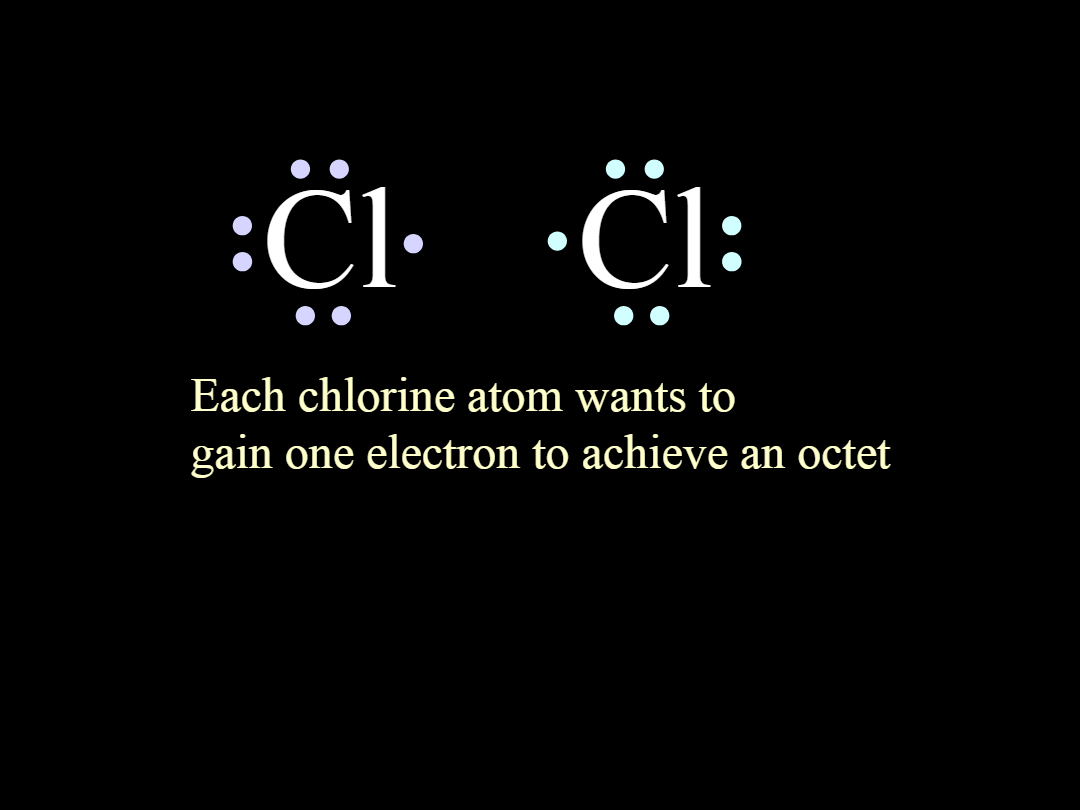
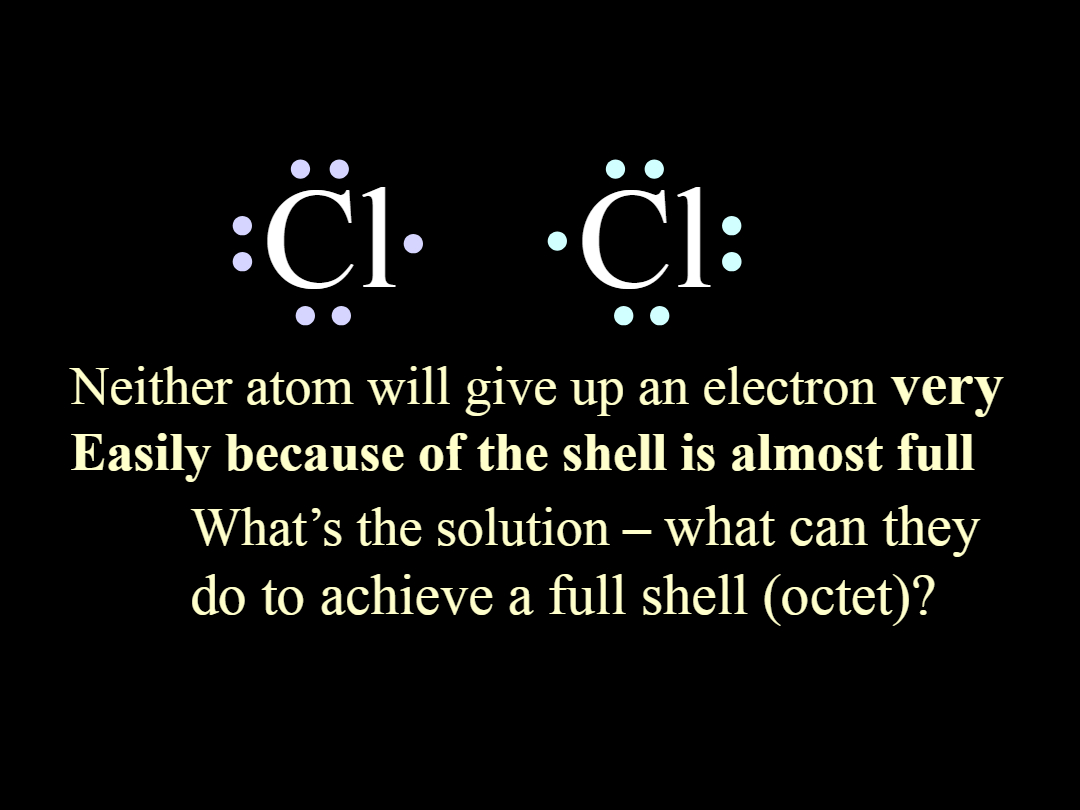
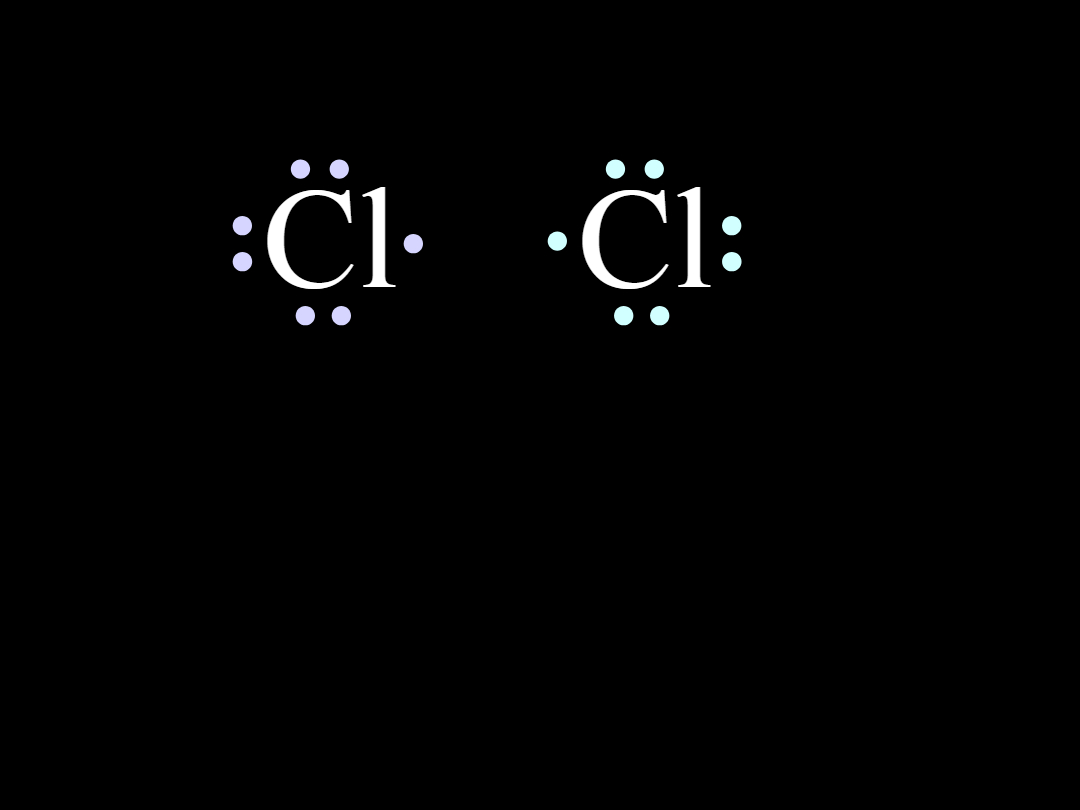
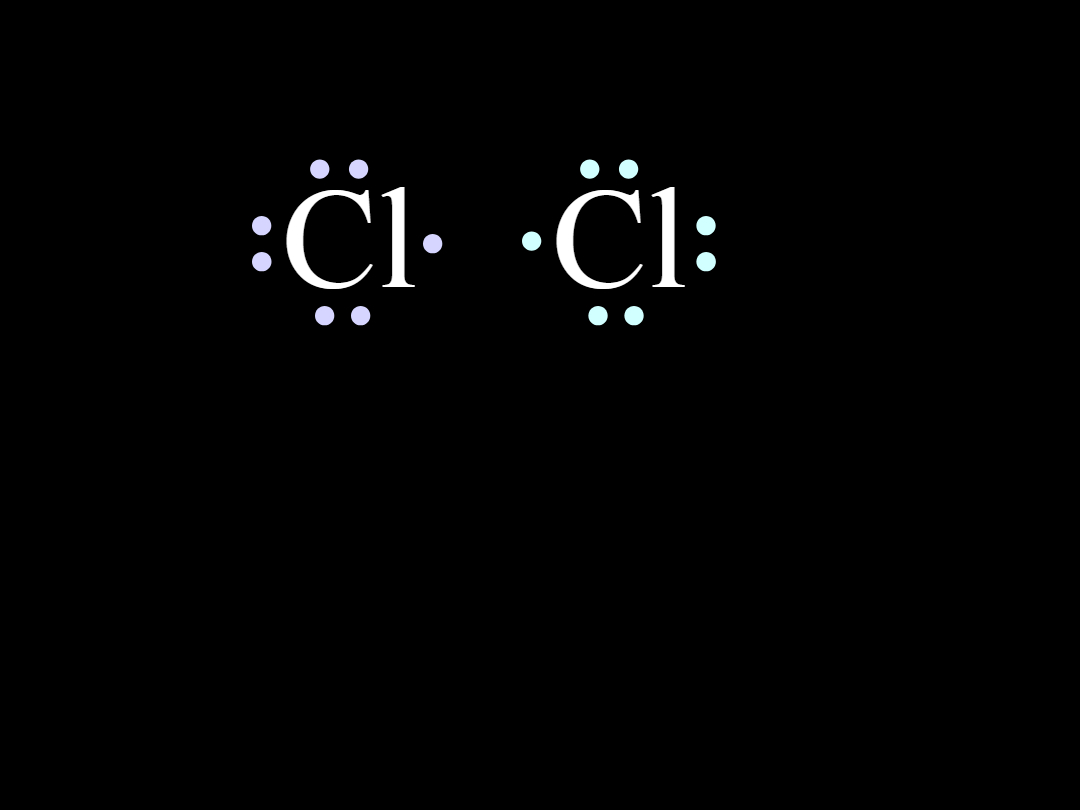
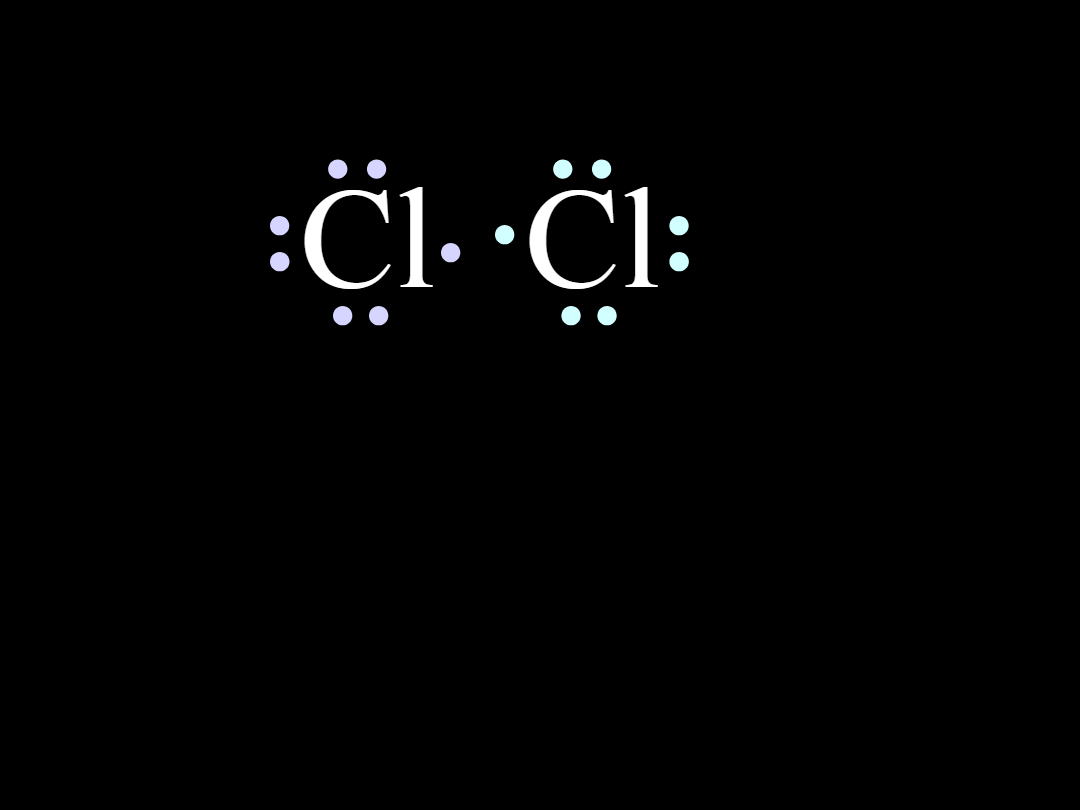
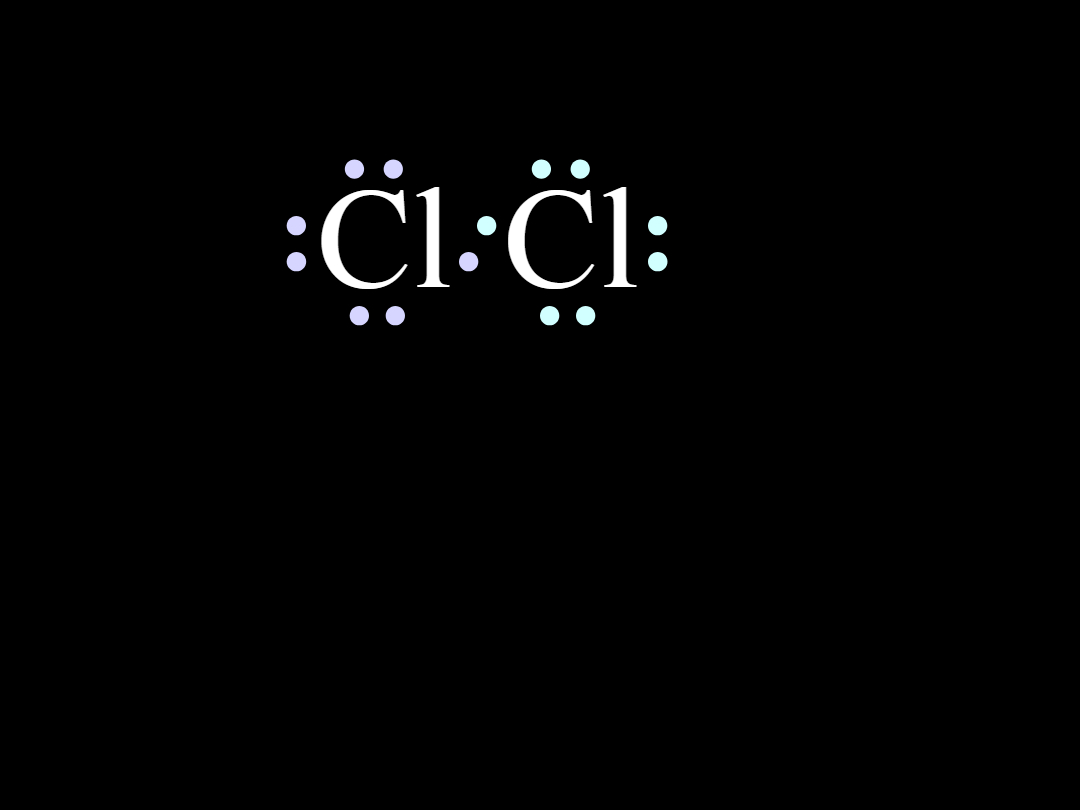
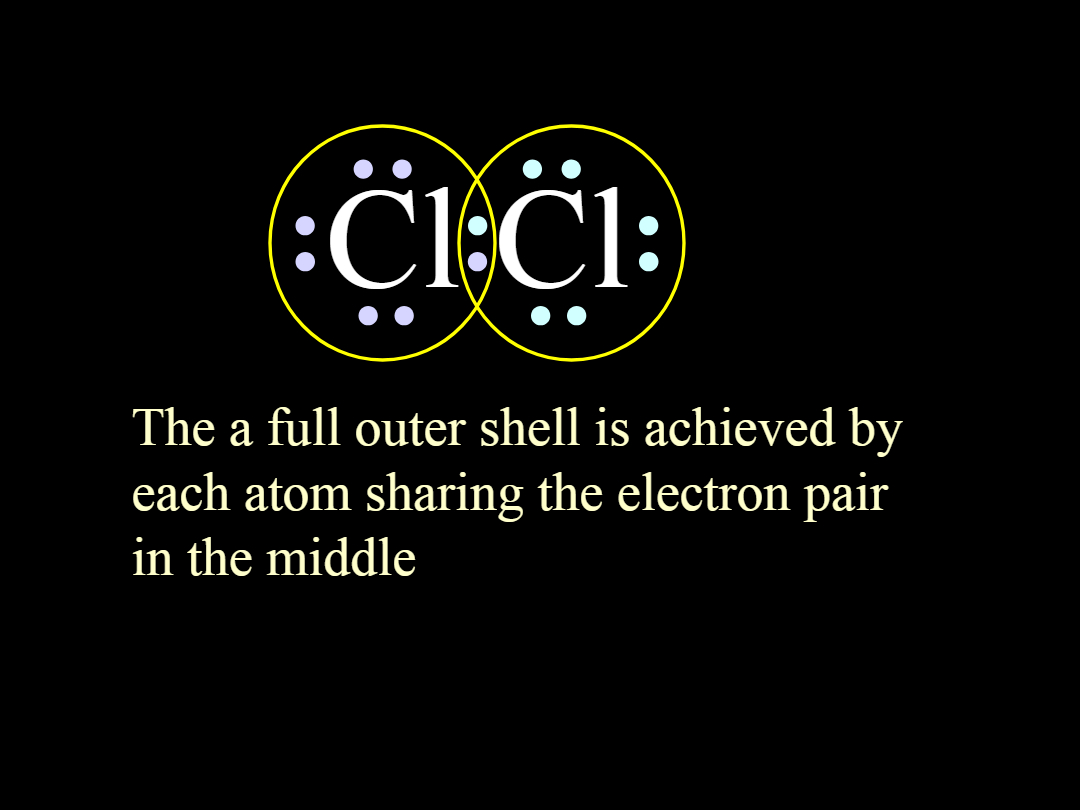
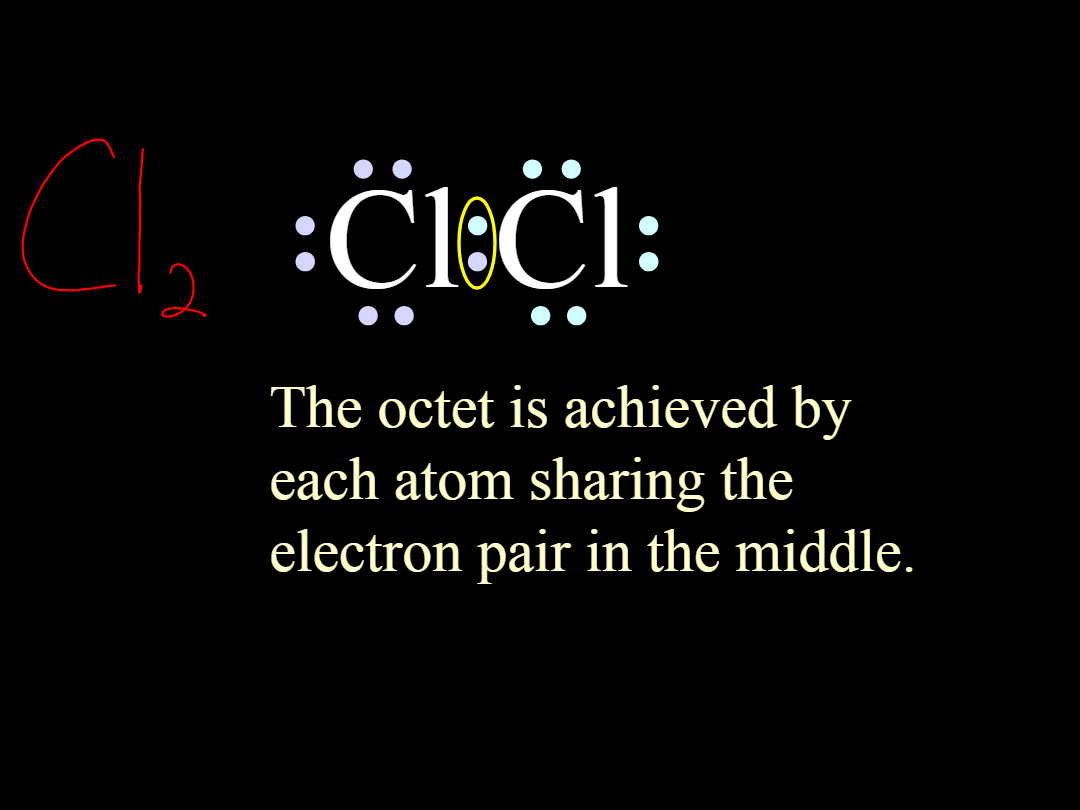
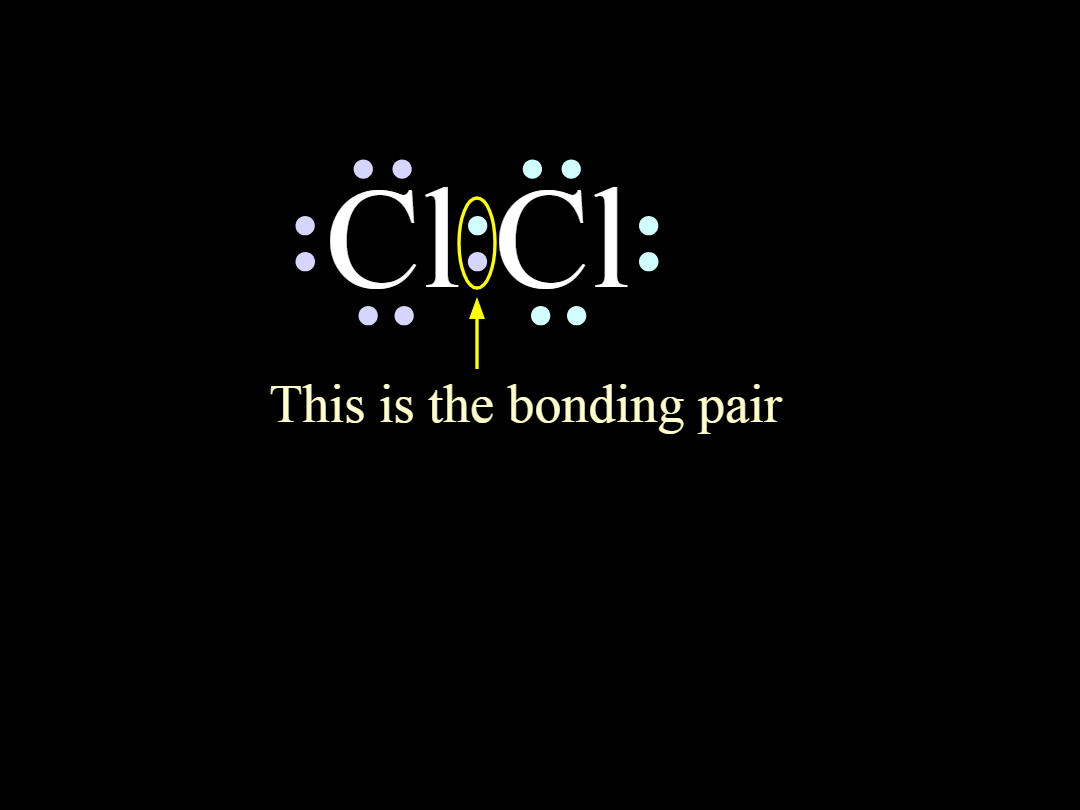
What’s the solution – what can chlorine atoms do to achieve a full shell (octet)?

44

Multiple Choice

Which of the following best describes how chlorine atoms bond with each other?

1

They transfer electrons to each other forming ions.

2

They share one pair of electrons forming a covalent bond.

3

They lose electrons to form a metallic bond.

4

They do not bond with each other.

45

Fill in the Blanks

46

Multiple Select

Select all statements that are correct:

1

Atoms form bonds to achieve stability.

2

Covalent bonds involve sharing electrons.

3

All atoms want to lose electrons.

4

Chlorine atoms achieve an octet by sharing electrons.

media

Show answer

Auto Play

Slide 1 / 46

SLIDE