
6th grade Biomes & Aquatic Ecosystems
Authored by Clair Brechbill
Other Sciences
6th Grade
Used 3+ times


AI Actions
Add similar questions
Adjust reading levels
Convert to real-world scenario
Translate activity
More...
Content View
Student View
37 questions
Show all answers
1.
MULTIPLE CHOICE QUESTION
1 min • 1 pt
Which biome, because of its climate, has the largest number of species of plants and animals?
tundra
desert
tropical rainforest
pine forest
2.
MULTIPLE CHOICE QUESTION
1 min • 1 pt
Which type of trees is found in a temperate forest?
deciduous
evergreen
ginko
palm
3.
MULTIPLE CHOICE QUESTION
45 sec • 1 pt
Which biome receives between 0 and 25 centimeters of precipitation each year, has a temperature range from -27 to 5 degrees Celsius, has frozen soil, and is home to hares, caribou, and wolves?
desert
mountain
savannah
tundra
4.
MULTIPLE CHOICE QUESTION
45 sec • 1 pt
Which biome receives between 0 to 25 centimeters of rain per year, has a temperature range of 0 to 50 degrees Celsius, has poor soil, and is home to lizards, scorpions, and snakes?
desert
mountain
taiga
tundra
5.
MULTIPLE CHOICE QUESTION
1 min • 1 pt
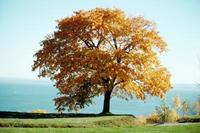
The biome known for trees with broad leaves that fall off the trees in the winter.
Coniferous Forests
Deciduous Forests
Deserts
Tropical Rain Forests
6.
MULTIPLE CHOICE QUESTION
1 min • 1 pt

The most important abiotic factors when studying biomes are...
Food and Water
Water and Sunlight
Temperature and Oxygen
Water and Temperature
7.
MULTIPLE CHOICE QUESTION
1 min • 1 pt
What are the key features of the Tundra?
cold winter, thin acidic soil, evergreen trees
treeless, permafrost, cold dark winters
ong cool summers, short dark winters, migrating animals
many evergreen trees, short moist summers, long snowy winters


Access all questions and much more by creating a free account
Create resources
Host any resource
Get auto-graded reports

Continue with Google

Continue with Email

Continue with Classlink

Continue with Clever
or continue with

Microsoft
%20(1).png)
Apple

Others
Already have an account?

