
Amplify Plate Motion
Authored by Tyler Williamson
Science
6th - 8th Grade
NGSS covered
Used 1K+ times


AI Actions
Add similar questions
Adjust reading levels
Convert to real-world scenario
Translate activity
More...
About
This quiz focuses on plate tectonics and Earth's structure, covering fundamental concepts appropriate for middle school science students in grades 6-8. The questions assess students' understanding of Earth's layers (crust, mantle, core), tectonic plates as large sections of rock that form Earth's outer layer, and the three types of plate boundaries where geological activity occurs. Students need to grasp that plate boundaries are locations where tectonic plates meet and where most volcanic and seismic activity takes place. The quiz requires knowledge of how different boundary types—convergent, divergent, and transform—create distinct geological features such as mid-ocean ridges, trenches, and continental volcanoes. Students must understand the relationship between plate movement and the formation of major Earth features, demonstrating comprehension of how internal Earth processes shape our planet's surface. Created by Tyler Williamson, a Science teacher in the US who teaches grades 6 and 8. This quiz serves as an excellent tool for reinforcing vocabulary and key concepts in Earth science units focused on plate tectonics and geological processes. Teachers can implement this assessment as a formative evaluation to gauge student understanding before moving to more complex applications of plate tectonic theory, or as a review activity to solidify terminology and basic relationships between plate movements and surface features. The quiz works effectively as a warm-up activity to activate prior knowledge, as independent practice for students to self-assess their grasp of fundamental concepts, or as homework to reinforce classroom instruction. This assessment aligns with Next Generation Science Standards MS-ESS1-4, which requires students to develop models of Earth's layers and analyze how the uneven distribution of Earth's mineral, energy, and groundwater resources results from past and current geoscience processes.
Content View
Student View
10 questions
Show all answers
1.
MULTIPLE CHOICE QUESTION
45 sec • 1 pt

Cross Section
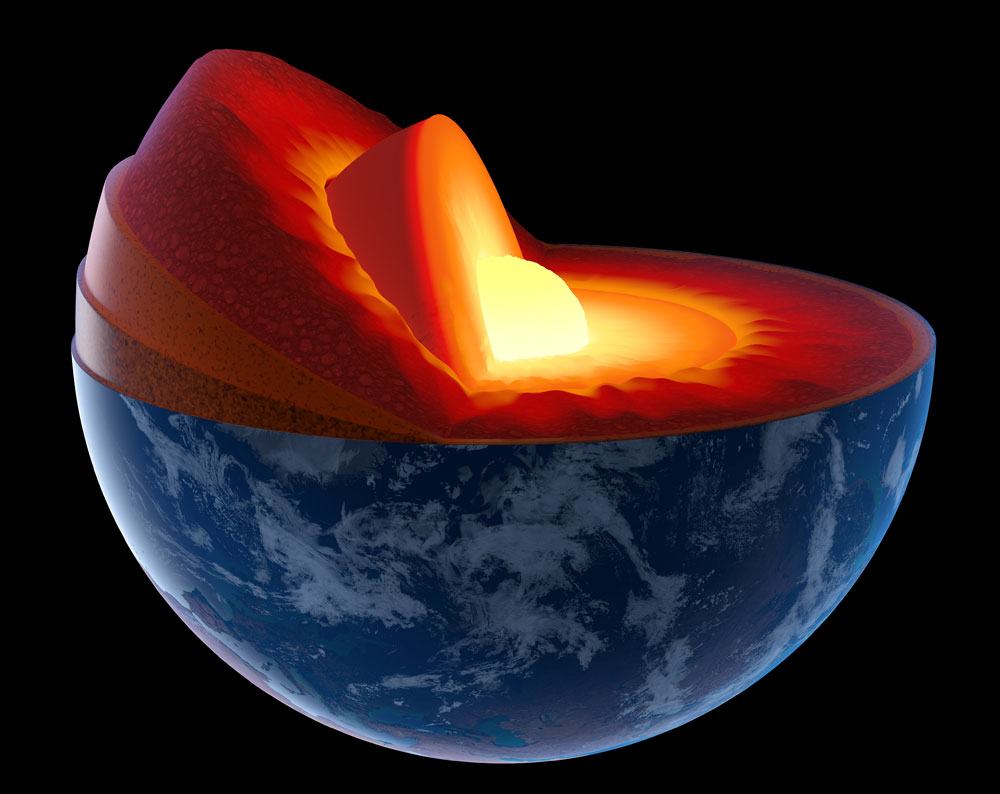
A diagram that shows what the inside of something looks like.
A diagonal portion of a larger object.
When two line are drawn over each other at a 900 angle.
A piece of a pizza.
Tags
NGSS.MS-PS1-1
2.
MULTIPLE CHOICE QUESTION
45 sec • 1 pt

Outer Layer
Crust
Mantle
Outer Core
Inner Core
3.
MULTIPLE CHOICE QUESTION
45 sec • 1 pt

Plate Boundary
The place where two plates meet; most volcanoes and earthquakes occur here.
The location where the food falls onto the table.
Where one country ends and another begins.
The edge of your patella.
Tags
NGSS.MS-ESS2-2
NGSS.MS-ESS2-3
4.
MULTIPLE CHOICE QUESTION
30 sec • 1 pt

Tectonic Plate
One of the very large sections of hard rock that make up Earth's outer layer.
A new song release from "P-late."
An object that is used for serving food on.
Round, smooth portions of the Mantle.
Tags
NGSS.MS-ESS2-2
NGSS.MS-ESS2-3
5.
MULTIPLE CHOICE QUESTION
30 sec • 1 pt

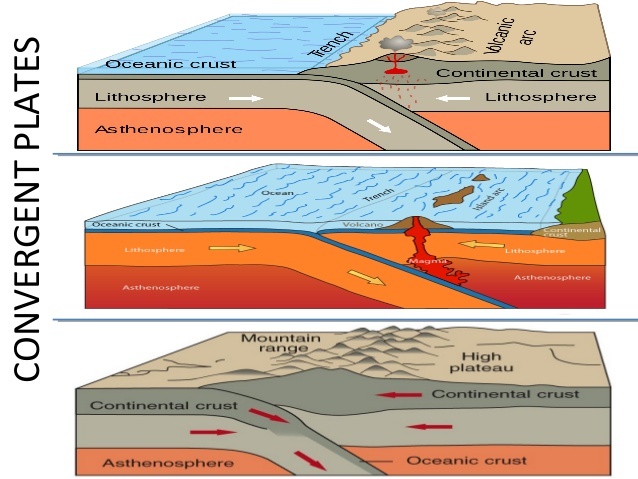
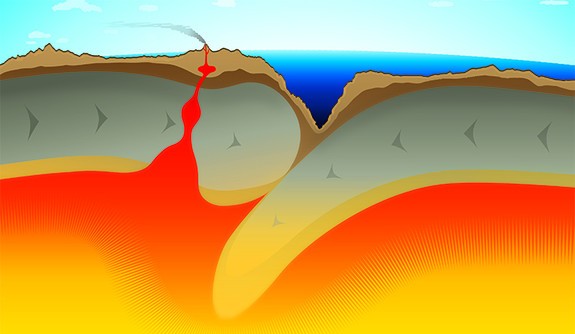
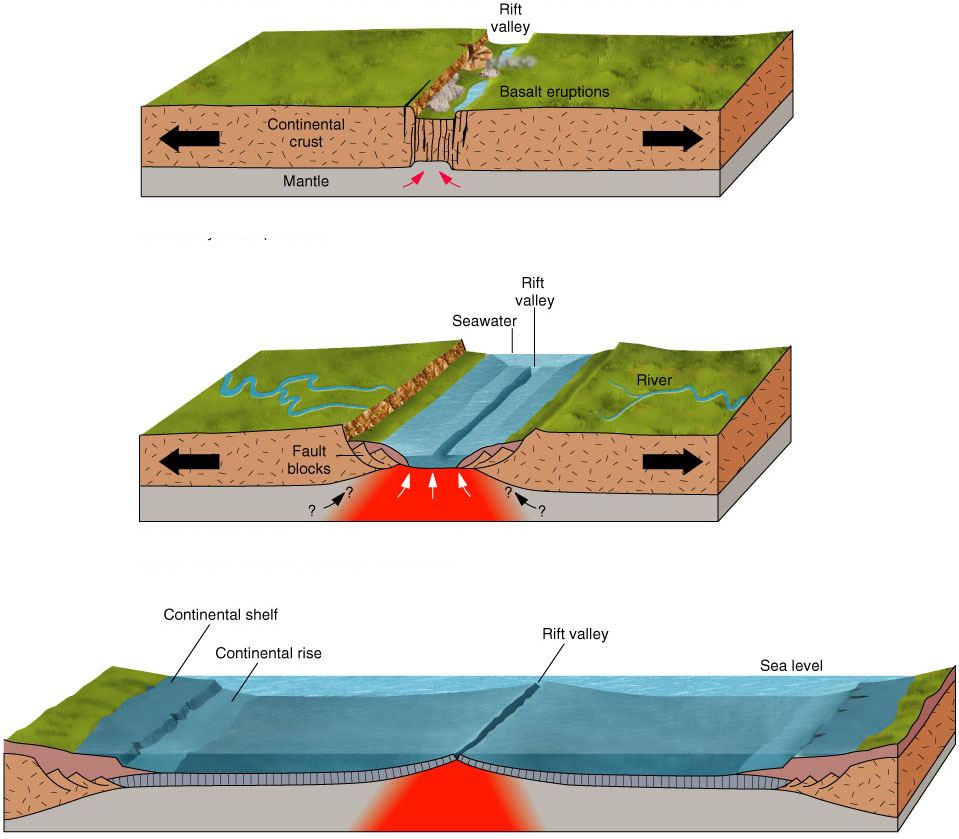
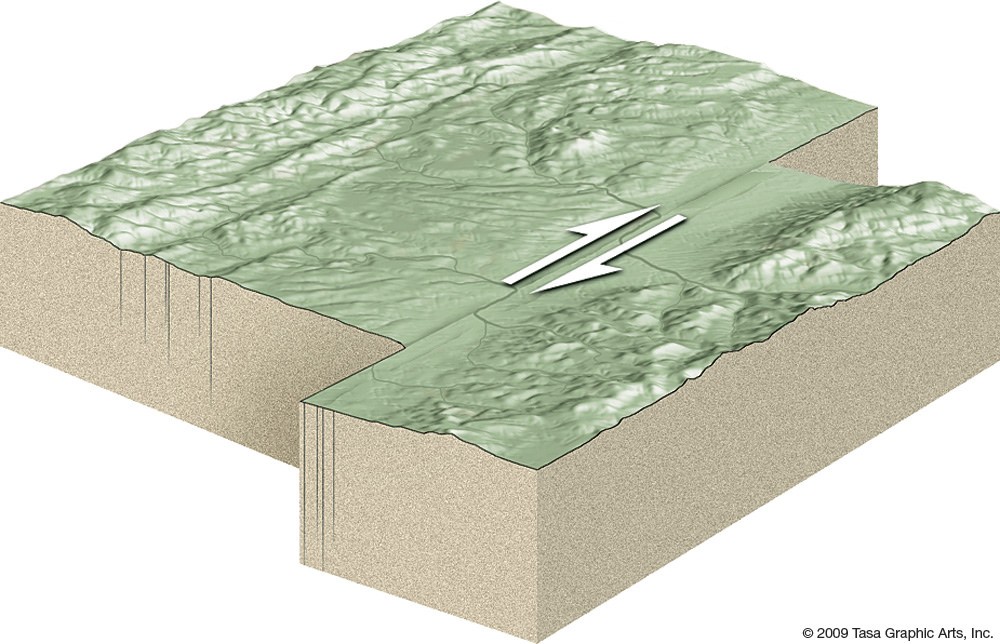
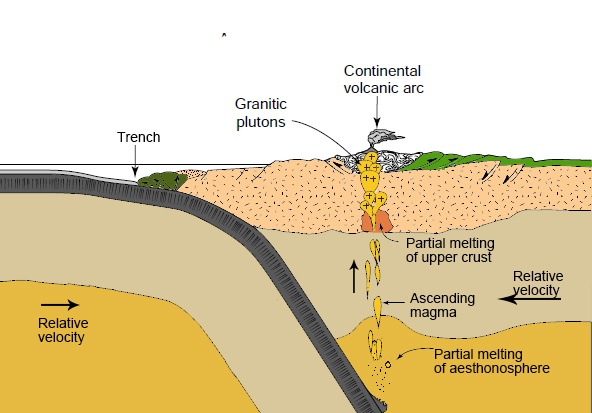
Convergent?
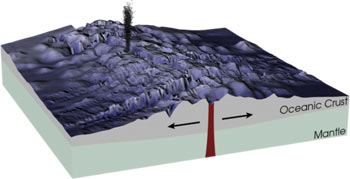
Divergent?
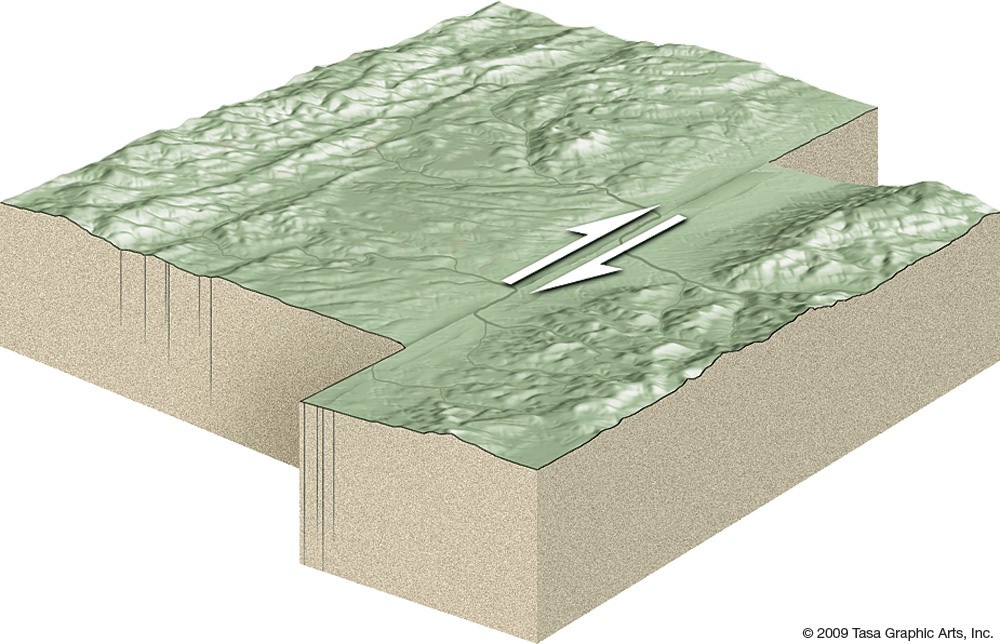
Transform?
Classic
Tags
NGSS.MS-ESS2-2
NGSS.MS-ESS2-3
NGSS.MS-ESS2-1
6.
MULTIPLE CHOICE QUESTION
30 sec • 1 pt

Divergent?
Convergent?
Transform?
Classic?
Tags
NGSS.MS-ESS2-2
7.
MULTIPLE CHOICE QUESTION
30 sec • 1 pt

Transform?
Divergent?
Convergent?
Classic?
Tags
NGSS.MS-ESS2-2
NGSS.MS-ESS2-3

Access all questions and much more by creating a free account
Create resources
Host any resource
Get auto-graded reports

Continue with Google

Continue with Email

Continue with Microsoft
or continue with

%20(1).png)
Apple

Others
By signing up, you agree to our Terms of Service & Privacy Policy
Already have an account?


